Firka Fortress
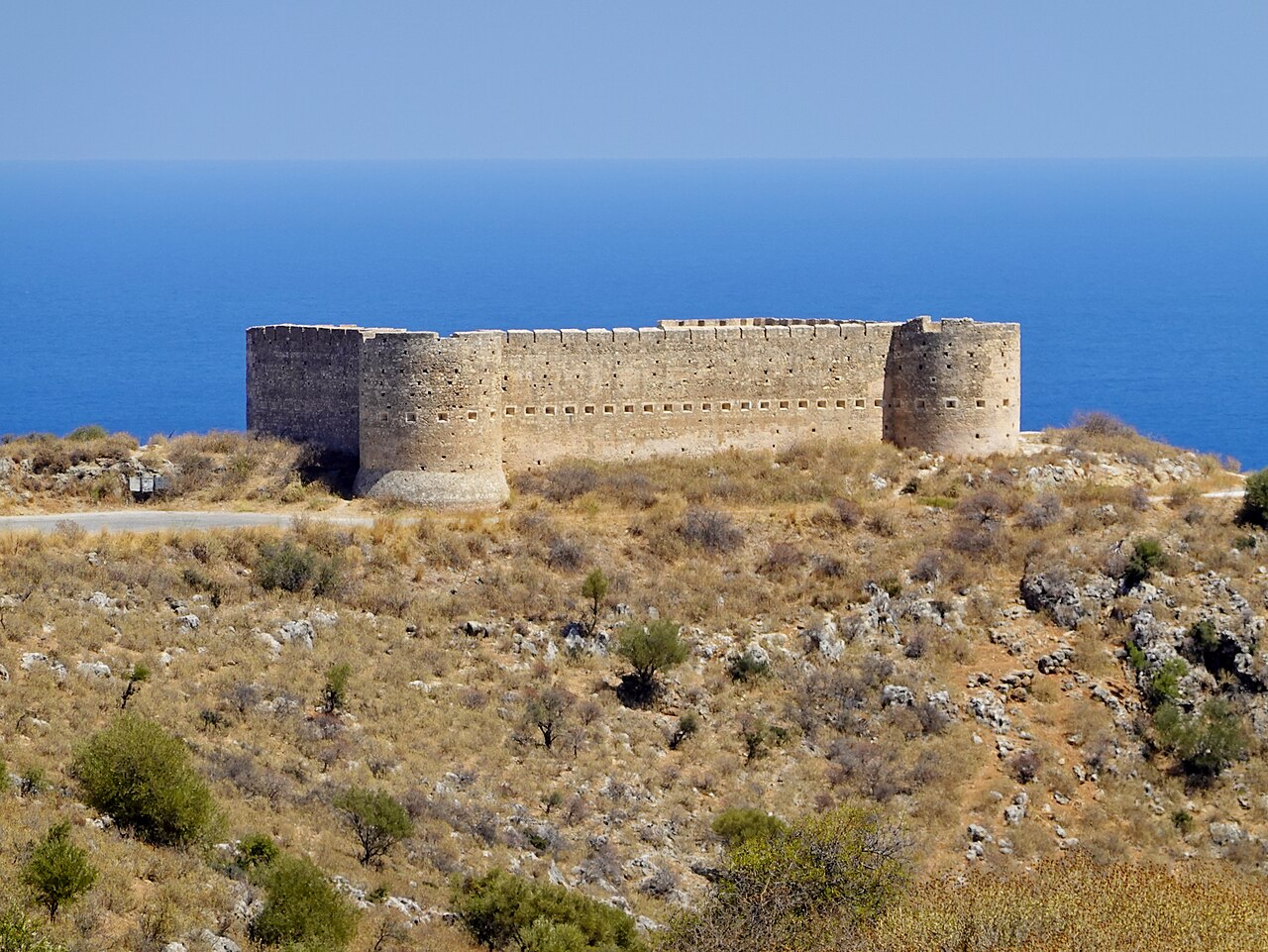
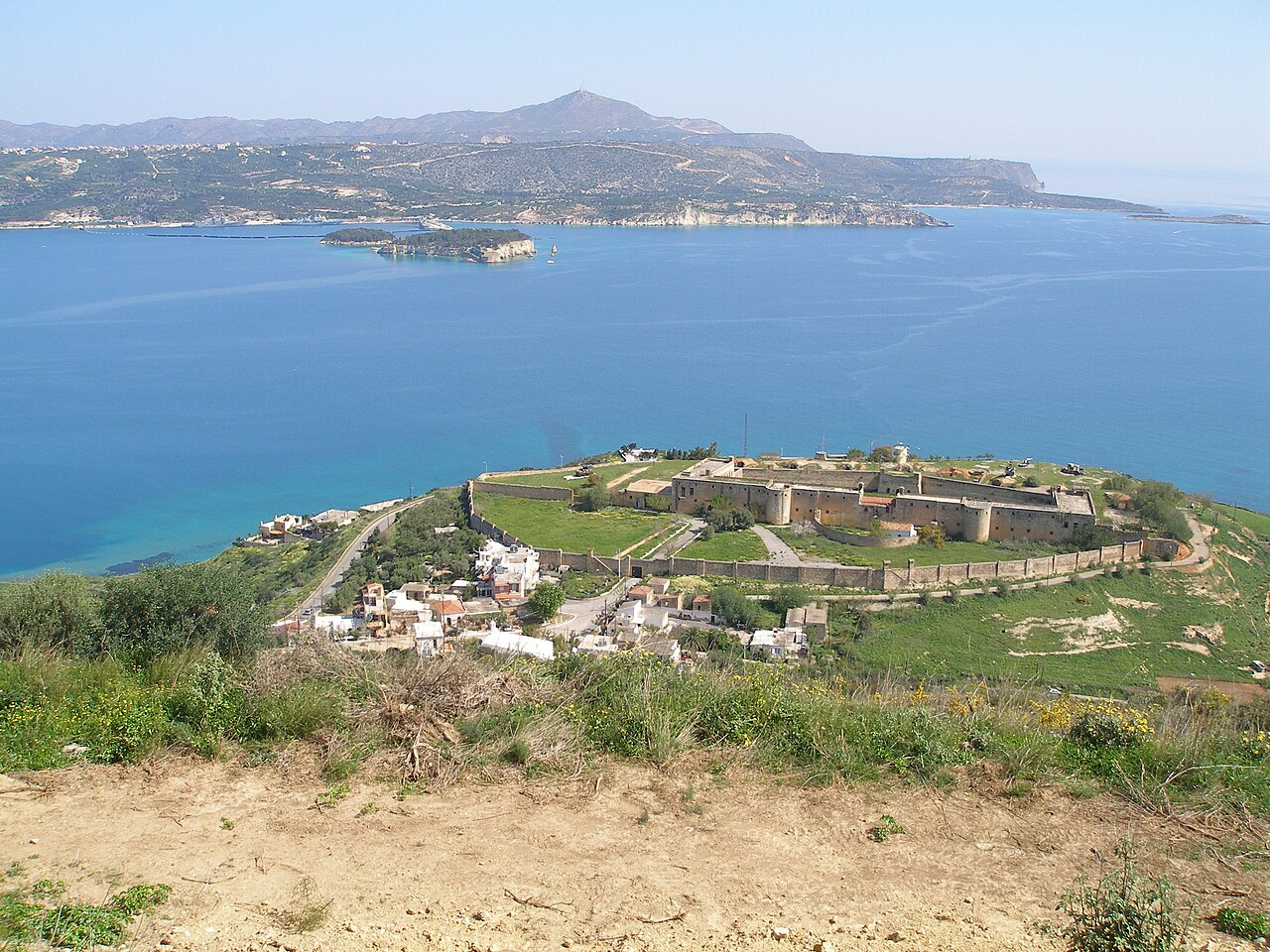
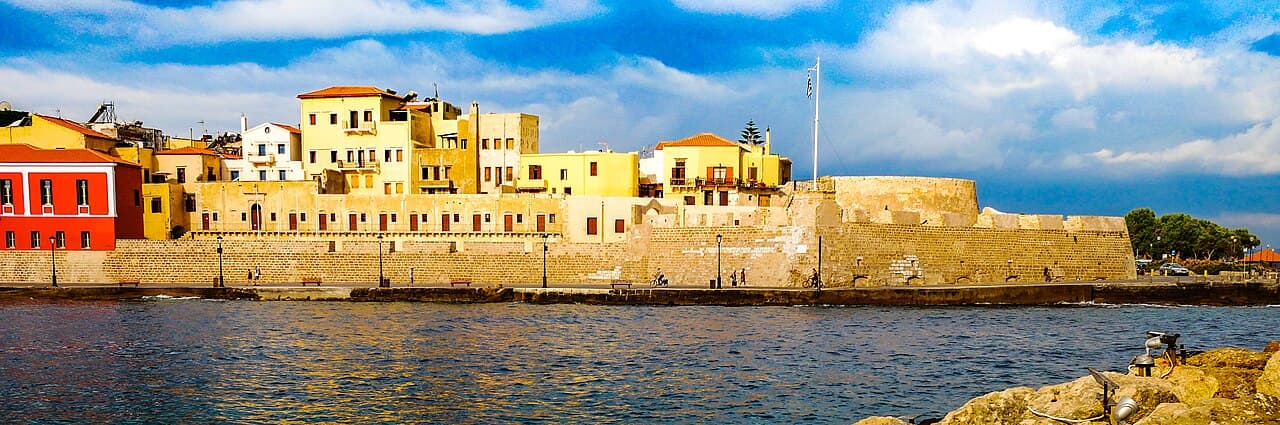
Firka Fortress is a prominent example of Renaissance military architecture located in Greece, constructed in the 17th century. This bastioned fortress was designed to provide robust defense capabilities during a period marked by evolving warfare tactics and the increasing use of artillery.
Historical context and strategic importance
Built during the Renaissance period, Firka Fortress was part of a broader trend across Europe and the Mediterranean to strengthen coastal and strategic fortifications against both naval and land-based threats. Its construction reflects the military innovations of the time, particularly the adoption of bastions—angular structures projecting outward from the main walls—to improve defensive coverage and eliminate blind spots.
Greece, situated at the crossroads of Europe and Asia, was a contested region during the 17th century, facing threats from Ottoman expansion and piracy. Firka Fortress played a crucial role in protecting local populations and maritime routes, serving as a deterrent and a stronghold for controlling access to important harbors or land approaches.
Architectural features and design
Bastioned layout
The fortress is characterized by its bastioned design, a hallmark of Renaissance fortifications. This design includes angular bastions at the corners, which allowed defenders to cover adjacent walls with crossfire, reducing vulnerable areas and enhancing the fortress's ability to withstand artillery bombardment.
Walls and defensive elements
The walls of Firka Fortress are constructed of thick stone masonry, designed to absorb and deflect cannon fire. The fortress likely included ramparts, moats, and curtain walls linking the bastions. These features combined to create a layered defense system that was advanced for its time.
Internal structures
Inside the fortress, there would have been barracks for soldiers, armories for storing weapons and ammunition, and command posts. The layout was planned to facilitate efficient movement of troops and supplies during sieges or attacks.
Military and cultural significance
Firka Fortress represents the evolution of military architecture in response to changing warfare technologies during the Renaissance. Its bastioned design influenced many subsequent fortifications in the region and beyond.
Today, Firka Fortress stands as a cultural monument reflecting Greece's rich history of defense and resilience. It offers valuable insights into the strategic priorities and architectural ingenuity of the 17th century.
Visiting Firka Fortress
While specific details about public access and visitor facilities are limited, Firka Fortress remains an important heritage site. Visitors interested in military history and Renaissance architecture will find the fortress a compelling destination.
Exploring the fortress provides a tangible connection to the past, showcasing the interplay between architecture and military strategy in a historically volatile region.
Frequently asked questions (FAQ)
- How do I get to Firka Fortress?
- Firka Fortress is located in Chania, Greece, and can be easily reached by foot from the city center. Public transportation options, including buses and taxis, are also available for those coming from further away.
- What is the historical significance of Firka Fortress?
- Firka Fortress was built in the early 17th century by the Venetians to protect the harbor of Chania. It has witnessed numerous historical events, serving as a military base and later as a prison, making it an important symbol of the region's turbulent history.
- When was Firka Fortress constructed?
- Construction of Firka Fortress began in 1625 and was completed in 1645. It was designed to bolster the defenses of Chania during the Venetian occupation of Crete.
- Can I enter Firka Fortress?
- Yes, visitors can enter Firka Fortress and explore its impressive architecture and breathtaking views of the harbor. Guided tours are often available, providing insights into the fortress's history and significance.
- Why is Firka Fortress a popular tourist attraction?
- Firka Fortress is popular due to its historical importance, stunning architecture, and picturesque location overlooking the sea. Additionally, it offers visitors a glimpse into the rich cultural heritage of Crete and beautiful photo opportunities.
- Is it possible to visit Firka Fortress year-round?
- Yes, Firka Fortress is open to visitors throughout the year, although hours may vary by season. It is advisable to check the official website or contact local tourism offices for the most current information on opening hours.
- What are the ticket prices for Firka Fortress?
- Admission to Firka Fortress is typically affordable, with reduced rates for students and seniors. It is best to check online or at the entrance for the latest ticket prices and any special offers.
- What is the best time to visit Firka Fortress?
- The best time to visit Firka Fortress is during the spring and fall months when the weather is mild and pleasant. Summers can be quite hot, making early mornings or late afternoons ideal for exploring.
- Are there any nearby attractions to visit after Firka Fortress?
- Yes, after visiting Firka Fortress, you can explore the nearby Venetian Harbor, the Maritime Museum of Crete, and the picturesque old town of Chania. These attractions offer additional insights into the region's rich history and culture.
Photo gallery

Information
Loading map...
Visitor reviews
No reviews yet. Been here? Write the first review and help other travelers!
Write the first reviewVisited this castle? Share your experience
Your review helps other travelers and adds first-hand knowledge to our encyclopedia.