Gräfsnäs Castle Ruins
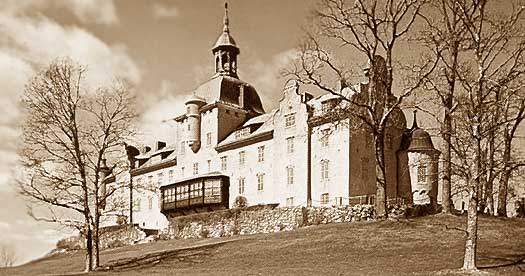
Gräfsnäs Castle ruins stand as a notable example of a Swedish-French Renaissance style fortress originally constructed around 1571. Located near Sollebrunn, Sweden, the castle's remains today include a heavily restored main building characterized by barred windows and encircled by a dry moat, evoking its past defensive purpose.
Historical background and ownership
The castle was initially built in the late 16th century during the Renaissance period, reflecting the architectural transition in Sweden influenced by continental Europe, especially France. Over the centuries, Gräfsnäs Castle passed through the hands of several prominent noble families, including the Leijonhufvud, Sparre, and Holstein-Augustenburg families. Each owner contributed to the castle's legacy, although the structure faced repeated misfortunes.
Architectural features and style
The original castle was designed as a palatial fortress combining residential comfort with military defense, typical of Renaissance castles in Sweden. Its style incorporated elements from the Swedish Renaissance merged with French influences, evident in the layout and ornamental details. The surviving main building, though heavily restored, retains the characteristic barred windows which were both decorative and defensive. The surrounding dry moat marks the defensive perimeter that once protected the castle from invaders.
Layout and fortifications
The castle's layout was typical of Renaissance fortifications, with a central building surrounded by defensive walls and a moat. The dry moat today outlines the perimeter, hinting at the strategic importance of the site. While much of the original structure is lost, the ruins and restored sections provide insight into the castle's former grandeur and defensive capabilities.
Recurring tragedies and decline
A striking aspect of Gräfsnäs Castle's history is its pattern of destruction by fire occurring approximately every hundred years: notably in 1634, 1734, and 1834. Each fire inflicted significant damage, undermining the castle's structural integrity and hastening its decline. After the last major fire in the 19th century, the castle was ultimately abandoned and fell into ruin.
Preservation and current status
Today, the site of Gräfsnäs Castle ruins is recognized for its cultural and historical value. The main building has undergone heavy restoration to preserve its remaining features, including the distinctive barred windows. The castle is classified as a ruins site with partial restoration efforts aimed at maintaining its structural remnants and making the site accessible for visitors interested in Sweden's Renaissance heritage.
Visiting the ruins
Visitors to Gräfsnäs Castle can explore the ruins and appreciate the castle's historical significance within the Swedish landscape. The dry moat and restored sections offer a tangible connection to the past, while the surrounding countryside adds to the site's atmospheric setting.
Legacy and cultural significance
Gräfsnäs Castle remains an important monument illustrating the evolution of Swedish Renaissance architecture and noble estates. Its history of repeated fires and eventual abandonment reflects the challenges faced by many historic castles in Sweden. The castle's association with notable noble families and its architectural style contribute to its status as a heritage site.
Frequently asked questions (FAQ)
- What is Gräfsnäs Castle Ruins?
- Gräfsnäs Castle Ruins is a historical site located in Sollebrunn, Sweden, known for its picturesque remnants of a 16th-century castle. The ruins offer visitors a glimpse into Sweden's past and are surrounded by beautiful landscapes, making it a popular spot for both history enthusiasts and nature lovers.
- When was Gräfsnäs Castle built?
- The original Gräfsnäs Castle was constructed in the 16th century, specifically in the year 1547. It served as a royal residence and played a significant role in Swedish history until it was partially destroyed in the 17th century.
- How do I get to Gräfsnäs Castle Ruins?
- Gräfsnäs Castle Ruins can be easily accessed by car, with ample parking available nearby. Public transport options are limited, but visitors can reach the site via local buses connecting to Sollebrunn.
- Is it possible to visit the castle ruins year-round?
- Yes, Gräfsnäs Castle Ruins is open for visitors year-round, allowing guests to explore the site in all seasons. However, it's advisable to check local weather conditions and any seasonal accessibility updates before planning your visit.
- What are the opening hours for Gräfsnäs Castle Ruins?
- The ruins are generally open to the public from dawn until dusk, allowing for flexible visiting hours. It’s recommended to verify specific opening times during holidays or special events, as they may vary.
- Can I bring my dog to Gräfsnäs Castle Ruins?
- Yes, dogs are welcome at Gräfsnäs Castle Ruins, provided they are kept on a leash. This makes it a great destination for pet owners who want to enjoy the outdoors while exploring historical sites.
- What is the best time to visit Gräfsnäs Castle Ruins?
- The best time to visit Gräfsnäs Castle Ruins is during the spring and summer months when the weather is pleasant and the surrounding gardens are in full bloom. However, autumn also offers stunning foliage, creating a beautiful backdrop for your visit.
- Are there any nearby attractions to see while visiting Gräfsnäs Castle Ruins?
- Yes, nearby attractions include the scenic lake at Gräfsnäs, perfect for a leisurely walk, and the charming village of Sollebrunn, which offers local cafes and shops. Exploring the surrounding nature trails can also enhance your visit.
- What are the ticket prices for Gräfsnäs Castle Ruins?
- Visiting Gräfsnäs Castle Ruins is free of charge, allowing everyone to enjoy the historical site without any cost. Donations to help with the maintenance of the ruins are appreciated, but not mandatory.
Information
Current owner
Private owner
Loading map...
Visitor reviews
No reviews yet. Been here? Write the first review and help other travelers!
Write the first reviewVisited this castle? Share your experience
Your review helps other travelers and adds first-hand knowledge to our encyclopedia.