Gorodok (Zvenigorod) — Russia castle

Gorodok (Zvenigorod)

Gorodok Castle in Zvenigorod, Russia
Zvenigorod, Russia
High Medieval (11th–13th c.)
Archaeological Site

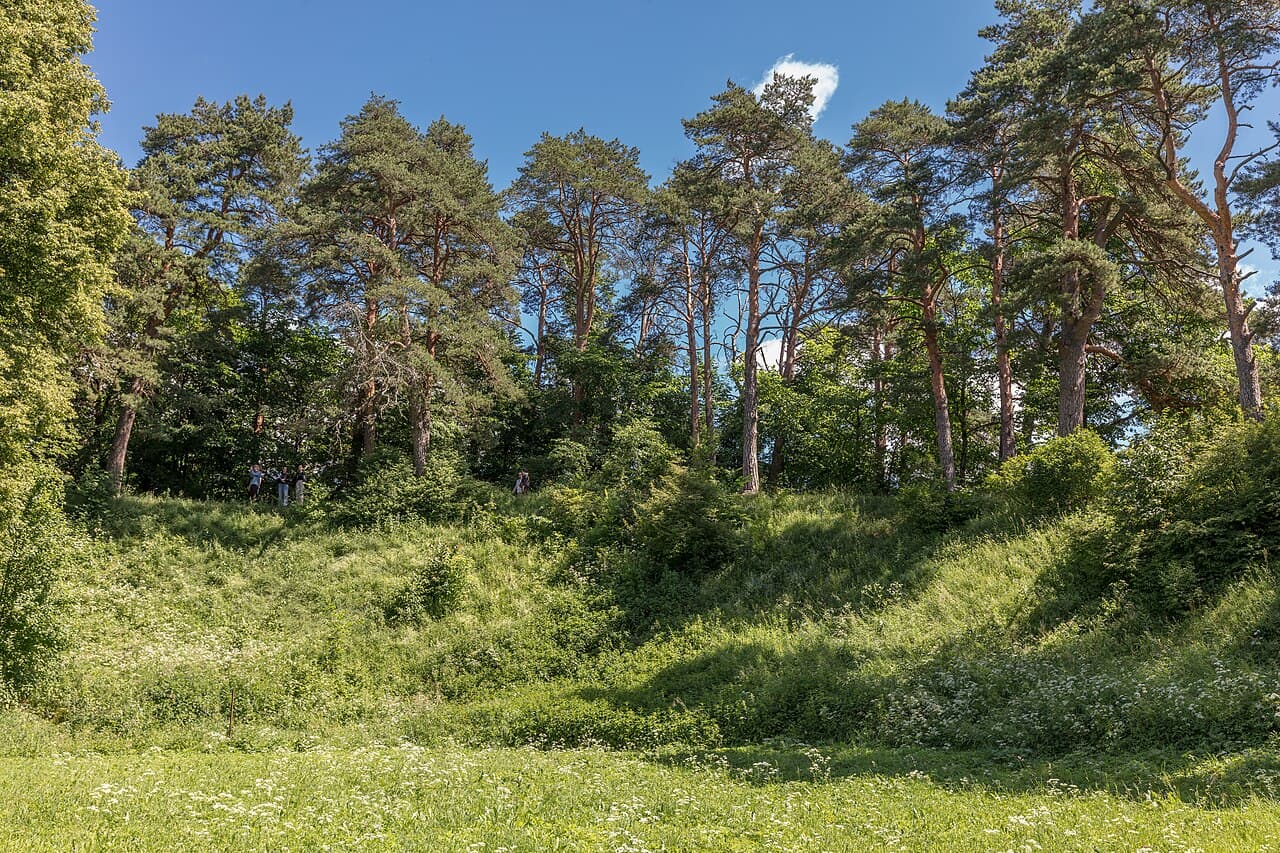
Gorodok Castle, located near the historic town of Zvenigorod in the Russian Federation, is a notable example of a hill castle with origins tracing back to the medieval period. This castle occupies a strategic position atop a hill, which provided natural defensive advantages and commanding views over the surrounding landscape. Though the exact construction date remains uncertain, the castle is associated with the High to Late Medieval era, reflecting the architectural and military developments of that time in the region.

Historical background and significance

The region around Zvenigorod has been historically significant since the early medieval period, serving as a frontier zone and a seat of local power. Gorodok Castle was likely established to protect trade routes and local settlements from invasions and raids common in medieval Rus'. It played a role in regional defense and administration, possibly serving as a fortified residence for local princes or military commanders.

Throughout its history, the castle witnessed various military conflicts and power struggles, reflective of the broader political dynamics in medieval Russia. Its location on a hill made it a formidable defensive structure, deterring attackers and providing refuge during sieges.

Architectural features and layout

The castle's design exemplifies typical hill castle characteristics, utilizing the natural topography for defense. The fortifications likely included stone walls and wooden palisades, though much of the original structure has not survived intact. Archaeological studies suggest the presence of a central keep or donjon, which would have served as the last line of defense and the main residential area.

Surrounding the central stronghold, there may have been courtyards, barracks, and storage facilities, arranged to support a garrison and sustain prolonged defense. The castle's entrance was probably fortified with a gatehouse and defensive towers, typical of medieval Russian military architecture.

Current condition and preservation

Today, Gorodok Castle stands primarily as archaeological ruins. The remains offer valuable insights into medieval fortification techniques and settlement patterns in the region. Preservation efforts focus on protecting these ruins from further decay and facilitating archaeological research to uncover more of the castle's history.

Visitors to the site can observe the castle's layout and some foundational structures, though much of the superstructure has been lost over time. The site is of interest to historians, archaeologists, and tourists intrigued by medieval Russian heritage.

Access and visitor information

The castle is accessible to the public, though facilities are limited due to its status as an archaeological site. Visitors are advised to check local resources for visiting hours and any guided tour availability. The surrounding area offers scenic views and opportunities to explore the historical landscape of Zvenigorod.

Architectural and cultural context

Gorodok Castle reflects the broader tradition of hill castles in medieval Eastern Europe, where natural terrain was integral to defense strategies. Its construction techniques and layout align with those found in other Russian fortifications of the High and Late Medieval periods, characterized by robust stonework combined with wooden defensive elements.

The castle contributes to understanding the military architecture of medieval Rus' and the socio-political environment of the time. It stands as a testament to the region's historical role in trade, defense, and governance.

Frequently asked questions (FAQ)

How do I get to Gorodok Castle in Zvenigorod?
Gorodok Castle is located near Zvenigorod, Russia. Visitors can reach the site by local transport or car from the town center. It is advisable to check local travel options before visiting.
What is the historical significance of Gorodok Castle?
Gorodok Castle served as a medieval hill fortress protecting trade routes and local settlements. It played a defensive role in regional conflicts during the High to Late Medieval period.
Can I explore the ruins of Gorodok Castle?
Yes, visitors can explore the archaeological ruins of Gorodok Castle. While much of the structure is in ruins, the site offers insight into medieval fortification and settlement layouts.
Is there an entrance fee to visit Gorodok Castle?
Currently, there is no widely published information about an entrance fee, suggesting that access to the ruins may be free or minimal cost. Visitors should verify locally.
What architectural features are notable at Gorodok Castle?
The castle features typical hill castle elements such as stone walls, a central keep, fortified gatehouse, and defensive towers, although much has not survived intact.

Photo gallery

Gorodok (Zvenigorod)
Click to view

Photo by Perituss•CC0

1 photo • Click any image to view in full screen

Information

Hill Castle

Loading map...

Visitor reviews

No reviews yet. Been here? Write the first review and help other travelers!

Write the first review

Visited this castle? Share your experience

Your review helps other travelers and adds first-hand knowledge to our encyclopedia.
Write a review

(5/5)

0/2000 characters

Your review will be visible after admin approval

Nearby castles

48.7 km
Post #1 — Russia castle

Post #1

, Russia

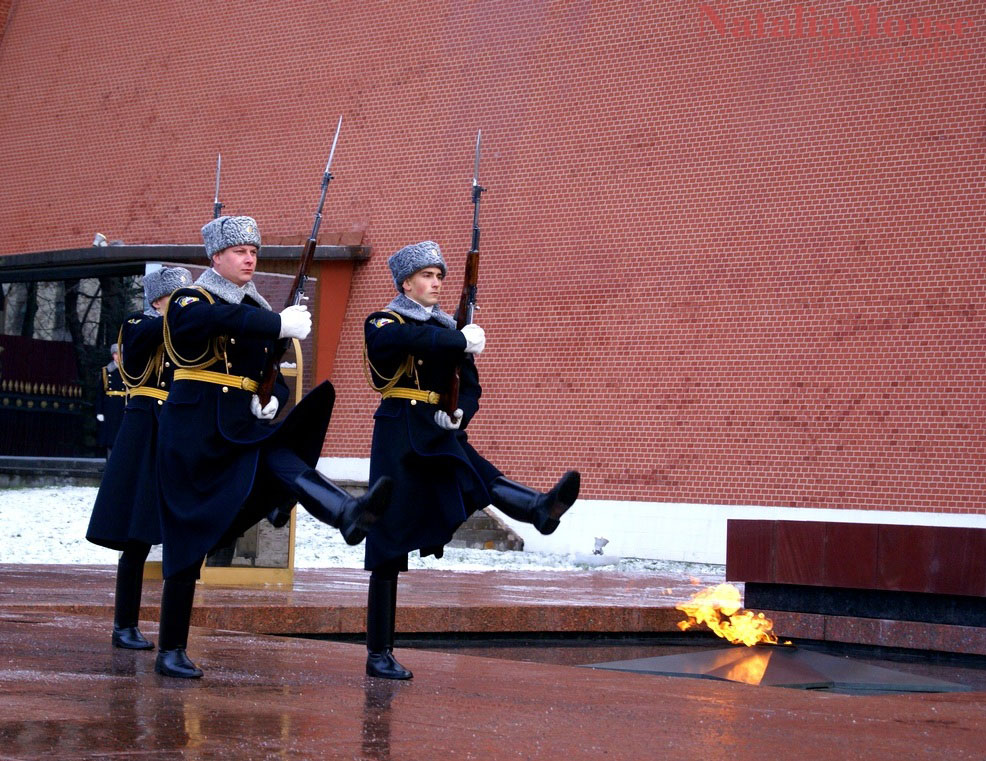
The Honor Guard Post at the Eternal Flame, also known as Post No. 1, is a prominent ceremonial guard post located near the Moscow Kremlin walls in the Alexander Garden. This post is dedicated to guarding the Tomb of the Unknown Soldier, a significant war memorial commemorating Soviet soldiers who died during World War II. The post symbolizes respect and remembrance, serving as a focal point for national ceremonies and military honors. Established originally in 1924 near Lenin's Mausoleum following the death of Vladimir Lenin, the guard post was part of the Soviet tradition of honoring fallen leaders and soldiers. In 1993, the post was abolished by decree of President Boris Yeltsin, reflecting the transitional period in post-Soviet Russia. However, it was reinstated in 1997 in its current location near the Tomb of the Unknown Soldier, reaffirming its role in Russian state ceremonial life. Location and significance The post is situated within the Alexander Garden, adjacent to the Moscow Kremlin, one of Russia's most iconic historic and political sites. The Tomb of the Unknown Soldier itself is a revered monument, marked by an eternal flame that burns in memory of the unidentified soldiers who sacrificed their lives during the Great Patriotic War (World War II). The guard post's proximity to this monument underscores its symbolic importance in honoring military valor and national pride. Architectural and structural features Unlike traditional castles or fortresses, the Honor Guard Post is a modern ceremonial structure rather than a defensive or residential castle. It does not feature typical castle elements such as towers, battlements, or moats. Instead, the post is characterized by its solemn and minimalistic design, emphasizing dignity and respect. The guard post includes a designated platform where the honor guards perform their duties, standing vigil in precise, ritualized movements. Guard duty and ceremonial role The guard duty at Post No. 1 is performed by servicemen of the Presidential Regiment, an elite unit responsible for protecting the Kremlin and participating in state ceremonies. The honor guards wear distinctive uniforms and conduct highly disciplined, choreographed routines that attract both Russian citizens and tourists. The changing of the guard ceremony is a popular attraction, symbolizing the continuity of military tradition and the nation's remembrance of its fallen heroes. Historical context and restoration The establishment of the guard post in 1924 was closely tied to the Soviet era's emphasis on commemorating revolutionary leaders and war heroes. Its abolition in 1993 reflected the political changes following the dissolution of the Soviet Union, while its restoration in 1997 marked a revival of national traditions under the Russian Federation. Since then, the post has remained an enduring symbol of respect for military sacrifice and state authority. Visiting information The Honor Guard Post is accessible to visitors year-round as part of the Alexander Garden complex near the Kremlin. Visitors can witness the ceremonial guard changes and pay respects at the Tomb of the Unknown Soldier. While there is no entrance fee for viewing the post or the memorial, visitors are advised to check the schedule for the guard changing ceremonies to experience the full ceremonial display.

Contemporary (20th–21st c.)
Details
48.7 km
Kremlin — Russia castle

Kremlin

, Russia

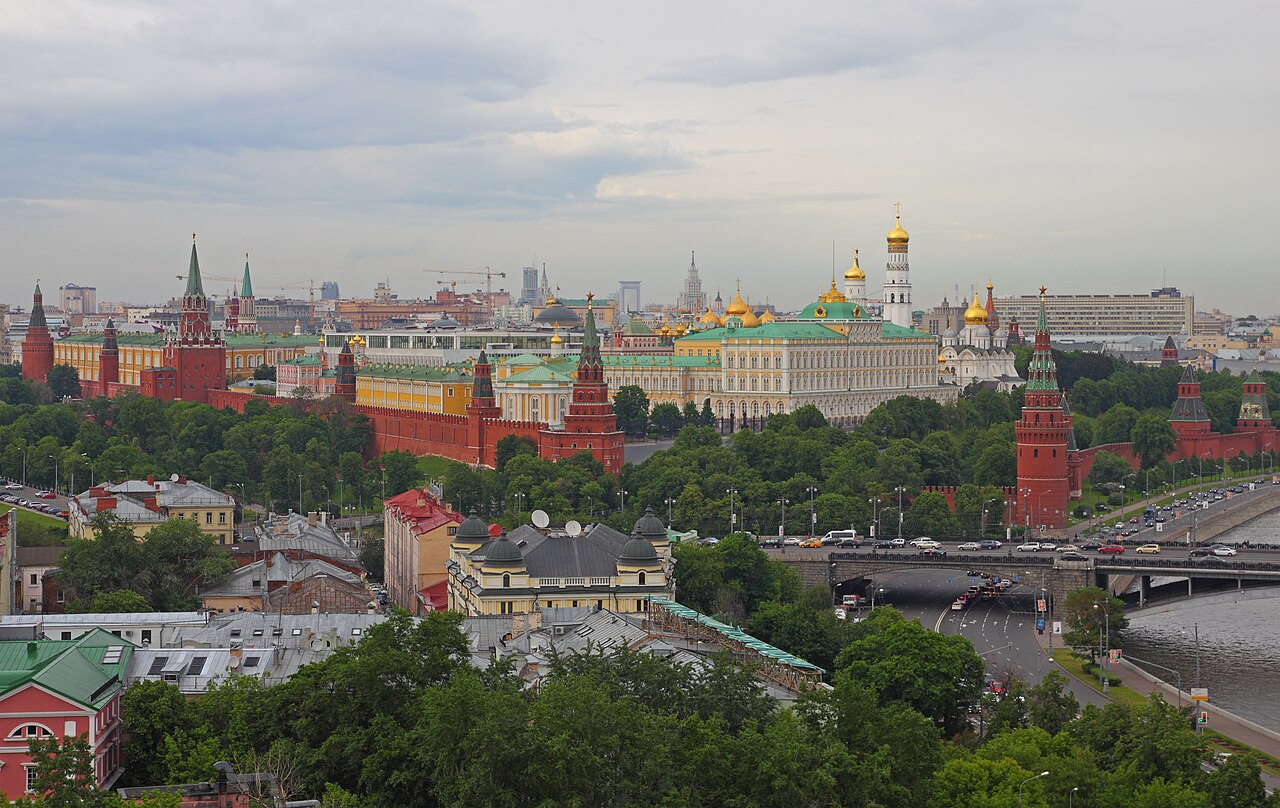
The Moscow Kremlin is a historic fortified complex located in the heart of Moscow, the capital of the Russian Federation. As the most iconic symbol of Russian political power and heritage, the Kremlin stands on the elevated Moscow Kremlin Hill overlooking the Moskva River. This vast complex is not only a fortress but also a cultural and administrative center, featuring an array of architectural masterpieces from different periods. Historical background and construction phases The site of the Kremlin has been inhabited since the 2nd millennium BC, but the fortified complex as it is known today began to take shape in the late medieval period, primarily during the 15th century. The current walls and towers were constructed under the supervision of Italian architects invited by Ivan III (Ivan the Great) to modernize the fortress and reinforce Moscow's defenses. This period marked a significant transformation, replacing earlier wooden fortifications with imposing red brick walls and fortified towers that define the Kremlin's silhouette today. The Kremlin's walls stretch approximately 2,235 meters and are punctuated by 20 towers, each with distinctive architectural features and defensive functions. The walls are up to 19 meters high and 6.5 meters thick, embodying the bastioned fortress design principles that were advanced for their time, blending traditional Russian fortification techniques with Renaissance military architecture introduced by the Italian masters. Architectural composition and significant buildings The Moscow Kremlin is a complex of multiple structures, including five palaces, four cathedrals, and numerous administrative and military buildings. Among these, the Grand Kremlin Palace stands as a centerpiece. Built in the 19th century on the site of the former royal palace, it served as the residence of the Tsars and today functions as the official residence of the President of the Russian Federation. The cathedrals within the Kremlin are outstanding examples of Russian Orthodox architecture, including the Assumption Cathedral, the Archangel Cathedral, the Annunciation Cathedral, and the Church of the Deposition of the Robe. These sacred buildings feature traditional Russian onion domes, intricate frescoes, and iconostasis that reflect the religious and cultural history of Russia. Other notable structures include the Ivan the Great Bell Tower, which dominates the skyline with its height and served both religious and defensive purposes. The tower was the tallest structure in Moscow for centuries and remains a symbol of the Kremlin's spiritual and temporal authority. Strategic location and defensive features Strategically positioned on the Moskva River's banks, the Kremlin was designed to protect the city from invasions and served as a military stronghold. The bastioned fortress layout incorporates thick walls, battlements, and towers with arrow slits and artillery placements, reflecting advances in military technology of the late medieval and early Renaissance periods. The Kremlin's location also commands views over Red Square and the Alexander Garden, allowing control over key access points to the city. The moat and drawbridges historically added layers of defense, although much of the moat has since been filled in or repurposed. Cultural and political significance Beyond its military role, the Moscow Kremlin has been the seat of Russian rulers for centuries. It was the residence of the Tsars, the headquarters of the Soviet government, and now the official residence of the President of Russia. The Kremlin embodies the continuity of Russian statehood and governance. It is also a UNESCO World Heritage Site, recognized for its outstanding universal value as a cultural and historical monument. The Kremlin attracts millions of visitors annually, offering insight into Russia's architectural evolution, religious traditions, and political history. Preservation and public access The Kremlin is well preserved and maintained as a museum complex and government center. Visitors can explore the grounds, including the cathedrals and palaces, with guided tours available to provide historical context. Certain areas are restricted due to their governmental functions. Opening hours and ticket prices vary seasonally, with special events and exhibitions held regularly. Accessibility improvements have been made to accommodate visitors with disabilities.

Late Medieval (14th–15th c.)
Details
49 km
Spasskaya Tower — Russia castle

Spasskaya Tower

Moscow, Russia

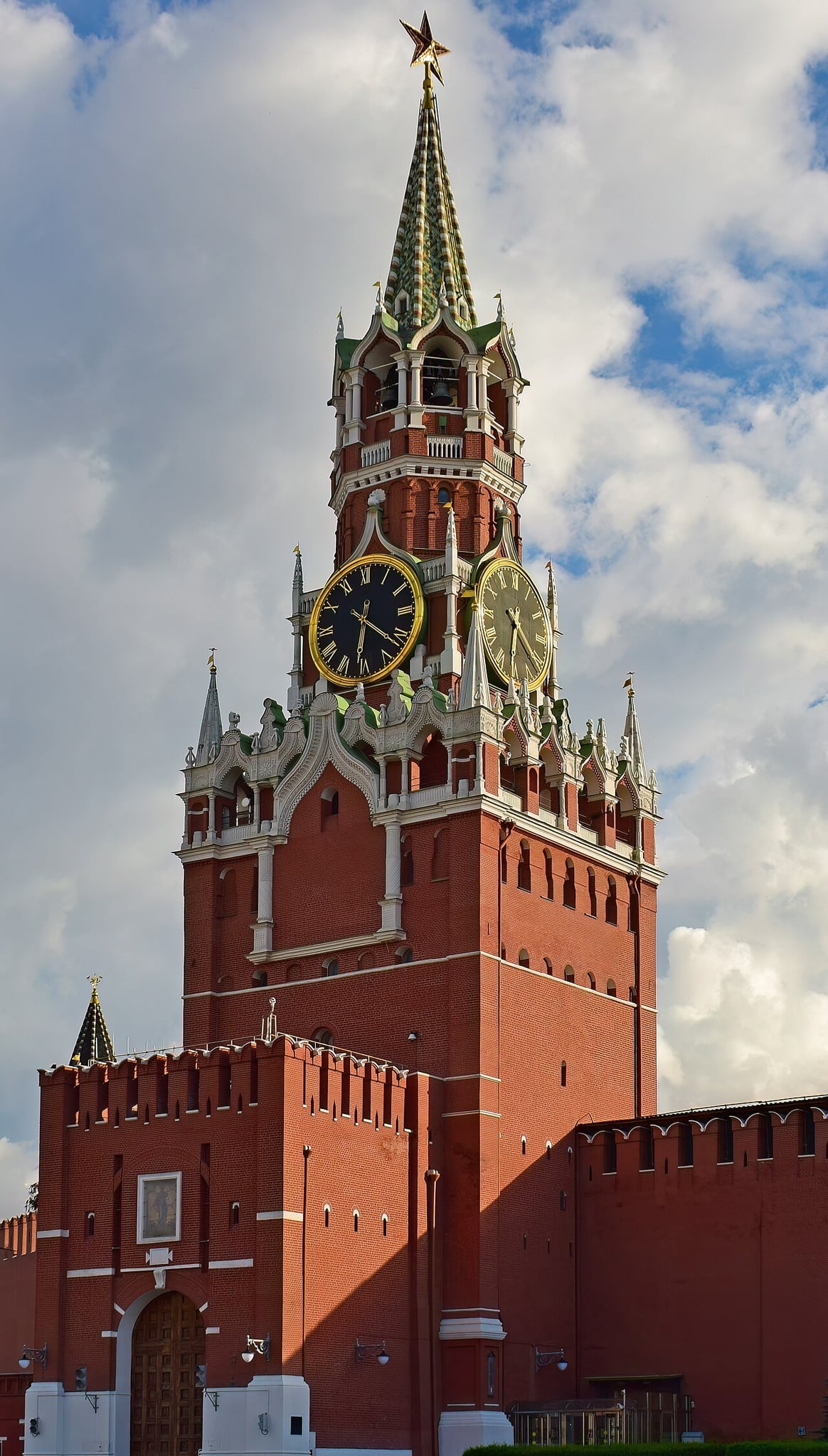
The Spasskaya Tower (Russian: Спасская башня, romanized: Spasskaya bashnya), also known as the Saviour Tower, is the principal tower on the eastern wall of the Moscow Kremlin, facing the historic Red Square. Constructed in the 15th century, it stands as a prominent symbol of Russian heritage and architecture, combining defensive and ceremonial functions within the Kremlin complex. Historical context and construction The Spasskaya Tower was built in 1491 by the Italian architect Pietro Antonio Solari, who was commissioned by Ivan III (Ivan the Great) during the period of the Kremlin's major reconstruction. This era marked the transformation of Moscow into a fortified political and religious center, with the Kremlin walls and towers rebuilt in a late medieval style incorporating Italian Renaissance military architectural principles. Originally designed as a fortified gate tower, the Spasskaya Tower served as the main entrance to the Kremlin from Red Square. Its strategic position was vital for controlling access to the seat of Russian power. The tower's name derives from the icon of the Holy Saviour that was once placed above its gate, making it a sacred and ceremonial portal as well as a military structure. Architectural features and design The Spasskaya Tower features a distinctive bastioned fortress design, characterized by its robust brick construction, crenellated battlements, and a high, tapering spire topped with a red star, a Soviet-era addition replacing the original double-headed eagle. The tower rises approximately 71 meters (233 feet) tall, making it one of the tallest Kremlin towers. Its architecture blends late medieval Russian fortification techniques with Italian Renaissance influences, visible in the tower's elegant proportions and decorative details. The tower includes a large clock mechanism known as the Kremlin chimes, installed in the 17th century and upgraded multiple times since. This clock is a cultural symbol, marking official time and signaling important events. The tower's gate was historically adorned with religious icons and was traditionally closed during times of war or mourning. This gate was also the ceremonial entrance for tsars and foreign dignitaries, underscoring its significance beyond military defense. Cultural and symbolic significance The Spasskaya Tower has played an important role in Russian history and culture. It is often featured in ceremonies, including military parades and state celebrations held on Red Square. The tower's chimes are broadcast on national radio, marking the New Year and other significant occasions. Its image is one of the most recognized symbols of Moscow and Russia, appearing in countless artworks, photographs, and official emblems. The tower's religious iconography and its role as a gateway to the Kremlin have imbued it with a spiritual dimension, linking it to the Orthodox Christian tradition. Preservation and current status The Spasskaya Tower is well preserved and remains an integral part of the Moscow Kremlin, which is a UNESCO World Heritage Site. It continues to function as a ceremonial gateway and a tourist attraction, drawing visitors from around the world who come to admire its architecture and historical importance. Ongoing conservation efforts ensure the tower's structural stability and the maintenance of its iconic features, including the clock and the star. The Kremlin administration manages the site, balancing public access with the protection of this historic monument. Visiting the spasskaya tower and the kremlin Visitors to the Moscow Kremlin can view the Spasskaya Tower from Red Square, where its striking silhouette dominates the skyline. Access inside the tower itself is typically restricted, but the surrounding Kremlin complex offers extensive opportunities to explore Russian history and architecture. The Kremlin is open to the public with varying hours depending on the season, and tickets are required for entry to certain areas. Guided tours often include detailed explanations of the tower's history and its role within the Kremlin's fortifications.

Late Medieval (14th–15th c.)
Details