Spasskaya Tower
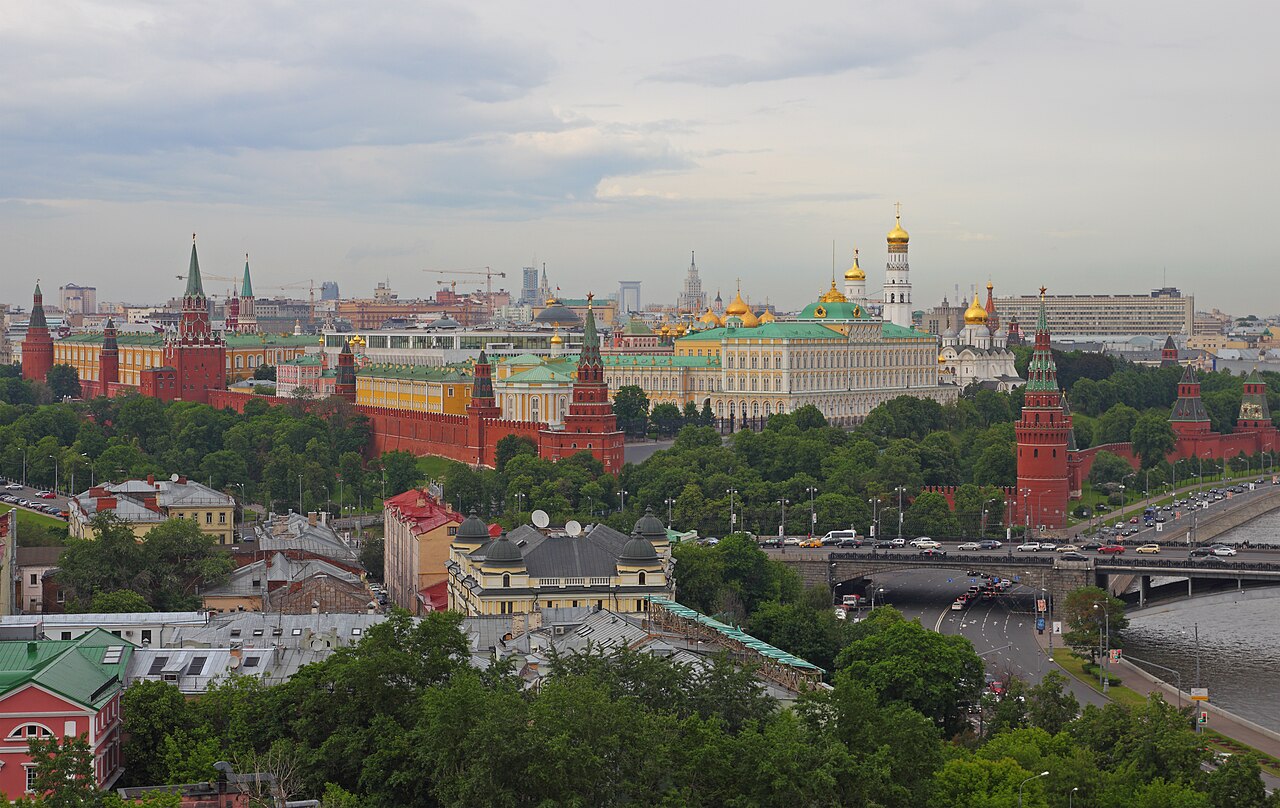
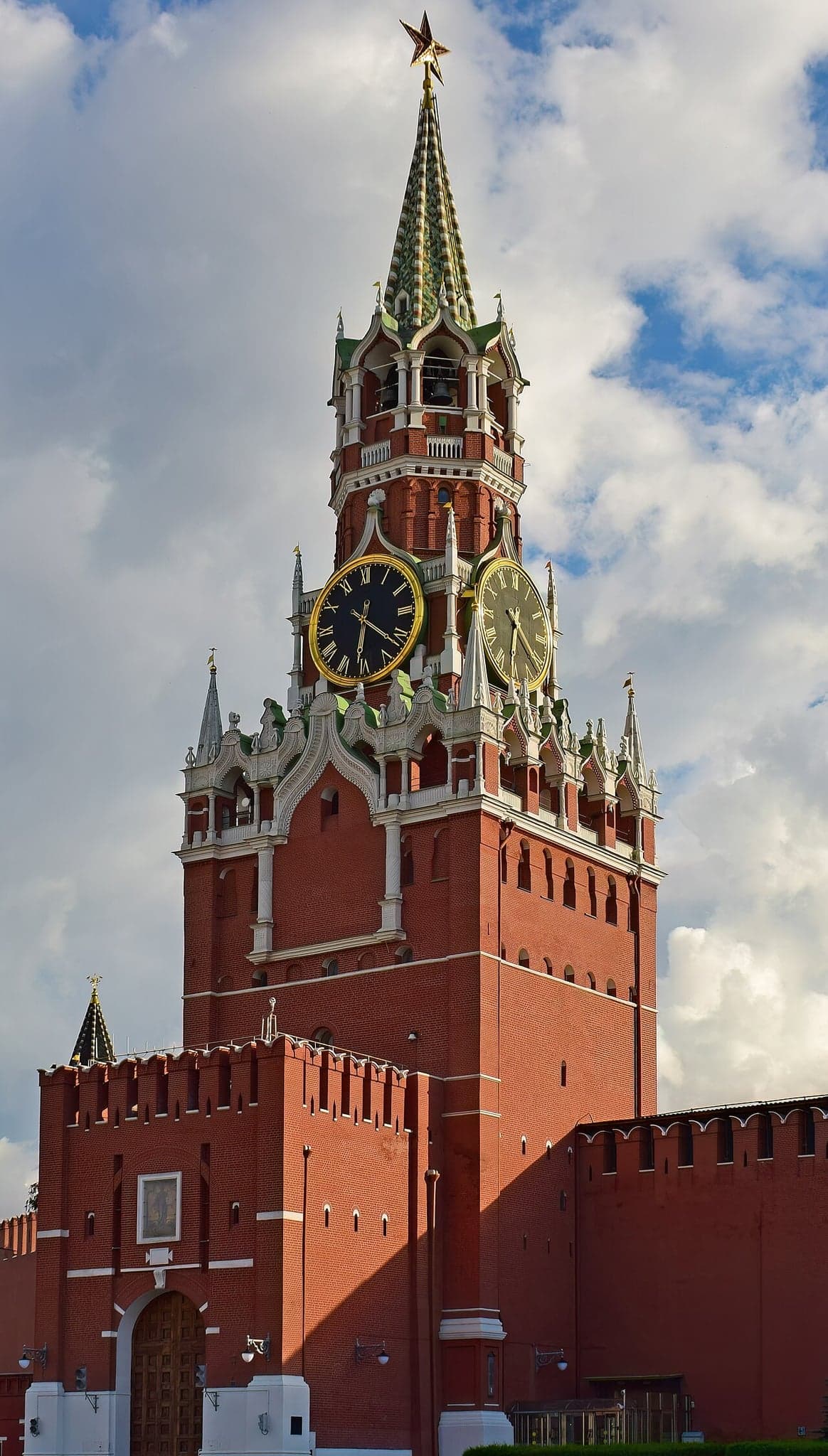
The Spasskaya Tower (Russian: Спасская башня, romanized: Spasskaya bashnya), also known as the Saviour Tower, is the principal tower on the eastern wall of the Moscow Kremlin, facing the historic Red Square. Constructed in the 15th century, it stands as a prominent symbol of Russian heritage and architecture, combining defensive and ceremonial functions within the Kremlin complex.
Historical context and construction
The Spasskaya Tower was built in 1491 by the Italian architect Pietro Antonio Solari, who was commissioned by Ivan III (Ivan the Great) during the period of the Kremlin's major reconstruction. This era marked the transformation of Moscow into a fortified political and religious center, with the Kremlin walls and towers rebuilt in a late medieval style incorporating Italian Renaissance military architectural principles.
Originally designed as a fortified gate tower, the Spasskaya Tower served as the main entrance to the Kremlin from Red Square. Its strategic position was vital for controlling access to the seat of Russian power. The tower's name derives from the icon of the Holy Saviour that was once placed above its gate, making it a sacred and ceremonial portal as well as a military structure.
Architectural features and design
The Spasskaya Tower features a distinctive bastioned fortress design, characterized by its robust brick construction, crenellated battlements, and a high, tapering spire topped with a red star, a Soviet-era addition replacing the original double-headed eagle. The tower rises approximately 71 meters (233 feet) tall, making it one of the tallest Kremlin towers.
Its architecture blends late medieval Russian fortification techniques with Italian Renaissance influences, visible in the tower's elegant proportions and decorative details. The tower includes a large clock mechanism known as the Kremlin chimes, installed in the 17th century and upgraded multiple times since. This clock is a cultural symbol, marking official time and signaling important events.
The tower's gate was historically adorned with religious icons and was traditionally closed during times of war or mourning. This gate was also the ceremonial entrance for tsars and foreign dignitaries, underscoring its significance beyond military defense.
Cultural and symbolic significance
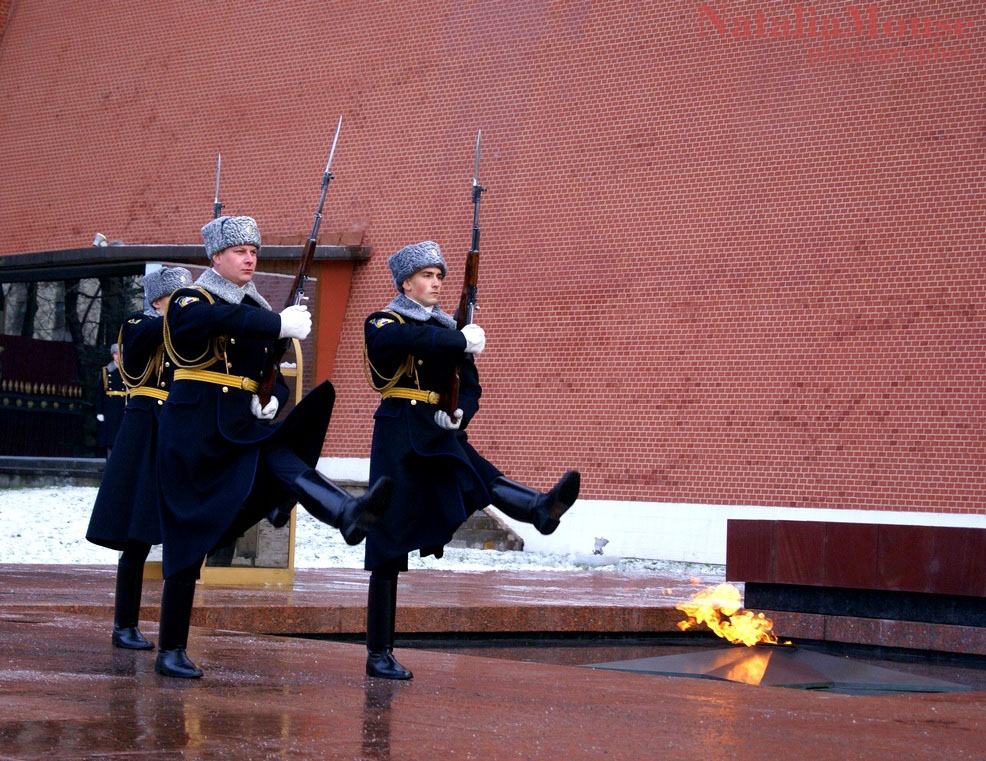
The Spasskaya Tower has played an important role in Russian history and culture. It is often featured in ceremonies, including military parades and state celebrations held on Red Square. The tower's chimes are broadcast on national radio, marking the New Year and other significant occasions.
Its image is one of the most recognized symbols of Moscow and Russia, appearing in countless artworks, photographs, and official emblems. The tower's religious iconography and its role as a gateway to the Kremlin have imbued it with a spiritual dimension, linking it to the Orthodox Christian tradition.
Preservation and current status
The Spasskaya Tower is well preserved and remains an integral part of the Moscow Kremlin, which is a UNESCO World Heritage Site. It continues to function as a ceremonial gateway and a tourist attraction, drawing visitors from around the world who come to admire its architecture and historical importance.
Ongoing conservation efforts ensure the tower's structural stability and the maintenance of its iconic features, including the clock and the star. The Kremlin administration manages the site, balancing public access with the protection of this historic monument.
Visiting the spasskaya tower and the kremlin
Visitors to the Moscow Kremlin can view the Spasskaya Tower from Red Square, where its striking silhouette dominates the skyline. Access inside the tower itself is typically restricted, but the surrounding Kremlin complex offers extensive opportunities to explore Russian history and architecture.
The Kremlin is open to the public with varying hours depending on the season, and tickets are required for entry to certain areas. Guided tours often include detailed explanations of the tower's history and its role within the Kremlin's fortifications.
Frequently asked questions (FAQ)
- When was the Spasskaya Tower built?
- The Spasskaya Tower was constructed in 1491 by the Italian architect Pietro Antonio Solari during the reign of Ivan III.
- What is the architectural style of the Spasskaya Tower?
- The tower combines late medieval Russian fortification techniques with Italian Renaissance influences, reflecting its 15th-century origins.
- Can visitors enter the Spasskaya Tower?
- Access inside the Spasskaya Tower is generally restricted, but visitors can view it from Red Square and explore the surrounding Kremlin complex.
- Why is the Spasskaya Tower significant?
- It serves as the main ceremonial gateway to the Moscow Kremlin and features the famous Kremlin chimes clock, making it a symbol of Russian heritage.
- What are the visiting hours for the Moscow Kremlin?
- The Moscow Kremlin is typically open daily, with hours varying seasonally. Visitors should check official sources for current times and ticket information.
Photo gallery

Information
Current owner
State museum
Loading map...
Visitor reviews
No reviews yet. Been here? Write the first review and help other travelers!
Write the first reviewVisited this castle? Share your experience
Your review helps other travelers and adds first-hand knowledge to our encyclopedia.