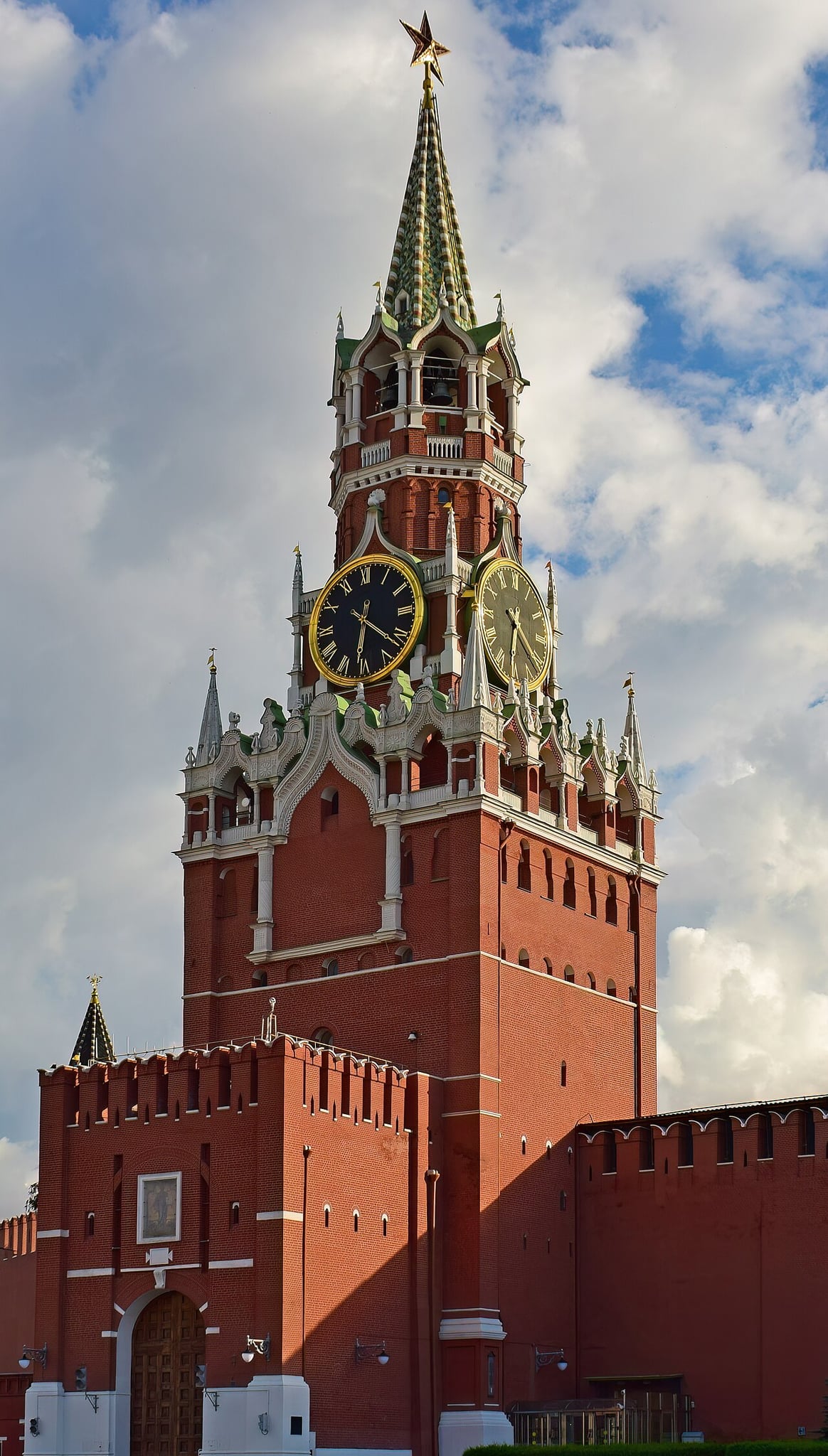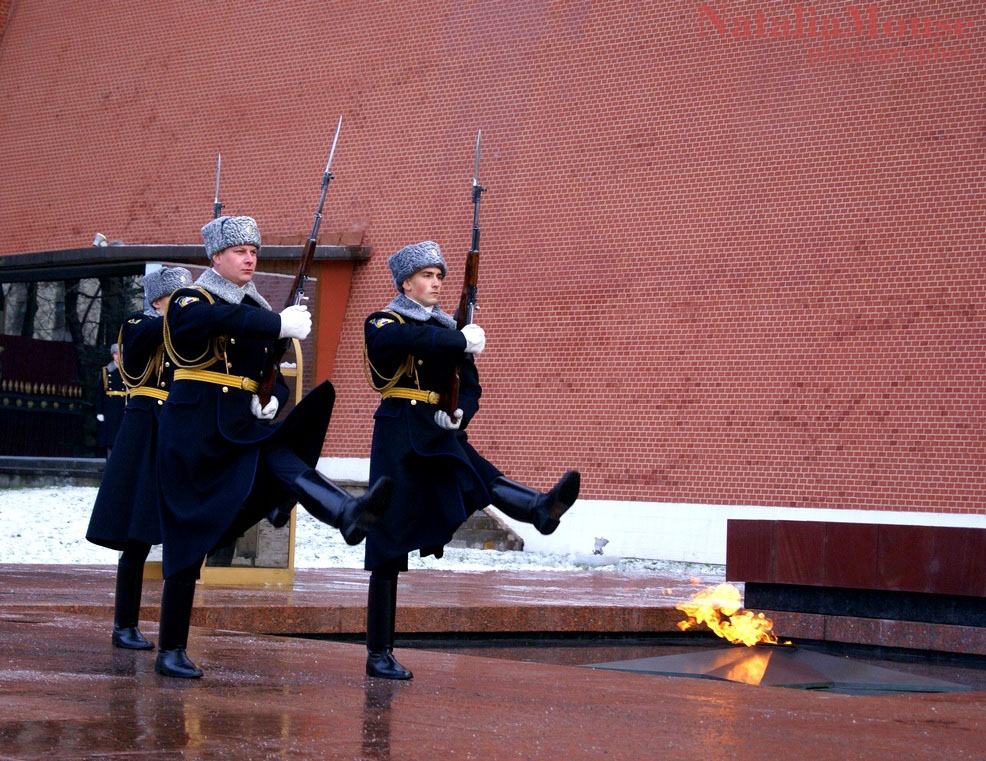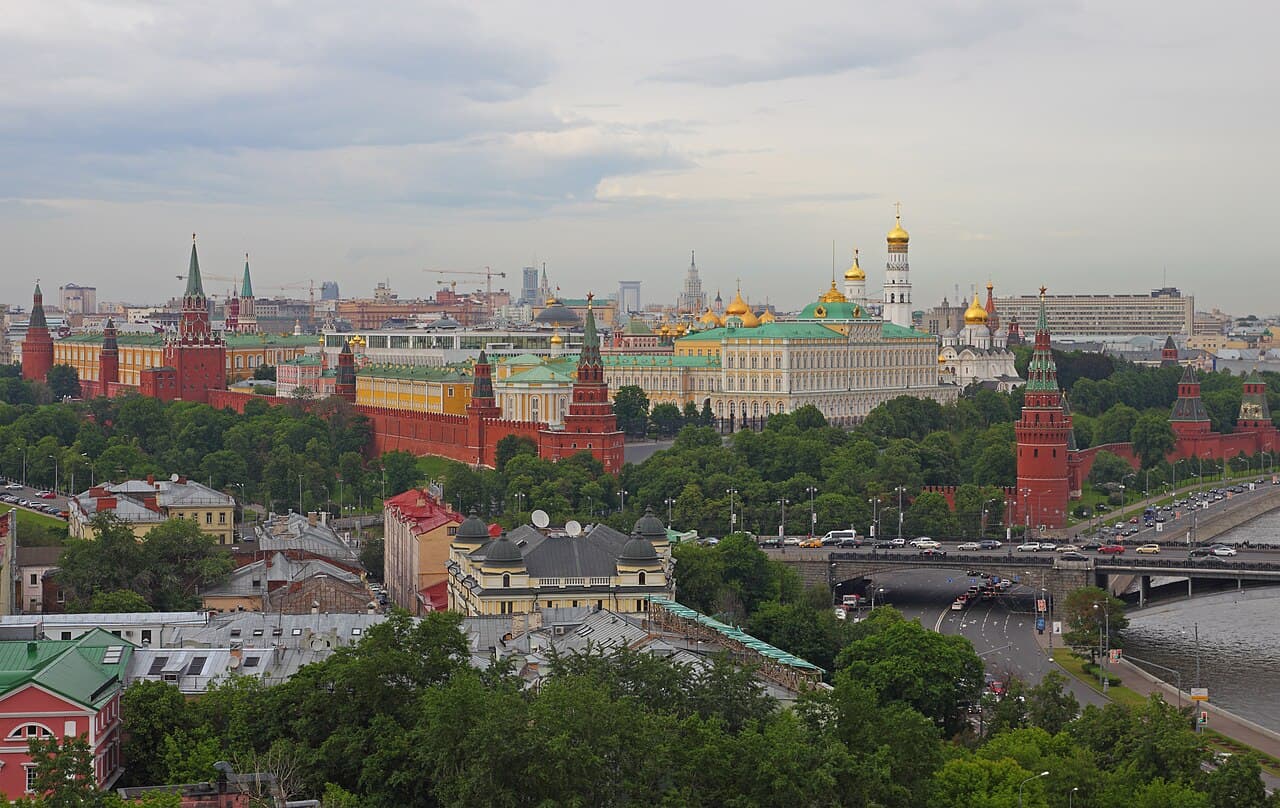
The Moscow Kremlin is a historic fortified complex located in the heart of Moscow, the capital of the Russian Federation. As the most iconic symbol of Russian political power and heritage, the Kremlin stands on the elevated Moscow Kremlin Hill overlooking the Moskva River. This vast complex is not only a fortress but also a cultural and administrative center, featuring an array of architectural masterpieces from different periods.
Historical background and construction phases
The site of the Kremlin has been inhabited since the 2nd millennium BC, but the fortified complex as it is known today began to take shape in the late medieval period, primarily during the 15th century. The current walls and towers were constructed under the supervision of Italian architects invited by Ivan III (Ivan the Great) to modernize the fortress and reinforce Moscow's defenses. This period marked a significant transformation, replacing earlier wooden fortifications with imposing red brick walls and fortified towers that define the Kremlin's silhouette today.
The Kremlin's walls stretch approximately 2,235 meters and are punctuated by 20 towers, each with distinctive architectural features and defensive functions. The walls are up to 19 meters high and 6.5 meters thick, embodying the bastioned fortress design principles that were advanced for their time, blending traditional Russian fortification techniques with Renaissance military architecture introduced by the Italian masters.
Architectural composition and significant buildings
The Moscow Kremlin is a complex of multiple structures, including five palaces, four cathedrals, and numerous administrative and military buildings. Among these, the Grand Kremlin Palace stands as a centerpiece. Built in the 19th century on the site of the former royal palace, it served as the residence of the Tsars and today functions as the official residence of the President of the Russian Federation.
The cathedrals within the Kremlin are outstanding examples of Russian Orthodox architecture, including the Assumption Cathedral, the Archangel Cathedral, the Annunciation Cathedral, and the Church of the Deposition of the Robe. These sacred buildings feature traditional Russian onion domes, intricate frescoes, and iconostasis that reflect the religious and cultural history of Russia.
Other notable structures include the Ivan the Great Bell Tower, which dominates the skyline with its height and served both religious and defensive purposes. The tower was the tallest structure in Moscow for centuries and remains a symbol of the Kremlin's spiritual and temporal authority.
Strategic location and defensive features
Strategically positioned on the Moskva River's banks, the Kremlin was designed to protect the city from invasions and served as a military stronghold. The bastioned fortress layout incorporates thick walls, battlements, and towers with arrow slits and artillery placements, reflecting advances in military technology of the late medieval and early Renaissance periods.
The Kremlin's location also commands views over Red Square and the Alexander Garden, allowing control over key access points to the city. The moat and drawbridges historically added layers of defense, although much of the moat has since been filled in or repurposed.
Cultural and political significance
Beyond its military role, the Moscow Kremlin has been the seat of Russian rulers for centuries. It was the residence of the Tsars, the headquarters of the Soviet government, and now the official residence of the President of Russia. The Kremlin embodies the continuity of Russian statehood and governance.
It is also a UNESCO World Heritage Site, recognized for its outstanding universal value as a cultural and historical monument. The Kremlin attracts millions of visitors annually, offering insight into Russia's architectural evolution, religious traditions, and political history.
Preservation and public access
The Kremlin is well preserved and maintained as a museum complex and government center. Visitors can explore the grounds, including the cathedrals and palaces, with guided tours available to provide historical context. Certain areas are restricted due to their governmental functions.
Opening hours and ticket prices vary seasonally, with special events and exhibitions held regularly. Accessibility improvements have been made to accommodate visitors with disabilities.
Frequently asked questions (FAQ)
- How do I get to the Kremlin?
- The Kremlin is located in the heart of Moscow and is easily accessible by public transport. You can take the metro to the Alexander Garden station or several bus routes that pass nearby. Walking from Red Square also provides a scenic route to the entrance.
- What is the historical significance of the Kremlin?
- The Kremlin is a UNESCO World Heritage Site and serves as a symbol of Russian statehood and power. It has been the residence of Russian tsars, Soviet leaders, and is currently the official residence of the President of Russia. Its rich history dates back to the 12th century, making it a pivotal landmark in Russian history.
- When was the Kremlin built?
- The original construction of the Kremlin began in the 12th century, with various structures added and modified over the centuries. The iconic red brick walls were constructed in the late 15th century under the direction of Italian architects. The Kremlin has evolved significantly, reflecting the architectural styles and political changes throughout its long history.
- Why is the Kremlin considered a masterpiece of architecture?
- The Kremlin showcases a blend of Russian and European architectural styles, with its stunning cathedrals, palaces, and fortified walls. Its most notable structures, such as the Assumption Cathedral and the Ivan the Great Bell Tower, exemplify the grandeur of Russian architecture. The intricate frescoes and unique designs make it a fascinating site for architecture enthusiasts.
- Is it possible to visit the Kremlin at night?
- While the Kremlin itself is not open for night visits, the surrounding area, including Red Square, is beautifully illuminated and can be explored in the evening. Special events and festivals may also take place at night, providing a unique experience of the historical site. Checking the official schedule can offer insights into any nighttime activities.
- What are the opening hours of the Kremlin?
- The Kremlin is generally open from 10:00 AM to 5:00 PM, with last admission typically at 4:00 PM. However, these hours can vary depending on the season and specific events, so it is recommended to check the official website for any updates before your visit.
- What are the ticket prices for the Kremlin?
- Ticket prices for the Kremlin vary based on the areas you wish to visit and whether you opt for a guided tour. As of now, general admission tickets range from 700 to 1000 rubles. Discounts are often available for students and groups, so it's worth inquiring about these options when purchasing your tickets.
- What nearby attractions should I visit while at the Kremlin?
- While visiting the Kremlin, you can easily explore nearby attractions such as Red Square, St. Basil's Cathedral, and the State Historical Museum. The Bolshoi Theatre and the GUM shopping arcade are also within walking distance, providing a rich cultural experience. Each of these sites adds to the historical significance of the area.
Photo gallery

Information
Loading map...
Visitor reviews
No reviews yet. Been here? Write the first review and help other travelers!
Write the first reviewVisited this castle? Share your experience
Your review helps other travelers and adds first-hand knowledge to our encyclopedia.