Gődény Castle, Balkány — Hungary castle

Gődény Castle, Balkány

Gődény Castle in Balkány, Hungary
Balkány, Hungary
High Medieval (11th–13th c.)
Ruins

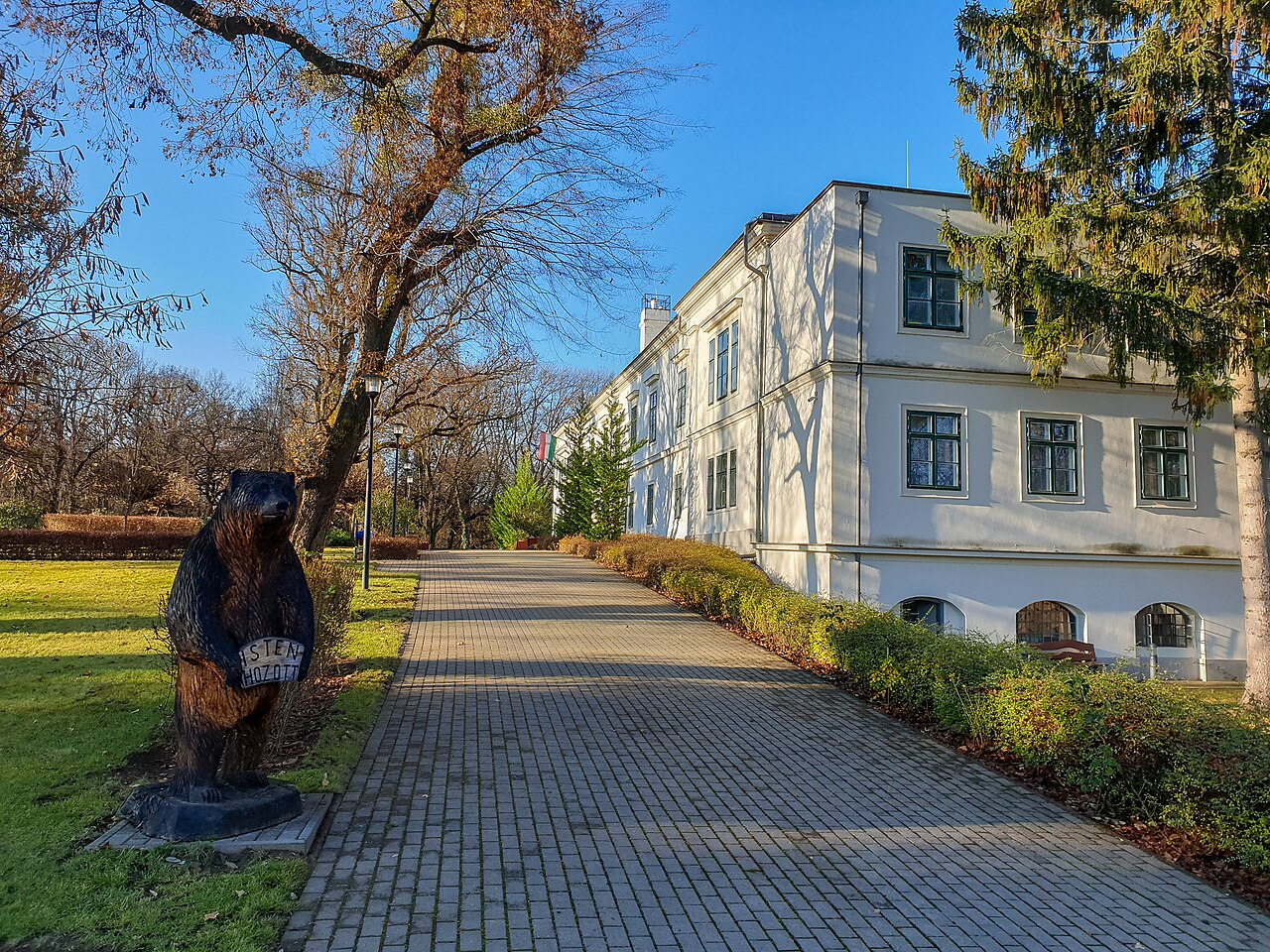
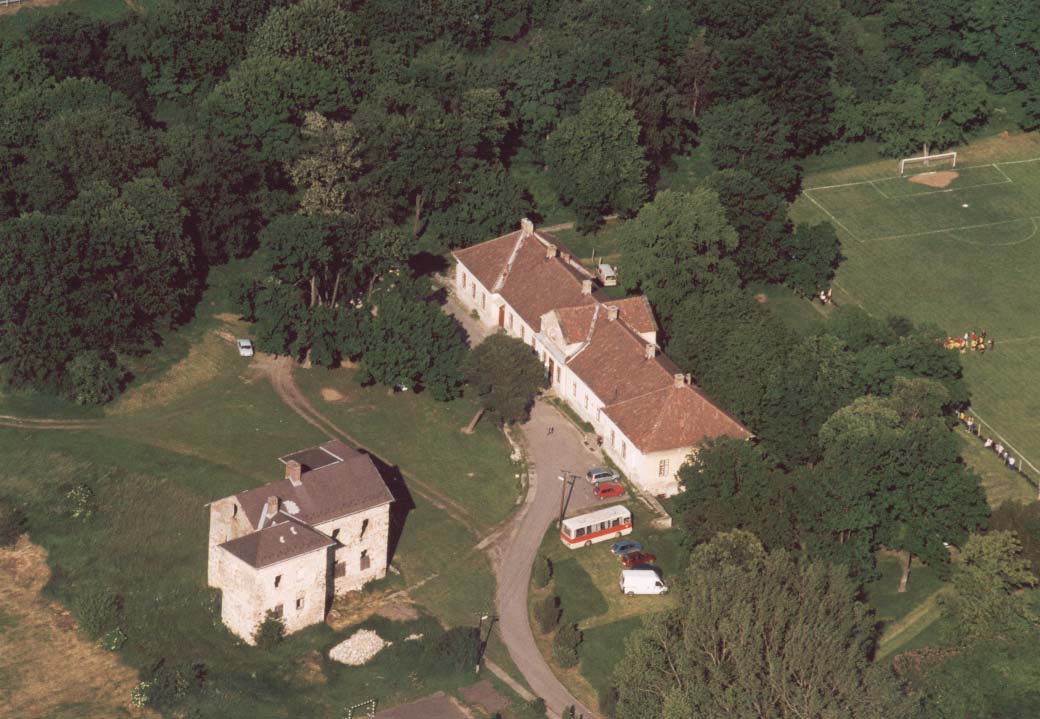
Gődény Castle, situated near the town of Balkány in eastern Hungary, is a historic hill castle with origins dating back to the medieval period. Though not as widely known as some of Hungary's grander fortifications, Gődény Castle holds significant local historical value due to its strategic location and architectural features typical of hilltop fortifications of its era.

Historical background and location

The castle is located on a modest elevation near Balkány, a town in the Szabolcs-Szatmár-Bereg county of Hungary. This positioning on a hill provided natural defensive advantages, which were essential during the turbulent medieval centuries when regional conflicts and invasions were frequent. The exact founding date of Gődény Castle is not precisely recorded, but architectural and archaeological evidence suggests it was established during the High to Late Medieval period, likely between the 13th and 15th centuries.

Throughout its history, the castle served as a local stronghold, overseeing the surrounding lands and controlling nearby trade routes. Its presence reflects the feudal system's emphasis on fortified residences for nobility and military defense against incursions.

Architectural features and design

Gődény Castle exemplifies the characteristics of hill castles, which were typically built to take advantage of elevated terrain for defense. The castle's layout would have included a central keep or donjon, surrounded by defensive walls and possibly a moat or ditch to impede attackers. Although the current condition of the castle is not fully preserved, remnants of its fortification walls and foundational structures remain visible.

The castle's construction likely involved local stone materials, common in Hungarian medieval castles, with thick walls designed to withstand sieges. Defensive features such as battlements, arrow slits, and gatehouses would have been integral parts of the fortress, although specific details of these elements at Gődény Castle require further archaeological study.

Historical significance and role

While Gődény Castle did not play a prominent role in national Hungarian history, it was an important local fortification. It served as a residence for regional nobility and a military outpost during periods of conflict, including the Ottoman incursions into Hungary. The castle's strategic position enabled control over the surrounding countryside and contributed to the defense network in eastern Hungary.

Over time, as military technology evolved and political landscapes changed, the castle's defensive importance diminished. Like many medieval castles, it likely fell into disuse and partial ruin by the early modern period.

Current condition and preservation

Today, Gődény Castle is considered a ruin, with only parts of its original structure remaining. The site offers valuable insights into medieval Hungarian fortifications and is of interest to historians and archaeologists studying the region's feudal past. Preservation efforts are limited, and the castle remains primarily an archaeological site open to visitors interested in Hungary's medieval heritage.

Visiting Gődény Castle

Visitors to Gődény Castle can explore the ruins and enjoy panoramic views of the surrounding landscape from the hilltop. The site is accessible from Balkány, though facilities and visitor services are minimal. It is recommended to visit during daylight hours and to prepare for a modest hike to reach the castle remains.

Nearby attractions include other historical sites in Szabolcs-Szatmár-Bereg county, offering a broader context for understanding the region's medieval history.

Frequently asked questions (FAQ)

What is the historical significance of Gődény Castle?
Gődény Castle, located in Balkány, Hungary, dates back to the late 18th century and is a prominent example of the Hungarian Baroque architectural style. It served as a noble residence and has witnessed significant historical events in the region, making it an important landmark in Hungarian history.
When was Gődény Castle built?
Gődény Castle was constructed in the late 1700s, reflecting the grandeur of the period's architecture. Its construction was completed in 1793, and it has preserved much of its original charm and character over the centuries.
Can I visit Gődény Castle year-round?
Yes, Gődény Castle is open to visitors throughout the year, although specific opening hours may vary by season. It is advisable to check the official website or contact the visitor center for the latest information regarding tours and accessibility during your planned visit.
What are the opening hours for Gődény Castle?
Gődény Castle typically opens its doors to visitors from 10 AM to 5 PM, Tuesday through Sunday. During peak tourist seasons, extended hours may be available, so it's best to verify the schedule before your visit.
Is it possible to access Gődény Castle by public transport?
Yes, Gődény Castle is accessible by public transport, including buses that connect Balkány to nearby cities. Additionally, local taxis are available for convenience, making it easier for visitors to reach the castle.
When is the best time to visit Gődény Castle?
The best time to visit Gődény Castle is during the spring and early autumn months when the weather is mild and pleasant. These seasons also offer beautiful scenery, enhancing the experience of exploring the castle and its grounds.
Are there any nearby attractions to Gődény Castle?
Yes, several attractions are located near Gődény Castle, including local museums and parks that showcase the culture and history of Balkány. Visitors can also explore the natural beauty of the surrounding countryside, making it a great day trip destination.
What are the ticket prices for visiting Gődény Castle?
Ticket prices for Gődény Castle are generally affordable, with discounts available for students and seniors. It is recommended to check the official website for the most current pricing and any special offers that may be available during your visit.

Photo gallery

Gődény Castle, Balkány
Click to view

Photo by Madura mate•CC BY-SA 3.0

1 photo • Click any image to view in full screen

Information

Hill Castle

Loading map...

Visitor reviews

No reviews yet. Been here? Write the first review and help other travelers!

Write the first review

Visited this castle? Share your experience

Your review helps other travelers and adds first-hand knowledge to our encyclopedia.
Write a review

(5/5)

0/2000 characters

Your review will be visible after admin approval

Nearby castles

16.1 km
Degenfeld Mansion, Téglás — Hungary castle

Degenfeld Mansion, Téglás

Téglás, Hungary

Degenfeld Mansion in Téglás, Hungary, is a notable example of a historic hill castle that reflects the architectural and cultural heritage of the region. Although specific detailed records about the mansion's construction and history are limited, it is recognized for its strategic location and traditional castle features typical of Hungarian manor houses and small fortifications.Historical context and significanceThe mansion is associated with the Degenfeld family, a noble lineage with roots in Central Europe, which played a role in the local history of the region. The estate likely served as a residence and administrative center for the family, overseeing agricultural lands and local affairs. Its position on elevated terrain provided defensive advantages common to hill castles, allowing surveillance of the surrounding landscape.Architectural features and styleThe Degenfeld Mansion exhibits characteristics typical of Hungarian manor houses that were influenced by various architectural styles over centuries, including elements of Baroque and Neoclassical design. The structure likely includes a main residential building, outbuildings, and possibly a chapel or garden area. Defensive features such as thick walls and limited access points are indicative of its castle-like qualities, although it primarily functioned as a noble residence rather than a military fortress.Layout and constructionThe mansion's layout is probably organized around a central courtyard, a common feature in Hungarian noble estates, facilitating both domestic life and estate management. The use of local materials and traditional construction techniques would have contributed to its durability and aesthetic appeal.Current condition and preservationToday, the Degenfeld Mansion stands as a cultural landmark within Téglás. Its preservation status may vary, but such historic buildings often undergo conservation efforts to maintain structural integrity and historical authenticity. The mansion contributes to the understanding of regional history and architecture, attracting interest from historians, architects, and visitors.Visiting and cultural importanceWhile not as widely known as larger castles or palaces, the mansion holds local significance and may be accessible to visitors interested in Hungarian history and architecture. It serves as a representation of the noble estates that shaped the social and economic fabric of the region.Overall, Degenfeld Mansion in Téglás embodies the characteristics of a hill castle with noble residential functions, blending defensive elements with architectural styles reflective of Hungary's historical periods.

Details
30 km
Degenfeld Mansion, Baktalórántháza — Hungary castle

Degenfeld Mansion, Baktalórántháza

Baktalórántháza, Hungary

Degenfeld Mansion in Baktalórántháza, Hungary, is a notable example of a historic hill castle that reflects the architectural and cultural heritage of the region. Though less widely known internationally, this mansion holds significant local importance due to its connection to the noble Degenfeld family and its role in regional history. Historical background and significance The mansion was constructed as a fortified residence for the Degenfeld family, a noble lineage with roots in Hungary and Central Europe. While the exact construction date is not precisely documented, the mansion likely dates back to the late medieval or early modern period, reflecting architectural trends from the 16th to 18th centuries. This period was marked by the transition from purely defensive castles to more comfortable noble residences that combined fortification with domestic luxury. Throughout its history, Degenfeld Mansion served as a center of local administration and a symbol of aristocratic power in the region. Its strategic hilltop location provided both defensive advantages and commanding views over the surrounding landscape, which was typical for such noble estates. Architectural features and style The mansion exhibits characteristics typical of hill castles that evolved into manor houses. Its architecture likely blends elements of Renaissance and Baroque styles, which were prevalent in Hungarian noble residences during the 17th and 18th centuries. These styles are characterized by symmetrical layouts, ornate facades, and decorative details such as pilasters, cornices, and window framings. Key architectural features include fortified walls adapted to the hilltop terrain, residential wings arranged around a central courtyard, and possibly a gatehouse or entrance tower that controlled access. The mansion would have included representative halls, private chambers, and service areas necessary for the noble household. Defensive elements While primarily a residence, the mansion retained some defensive features typical of hill castles, such as thick stone walls and elevated positioning. These elements provided protection during periods of unrest or conflict, which were common in Hungary's history due to Ottoman incursions and internal noble disputes. Location and surroundings Situated in Baktalórántháza, a town in Hungary, the mansion occupies a prominent hill that overlooks the surrounding countryside. This location not only offered defensive benefits but also symbolized the social status of its owners. The surrounding landscape includes agricultural lands and forests, which historically supported the estate's economy and self-sufficiency. Current condition and cultural importance The current condition of Degenfeld Mansion is not widely documented, but like many historic noble residences in Hungary, it may be in a state ranging from partially preserved to restored. Such mansions often face challenges related to preservation due to changing ownership and economic factors. Despite this, the mansion remains an important cultural landmark within the region. It represents the architectural evolution from medieval fortifications to aristocratic manor houses and offers insights into the lifestyle and social structures of Hungarian nobility. Visiting and tourism Information about public access to Degenfeld Mansion is limited, but historic mansions like this one often attract visitors interested in history, architecture, and cultural heritage. Visitors to Baktalórántháza may find the mansion an interesting site for exploring Hungary's noble past and regional history. Nearby attractions and the natural setting enhance the visitor experience, providing opportunities for hiking, photography, and learning about local traditions. Architectural legacy and research Scholars and enthusiasts of Hungarian castle architecture study mansions like Degenfeld to understand the transition from medieval castles to Renaissance and Baroque noble residences. The mansion's combination of defensive and residential features exemplifies this architectural evolution. Further research and preservation efforts could provide more detailed insights into its construction phases, architectural details, and historical context.

Late Medieval (14th–15th c.)
Details
34 km
Vay mansions in Golop — Hungary castle

Vay mansions in Golop

, Hungary

The Vay mansions in Golop, Hungary, represent a significant example of historic noble residences situated on a hillside, classified as hill castles. These mansions were constructed as the country estates of the influential Vay family, who played a notable role in Hungarian aristocracy. Their architecture reflects the evolution of noble residential design in Hungary, blending functional defensive features with the elegance expected of aristocratic homes.Historical background of the Vay mansionsThe Vay family, prominent in Hungarian history, established their estates in the region of Golop during the 18th and 19th centuries. The mansions served as both private residences and symbols of social status, embodying the lifestyle of the Hungarian nobility during the late medieval and post-medieval periods. The estates were centers of local administration and agricultural management, reflecting the socio-economic structure of the time.Architectural features and designThe mansions are located on elevated terrain, typical of hill castles, providing strategic views over the surrounding landscape. Their design includes manor house elements combined with some defensive characteristics, such as thick walls and limited access points, which were common in noble residences of the era to ensure security. The buildings feature symmetrical facades, classical window arrangements, and decorative cornices, indicative of the Baroque and early neoclassical architectural styles prevalent in Hungarian aristocratic estates.Interior layout and roomsThe interiors of the Vay mansions include spacious halls, reception rooms, private chambers, and service areas. These spaces were designed to accommodate both family life and official functions, such as hosting guests and managing estate affairs. Decorative elements inside the mansions often include intricate woodwork, stucco ceilings, and period-appropriate furnishings that reflect the tastes and wealth of the Vay family.Preservation and current statusToday, the Vay mansions stand as partially preserved structures, with some restoration efforts undertaken to maintain their historical and architectural value. They are recognized as cultural heritage sites within Hungary, attracting visitors interested in aristocratic history and architecture. The mansions contribute to understanding the lifestyle and social organization of Hungarian nobility in the past centuries.Visiting informationThe mansions are accessible to the public during specific times, often by appointment or during cultural events. Visitors can explore the exterior architecture and some interior spaces, gaining insight into the historical context of the estates. The surrounding landscape offers additional interest, with views typical of hill castle locations.

Post-Renaissance (17th–18th c.)
Details