Degenfeld Mansion, Baktalórántháza
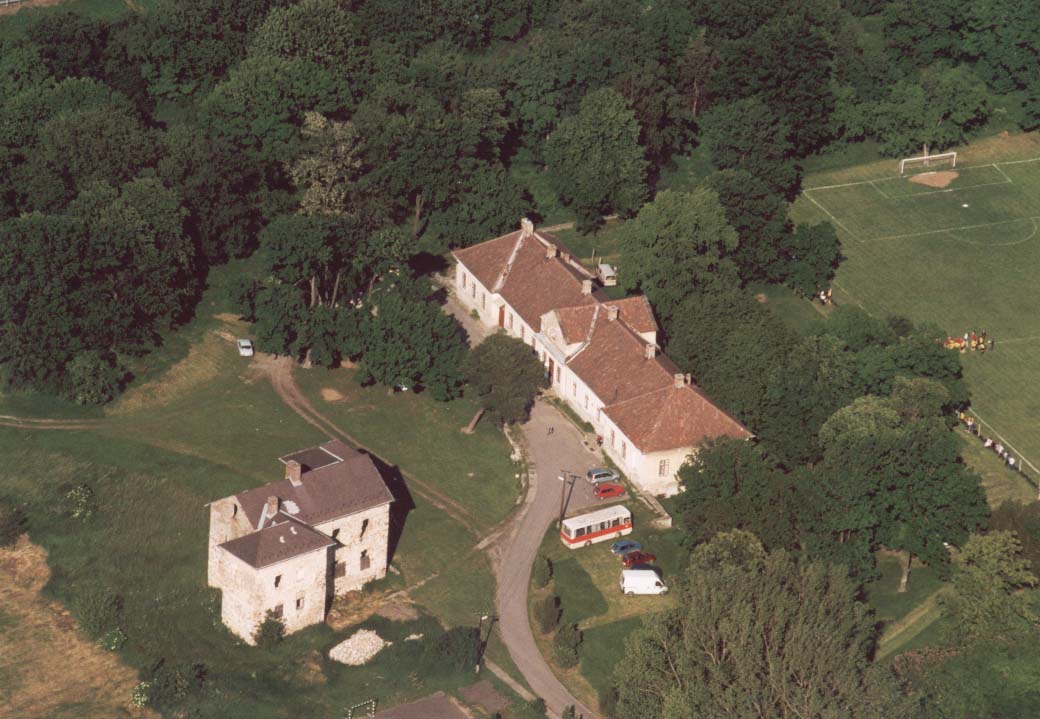
Degenfeld Mansion in Baktalórántháza, Hungary, is a notable example of a historic hill castle that reflects the architectural and cultural heritage of the region. Though less widely known internationally, this mansion holds significant local importance due to its connection to the noble Degenfeld family and its role in regional history.
Historical background and significance
The mansion was constructed as a fortified residence for the Degenfeld family, a noble lineage with roots in Hungary and Central Europe. While the exact construction date is not precisely documented, the mansion likely dates back to the late medieval or early modern period, reflecting architectural trends from the 16th to 18th centuries. This period was marked by the transition from purely defensive castles to more comfortable noble residences that combined fortification with domestic luxury.
Throughout its history, Degenfeld Mansion served as a center of local administration and a symbol of aristocratic power in the region. Its strategic hilltop location provided both defensive advantages and commanding views over the surrounding landscape, which was typical for such noble estates.
Architectural features and style
The mansion exhibits characteristics typical of hill castles that evolved into manor houses. Its architecture likely blends elements of Renaissance and Baroque styles, which were prevalent in Hungarian noble residences during the 17th and 18th centuries. These styles are characterized by symmetrical layouts, ornate facades, and decorative details such as pilasters, cornices, and window framings.
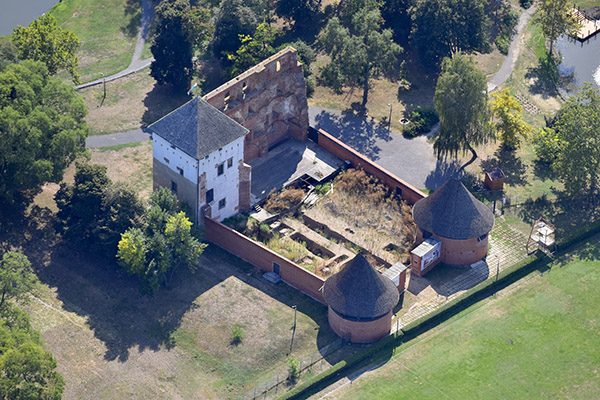
Key architectural features include fortified walls adapted to the hilltop terrain, residential wings arranged around a central courtyard, and possibly a gatehouse or entrance tower that controlled access. The mansion would have included representative halls, private chambers, and service areas necessary for the noble household.
Defensive elements
While primarily a residence, the mansion retained some defensive features typical of hill castles, such as thick stone walls and elevated positioning. These elements provided protection during periods of unrest or conflict, which were common in Hungary's history due to Ottoman incursions and internal noble disputes.
Location and surroundings
Situated in Baktalórántháza, a town in Hungary, the mansion occupies a prominent hill that overlooks the surrounding countryside. This location not only offered defensive benefits but also symbolized the social status of its owners. The surrounding landscape includes agricultural lands and forests, which historically supported the estate's economy and self-sufficiency.
Current condition and cultural importance
The current condition of Degenfeld Mansion is not widely documented, but like many historic noble residences in Hungary, it may be in a state ranging from partially preserved to restored. Such mansions often face challenges related to preservation due to changing ownership and economic factors.
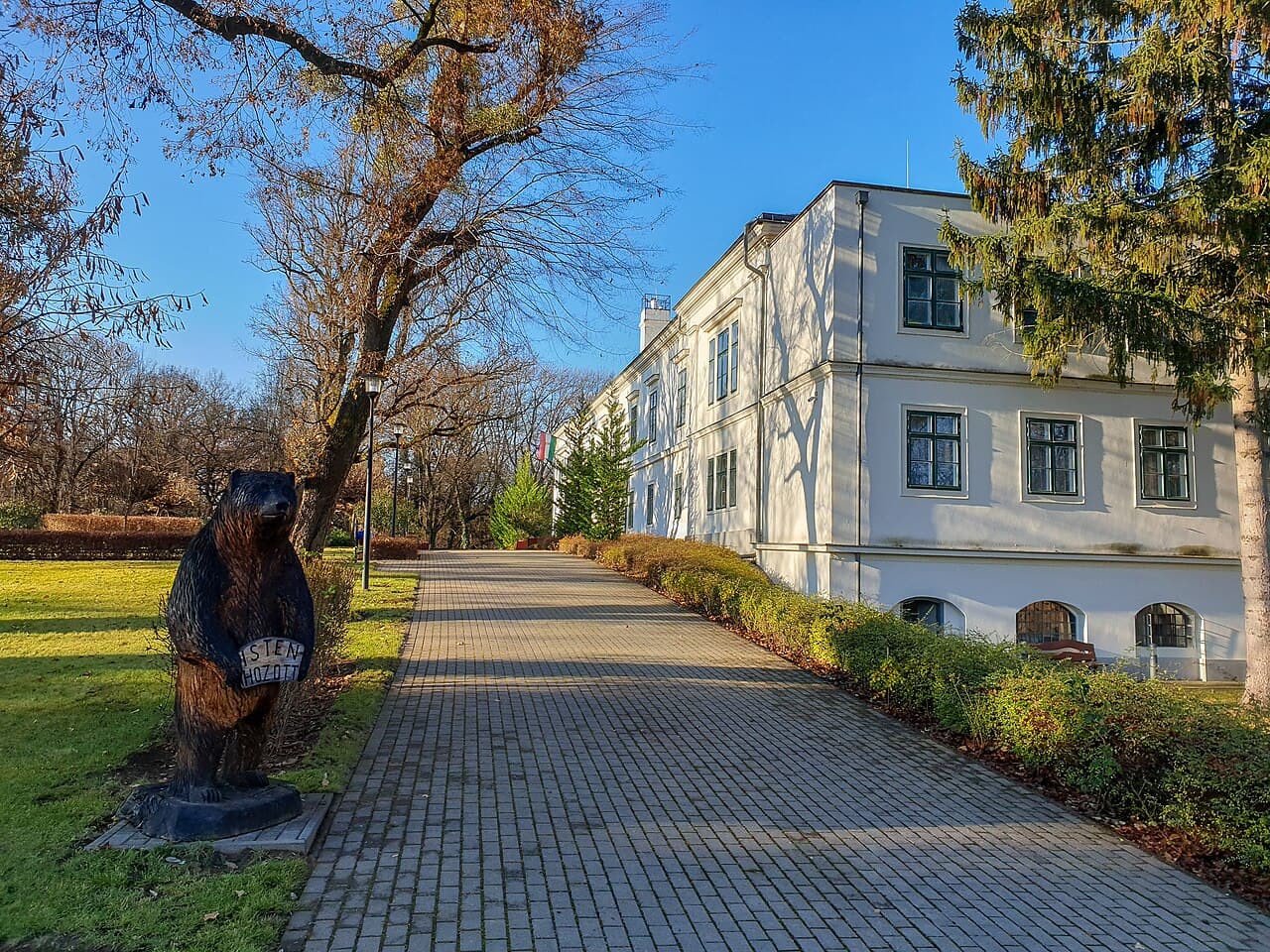
Despite this, the mansion remains an important cultural landmark within the region. It represents the architectural evolution from medieval fortifications to aristocratic manor houses and offers insights into the lifestyle and social structures of Hungarian nobility.
Visiting and tourism
Information about public access to Degenfeld Mansion is limited, but historic mansions like this one often attract visitors interested in history, architecture, and cultural heritage. Visitors to Baktalórántháza may find the mansion an interesting site for exploring Hungary's noble past and regional history.
Nearby attractions and the natural setting enhance the visitor experience, providing opportunities for hiking, photography, and learning about local traditions.
Architectural legacy and research
Scholars and enthusiasts of Hungarian castle architecture study mansions like Degenfeld to understand the transition from medieval castles to Renaissance and Baroque noble residences. The mansion's combination of defensive and residential features exemplifies this architectural evolution.
Further research and preservation efforts could provide more detailed insights into its construction phases, architectural details, and historical context.
Frequently asked questions (FAQ)
- What is the historical significance of Degenfeld Mansion?
- Degenfeld Mansion served as a noble residence for the Degenfeld family and was a local center of administration and power in the region, reflecting the aristocratic lifestyle and architectural trends of its time.
- Can I visit Degenfeld Mansion in Baktalórántháza?
- Public access information is limited, but the mansion may be accessible to visitors interested in history and architecture. It is advisable to check locally for visiting hours and tours.
- What architectural styles are represented in Degenfeld Mansion?
- The mansion likely features a blend of Renaissance and Baroque architectural styles, common in Hungarian noble residences from the 16th to 18th centuries, combining defensive elements with residential comfort.
- Why was Degenfeld Mansion built on a hill?
- The hilltop location provided defensive advantages and symbolized the social status of the noble family, offering commanding views and protection during periods of conflict.
Photo gallery

Information
Loading map...
Visitor reviews
No reviews yet. Been here? Write the first review and help other travelers!
Write the first reviewVisited this castle? Share your experience
Your review helps other travelers and adds first-hand knowledge to our encyclopedia.