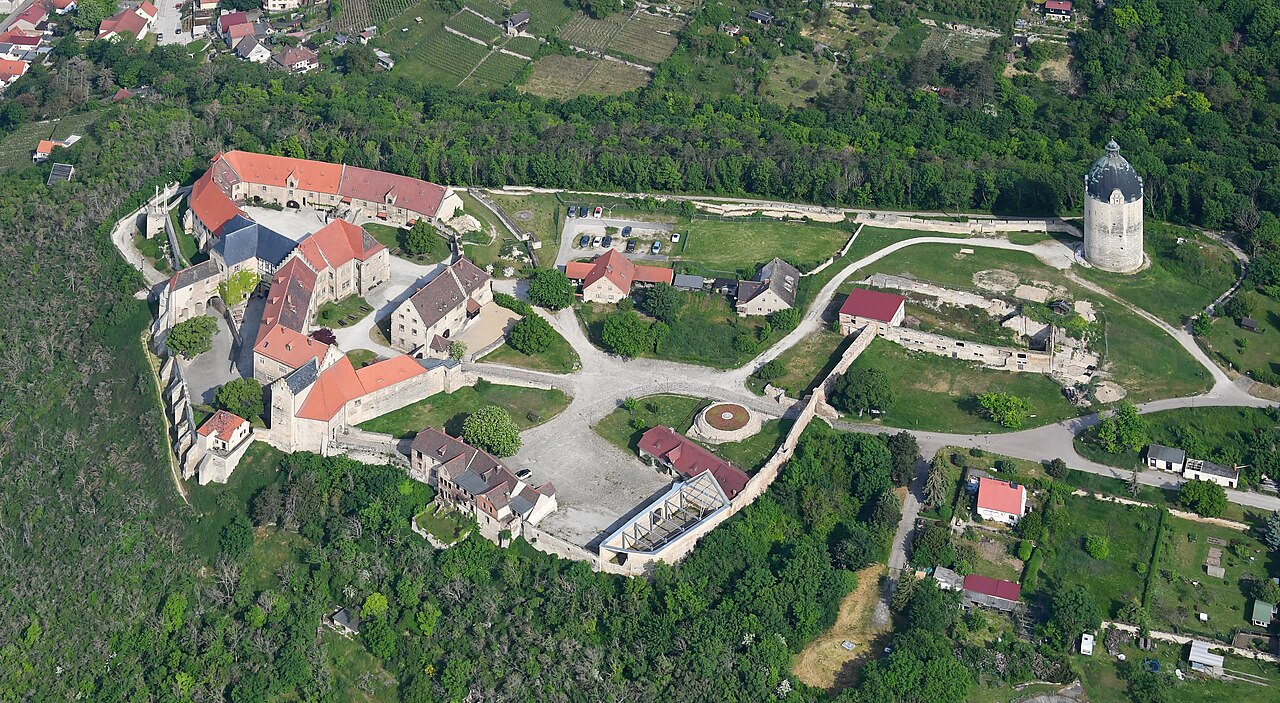
Gödens Castle
Gödens Castle, located in the municipality of Sande, Germany, stands as a remarkable example of a moated castle that has evolved architecturally and historically from the early 16th century through the Baroque period. Its present form, largely shaped in 1671, reflects the Dutch Baroque style and the influence of noble families such as the Frydag and von Wedel dynasties. This castle is notable not only for its architectural elegance but also for its deep historical roots tied to regional power struggles and noble lineage in East Frisia.
Historical origins and early development
The site of Gödens Castle originally hosted Burg Altgödens, a medieval fortress associated with the 14th-century chieftain Edo Boings. This early stronghold was destroyed during the Saxon Feud (1514-1517), a significant regional conflict. Subsequently, around 1517, Hicko von Oldersum and his son Haro initiated the construction of a new water castle approximately 1.5 kilometers north of the original site. Archaeological excavations in 1983 revealed that the initial structure included a tower and a palas (main residential building), which were later incorporated into a larger complex with an additional wing built in two phases at right angles to the original buildings.
Transformation under the frydag family
In the mid-17th century, the castle underwent a major transformation under the ownership of the Frydag family. After receiving hereditary Imperial Baron status in 1646, Harro Burchard von Frydag, a senior royal advisor, was responsible for redesigning the castle in the Dutch Baroque style. This transformation included the addition of a grand gate leading to the castle park, prominently displaying the Frydag family coat of arms. However, in 1669, a devastating fire severely damaged the castle.
Rebuilding after the fire
The northeast wing survived the fire partially and was rebuilt on its original foundations and masonry, distinguished by a lantern structure atop the roof that enhanced natural light and ventilation. The southwest wing, which was completely destroyed, was reconstructed in the Dutch Baroque architectural style, featuring pavilion-like lateral projections and a polygonal stair tower crowned with a dome-shaped roof. The castle’s entrance is marked by an impressive two-story portal topped with a gable, accompanied by a grand staircase and decorated with sculpted stone elements, contrasting with the predominantly brick façade.
Architectural features and layout
Gödens Castle is built on an island surrounded by a system of moats, originally consisting of three water-filled ditches but later modified to a double moat system during the 17th-century rebuilding. The castle rests on a robust foundation system designed to stabilize the structure on waterlogged ground, including a grid of driven wooden piles supporting horizontal sill beams and a boulder foundation for the masonry walls.
The castle’s layout reflects its dual function as a noble residence and a fortified structure. The surviving tower and palas from the early 16th century are integrated into the larger complex, which includes the reconstructed wings with their distinctive Baroque features. The southwest wing is notable for its two projecting pavilions at the corners and the elegant stair tower, which add both defensive and aesthetic value.
Interior highlights
Inside the castle, the grand hall (Prunksaal) is a highlight, featuring ceiling-high painted decorations depicting scenes from Greek mythology. These elaborate artworks reflect the cultural aspirations and artistic tastes of the castle’s Baroque patrons, emphasizing the castle’s status as a symbol of noble prestige.
Later history and preservation
In 1746, the castle passed by marriage to the von Wedel family, who maintained ownership through the centuries. During the 18th century, the castle island was still protected by walls with two bastion-like projections facing the northeast forecourt, each topped by pavilions. These defensive walls and annexes were dismantled in the 19th century, but the core buildings and much of the moated layout remain well preserved.
The von Wedel family held hereditary seats in the Prussian House of Lords from 1867 until the monarchy's end in 1918. Today, Schloss Gödens remains private property of the von Wedel family and is recognized as a historic monument, reflecting its architectural significance and rich noble heritage in East Frisia.
Castle grounds and landscape
The castle island has been enlarged over time through the accumulation of building rubble and debris, especially following fires and reconstruction efforts. The original network of access roads and bridges crossing the moats was reorganized during the 17th-century rebuilding, which may have altered earlier earthworks and defensive structures.
The moats themselves, once a triple water defense system, were simplified to a double moat system, enhancing the castle’s defensive capabilities while also contributing to its picturesque setting. The removal of the 18th-century defensive walls in the 19th century opened the castle grounds, allowing for a more park-like environment around the historic buildings.
Architectural legacy
Gödens Castle stands today as one of the most beautiful castles in East Frisia, showcasing a harmonious blend of early modern defensive architecture and Dutch Baroque elegance. Its preservation as a historic monument offers valuable insights into the evolution of noble residences in northern Germany, the impact of regional conflicts, and the adaptation of architectural styles over centuries.
Frequently asked questions (FAQ)
- What are the opening hours of Gödens Castle?
- Gödens Castle is open to visitors from Tuesday to Sunday, from 10 AM to 5 PM. It is closed on Mondays and public holidays. However, it is advisable to check the official website for any changes in hours or special events that may affect access.
- What is the historical significance of Gödens Castle?
- Gödens Castle, dating back to the 17th century, is a prime example of Baroque architecture in Germany. It has significant historical importance as it has been home to various noble families and has witnessed numerous historical events over the centuries.
- How do I get to Gödens Castle via public transport?
- You can reach Gödens Castle by taking a train to Sande and then a local bus that stops near the castle. Alternatively, many visitors choose to drive, as the castle is easily accessible via the A29 motorway, with ample parking available on-site.
- Can I take guided tours of Gödens Castle?
- Yes, guided tours of Gödens Castle are available and highly recommended for a deeper understanding of its history and architecture. Tours are typically conducted in both German and English, but it’s best to check in advance for specific language options and availability.
- What are the ticket prices for Gödens Castle?
- Ticket prices for Gödens Castle are generally around €8 for adults, with discounts available for students, seniors, and children. Family tickets and group rates may also be offered, so it's a good idea to inquire at the ticket office or check the website for the latest pricing information.
- Is Gödens Castle accessible for visitors with disabilities?
- Yes, Gödens Castle is committed to being accessible to all visitors. There are ramps and designated paths to assist wheelchair users, although some areas may have limited access due to the castle's historical architecture. It is recommended to contact the castle administration for specific accessibility inquiries.
- When is the best time to visit Gödens Castle?
- The best time to visit Gödens Castle is during the spring and early autumn when the weather is mild and the surrounding gardens are in full bloom. Additionally, special events and festivals are often held during these seasons, providing a unique experience for visitors.
- Are there any nearby attractions to visit after Gödens Castle?
- Yes, there are several attractions near Gödens Castle, including the beautiful parks and gardens of the area. The nearby town of Sande offers charming shops and cafes, while the larger city of Wilhelmshaven is just a short drive away, featuring museums and coastal activities.
Information
Website
Visit websiteSources & official resources
Verify the information above using these authoritative references.
Loading map...
Visitor reviews
No reviews yet. Been here? Write the first review and help other travelers!
Write the first reviewVisited this castle? Share your experience
Your review helps other travelers and adds first-hand knowledge to our encyclopedia.