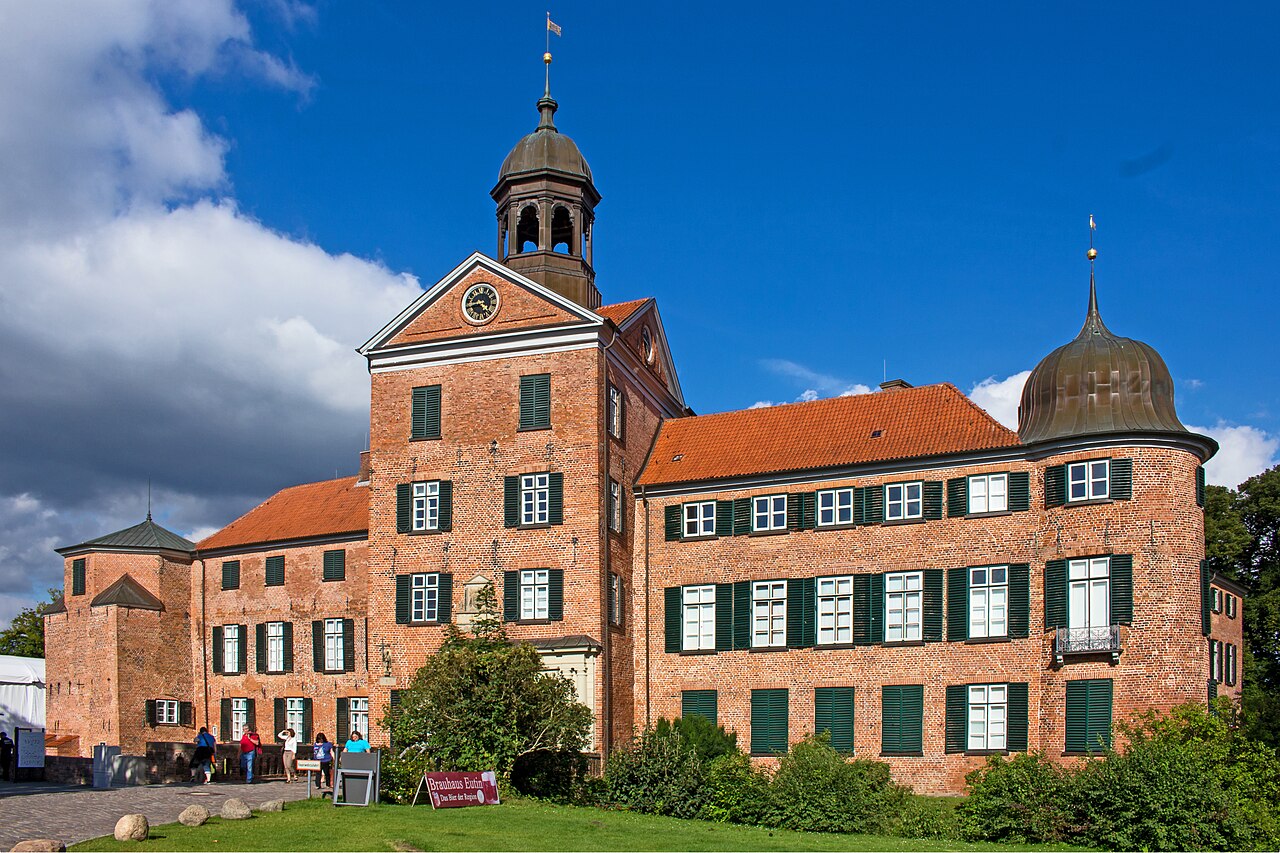
Glambaek Castle Ruins
Glambaek Castle, located on the island of Fehmarn in Germany, was originally constructed in the 13th century under the reign of King Valdemar Sejr. This high medieval fortress was strategically positioned to protect the land between the Baltic Sea and the Burger Binnensee, a lagoon that provided a natural defensive barrier. The castle's location was critical for controlling maritime and land routes in the region, reflecting the geopolitical importance of Fehmarn during the Middle Ages.
Historical background and significance
The castle's foundation in the 13th century coincided with a period of territorial consolidation and expansion in the Baltic region. Valdemar Sejr, known for his military campaigns and efforts to strengthen Danish influence, commissioned Glambaek Castle as part of a network of fortifications. The castle served as a military stronghold and administrative center, overseeing the surrounding lands and safeguarding trade routes.
In the early 15th century, the island of Fehmarn, including Glambaek Castle, witnessed significant conflict. The castle was captured during regional disputes but was retaken in 1416 by Erik of Pommern, the ruler of the Kalmar Union, which united Denmark, Norway, and Sweden. This recapture underscored the castle's continued strategic value in controlling the Baltic Sea territories.
Architectural features and layout
While only ruins remain today, historical records and archaeological findings suggest that Glambaek Castle was a stone fortress typical of the high medieval period. It likely featured a central keep or donjon, surrounded by defensive walls and possibly a moat fed by the nearby lagoon. The design would have included battlements, arrow slits, and gatehouses to repel attackers.
The castle's position near water allowed it to utilize natural defenses, making it a water castle in terms of its strategic setting. The combination of man-made fortifications and natural barriers provided a formidable defense system against sieges and assaults.
Destruction during the thirty years' war
Glambaek Castle's military role continued into the early modern period, but it suffered significant damage during the Thirty Years' War, a devastating conflict that engulfed much of Central Europe from 1618 to 1648. In 1627, the castle was captured and destroyed by forces led by Johann Tserclaes, Count of Tilly, a prominent commander of the Catholic League.
The destruction marked the end of Glambaek Castle as a military fortress. The ruins that remain today reflect the violent history of the period and the shifting power dynamics in northern Germany and the Baltic region.
Current state and heritage importance
Today, Glambaek Castle exists as ruins on Fehmarn island, attracting visitors interested in medieval history and architecture. The site offers insight into high medieval fortification techniques and the historical conflicts that shaped the Baltic Sea region.
Preservation efforts focus on maintaining the ruins and providing educational resources to highlight the castle's role in regional history. The site is an important cultural landmark, illustrating the legacy of medieval military architecture and the turbulent history of Fehmarn.
Frequently asked questions (FAQ)
- How do I get to Glambaek Castle Ruins?
- Glambaek Castle Ruins are located in Burg auf Fehmarn, Germany, and are easily accessible by car or public transport. If driving, ample parking is available nearby. For public transport, you can take a train to Burg auf Fehmarn and then a short bus ride or a pleasant walk to the ruins.
- What is the historical significance of Glambaek Castle Ruins?
- Glambaek Castle Ruins date back to the 13th century and were once a vital fortification on the island of Fehmarn. The castle played a significant role in regional defense and governance during the medieval period. Today, the ruins serve as a reminder of the island's rich history and architectural heritage.
- When was Glambaek Castle built?
- Glambaek Castle was constructed in the early 13th century, with various expansions and renovations occurring over the following centuries. The castle's strategic location made it an important site during its operational years, particularly in the context of maritime trade and defense.
- Can I explore the castle ruins?
- Yes, visitors are welcome to explore the Glambaek Castle Ruins. While the site is not fully restored, walking through the ruins allows you to appreciate the historical architecture and the surrounding landscape. Be sure to follow any posted guidelines for safety and preservation.
- Why is Glambaek Castle a popular tourist attraction?
- Glambaek Castle is popular for its historical significance and scenic views of the surrounding area. The picturesque ruins provide a glimpse into medieval architecture and are a favorite spot for photography. Additionally, the location on Fehmarn Island offers beautiful natural surroundings and recreational activities.
- Is it possible to visit the castle year-round?
- Yes, Glambaek Castle Ruins are open to visitors year-round. However, the best time to visit is during the late spring and summer months when the weather is pleasant and the gardens are in bloom. This allows for a more enjoyable experience while exploring the ruins and the surrounding nature.
- What are the opening hours for Glambaek Castle?
- The castle ruins are generally accessible at all times, allowing visitors to explore at their convenience. However, specific guided tours or events may have designated hours, so it is advisable to check local listings for any scheduled activities. Always confirm any seasonal variations in accessibility before your visit.
- Are there any ticket prices for visiting Glambaek Castle Ruins?
- There is no entry fee to visit Glambaek Castle Ruins, making it a free attraction for all visitors. However, if you are interested in guided tours or special events, a fee may apply. It's best to check ahead for any additional costs associated with specific activities.
- What nearby attractions can I visit while in Burg auf Fehmarn?
- While visiting Glambaek Castle Ruins, you can also explore nearby attractions such as the Fehmarn Museum, the charming local beaches, and the picturesque lighthouse. The island is known for its stunning natural landscapes, making it perfect for hiking, cycling, and water sports. Don't miss the opportunity to experience the local culture and cuisine as well.
Information
Loading map...
Visitor reviews
No reviews yet. Been here? Write the first review and help other travelers!
Write the first reviewVisited this castle? Share your experience
Your review helps other travelers and adds first-hand knowledge to our encyclopedia.