Ghodbunder Fort
Ghodbunder Fort is a notable 16th-century bastioned fortress situated in Ghodbunder Village, Thane, Maharashtra, India. Perched on a strategic hill just south of the Ulhas River, the fort commands a panoramic view of the surrounding landscape, which was crucial for controlling trade routes along the river and nearby Arabian Sea coast.
Historical background and strategic importance
The fort was originally constructed by the Portuguese during the Renaissance period, reflecting the era's military architectural principles adapted for coastal and riverine defense. Its location was chosen to oversee and control the trade activities, particularly the horse trade, which was significant in the region. The very name Ghodbunder derives from the Marathi words ghode meaning horses and bunder meaning port, highlighting its role as a trading post where the Portuguese exchanged horses with Arab merchants.
Throughout its history, Ghodbunder Fort changed hands multiple times. After the Portuguese, it was seized by the Marathas, who recognized its strategic value in controlling the northern Konkan coast and the trade routes inland. Later, the fort came under the control of the East India Company, which used it as the district headquarters, further emphasizing its administrative and military significance in the colonial period.
Architectural features and design
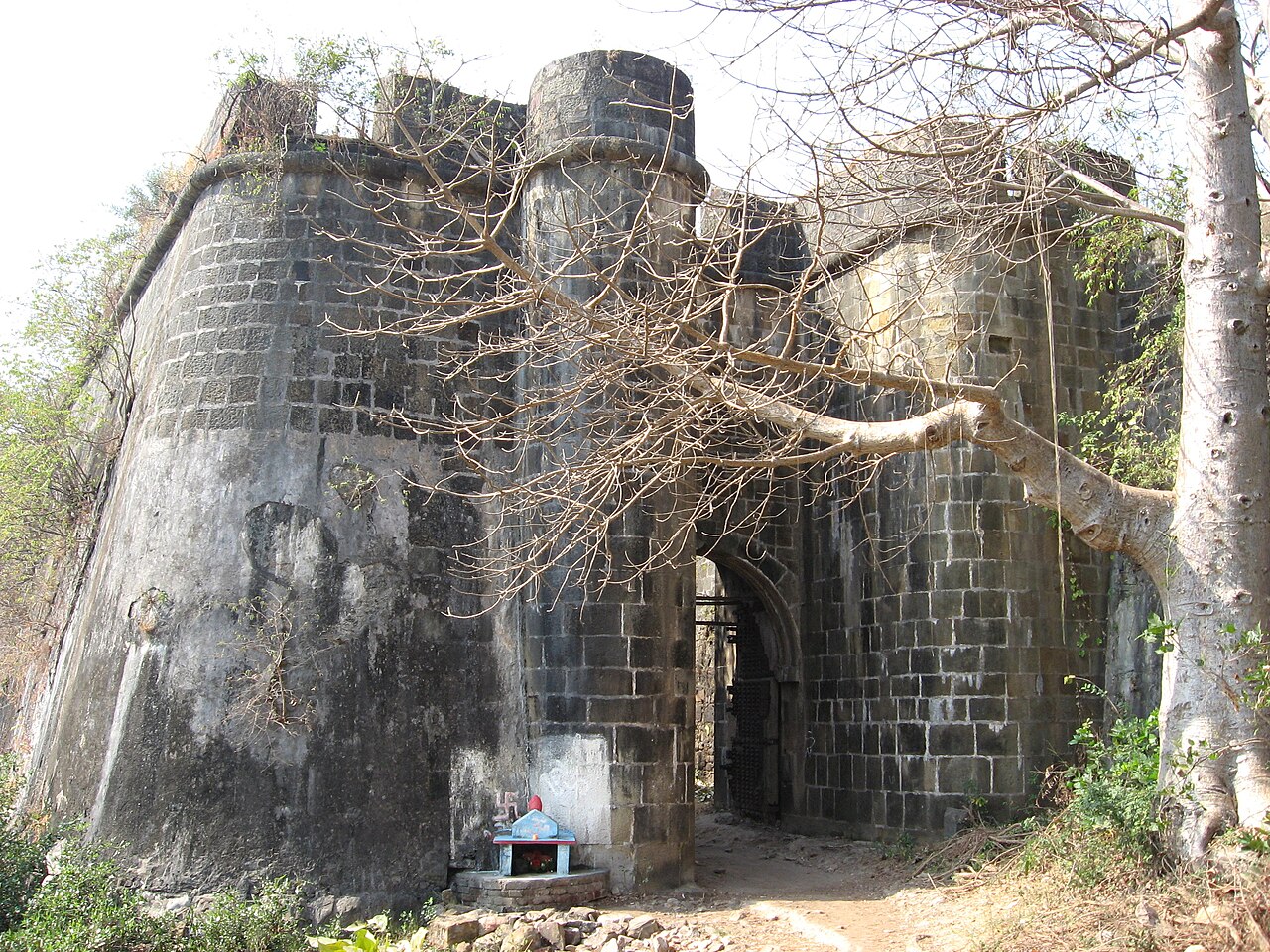
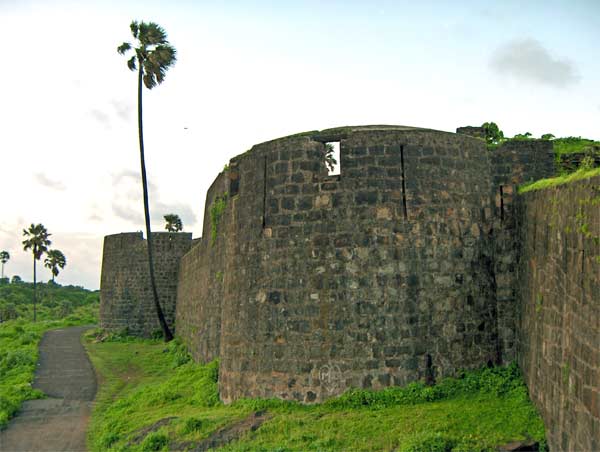
Ghodbunder Fort is classified as a bastioned fortress, a style typical of the Renaissance period when European military architecture evolved to counter artillery advancements. The fort incorporates thick stone walls and angular bastions designed to deflect cannon fire and provide overlapping fields of defensive fire. Its elevated position on a hill enhances its defensive capabilities, allowing defenders to spot approaching enemies from a distance.
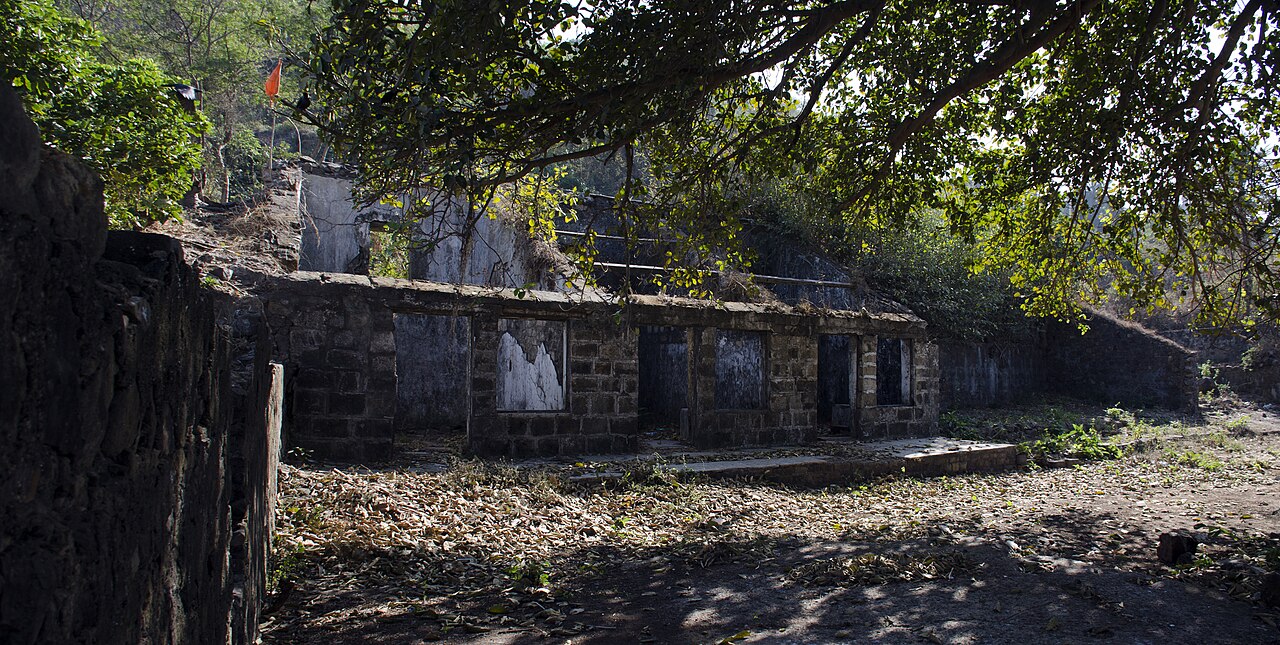
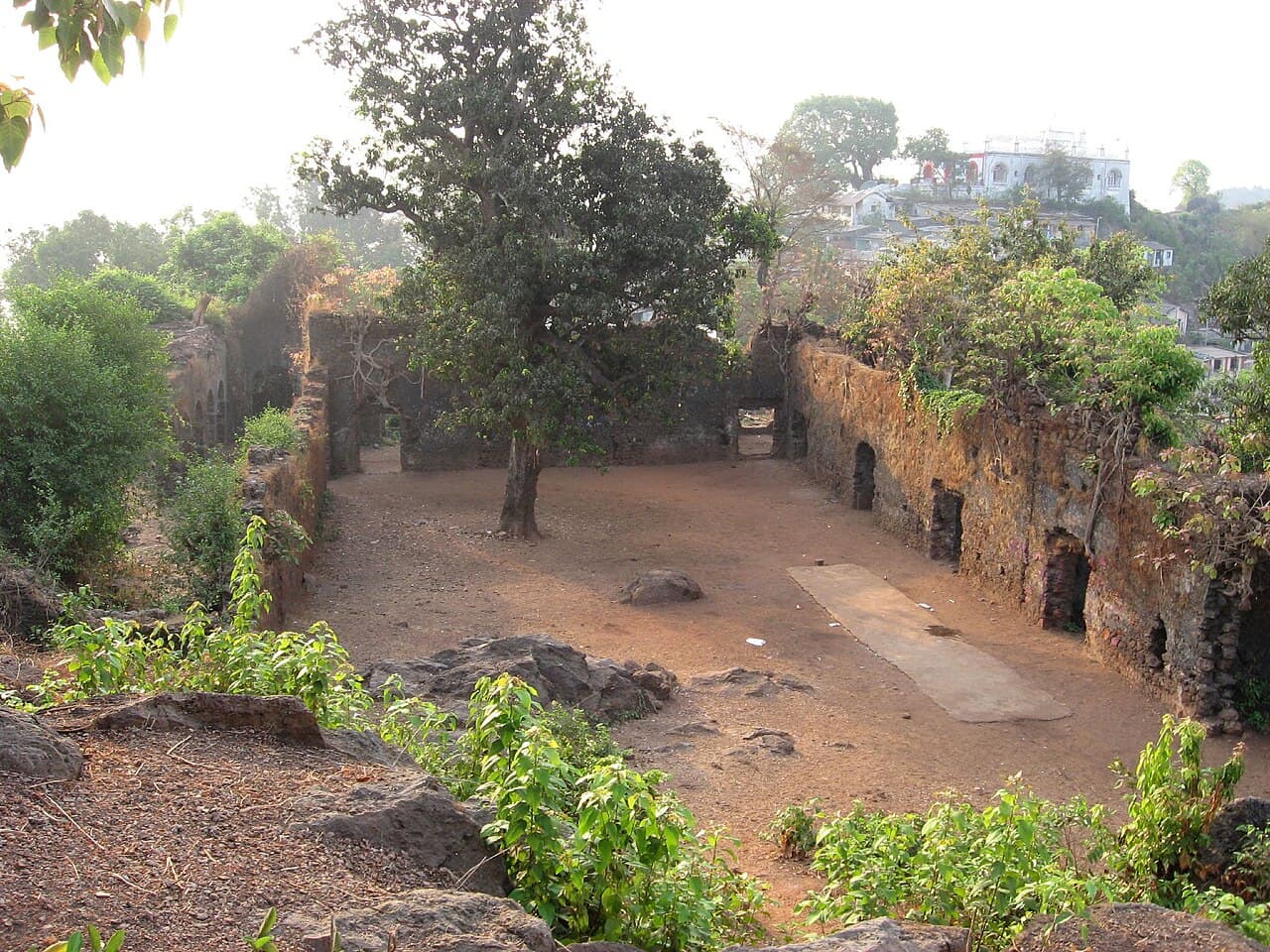
The fort's layout includes several bastions connected by curtain walls, enclosing a central courtyard. The walls feature embrasures for cannons and musketry, and the entrance is fortified with a gate complex designed to withstand sieges. Inside, remnants of officers' quarters, storage rooms, and water cisterns can still be observed, indicating the fort's self-sufficiency during prolonged conflicts.
Construction materials and techniques
The builders used locally sourced stone and lime mortar, common in the region's coastal fortifications. The construction techniques reflect a blend of European military engineering and adaptations to the local climate and terrain. The thick walls and bastions are designed to resist both artillery bombardment and the humid monsoon conditions prevalent in Maharashtra.
Role in regional conflicts and administration
Ghodbunder Fort played a pivotal role in regional power struggles between the Portuguese, Marathas, and later the British. Its control was crucial for dominance over the northern Konkan coast and the lucrative trade routes passing through the Ulhas River. The fort's capture by the Marathas marked a significant shift in regional power, as they expanded their influence along the western coast of India.
Under the East India Company, the fort transitioned from a purely military installation to an administrative center. It served as the district headquarters, overseeing local governance and trade regulation. This period saw modifications to accommodate administrative functions while maintaining its defensive posture.
Current condition and preservation efforts
Today, Ghodbunder Fort is in a partially preserved state. While much of the original structure remains, including the bastions and curtain walls, some sections have deteriorated due to natural weathering and neglect. The fort is a protected monument under local heritage conservation laws, and efforts have been made to maintain and restore key architectural elements.
Visitors to the site can explore the fort's ramparts, bastions, and internal ruins, gaining insight into its historical significance and architectural design. The fort's hilltop location offers scenic views of the Ulhas River and surrounding landscape, making it a popular destination for history enthusiasts and tourists alike.
Cultural significance and tourism
Ghodbunder Fort stands as a testament to the layered history of Maharashtra's coastal defenses, reflecting Portuguese, Maratha, and British influences. It highlights the region's importance as a trade hub and military stronghold over several centuries. The fort attracts visitors interested in colonial history, military architecture, and scenic hilltop vistas.
Local authorities and heritage organizations promote the fort as part of Maharashtra's rich cultural heritage. Educational programs and guided tours help interpret the site's history and architecture, enhancing public appreciation and support for its preservation.
Frequently asked questions (FAQ)
- What are the visiting hours for Ghodbunder Fort?
- Ghodbunder Fort is generally open to visitors from 9:00 AM to 6:00 PM daily. It is advisable to check locally for any changes or special closures before planning your visit.
- How do I reach Ghodbunder Fort from Mumbai?
- Ghodbunder Fort is located about 40 kilometers from Mumbai. Visitors can reach it by road via the Eastern Express Highway or the Mumbai-Nashik Highway, followed by local transport or taxis to the fort entrance.
- Is there an entry fee to visit Ghodbunder Fort?
- There is no entry fee to visit Ghodbunder Fort, making it accessible to all visitors interested in exploring this historic site.
- What is the historical significance of Ghodbunder Fort?
- Ghodbunder Fort was built by the Portuguese in the 16th century to control trade routes and later occupied by the Marathas and British East India Company, serving as a military and administrative center.
- Can I explore the entire fort on foot?
- Yes, visitors can explore the fort on foot. The terrain includes uneven surfaces and some steep sections, so comfortable footwear and moderate physical fitness are recommended.
Photo gallery

Information
Current owner
Local heritage authority
Loading map...
Visitor reviews
No reviews yet. Been here? Write the first review and help other travelers!
Write the first reviewVisited this castle? Share your experience
Your review helps other travelers and adds first-hand knowledge to our encyclopedia.