Fort Vasai
Fort Vasai, also known as Vasai killa in Marathi and historically called the Fort of St. Sebastian, is a significant ruined fort located in the town of Vasai (formerly Bassein) in the Konkan Division of Maharashtra, India. This fort stands as a testament to the region's complex colonial history, particularly the Indo-Portuguese era when it was a key military and trading outpost. It is recognized as a monument of national importance and is protected by the Archaeological Survey of India.
Strategically positioned along the western coast of India, Fort Vasai was constructed in the 12th century and later extensively fortified by the Portuguese during the 16th and 17th centuries. The fort's location near the Arabian Sea enabled it to control maritime trade routes and serve as a defensive stronghold against rival colonial powers and local kingdoms.
Historical background and significance
The origins of Fort Vasai trace back to the early medieval period, but it gained prominence after the Portuguese captured it in 1534 from the Sultanate of Gujarat. Renamed the Fort of St. Sebastian, it became the administrative center of the northern Konkan region under Portuguese rule. The fort was a hub for trade, religion, and military activities, reflecting the Portuguese efforts to consolidate their influence along the western coast of India.
The fort witnessed several conflicts, most notably the Battle of Bassein in 1739, when the Maratha Empire under Peshwa Bajirao I successfully besieged and captured it from the Portuguese, marking a significant shift in regional power. This event ended Portuguese dominance in the area and integrated Vasai into the expanding Maratha territory.
Architectural features and layout
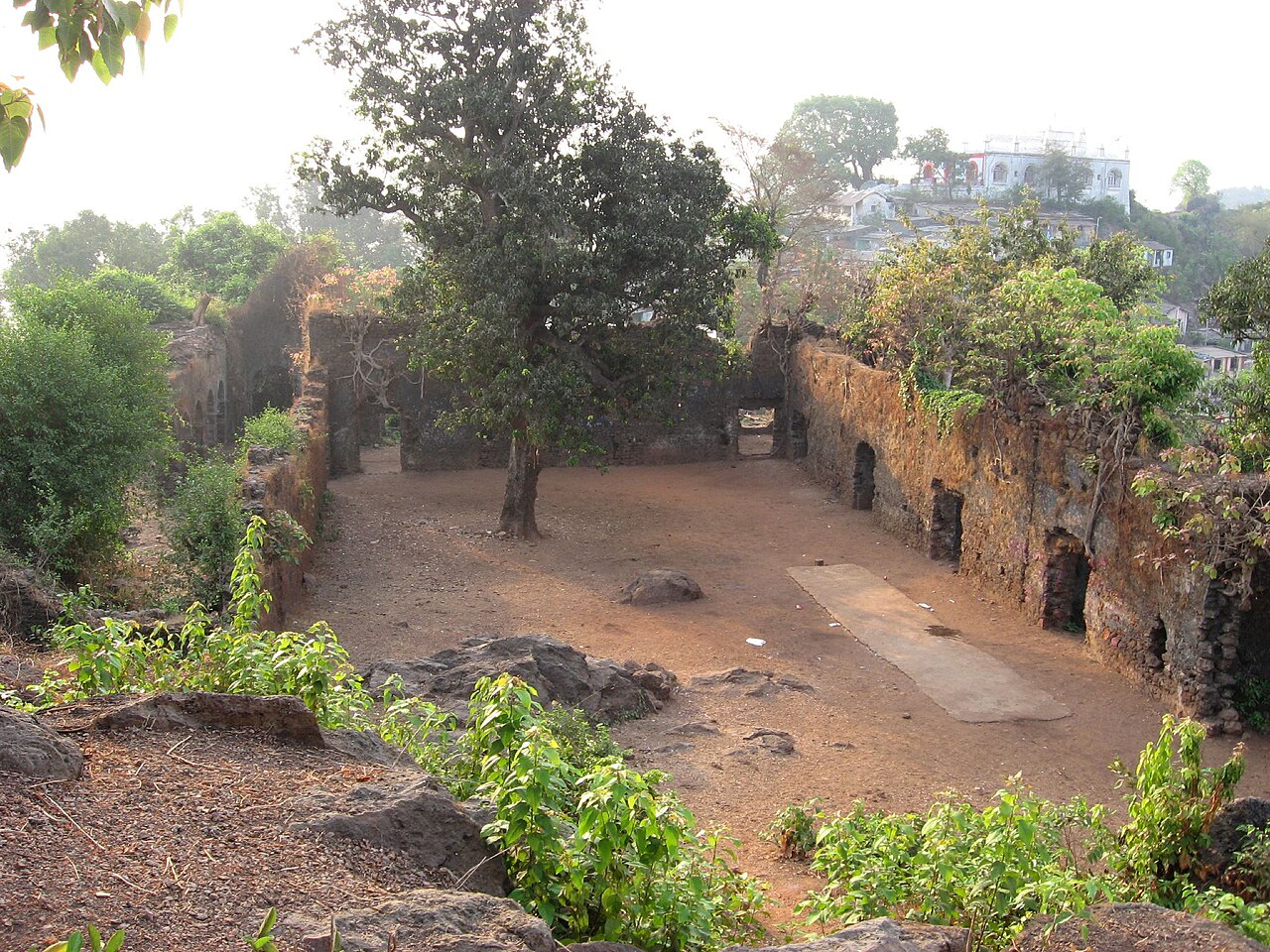
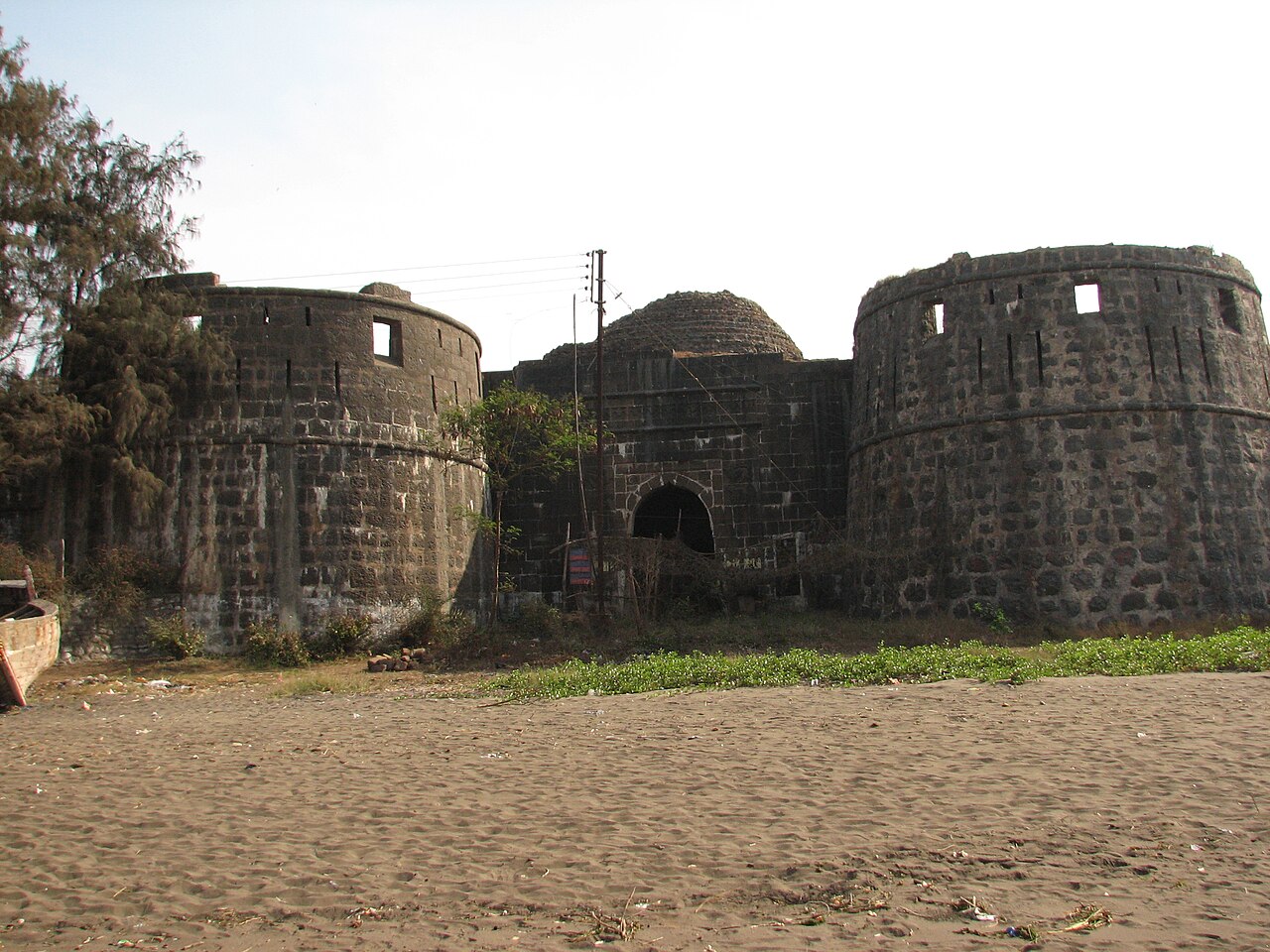
Fort Vasai's design reflects a blend of indigenous and European military architecture adapted to the coastal environment. The fort was originally surrounded by thick stone walls and featured multiple bastions equipped with cannons to defend against naval and land attacks. The walls enclosed an extensive complex including churches, residential quarters, granaries, and armories.
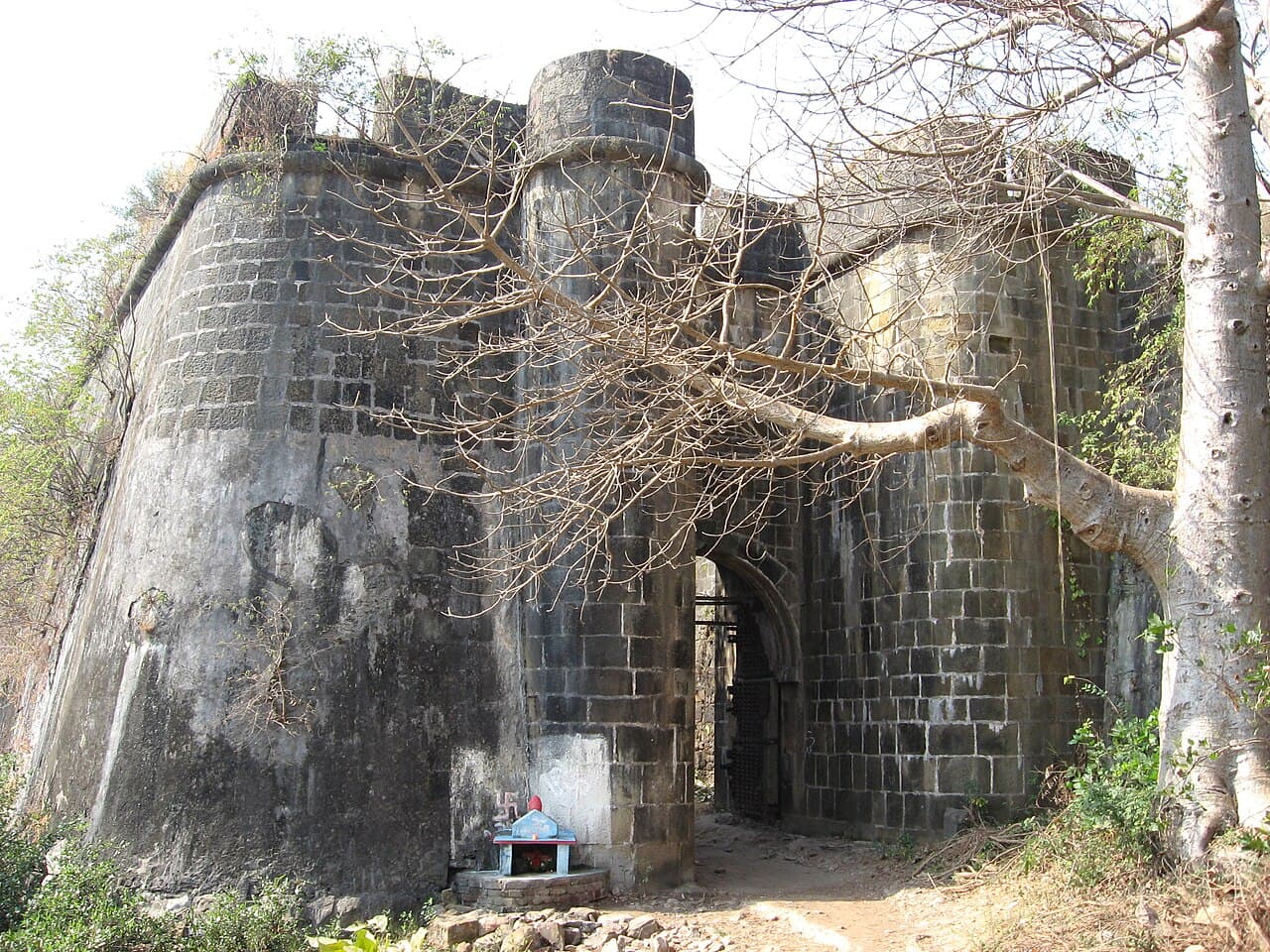
One of the notable architectural elements is the remains of the St. Sebastian Church, which was a central religious structure within the fort. The church combined European Gothic elements with local construction techniques. Other surviving ruins include the fort's gates, watchtowers, and fragments of the that once surrounded the fortifications.
Defensive structures
The fortifications were designed to withstand prolonged sieges. The bastions were strategically placed to provide overlapping fields of fire, and the thick walls were built from locally sourced laterite stone, known for its durability. The moat added an additional layer of defense, making direct assaults difficult.
Residential and religious buildings
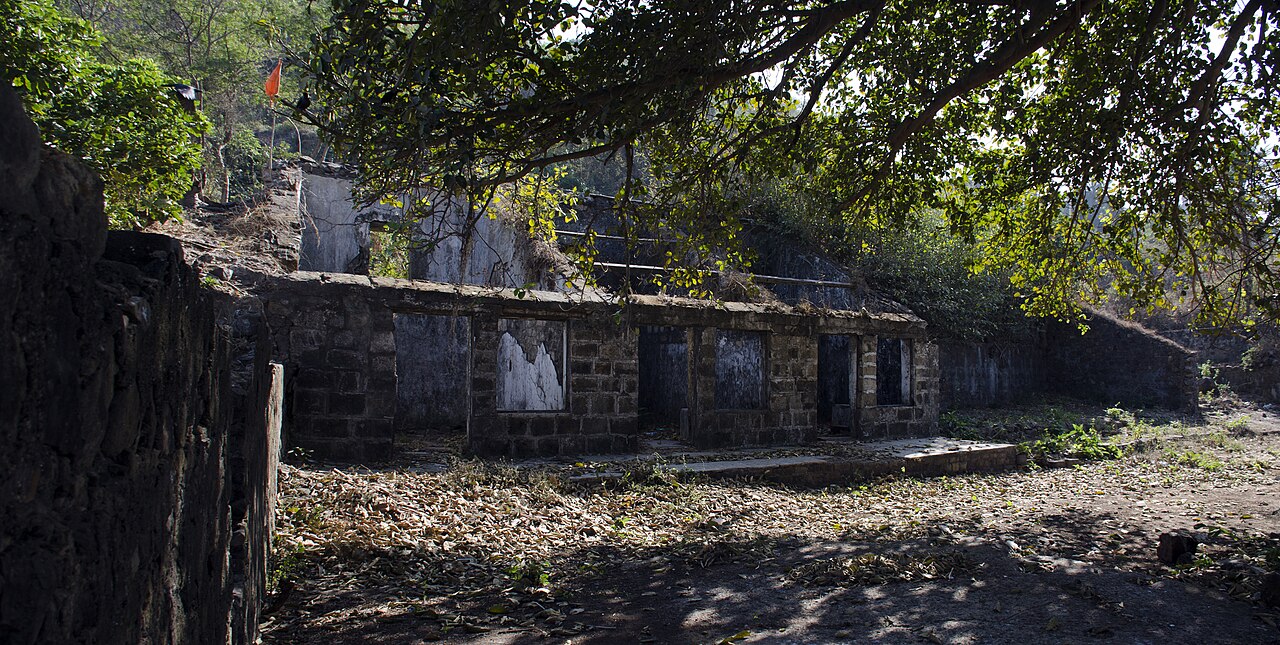
Within the fort, the Portuguese established several buildings to support the garrison and civilian population. The remains of the residential quarters indicate a well-planned settlement with streets and communal areas. The churches served both religious and social functions, reflecting the cultural influence of the Portuguese missionaries.
Current condition and preservation efforts
Today, Fort Vasai is classified as ruins, with many structures partially collapsed or eroded due to centuries of exposure to the coastal climate and lack of continuous maintenance. The Archaeological Survey of India has undertaken preservation efforts to stabilize the remaining walls and prevent further degradation.
The site is accessible to visitors and is a popular destination for those interested in colonial history and architecture. The fort's proximity to Mumbai makes it an important cultural heritage site for the region.
Access and visitor information
Fort Vasai can be reached via the Vasai Railway Station, which is part of the Mumbai suburban railway network. The station lies in the city of Vasai-Virar, just north of Mumbai. Visitors can also use the nearby Naigaon Railway Station on the Western Railway line, facilitating easy access from Mumbai and surrounding areas.
While there are no formal entrance fees, visitors should prepare for uneven terrain and limited facilities on-site. Guided tours may be available locally, providing historical context and architectural insights.
Cultural and historical legacy
Fort Vasai remains an important symbol of the Portuguese colonial presence in India and the subsequent Maratha reclamation of the territory. Its ruins offer valuable insights into the military architecture, urban planning, and cultural exchanges that shaped the western coast of India during the early modern period.
The fort is also significant for its role in the spread of Christianity in the region and stands as a reminder of the complex interactions between European colonizers and indigenous powers.
Frequently asked questions (FAQ)
- How do I get to Fort Vasai?
- Fort Vasai is located just 10 km from Vasai Railway Station, making it easily accessible by local transport such as auto-rickshaws or taxis. You can also take a train to Vasai Road and then continue by road. The fort is situated near the Arabian Sea, providing a scenic route for visitors.
- What is the historical significance of Fort Vasai?
- Fort Vasai, originally built by the Portuguese in the 16th century, was an important military outpost. It played a crucial role in the maritime trade of the region and later became a site of conflict between Portuguese and Maratha forces. Today, it stands as a testament to the colonial history of India.
- When was Fort Vasai built?
- Construction of Fort Vasai began in 1535 and was completed in 1548. It was strategically positioned to protect the Portuguese trade routes and has undergone various modifications throughout its history. The fort's architecture reflects a blend of indigenous and European styles.
- Can I enter Fort Vasai with a camera?
- Yes, visitors are allowed to bring cameras into Fort Vasai, making it a great location for photography enthusiasts. Capture the stunning views of the fort’s architecture and the surrounding landscape. However, it is advisable to check for any specific restrictions during your visit.
- Why is Fort Vasai popular among tourists?
- Fort Vasai is popular for its rich history, impressive architecture, and scenic location by the sea. It offers visitors a glimpse into the past with its well-preserved ruins and panoramic views. Additionally, the fort hosts various cultural events and festivals throughout the year, attracting many tourists.
- Is it possible to visit Fort Vasai at night?
- Fort Vasai is generally open to visitors during daylight hours, and night visits are not typically permitted for safety reasons. However, some special events may offer guided night tours. It’s best to check the official site or local guides for any such opportunities.
- What are the opening hours for Fort Vasai?
- Fort Vasai is open to visitors from 9 AM to 6 PM every day. It’s advisable to visit early in the day to avoid the heat and to fully explore the site. Make sure to check for any seasonal variations in hours before planning your visit.
- What are the ticket prices for Fort Vasai?
- There is no entry fee for visiting Fort Vasai, making it an attractive option for budget travelers. However, there may be charges for guided tours or certain events. Always verify current information before your visit, as prices can change.
- What is the best time to visit Fort Vasai?
- The best time to visit Fort Vasai is between November and February when the weather is cooler and pleasant. This period is ideal for exploring the fort and nearby attractions without the discomfort of the summer heat. Additionally, the fort is less crowded during these months.
- Are there any nearby attractions to Fort Vasai?
- Yes, there are several attractions near Fort Vasai, including the Vasai Beach and the local fishing villages. Visitors can also explore the nearby Vasai Fort, which offers additional historical insights. Enjoying local cuisine at nearby eateries is also highly recommended to enhance your visit.
Photo gallery

Information
Current owner
Archaeological Survey of India
Loading map...
Visitor reviews
No reviews yet. Been here? Write the first review and help other travelers!
Write the first reviewVisited this castle? Share your experience
Your review helps other travelers and adds first-hand knowledge to our encyclopedia.