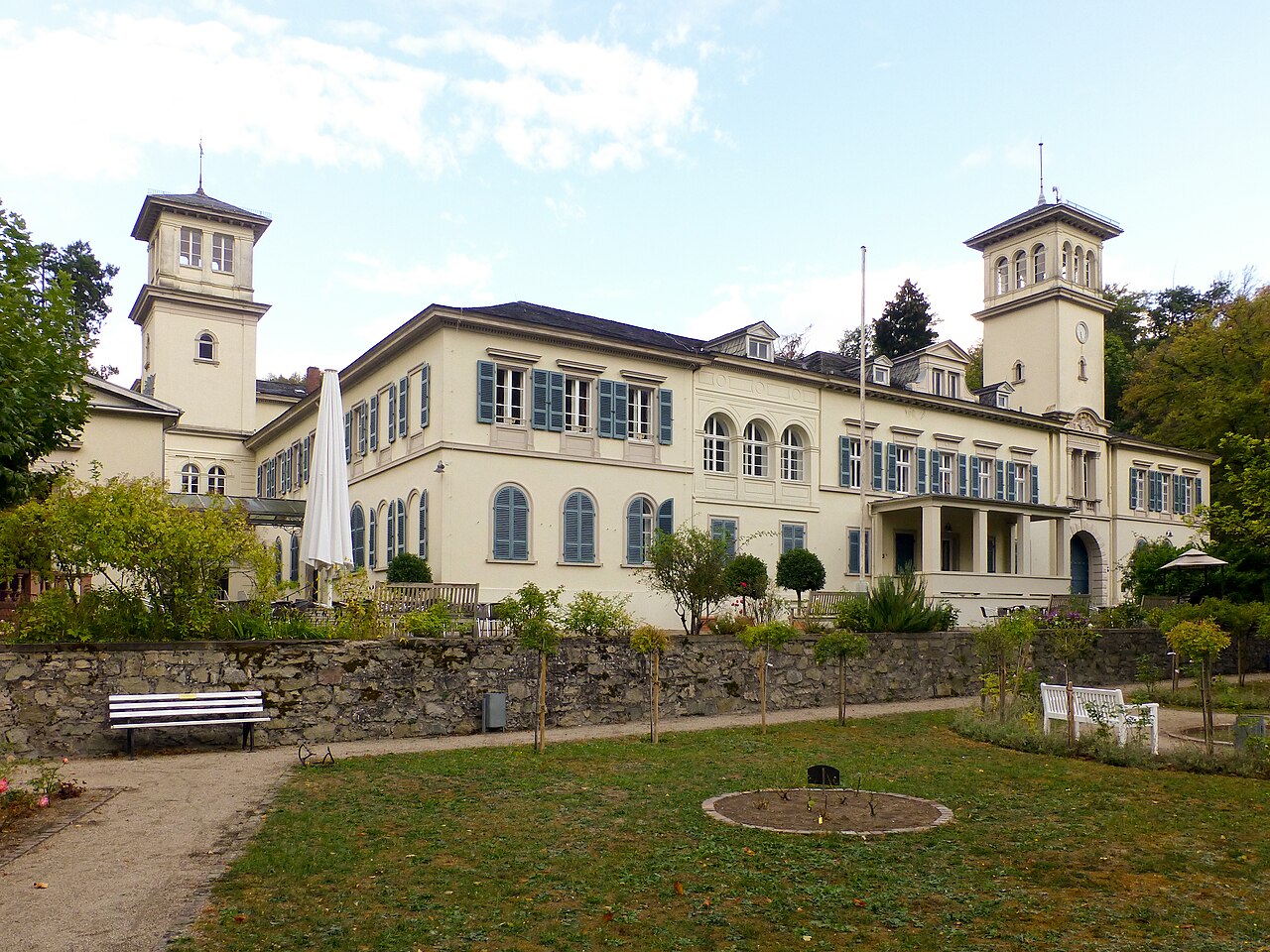
Germany's Castle Frankenstein
Castle Frankenstein, located in Mühltal, Hessen, Germany, is a historic fortress renowned for its intriguing connection to Johann Konrad Dippel, a colorful alchemist born there in 1673. The castle's legacy is deeply intertwined with tales of alchemy, early chemistry, and legends that may have inspired literary works. It stands as a significant cultural landmark in the region, attracting visitors interested in its mysterious past and architectural heritage.
Historical background and significance
Castle Frankenstein dates back to the medieval period, with its origins rooted in the strategic and defensive needs of the region. Although the exact construction date is uncertain, the castle's prominence rose in the early modern period, particularly due to its association with Dippel. The castle's name has become synonymous with alchemical experimentation and early scientific inquiry, largely because of Dippel's activities there.
Johann Konrad Dippel and his alchemical pursuits
Johann Konrad Dippel was an alchemist and theologian who became famous for his experiments at Castle Frankenstein. He was rumored to create potions, perform electrical therapies, and conduct gruesome experiments involving stolen body parts from graveyards. While it remains disputed whether Dippel inspired Mary Shelley's fictional mad scientist in Frankenstein, his life and work certainly contributed to the castle's eerie reputation.
Dippel's most notable contribution was the discovery of Dippel's Animal Oil, a substance derived from the destructive distillation of animal parts. He claimed it was a universal medicine, reflecting the shift in alchemy during his time from the pursuit of gold to the development of medicinal chemistry, known as Iatrochemistry. Despite its initial popularity, the oil's unpleasant taste and smell, along with advances in medicine, led to its decline by the late 18th century.
Architectural features and layout
Castle Frankenstein exhibits characteristics typical of a hill castle (HILL_CASTLE), strategically positioned to oversee the surrounding landscape. Its medieval construction includes robust stone walls, defensive towers, and a gatehouse designed to protect against invaders. The castle's layout reflects the military architectural principles of its era, with battlements and fortified courtyards.
While much of the castle remains in a partially preserved state, visitors can still observe key elements such as the keep, remnants of the curtain walls, and the foundations of various outbuildings. The castle's elevated position not only provided defense but also a commanding view of the Odenwald forest region.
Restoration and current condition
Over the centuries, Castle Frankenstein has undergone various phases of decay and restoration. Today, it is considered partially preserved, with ongoing efforts to maintain its structural integrity and historical value. The castle is accessible to the public, offering guided tours that highlight its fascinating history and architectural features.
Cultural impact and legends
The castle's association with Johann Konrad Dippel has fueled numerous legends and inspired popular culture. The rumors of Dippel's experiments have contributed to the castle's reputation as a site of mystery and the macabre. This mystique has made Castle Frankenstein a popular destination for those interested in gothic tales and the origins of the Frankenstein mythos.
While there is no definitive proof that Mary Shelley based her character on Dippel, the castle's name and Dippel's life story have become entwined with the Frankenstein legend in the public imagination. The castle hosts events and exhibitions that explore these themes, blending history with folklore.
Visiting castle Frankenstein
Visitors to Castle Frankenstein can explore the ruins and enjoy panoramic views of the surrounding Hessen landscape. The site offers educational tours focusing on its history, architecture, and the life of Johann Konrad Dippel. The castle is especially popular during Halloween and other cultural events that celebrate its eerie legacy.
The castle's location in Mühltal makes it accessible from nearby cities, and it serves as a notable attraction within the region. Visitors are encouraged to check opening hours and ticket prices in advance, as these can vary seasonally.
Frequently asked questions (FAQ)
- What is the historical significance of Castle Frankenstein?
- Castle Frankenstein is historically significant for its association with Johann Konrad Dippel, an alchemist known for his experiments and contributions to early medicinal chemistry.
- Can I visit Castle Frankenstein year-round?
- Castle Frankenstein is generally open to visitors throughout the year, but opening hours may vary seasonally. It is recommended to check in advance before planning your visit.
- Is Castle Frankenstein the inspiration for Mary Shelley's Frankenstein?
- While it is disputed, some believe Johann Konrad Dippel's life and experiments at Castle Frankenstein may have inspired Mary Shelley's fictional character.
- What architectural features can I see at Castle Frankenstein?
- Visitors can see remnants of the castle's medieval stone walls, defensive towers, gatehouse, and the keep, showcasing typical hill castle architecture.
- Are there guided tours available at Castle Frankenstein?
- Yes, guided tours are available that provide detailed insights into the castle's history, architecture, and the life of Johann Konrad Dippel.
Information
Website
Visit websiteSources & official resources
Verify the information above using these authoritative references.
Loading map...
Visitor reviews
No reviews yet. Been here? Write the first review and help other travelers!
Write the first reviewVisited this castle? Share your experience
Your review helps other travelers and adds first-hand knowledge to our encyclopedia.