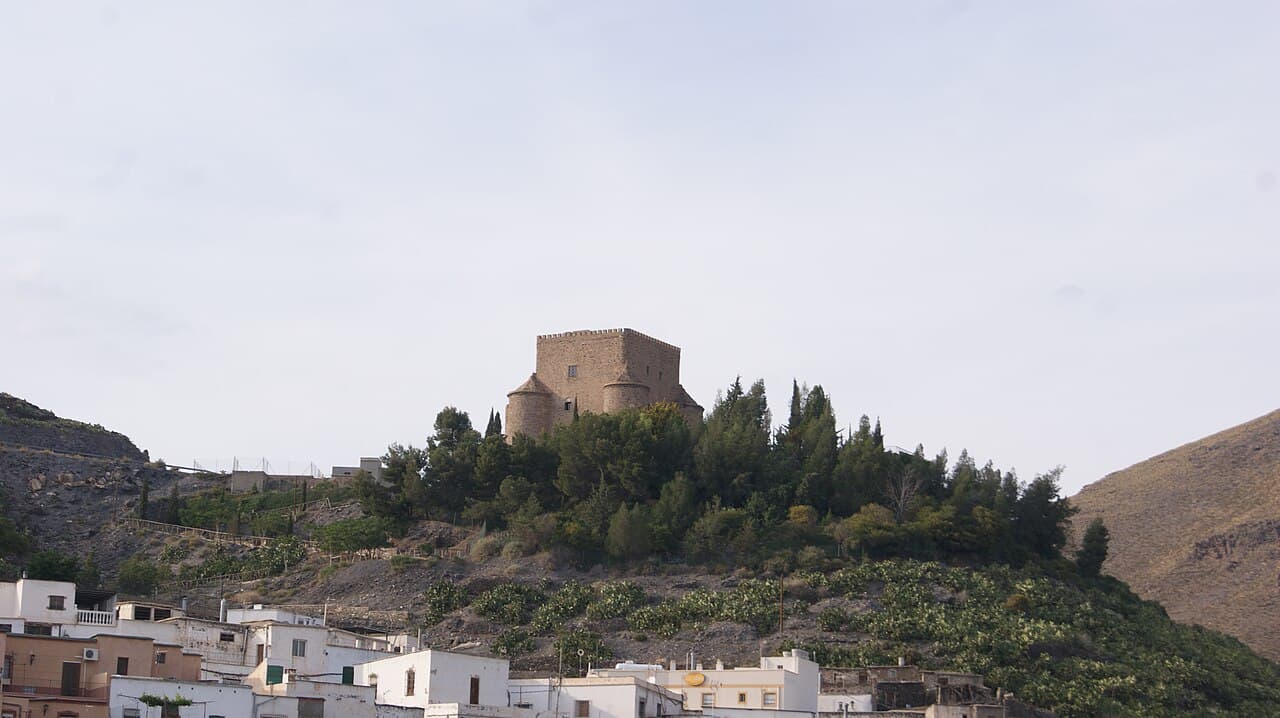
Gérgal Castle, locally known as Castillo de Gérgal, is a historic hilltop fortress situated above the village of Gérgal in the province of Almería, Spain. This castle stands as a remarkable example of a 17th-century reconstruction built on the remains of an earlier Muslim fortification dating back to the Late Middle Ages. Its strategic hilltop location provided commanding views over the surrounding terrain, making it a key defensive stronghold throughout its history.
The origins of Gérgal Castle trace back to the period of Muslim rule in the Iberian Peninsula, when it was initially constructed as a fortified position to control and defend the region. By the end of the 15th century, specifically in 1492, the castle fell under the control of the Catholic Monarchs, Queen Isabella I of Castile and King Ferdinand II of Aragon, following the conclusion of the Reconquista. Recognizing its strategic importance, the monarchs granted the castle to Alonso de Cárdenas, the Grand Master of the Order of Santiago, as a reward for his services during the Granada War.
Historical significance during the 16th century
During the 16th century, Gérgal Castle played a vital role in the defense against raids conducted by Barbary pirates, who were often supported by the remaining Moorish population in the area. The castle's fortifications helped protect the inland territories from these incursions, which were a persistent threat along the southern coast of Spain.
In 1568, the region experienced a significant upheaval during the Morisco rebellion. The local Moors rebelled, massacring the Christian inhabitants of Gérgal and seizing control of the castle. Christian forces eventually retook the fortress, but to prevent its reuse by the rebels, the castle was deliberately destroyed. This event was part of a broader conflict that culminated in the expulsion of all Moors from the Iberian mainland between 1571 and 1620, leaving the surrounding area depopulated and vulnerable to banditry.
Reconstruction and architectural features
In the first half of the 17th century, Gérgal Castle was rebuilt on the foundations of the original Muslim fortress. This rebuilding effort aimed to restore order and encourage repopulation in the region. The castle that stands today primarily reflects this 17th-century reconstruction.
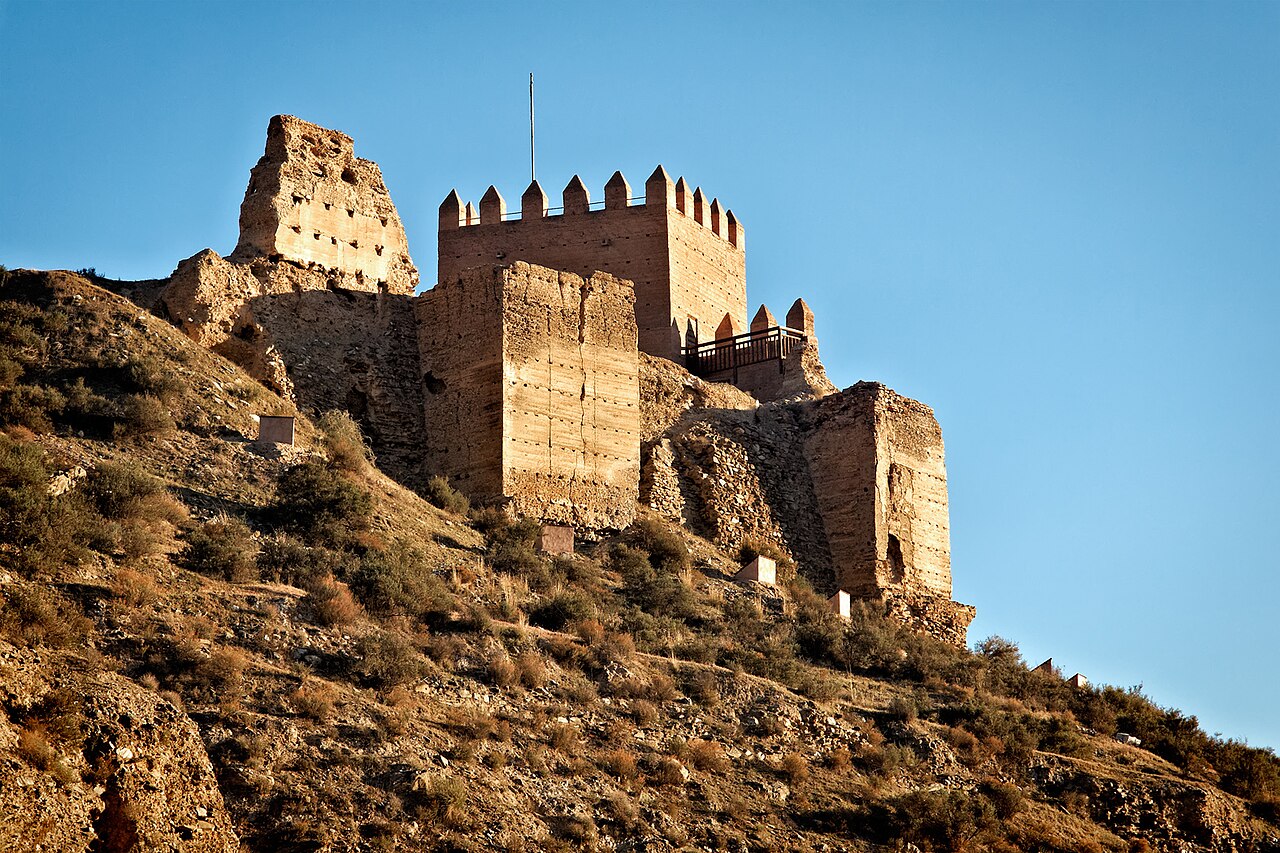
The castle's core structure is a square crenellated tower, a typical defensive feature of the period, surrounded by lower round towers at each corner. These round towers provided additional vantage points and defensive capabilities. Attached to the northwestern facade of the main tower is a semicircular bastion, enhancing the castle's ability to repel attackers from that direction.
One of the most distinctive architectural elements of Gérgal Castle is its construction material. The walls are built from horizontally laid slabs of slate, a locally sourced stone that gives the castle a unique appearance compared to other Andalusian fortresses. This use of slate not only provided durability but also contributed to the castle's aesthetic character.
The castle is also surrounded by a crenellated outer wall, which was added by the current private owner to complement the historic structure and enhance its defensive appearance. This outer wall encloses the castle courtyard, providing an additional layer of fortification.
Later history and current status
By the mid-18th century, Gérgal Castle was owned by Isabel Pacheco Portocarrero, Countess of Puebla del Maestre and Marchioness of Torre de las Sirgadas. During her ownership, the castle was repurposed as a storage facility for grains, reflecting a shift from military to agricultural use.
Following the extinction of her descendants in 1940, ownership of the castle passed to the local council. In 1968, the castle was transferred to the Spanish State, which auctioned it off in 1972 to a private individual. Today, Gérgal Castle remains a private residence and is not open to public visits. However, its prominent hilltop position allows it to be easily viewed from the adjacent public road.
Architectural style and regional context
While the castle was rebuilt during the Renaissance period, its architecture primarily reflects military functionalism rather than ornate Renaissance aesthetics. The fortress exhibits characteristics of a hill castle adapted to the rugged terrain of the Almería province. Its slate construction and combination of square and round towers provide a distinctive silhouette against the landscape.
The castle's design also shows influences that may remind observers of French military architecture, particularly in the use of bastions and the layout of the defensive walls, which is somewhat unusual for Andalusian castles. This unique blend of styles and materials contributes to Gérgal Castle's architectural interest.
Legacy and cultural importance
Gérgal Castle stands as a testament to the complex history of southern Spain during the transition from Muslim to Christian rule. Its role in the Granada War and subsequent conflicts with the Moors highlights the turbulent nature of the region's past. The castle's reconstruction in the 17th century symbolizes efforts to stabilize and repopulate an area deeply affected by war and rebellion.
Although not accessible to visitors, Gérgal Castle remains an important landmark in Almería, offering insights into the military architecture and historical events that shaped the province. Its preservation as a private residence ensures the continued survival of this unique fortress built from slate, a rare feature among Spanish castles.
Frequently asked questions (FAQ)
- How do I get to Gérgal Castle?
- Gérgal Castle is located in the village of Gérgal, Spain, easily accessible by car or public transport from nearby cities like Almería. If you are driving, there is parking available near the castle. Consider checking local bus schedules for the best public transport options.
- What is the historical significance of Gérgal Castle?
- Gérgal Castle dates back to the 14th century and played a key role in the region's defense during the medieval period. It is a valuable example of Moorish architecture and has been preserved as a reminder of its historical importance. Visitors can learn about its fascinating past through informational displays on-site.
- When was Gérgal Castle built?
- Construction of Gérgal Castle began in the late 14th century, during a time when conflicts were common in the region. The castle has undergone various renovations over the centuries, reflecting different architectural styles. Its enduring presence showcases the historical evolution of defensive structures in Spain.
- Can I take pictures inside Gérgal Castle?
- Yes, visitors are welcome to take pictures inside Gérgal Castle, allowing you to capture the stunning architecture and scenic views. However, it's recommended to be respectful of any guided tours and other visitors while doing so. Sharing your photos on social media helps promote the castle's rich history!
- Why is Gérgal Castle a popular tourist destination?
- Gérgal Castle is popular due to its impressive historical architecture, stunning views of the surrounding landscape, and rich cultural heritage. It serves as an excellent spot for both history enthusiasts and casual visitors looking to explore Spain's medieval past. The castle often hosts events, making it an engaging destination for tourists.
- Is it possible to access Gérgal Castle for people with disabilities?
- Gérgal Castle has made efforts to improve accessibility for visitors with disabilities, but some areas may still present challenges due to the castle's historical structure. It's advisable to contact the castle management ahead of your visit to inquire about accessible routes and facilities. They strive to accommodate all visitors as best as possible.
- What are the opening hours for Gérgal Castle?
- Gérgal Castle is typically open to visitors from 10 AM to 6 PM, but hours may vary depending on the season and special events. It's best to check the castle's official website or contact them directly for the most up-to-date information on opening hours. Planning your visit during weekdays may also help avoid larger crowds.
- Are there any nearby attractions to visit?
- Yes, there are several attractions near Gérgal Castle, including the charming village of Gérgal itself and the beautiful natural parks in the area. Visitors can also explore other historical sites and enjoy local cuisine at nearby restaurants. Combining your castle visit with a tour of the region enhances your overall experience.
- What are the ticket prices for Gérgal Castle?
- Tickets for Gérgal Castle are generally affordable, with discounts often available for students, seniors, and children. Prices may vary for special events or guided tours, so it's recommended to check the official website for the latest pricing information. Investing in a ticket grants you access to explore the castle's fascinating history and architecture.
Photo gallery

Information
Loading map...
Visitor reviews
No reviews yet. Been here? Write the first review and help other travelers!
Write the first reviewVisited this castle? Share your experience
Your review helps other travelers and adds first-hand knowledge to our encyclopedia.