Genoese Fortress (Sudak)
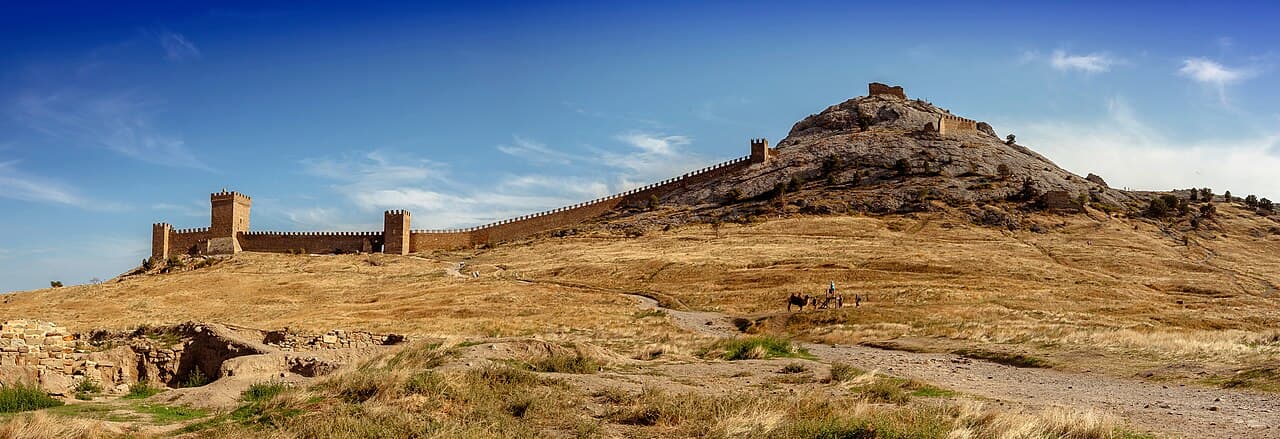
The Genoese fortress of Sudak, also known as the Sudak fortress, is a significant medieval bastioned fortress located in the historic town of Sudak in Crimea. Constructed primarily during the 14th century, it was built by the Genoese during their period of commercial and military expansion in the Black Sea region. The fortress occupies a substantial area of approximately 27.9 hectares, making it one of the largest and best-preserved examples of Genoese military architecture in Eastern Europe.
Historical context and construction
The fortress was developed over a period spanning the 13th to 15th centuries, reflecting the strategic importance of Sudak as a trading hub on the Crimean coast. The Genoese established the fortress to protect their valuable trading colony and to secure maritime routes against rival powers such as the Golden Horde and the Ottoman Empire. The construction involved extensive use of thick defensive walls and bastions, designed to withstand artillery attacks that were becoming more common during the Late Medieval period.
Architectural features and design
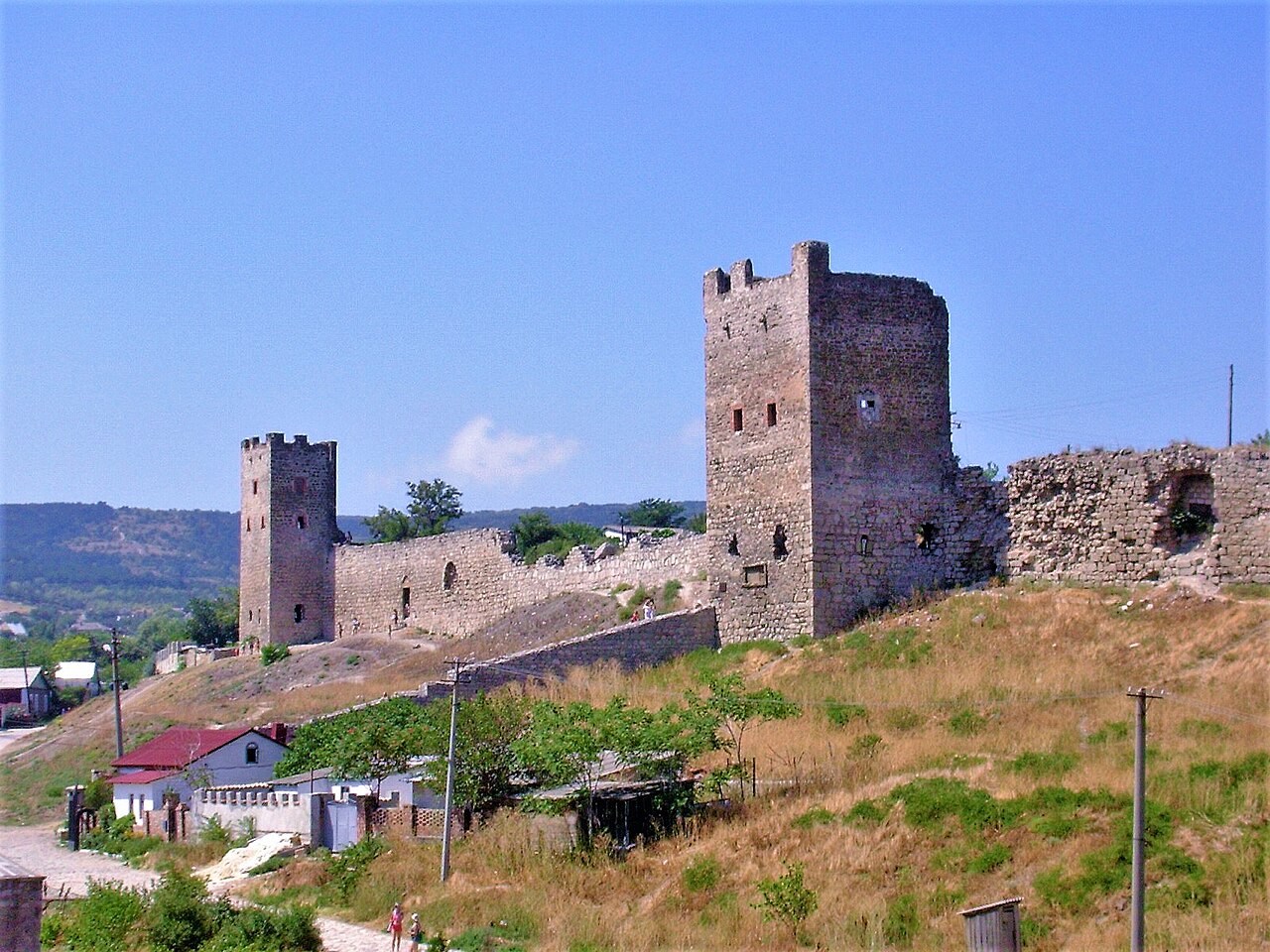
The fortress is characterized by its bastioned walls, which are a hallmark of military architecture from the Late Medieval period, designed to provide overlapping fields of fire and enhanced defense against siege warfare. The walls are punctuated by multiple towers and gatehouses, which served both defensive and administrative functions. The complex includes a citadel area, which housed the command center and living quarters for the fortress garrison.
Defensive structures
The bastions are strategically placed to cover all approaches to the fortress, allowing defenders to repel attackers effectively. The fortress walls incorporate arrow slits and machicolations for archers and defenders to launch projectiles while remaining protected. The moat surrounding parts of the fortress added an additional layer of defense against siege engines and infantry assaults.
Internal layout
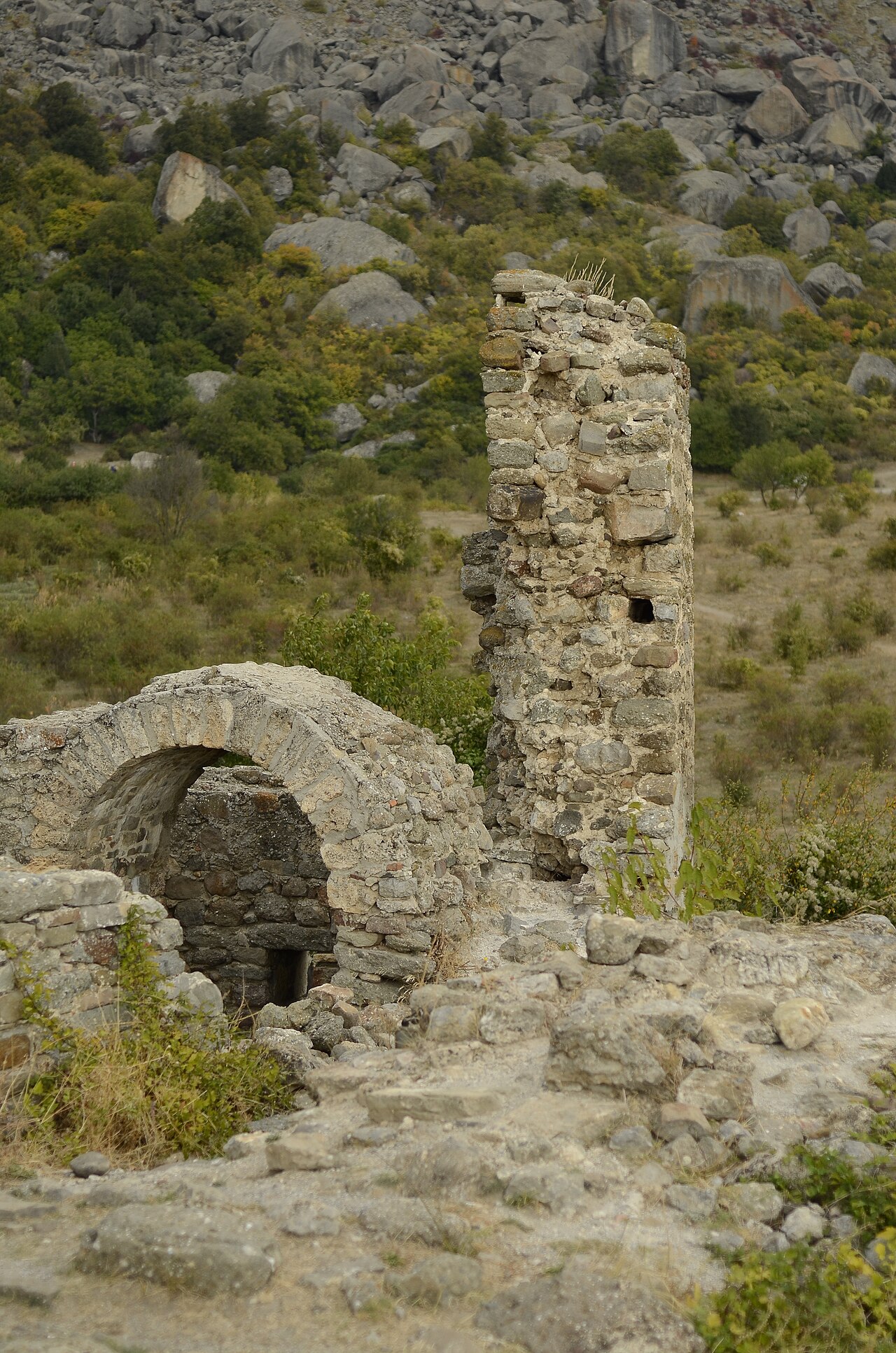
Inside the fortress, there are remains of various residential buildings, warehouses, and chapels, indicating the fortress was not only a military installation but also a self-sustaining community. The courtyards provided space for mustering troops and storing supplies, while the cisterns ensured a reliable water supply during sieges.
Strategic importance and historical events
During its active use, the fortress played a crucial role in controlling trade routes along the Black Sea and defending the Genoese colony from various attacks. It was involved in conflicts with the Golden Horde and later faced threats from the expanding Ottoman Empire. The fortress changed hands several times before falling under Ottoman control in the late 15th century.
Preservation and current status
Today, the Genoese fortress of Sudak stands as a well-preserved monument and is a popular tourist attraction in Crimea. Its extensive walls and bastions remain largely intact, offering visitors a glimpse into medieval military architecture and the complex history of the Black Sea region. Archaeological efforts have helped uncover details about the fortress's construction phases and daily life within its walls.
Visiting the fortress
Visitors to the fortress can explore its extensive ramparts, towers, and internal buildings. The site provides panoramic views of the surrounding landscape and the Black Sea. Informational displays and guided tours help contextualize the fortress's historical significance and architectural features.
Frequently asked questions (FAQ)
- When was the Genoese fortress of Sudak built?
- The fortress was primarily constructed in the 14th century, with development continuing from the 13th to the 15th centuries.
- What architectural style characterizes the fortress?
- The fortress features Late Medieval bastioned military architecture, designed for defense against artillery and siege warfare.
- Can visitors explore the fortress today?
- Yes, the Genoese fortress of Sudak is well preserved and open to visitors, offering tours and panoramic views of the Black Sea region.
- Why was the fortress built by the Genoese?
- It was built to protect the Genoese trading colony in Sudak and secure important maritime trade routes in the Black Sea during the Late Medieval period.
- What are some notable features of the fortress?
- Notable features include bastioned walls, towers, gatehouses, a citadel, moats, and internal courtyards with cisterns and chapels.
Photo gallery

Information
Loading map...
Visitor reviews
No reviews yet. Been here? Write the first review and help other travelers!
Write the first reviewVisited this castle? Share your experience
Your review helps other travelers and adds first-hand knowledge to our encyclopedia.