Gawilghur Fort
Gawilghur Fort, also known as Gawilgarh or Gawilgad, is a prominent bastioned fortress located in the Amravati District of Maharashtra, India. Perched strategically on a mountain within the Satpura Ranges, this fort was a significant military stronghold of the Maratha Empire during the late medieval period. Its construction dates back to the 15th century, reflecting the defensive architectural style characteristic of that era, adapted to the rugged terrain of the Deccan Plateau.
Strategic location and architectural design
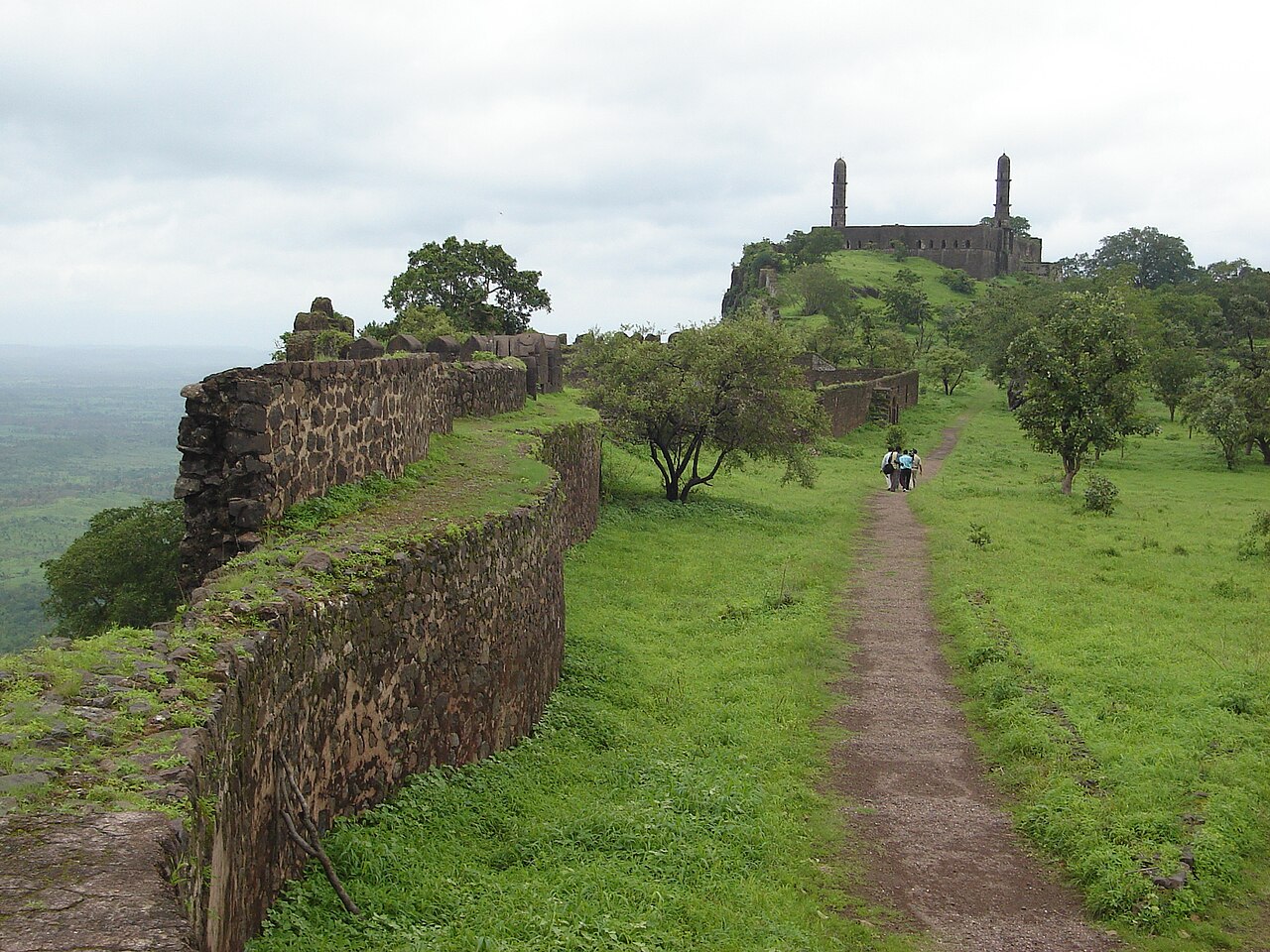
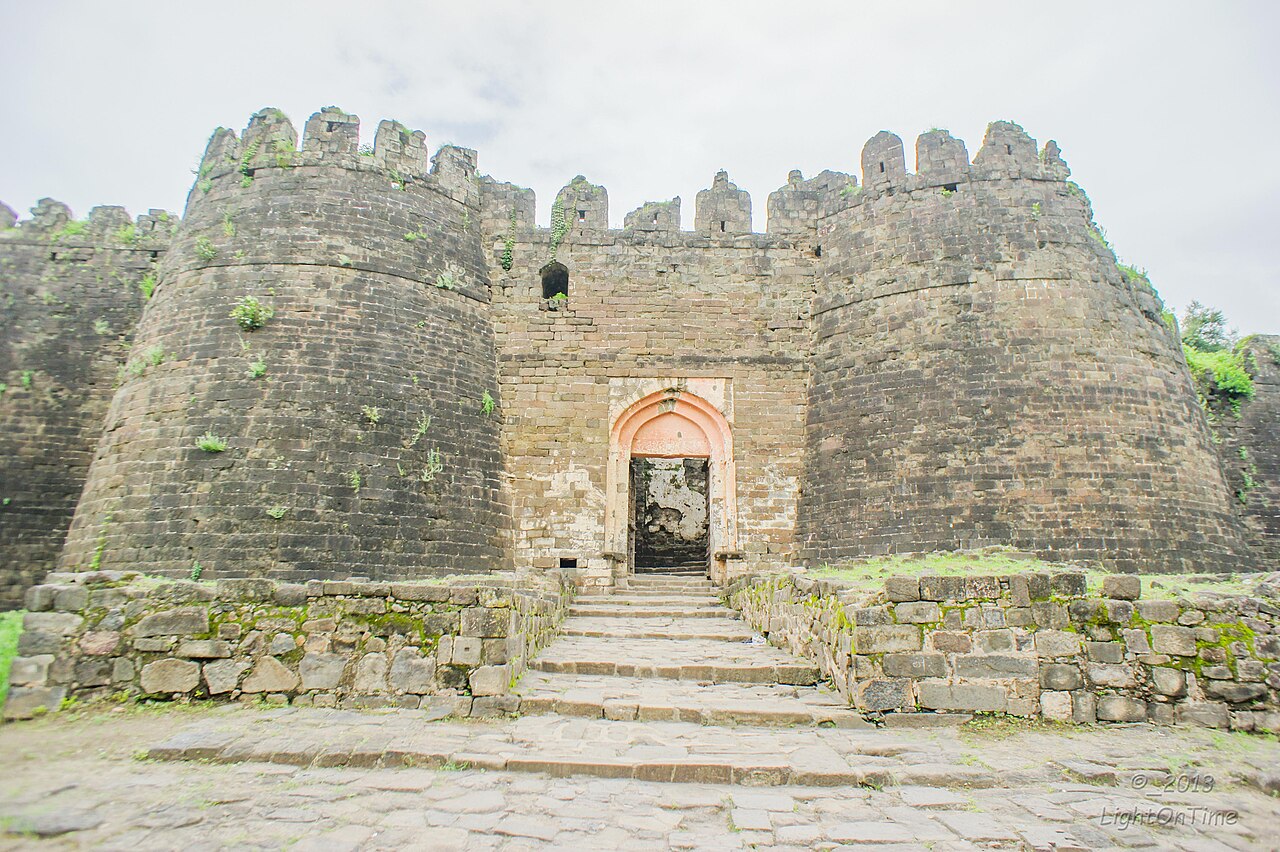
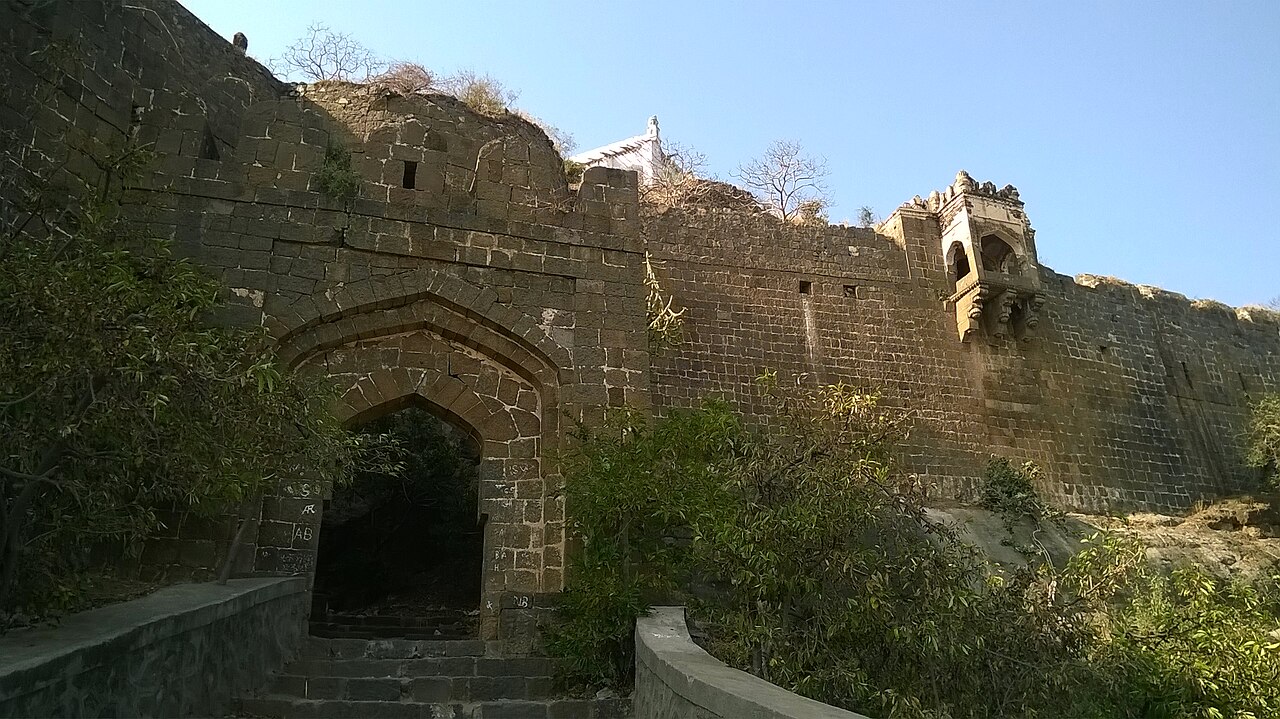
The fort's location on a mountain ridge provided a natural defense advantage, making it difficult for invading armies to mount a successful assault. The bastioned fortress design incorporates thick stone walls and multiple defensive bastions that allowed defenders to cover all approaches effectively. The fort complex includes massive ramparts, gatehouses, watchtowers, and a series of fortified walls that enclose the inner sanctum.
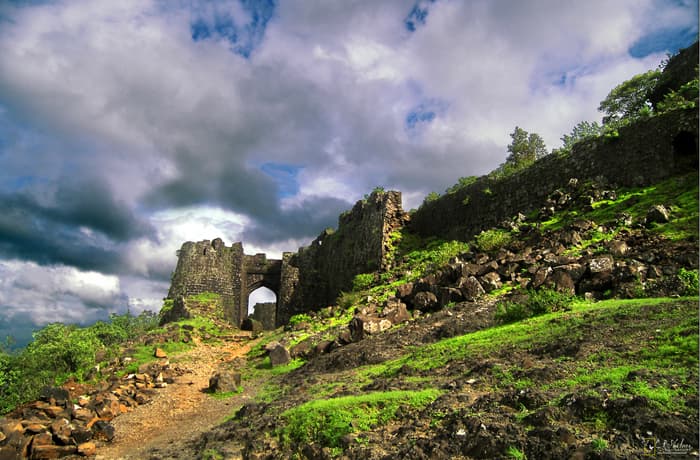
The layout is adapted to the contours of the hill, with terraced levels connected by narrow, winding paths and stairways. This design maximized defensive capabilities by forcing attackers to navigate difficult terrain under constant threat from defenders positioned above.
Historical significance and military engagements
During the Second Anglo-Maratha War, Gawilghur Fort was the site of a notable siege in December 1803. The fort was commanded by Maratha forces and was considered nearly impregnable due to its natural and man-made defenses. However, a British force led by Arthur Wellesley, who would later become the Duke of Wellington, successfully captured the fort on 15 December 1803.
This victory was a significant strategic gain for the British East India Company, as it helped to weaken Maratha control in the region. The siege demonstrated the effectiveness of coordinated military tactics against fortified hill positions and marked an important episode in the colonial expansion of British power in India.
Architectural features and fortifications
The fort's bastioned walls are constructed from locally sourced stone, with some sections reaching impressive thickness to withstand artillery fire. The bastions are spaced to provide overlapping fields of fire, a hallmark of bastioned fort design that emerged in response to the increasing use of gunpowder weapons.
Within the fort, there are remnants of living quarters, granaries, and water reservoirs, indicating that the fort was designed for prolonged sieges. The presence of underground passages and secret escape routes has been suggested by local lore, though these features require further archaeological verification.
Current condition and preservation efforts
Today, Gawilghur Fort remains in a state of partially preserved ruins. The rugged terrain and centuries of exposure have led to significant weathering and deterioration of many structures. Nevertheless, the fort continues to attract historians, archaeologists, and tourists interested in Maratha military architecture and colonial history.
Conservation efforts have been sporadic, focusing on stabilizing key sections of the walls and protecting the site from further decay. The fort is accessible to visitors, though the challenging ascent requires a moderate level of fitness.
Visiting Gawilghur Fort
Visitors to Gawilghur Fort can explore the extensive ruins and enjoy panoramic views of the surrounding Satpura hills. The site offers insights into late medieval military architecture and the turbulent history of the Maratha Empire's conflicts with British colonial forces.
The best time to visit is during the cooler months from October to March, as the monsoon season can make the paths slippery and hazardous. There are no formal visitor facilities on the fort itself, so visitors should prepare accordingly.
Frequently asked questions (FAQ)
- How do I get to Gawilghur Fort?
- Gawilghur Fort is located in the Amravati District of Maharashtra, India. Visitors typically reach the fort via road from Amravati city, followed by a hike up the mountain to the fortress.
- What is the historical significance of Gawilghur Fort?
- Gawilghur Fort was a key stronghold of the Maratha Empire and was notably captured by Arthur Wellesley during the Second Anglo-Maratha War in 1803, marking an important colonial military victory.
- Can I explore the entire fort area?
- While much of Gawilghur Fort is accessible, some sections are in ruins and may be unsafe. Visitors should exercise caution and stick to established paths during their exploration.
- When is the best time to visit Gawilghur Fort?
- The best time to visit is from October to March when the weather is cooler and the trails are safer. Avoid the monsoon season due to slippery paths.
- Is there an entrance fee to visit Gawilghur Fort?
- There is typically no entrance fee to visit Gawilghur Fort, making it an accessible historical site for tourists and history enthusiasts.
Photo gallery

Information
Loading map...
Visitor reviews
No reviews yet. Been here? Write the first review and help other travelers!
Write the first reviewVisited this castle? Share your experience
Your review helps other travelers and adds first-hand knowledge to our encyclopedia.