Asirgarh Fort
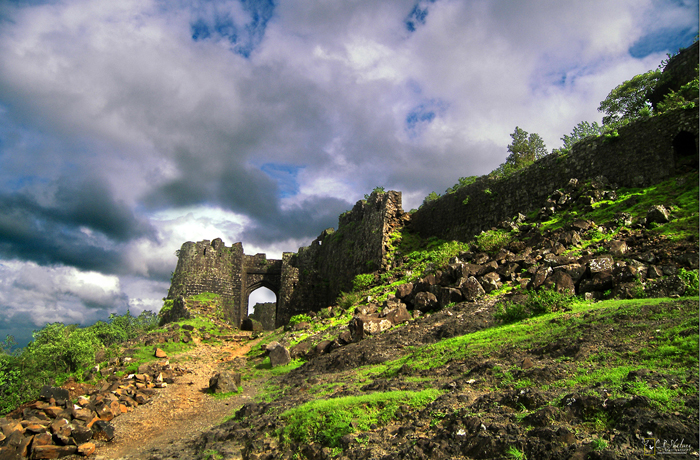
Asirgarh Fort is a significant bastioned fortress located in the Satpura Range, approximately 20 kilometres north of Burhanpur city in the Indian state of Madhya Pradesh. Constructed in the early 15th century, this fort strategically commands a vital pass connecting the valleys of the Narmada and Tapti rivers. This route has historically been one of the most important gateways from northern India to the Deccan Plateau, earning Asirgarh the epithet "key to the Deccan."
Strategic location and historical significance
Asirgarh Fort's position atop the Satpura Range provided a commanding view and control over the surrounding landscape. This elevated location allowed it to dominate the crucial trade and military route linking northern India with the Deccan region to the south. The fort's control over this pass made it a coveted military asset for various ruling powers over centuries.
Throughout its history, Asirgarh was a focal point in the power struggles between regional sultanates and empires. Its control was essential for maintaining dominance over central India and access to the Deccan. The fort witnessed numerous sieges and battles, reflecting its importance in the political and military landscape of medieval India.
Architectural features and fortifications
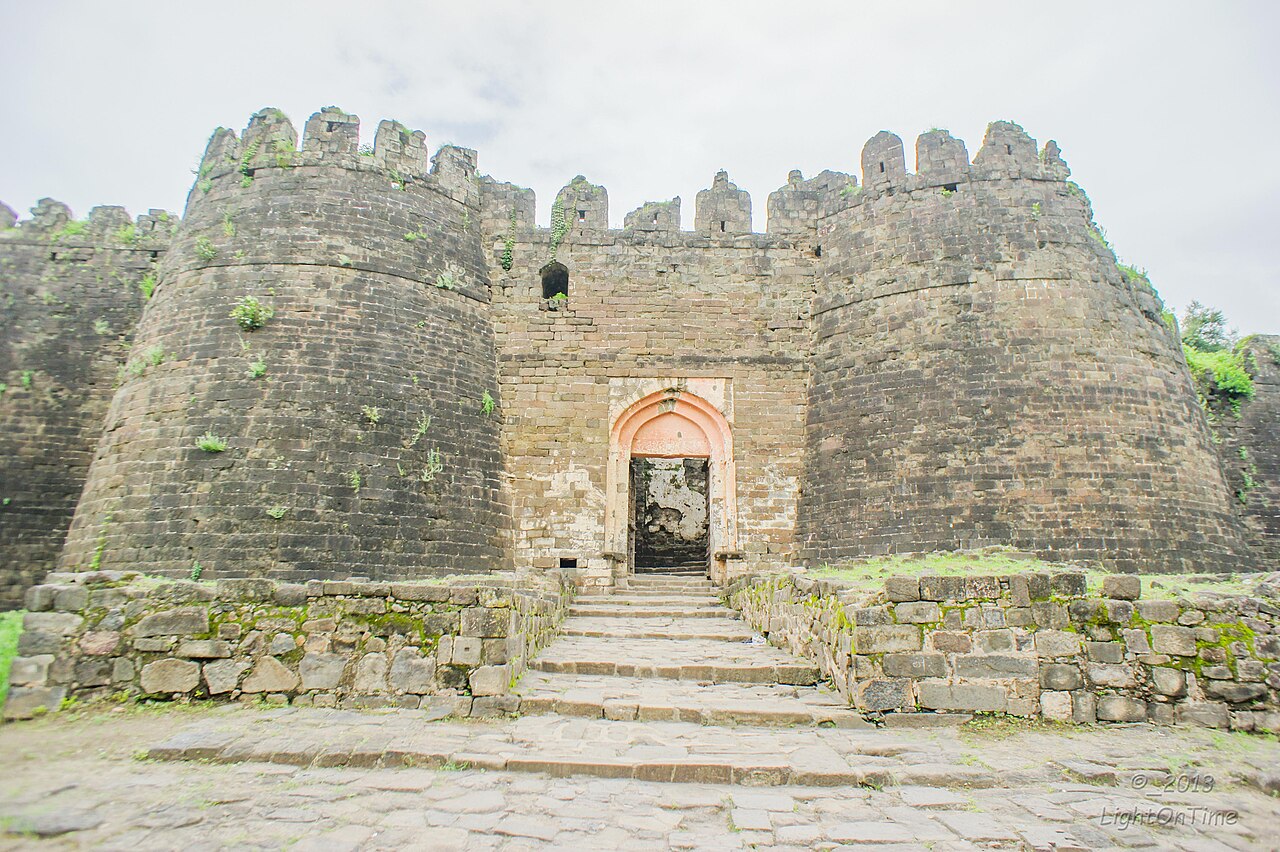
The fort is a classic example of a bastioned fortress, a style that became prominent in the late medieval period. Its design incorporates thick defensive walls reinforced with bastions—projecting parts of the fortification that allowed defenders to cover adjacent walls with gunfire. This design was effective against artillery attacks, which were becoming increasingly common during the period.
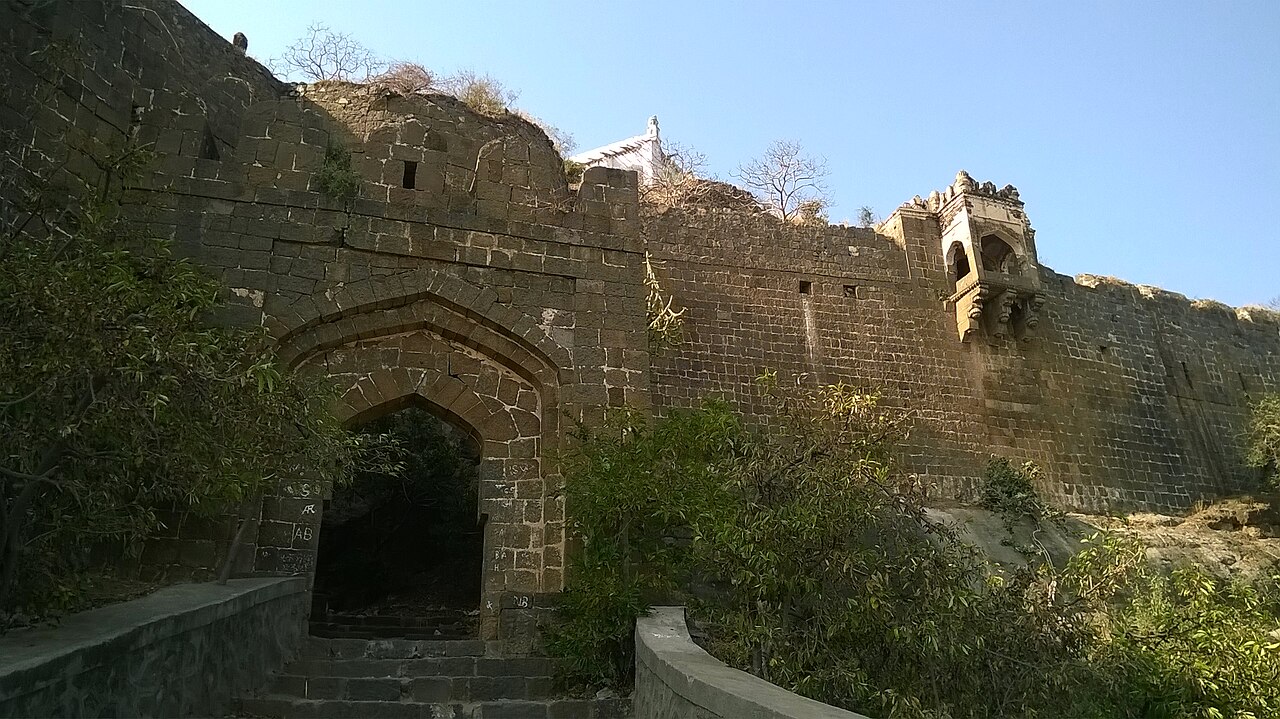
Asirgarh's fortifications include massive stone walls, multiple gates, and strategically placed bastions that provided overlapping fields of fire. The fort complex also contains residential quarters, granaries, water reservoirs, and temples, reflecting its role as both a military stronghold and a self-sufficient settlement.
Defensive structures
The walls of Asirgarh are constructed from locally sourced stone, designed to withstand prolonged sieges. The bastions are positioned to cover all approaches, eliminating blind spots. The main gate is heavily fortified, often featuring multiple layers of defense including a barbican and fortified gateways.
Water management
Given its hilltop location, securing water was critical. The fort features an intricate system of water reservoirs and wells that ensured a reliable water supply during sieges. These water bodies were often covered or protected to prevent contamination or sabotage.
Historical timeline and rulers
Built in the early 15th century, Asirgarh Fort was initially under the control of local rulers before becoming part of the Malwa Sultanate. It later came under the influence of the Mughal Empire during the 16th and 17th centuries. The fort played a pivotal role during the Mughal expansion into the Deccan, serving as a military base and administrative center.
In the 17th century, the fort was the site of a prolonged siege by the Mughal emperor Akbar's forces, underscoring its strategic importance. Control of Asirgarh enabled the Mughals to secure their southern frontiers and facilitate further campaigns into the Deccan.
Current condition and preservation
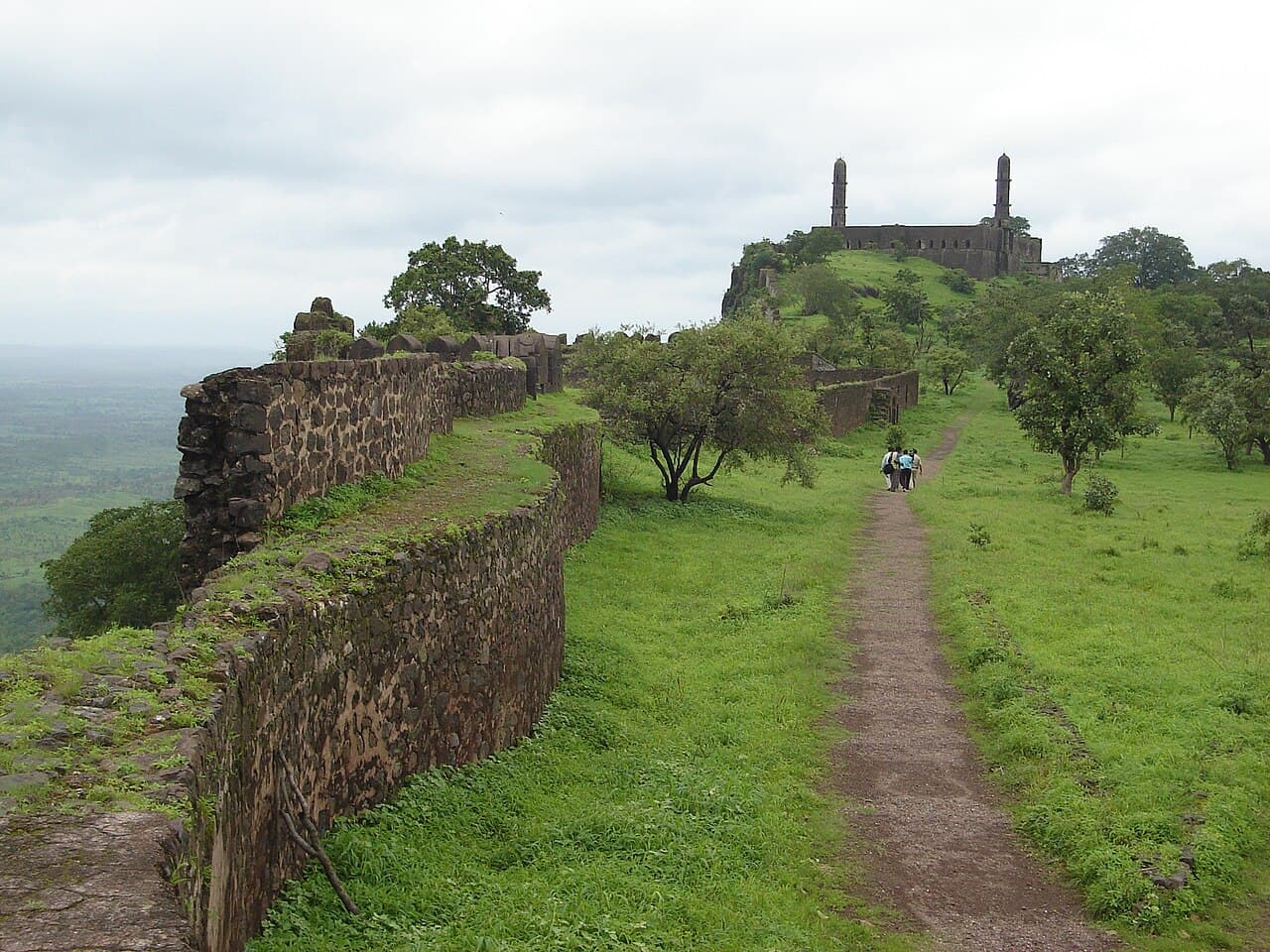
Today, Asirgarh Fort remains partially preserved, with many of its walls and bastions still standing. While some structures have deteriorated due to time and weathering, the fort retains much of its imposing character. Efforts have been made to maintain and restore parts of the complex to preserve its historical and architectural value.
The fort is accessible to visitors interested in exploring its extensive ruins and understanding its role in Indian history. Its remote location and rugged terrain add to the experience of visiting this formidable fortress.
Visiting Asirgarh Fort
Visitors to Asirgarh Fort can explore the extensive fortifications, including the bastions, gates, and internal structures. The site offers panoramic views of the surrounding Satpura hills and valleys, providing insight into why this location was chosen for such a critical military installation.
While facilities at the site are basic, the fort's historical significance and architectural features make it a valuable destination for history enthusiasts and scholars of medieval Indian military architecture.
Frequently asked questions (FAQ)
- What is the historical significance of Asirgarh Fort?
- Asirgarh Fort, built in the 15th century, is a significant historical site that showcases the architectural brilliance of the era. It served as a strategic military base for various rulers, including the Mughals, and played a crucial role in the defense of the region. The fort's rich history reflects the cultural and political dynamics of medieval India.
- When was Asirgarh Fort built?
- Asirgarh Fort was constructed in the mid-15th century, specifically during the reign of the Mandu Sultanate. Its construction marked the beginning of its strategic importance in controlling trade routes and military operations in the area. Over the centuries, it has witnessed numerous battles and changes in ruling powers.
- Can I visit Asirgarh Fort?
- Yes, Asirgarh Fort is open to visitors and can be explored throughout the year. However, it is advisable to check local guidelines and timings before planning your visit. The fort offers a glimpse into the rich history and architecture of the region.
- What are the opening hours for Asirgarh Fort?
- Asirgarh Fort is generally open to visitors from sunrise to sunset. However, it's recommended to visit during the day to fully appreciate the fort's architecture and views. Always verify current timings before your visit, as they may change due to local regulations.
- Is it possible to access Asirgarh Fort easily?
- Yes, Asirgarh Fort is accessible by road from Burhanpur, which is well-connected to major cities in Madhya Pradesh. The climb to the fort involves some steep paths, so visitors should be prepared for a bit of hiking. Comfortable footwear and adequate hydration are recommended for a pleasant visit.
- When is the best time to visit Asirgarh Fort?
- The best time to visit Asirgarh Fort is during the winter months, from November to February, when the weather is pleasant and ideal for exploration. Visiting during this period allows you to enjoy the scenic views and historical architecture without the discomfort of excessive heat. Monsoon season can also be beautiful but may limit accessibility due to rain.
- What are some nearby attractions to visit along with Asirgarh Fort?
- Nearby attractions include the Burhanpur Fort, the historical Jama Masjid, and the beautiful tomb of the Mughal emperor, Akbar's queen, which provide further insight into the region's rich history. Exploring these sites can enhance your experience and understanding of the area's cultural heritage. Consider allocating enough time to enjoy these historical gems along with your visit to Asirgarh Fort.
- What are the ticket prices for visiting Asirgarh Fort?
- Asirgarh Fort typically has a minimal entrance fee that allows visitors to explore the site. Ticket prices may vary, so it's advisable to check with local authorities or websites for the most current information before your visit. Generally, the affordable ticket prices make it an accessible destination for history enthusiasts.
Photo gallery

Information
Loading map...
Visitor reviews
No reviews yet. Been here? Write the first review and help other travelers!
Write the first reviewVisited this castle? Share your experience
Your review helps other travelers and adds first-hand knowledge to our encyclopedia.