Gävle Castle
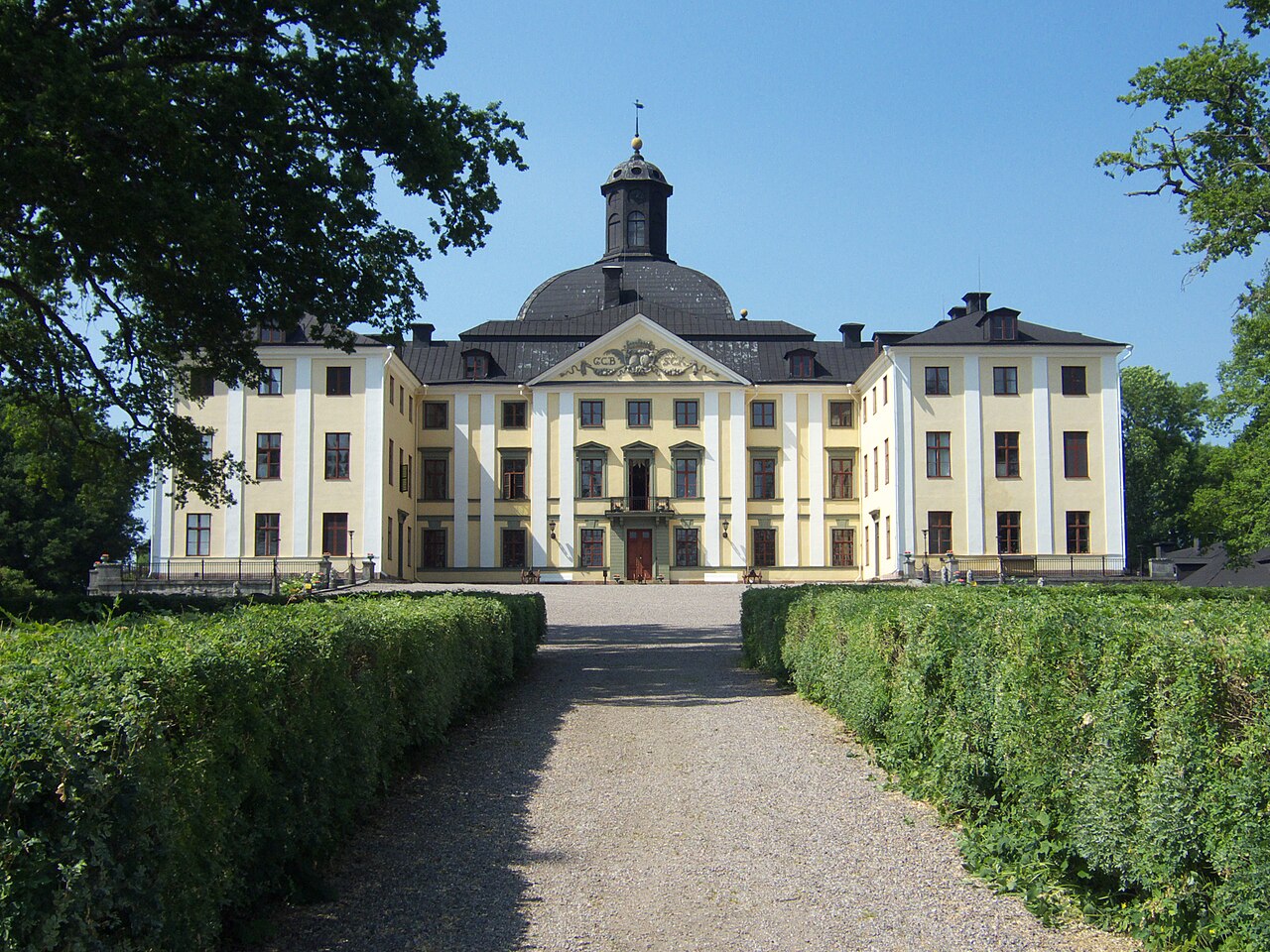
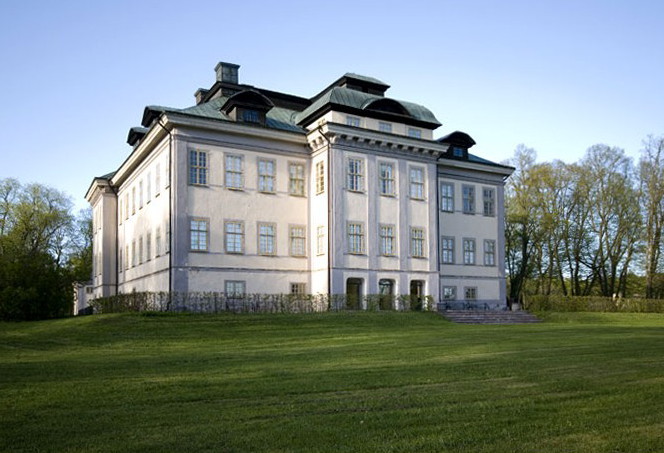
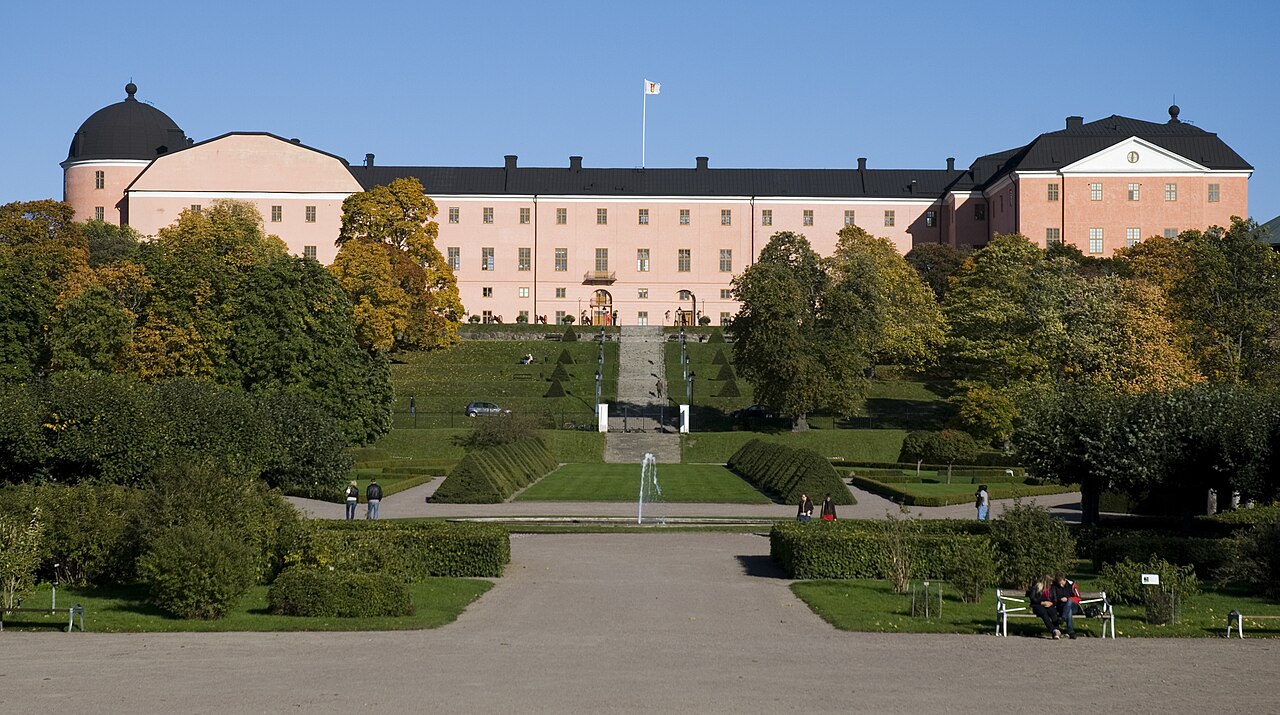
Gävle Castle is a prominent Renaissance fortress located in Gävle, Sweden, recognized as the northernmost of the so-called Vasa castles. These castles were commissioned by Gustav Vasa of Sweden and his sons to consolidate royal power and defend strategic locations. Construction of Gävle Castle began in 1583 under the reign of the religious monarch King John III of Sweden, son of Gustav Vasa. The castle's design was crafted by the notable architect and sculptor Willem Boy, a Flemish artist who contributed significantly to Swedish Renaissance architecture.
The original layout of Gävle Castle was centered around a chapel, reflecting the importance of religion during the period. The castle was completed in 1597, five years after King John III's death. Its initial Renaissance style featured characteristic elements such as symmetrical façades, classical proportions, and ornamental details that aligned with the architectural trends of the late 16th century in Sweden.
Architectural features and design
The castle's design by Willem Boy incorporated a compact rectangular plan with robust stone walls, typical of Renaissance fortifications intended to resist artillery fire. The centerpiece chapel was not only a spiritual hub but also an architectural highlight, emphasizing verticality and intricate detailing inside the castle. The castle included defensive walls, towers, and a courtyard that facilitated both military functions and residential needs.
The Renaissance style of Gävle Castle is evident in its use of pilasters, cornices, and window frames that draw from classical antiquity. The castle's façades were originally adorned with ornamental stonework and featured large windows to allow natural light into the interiors, a departure from the darker medieval castles.
Destruction and reconstruction
In 1727, a devastating fire severely damaged Gävle Castle, destroying the chapel and the top floor of the building. The castle remained in a damaged state for over a decade, reflecting the challenges of maintaining large stone fortifications during periods of peace and economic difficulty.
Reconstruction efforts began in 1741 following an agreement to restore the castle. The redesign was undertaken by the renowned Swedish architect Carl Hårleman, who was instrumental in introducing the Rococo style to Sweden. Hårleman's work on Gävle Castle involved not only repairing the fire damage but also updating the castle's appearance to reflect contemporary tastes of the mid-18th century.
The reconstruction was completed in 1754, resulting in a castle that blended Renaissance foundations with Rococo elegance. Hårleman added refined decorative elements, improved interior spaces, and likely altered the roofline and window arrangements to create a more harmonious and modern aesthetic.
Historical significance and legacy
Gävle Castle holds a significant place in Swedish history as part of the Vasa dynasty's efforts to secure their realm. It served various roles over the centuries, including administrative functions and as a symbol of royal authority in the region. The castle's chapel, initially a spiritual center, underscored the intertwining of religion and governance during the Renaissance period.
Today, Gävle Castle stands as a well-preserved example of Renaissance architecture adapted through later Rococo influences. Its history of construction, destruction, and restoration illustrates the evolving architectural trends and political circumstances in Sweden from the late 16th to the 18th century.
Visiting Gävle Castle
Visitors to Gävle Castle can explore its historic architecture and learn about its role in Swedish history. The castle's location in the city of Gävle makes it accessible for tourists interested in Renaissance fortifications and the legacy of the Vasa dynasty. While the chapel no longer exists in its original form, the castle's preserved elements and Rococo redesign offer insight into its layered past.
Frequently asked questions (FAQ)
- What is the historical significance of Gävle Castle?
- Gävle Castle, built in the 16th century, served as a royal residence and administrative center. It has played a crucial role in Sweden's history, particularly during the period of Swedish expansion and governance in the region.
- When was Gävle Castle constructed?
- Gävle Castle was originally constructed in 1580 under the direction of King Charles IX. Over the years, it has undergone several renovations, but its historical essence remains intact.
- What are the opening hours for Gävle Castle?
- Gävle Castle is open to visitors from May to September, typically from 10 AM to 4 PM on weekdays and 11 AM to 5 PM on weekends. It is advisable to check their official website for any seasonal changes or special events that may affect these hours.
- Can I take guided tours of Gävle Castle?
- Yes, guided tours are available at Gävle Castle, providing visitors with in-depth knowledge of its history and architecture. Tours are usually conducted in Swedish and English, but it's best to confirm availability before your visit.
- Is Gävle Castle accessible for visitors with disabilities?
- Gävle Castle strives to be accessible to all visitors. There are facilities in place to assist those with mobility challenges, including ramps and accessible restrooms, but it's recommended to contact the castle in advance to ensure a smooth visit.
- What is the best time to visit Gävle Castle?
- The best time to visit Gävle Castle is during the summer months, from June to August, when the weather is pleasant, and the castle gardens are in full bloom. Additionally, guided tours and events are more frequent during this season.
- Are there any nearby attractions to visit while in Gävle?
- Yes, while visiting Gävle Castle, you can explore nearby attractions such as the Gävle Art Gallery and the historical Gävle Church. The picturesque Gävle harbor area is also worth a visit for its scenic views and dining options.
- How much do tickets cost to enter Gävle Castle?
- Ticket prices for Gävle Castle are generally affordable, with discounts available for students and seniors. Entry fees may vary during special events, so it’s wise to check the official website for the most current pricing.
Information
Website
Visit websiteSources & official resources
Verify the information above using these authoritative references.
Loading map...
Visitor reviews
No reviews yet. Been here? Write the first review and help other travelers!
Write the first reviewVisited this castle? Share your experience
Your review helps other travelers and adds first-hand knowledge to our encyclopedia.