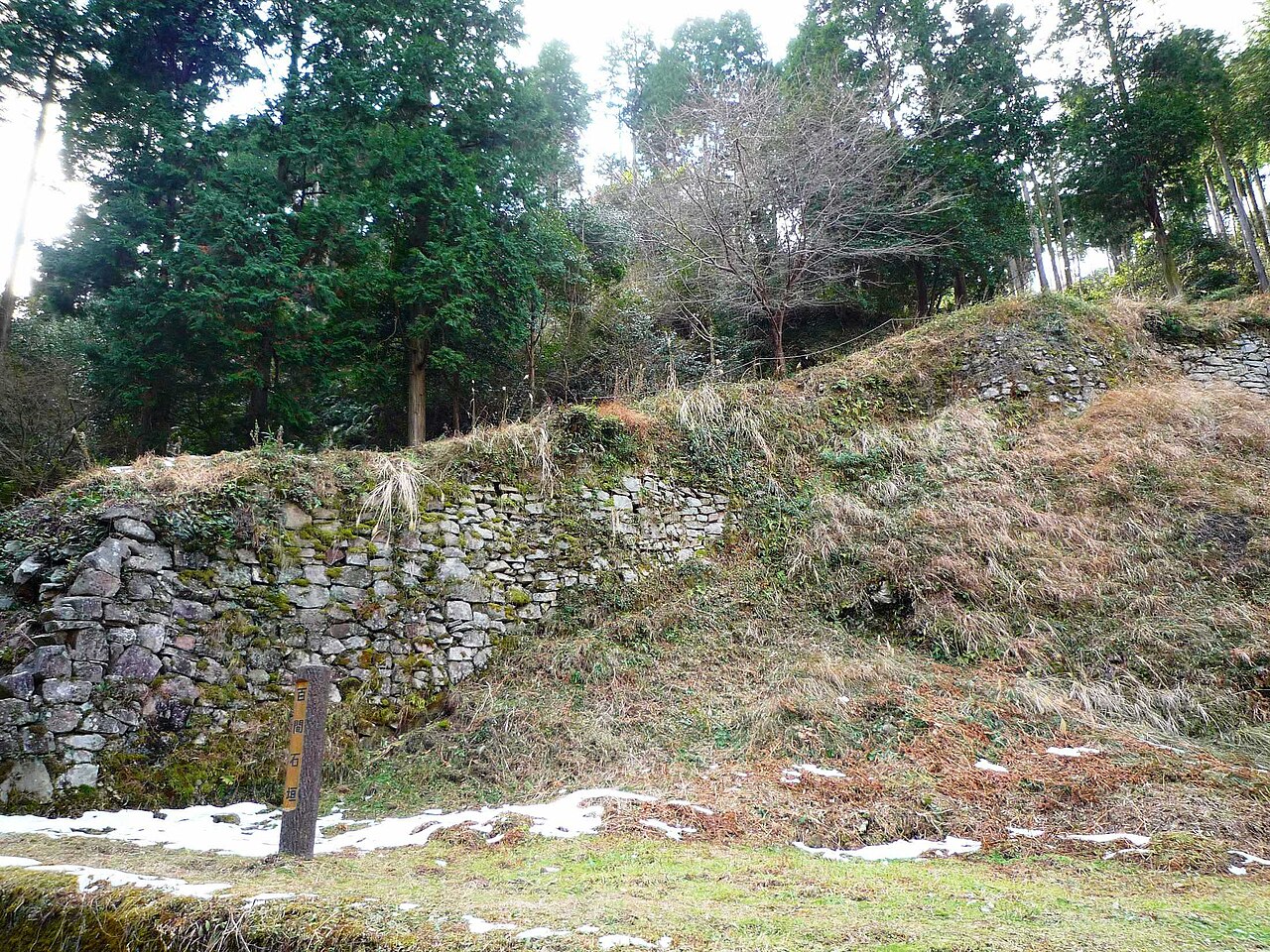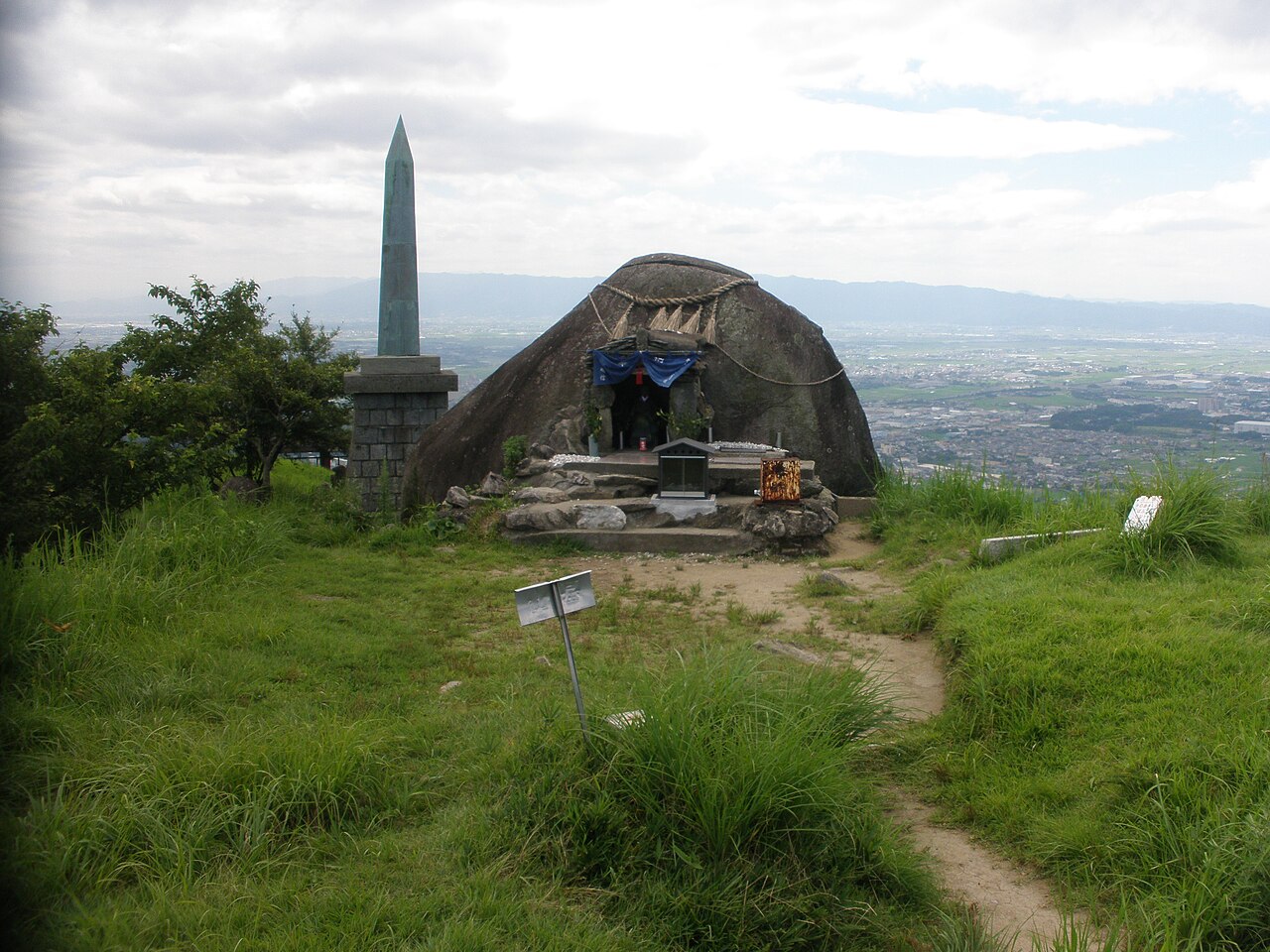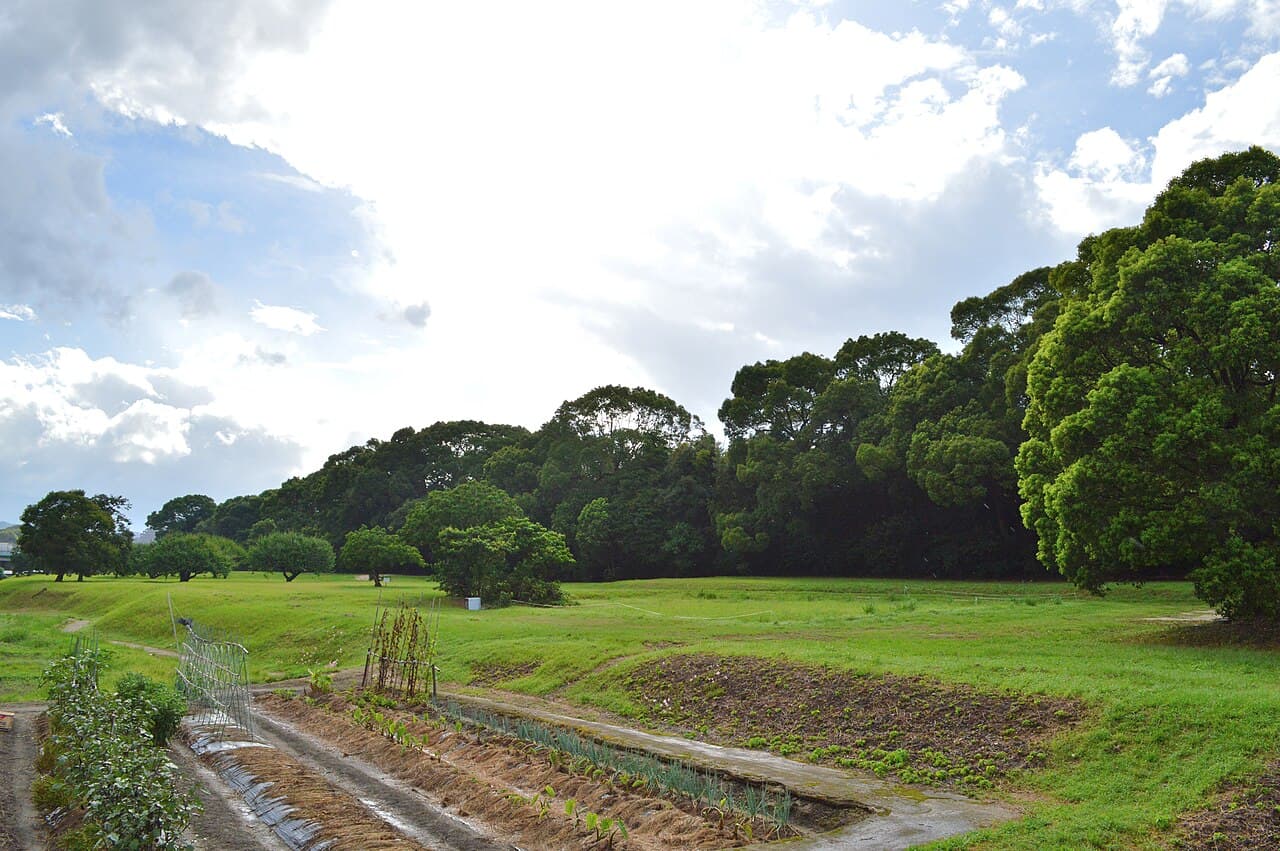
Mizuki Castle (水城跡, Mizuki-jō ato) is a significant archaeological site located near the border of the cities of Ōnojō, Dazaifu, and Kasuga in Fukuoka Prefecture, Japan. This ancient fortress, built in the 7th century, represents one of the earliest examples of large-scale defensive structures in Japan and is classified as a Korean-style fortress (朝鮮式山城, Chōsen-shiki yamajiro). Its ruins have been preserved as a Special National Historic Site since 1953, reflecting its cultural and historical importance. The protected area was expanded in 2013 to ensure the conservation of this unique site.
Historical context and strategic importance
Constructed during the early medieval period, Mizuki Castle was built under the orders of the Japanese government as a defensive barrier against potential invasions from the Korean Peninsula and China. The fortress played a vital role in the Asuka period military strategy, particularly during the reign of Emperor Tenmu, who sought to strengthen Japan's northern defenses. Mizuki means "water fortress," referring to the extensive moat system that surrounded the castle, which was a key component of its defensive design.
Construction and architectural features
The castle was constructed primarily using earthworks, with a massive earthen wall stretching approximately 1.2 kilometers in length and standing up to 10 meters high in some places. This wall was complemented by a wide moat that added an additional layer of defense. Unlike typical Japanese castles, Mizuki's design was heavily influenced by Korean fortress construction techniques, which is evident in its layout and fortification style. The fortress did not have a traditional keep or donjon but relied on its formidable walls and water defenses to deter attacks.
Archaeological significance and preservation
Excavations at Mizuki Castle have revealed numerous artifacts and structural remains that provide insight into the military architecture and defensive strategies of early Japan. The site includes remnants of gates, watchtowers, and drainage systems, showcasing advanced engineering for its time. Mizuki's designation as a Special National Historic Site underscores its value as a cultural heritage landmark, attracting historians and archaeologists interested in the evolution of Japanese fortifications.
Location and visitor information
The ruins of Mizuki Castle are accessible to the public, situated within a park area that offers walking paths along the remaining sections of the earthen walls and moats. The site is located in Fukuoka Prefecture, which is known for its rich history and proximity to other ancient sites such as Dazaifu Tenmangū Shrine. Visitors can explore the grounds year-round, with informational signage providing context about the castle's historical role and architectural features.
Cultural impact and legacy
Mizuki Castle represents an important chapter in Japan's defensive history, illustrating the early adoption of continental fortification techniques. Its preservation as ruins allows modern audiences to appreciate the scale and ingenuity of 7th-century military engineering. The castle's legacy continues to influence studies of ancient Japanese and Korean interactions and the development of regional defense systems.
Frequently asked questions (FAQ)
- What is the historical significance of Mizuki Castle?
- Mizuki Castle was built in the 7th century as a defensive fortification against invasions from the Korean Peninsula and China, playing a key role in Japan's early medieval military strategy.
- Can visitors explore the Mizuki Castle ruins?
- Yes, the ruins are open to the public year-round, featuring walking paths and informational signage that explain the site's history and architectural features.
- What architectural style characterizes Mizuki Castle?
- Mizuki Castle is an example of a Korean-style fortress, notable for its massive earthen walls and extensive moat system rather than traditional Japanese castle structures.
- Where is Mizuki Castle located?
- The ruins are located near the border of Ōnojō, Dazaifu, and Kasuga in Fukuoka Prefecture, Japan, within a park area accessible to visitors.
- Why is Mizuki Castle designated as a Special National Historic Site?
- Its designation recognizes the castle's cultural and historical importance as one of Japan's earliest large-scale fortifications and its unique Korean-style design.

Information
Loading map...
Visitor reviews
No reviews yet. Been here? Write the first review and help other travelers!
Write the first reviewVisited this castle? Share your experience
Your review helps other travelers and adds first-hand knowledge to our encyclopedia.