Franco's Tower
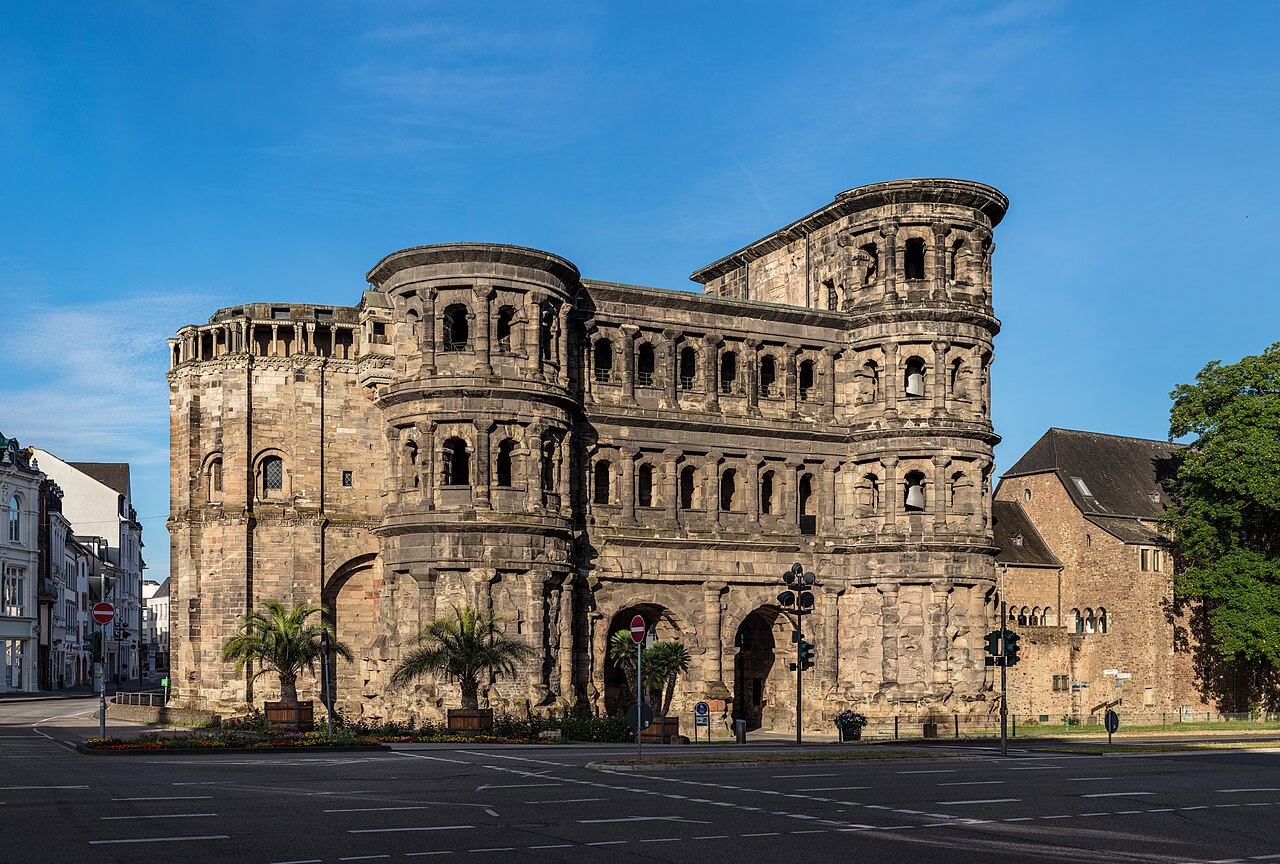
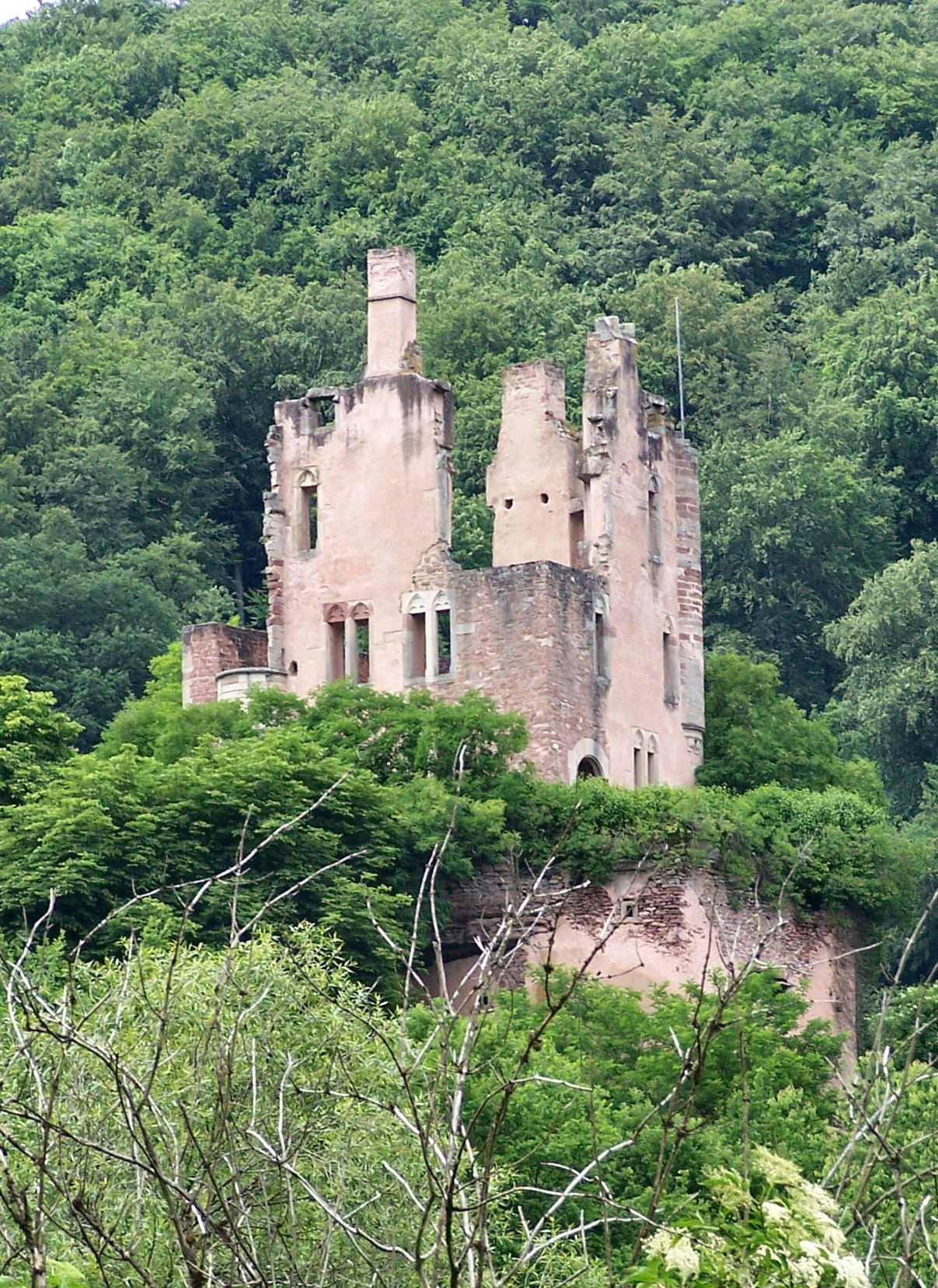
Franco's Tower, locally known as Frankenturm, stands prominently in the heart of Trier, a city in the Rhineland-Palatinate region of Germany. This medieval tower house dates back to the 11th century, making it one of the oldest surviving structures of its kind within the city. Its historical significance is closely tied to the transitional period following the decline of Roman influence in Trier, reflected in its architectural features and the use of Roman building materials.
Historical context and origins
During the High Medieval period, Trier was a city marked by the remnants of its former Roman grandeur. Many Roman ruins were still visible throughout the city in the 11th century, providing both inspiration and practical resources for new constructions. Franco's Tower was built during this era when the city's defensive walls had lost much of their effectiveness, prompting the construction of several tower houses within the urban area for protection and residence.
The tower originally functioned as a fortified residence, primarily for ministerials—servants and officials in the service of the Archbishop of Trier. This connection emphasizes the tower's role not only as a defensive structure but also as a symbol of ecclesiastical authority and local governance during the medieval period.
Architectural features and construction
Franco's Tower was constructed with a notable influence of Roman architectural style, visible in its masonry and structural design. The builders extensively reused stones and materials from nearby Roman ruins, a common practice at the time that linked the medieval structure to Trier's ancient past.
Originally, the tower rose to five floors and was designed with a defensive entrance located on the first floor, accessible only by a retractable wooden staircase. This elevated entry point was a typical defensive feature intended to hinder attackers. The tower's walls are thick and robust, characteristic of medieval defensive architecture, and its compact footprint allowed for efficient use of space within the city.
Changes over time
In 1308, the tower underwent significant modifications that reduced its height to about two and a half floors. This alteration likely reflected changing defensive needs or structural concerns. Later in the 14th century, the tower became associated with Franco von Senheim, a local noble whose name the tower still bears.
Modern history and restoration efforts
In the late 1930s, Franco's Tower was partially restored with plans to convert it into a National Socialist Youth Home. However, these plans were never completed, and the tower remained structurally unfinished for several decades. After World War II, various later additions and adjoining structures were removed, restoring the tower as a freestanding monument.
Between 2005 and 2007, the tower underwent another careful restoration to stabilize its structure and preserve its historical character. Today, it serves as the premises for the local tourist office and can be rented for special events, although it is not always open to the public.
Significance and current use
Franco's Tower remains a distinctive example of an 11th-century tower house in a city rich with Roman and medieval heritage. Its survival through centuries of change highlights its architectural resilience and historical importance. The tower offers insight into the living conditions and defensive strategies of medieval ministerials under the Archbishop's authority.
Its location in central Trier makes it a valuable cultural landmark, connecting visitors to the city's layered past. While access may be limited, the tower's presence enriches Trier's historical landscape and continues to attract interest from historians, architects, and tourists alike.
Frequently asked questions (FAQ)
- How do I get to Franco's Tower?
- Franco's Tower is located in Trier, Germany, and can be easily reached by public transportation. The nearest bus and train stations are within walking distance, and there are also parking facilities available for those who prefer to drive.
- What is the historical significance of Franco's Tower?
- Franco's Tower, built in the 12th century, is a remarkable example of medieval architecture and has served various purposes throughout its history. It is part of the city’s fortifications and offers insight into the strategic importance of Trier during the Middle Ages.
- When was Franco's Tower built?
- Franco's Tower was constructed in the late 12th century, around 1190. It was originally built as a watchtower, showcasing the military architecture of the time.
- Can I enter the tower for a closer look?
- Yes, visitors can enter Franco's Tower during the opening hours. Inside, you can explore its historical features and enjoy panoramic views of Trier from the upper levels.
- Why is Franco's Tower a popular tourist attraction?
- Franco's Tower attracts visitors due to its rich history and stunning architecture, as well as its picturesque location in Trier, a UNESCO World Heritage site. The tower is also a great spot for photography, offering beautiful views of the surrounding area.
- Is it possible to visit Franco's Tower year-round?
- Yes, Franco's Tower is open to visitors year-round, although opening hours may vary by season. It's advisable to check the official website for the latest information on hours and any special events.
- What are the ticket prices for visiting Franco's Tower?
- Admission to Franco's Tower is typically affordable, with discounts available for students and seniors. Children under a certain age may enter for free, making it an excellent outing for families.
- What is the best time to visit Franco's Tower?
- The best time to visit Franco's Tower is during the spring and early autumn months when the weather is pleasant and the surrounding gardens are in full bloom. Visiting during these times also allows you to enjoy local festivals and events in Trier.
- Are there any nearby attractions to see after visiting Franco's Tower?
- Yes, after visiting Franco's Tower, you can explore other nearby attractions such as the Porta Nigra, the Roman Amphitheater, and the Trier Cathedral. The city is rich in history, and these sites are within walking distance from the tower.
Information
Loading map...
Visitor reviews
No reviews yet. Been here? Write the first review and help other travelers!
Write the first reviewVisited this castle? Share your experience
Your review helps other travelers and adds first-hand knowledge to our encyclopedia.