Fortress of Prizren
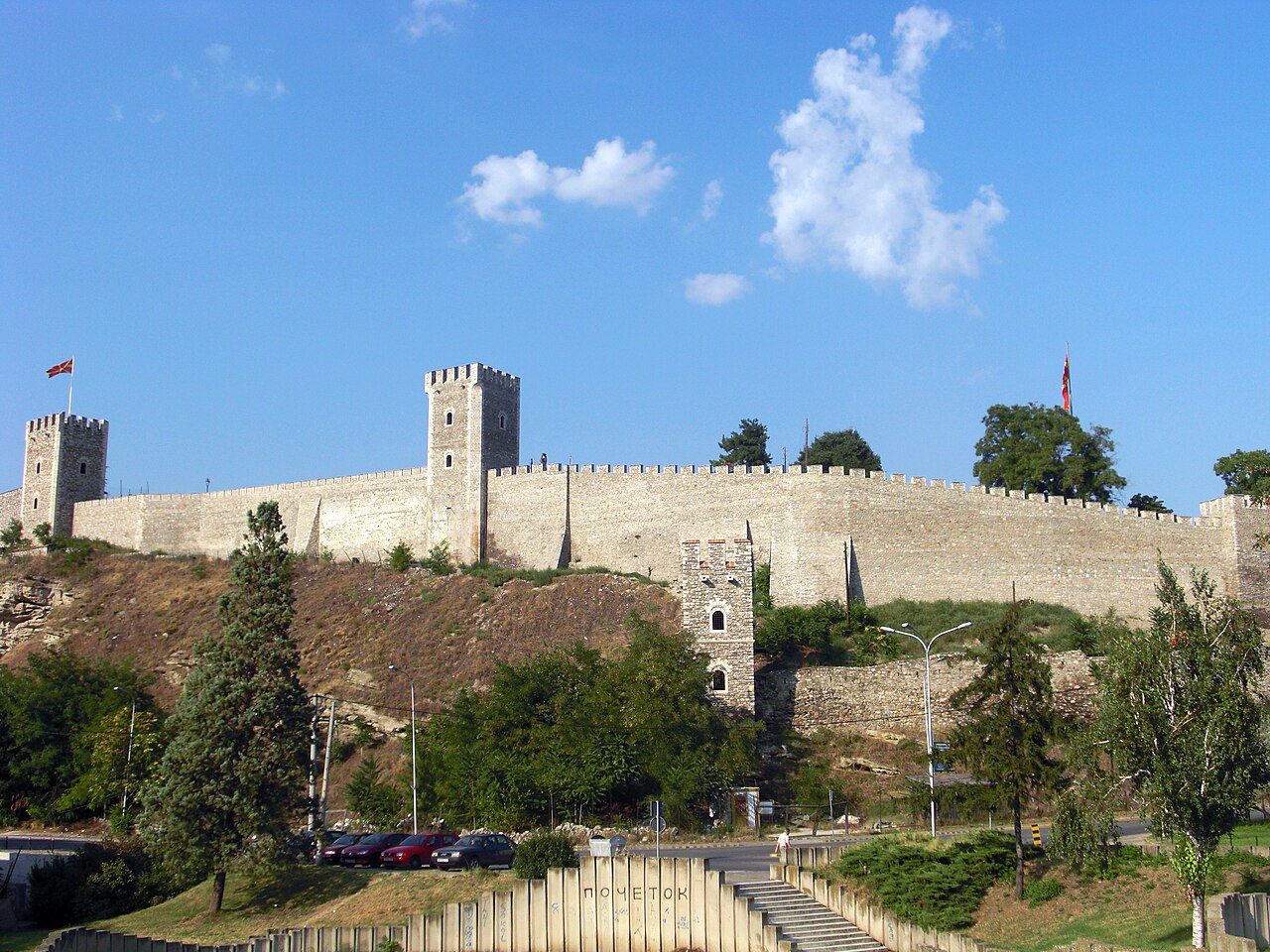
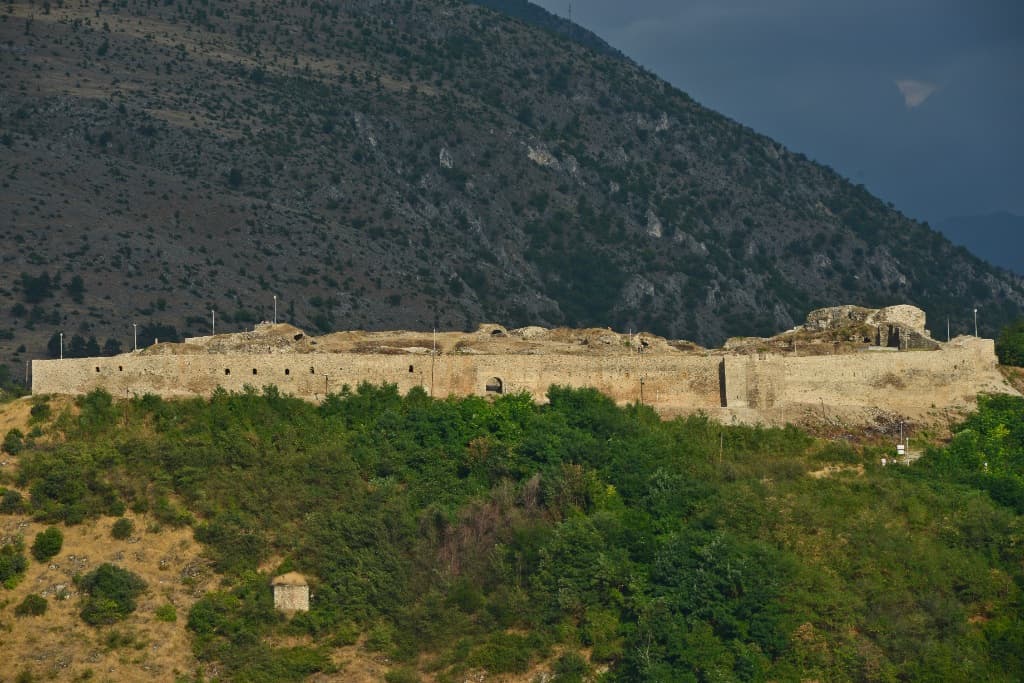
The Fortress of Prizren stands as a monumental testament to the strategic and cultural significance of this site overlooking the Prizren River in Kosovo. Its origins date back to the Bronze Age around 2000 BCE, marking it as one of the oldest continuously inhabited fortified locations in the Balkans. Throughout its extensive history, the fortress has been shaped by numerous civilizations, reflecting a layered narrative of military, political, and social evolution over more than two millennia.
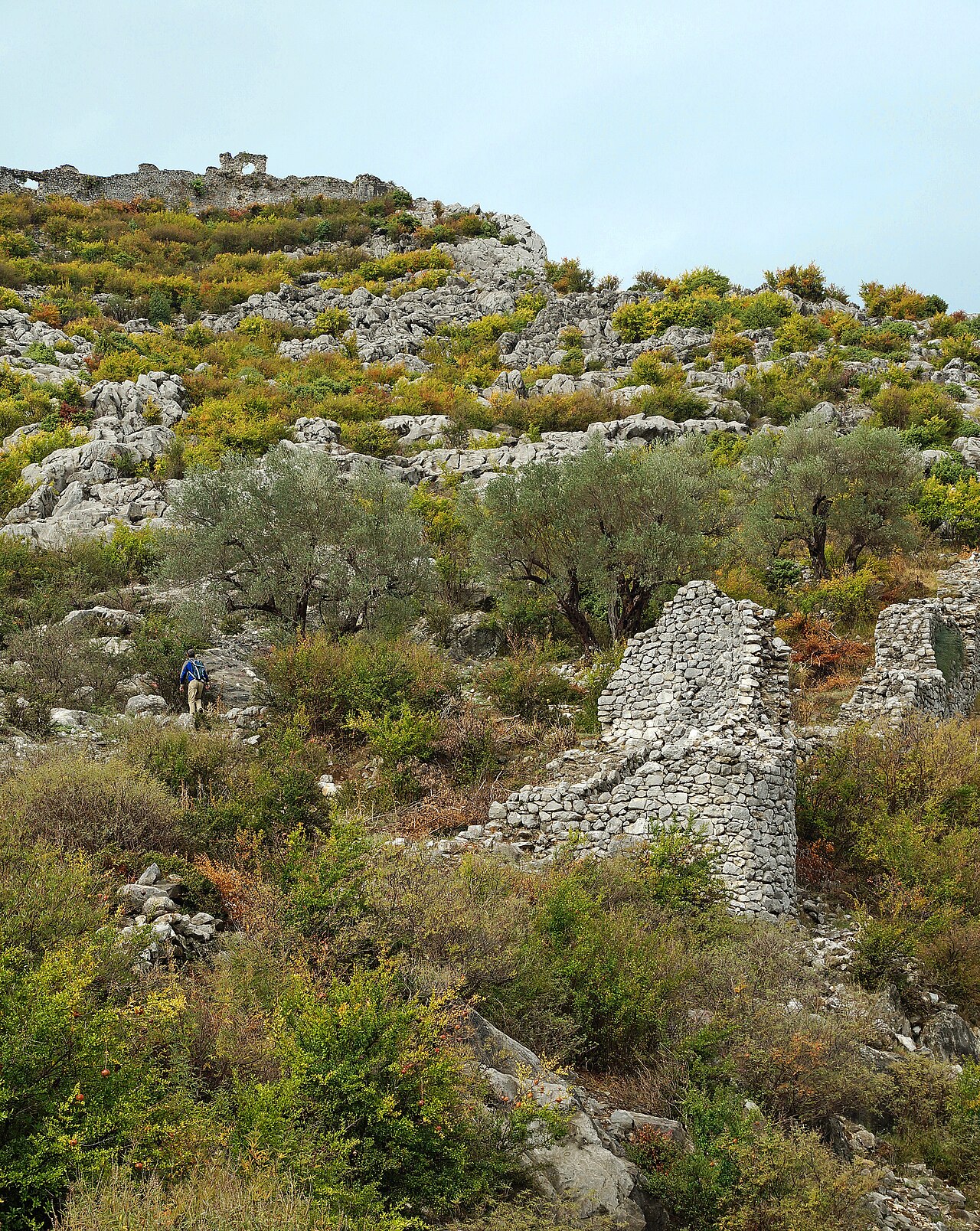
Perched on a commanding hilltop, the fortress's location was chosen for its natural defensive advantages and its control over the surrounding landscape and trade routes. This prominence made it a coveted stronghold for ancient peoples, later becoming a pivotal fortification in the western region of Dardania during late antiquity. The site's inclusion in the defensive network of the Eastern Roman (Byzantine) Empire under Emperor Justinian I in the 6th century CE underscores its continued military importance. The historian Procopius likely referred to it as "Petrizen," highlighting its recognition in Byzantine military geography.
Medieval significance and political role
The fortress's first clear documentary mention appears in 1019 under the name Prisdriana during the reign of Byzantine Emperor Basil II. It soon became a focal point in the turbulent power struggles of the Balkans. In 1072, it played a critical role in the Bulgarian uprising against Byzantine rule, led by Georgi Voiteh. The fortress was the site where the Serbian prince Constantine Bodin was proclaimed emperor, symbolizing its stature as a center of political authority and rebellion.
By the early 13th century, the fortress came under the control of the Serbian Nemanjić dynasty around 1219–20, marking a new phase in its history. Under Serbian rule, Prizren and its fortress became the administrative and economic heart of the župa of Podrimlje. Its strategic position along the Via de Zenta trade route linked the Adriatic coast to the interior Balkans, fostering commerce and regional governance. The 14th century saw the fortress contested by prominent noble families such as the Balšić, Dukagjini, Hrebeljanović, and Branković clans, reflecting the fragmented political landscape and the growing influence of the Ottoman Empire.
Ottoman era transformations and cultural role
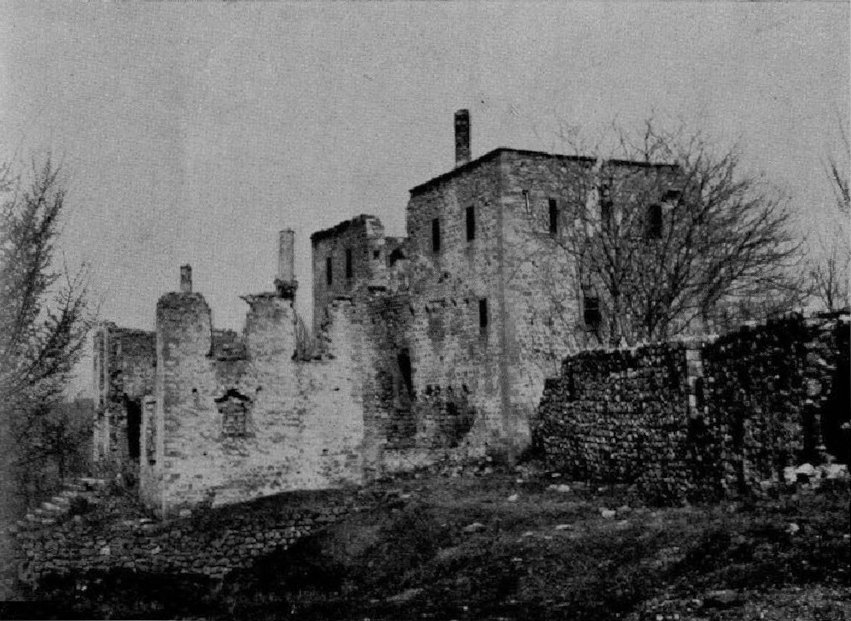
Following the Ottoman conquest after 1450, the fortress was integrated into the Eyalet of Rumelia as a vital military bastion. The Ottomans undertook significant renovations, particularly during the 18th century, which shaped much of the fortress's current architectural fabric. These modifications included strengthening the ramparts and adapting the fortress to contemporary military needs.
Beyond its military function, the fortress also served as a social hub for the local Serbian population, who gathered here for traditional dances known as the Kolo, illustrating the site's cultural as well as strategic importance. The fortress's association with the medieval Serbian Empire is further cemented by its role as a temporary capital under Emperor Stefan Dušan, who expanded its fortifications and sponsored nearby religious constructions such as the Monastery of the Holy Archangels.
Architectural features and archaeological discoveries
The fortress occupies an irregular plateau adapted to the natural contours of the hill, divided into the distinct sections known as the Great Town and the Higher Town. The eastern part of the fortress retains elements dating back to the medieval period, indicating the complex's phased development over centuries.
Excavations have revealed a sophisticated defensive system including rampart walls reinforced by multiple towers, casemates for archers and artillery, and a network of corridors that created layered defenses. The presence of depots and inner chambers suggests the fortress was designed to sustain a garrison and possibly civilian inhabitants during sieges, highlighting its role as a fortified settlement.
The fortress's building materials primarily include local stone, with Ottoman renovations introducing new construction techniques and styles. Restoration efforts in recent decades have focused on preserving the fortress's medieval character while respecting the Ottoman-era additions, maintaining the original number of defensive towers and stabilizing the walls.
The fortress and the town of prizren
The fortress overlooks the historic Nënkalaja neighborhood, a settlement that developed directly beneath its walls, reflecting the close relationship between the fortified site and urban growth. This proximity allowed the fortress to exert control over the town while benefiting from its economic and social activities.
Today, the Fortress of Prizren is a prominent landmark, illuminated at night and serving as a cultural symbol of the city's rich heritage. Although no intricate internal decorations such as mosaics or inscriptions are documented, the fortress's robust remains offer valuable insight into the military architecture and historical dynamics of the region.
Archaeological research and cultural heritage status
Archaeological investigations conducted in 1969, 2004, and between 2009 and 2011 have uncovered extensive infrastructure within the fortress complex, including defensive walls, towers, and internal chambers. These findings have enhanced understanding of the fortress's evolving role from the Bronze Age through Byzantine, medieval Serbian, and Ottoman periods.
Recognized for its exceptional cultural and historical value, the Fortress of Prizren was declared a Monument of Culture of Exceptional Importance in 1948. Efforts continue to preserve and study this remarkable site, which stands as a testament to Kosovo's layered past and the enduring legacy of its fortifications.
Frequently asked questions (FAQ)
- How do I visit the Fortress of Prizren?
- The Fortress of Prizren is accessible by foot via marked trails from the town center. Visitors can explore the ramparts and towers, with panoramic views of Prizren. It is advisable to wear comfortable shoes due to uneven terrain.
- What is the historical significance of the Fortress of Prizren?
- The fortress has been a strategic military and administrative center from the Bronze Age through Byzantine, Serbian, and Ottoman periods, playing key roles in regional conflicts and governance.
- When was the fortress built?
- The site has origins dating back to the Bronze Age around 2000 BCE, with significant reconstructions during the 6th century under Byzantine Emperor Justinian I and later Ottoman renovations.
- Is the fortress accessible for people with mobility issues?
- Due to the hilltop location and uneven pathways, the fortress is not fully accessible for visitors with mobility impairments. Assistance may be required for some areas.
- What are the opening hours and ticket prices?
- The fortress is generally open to the public year-round with no entrance fee, but visiting hours may vary seasonally. It is recommended to check locally for any guided tours or special events.
Photo gallery

Information
Current owner
Municipality of Prizren
Loading map...
Visitor reviews
No reviews yet. Been here? Write the first review and help other travelers!
Write the first reviewVisited this castle? Share your experience
Your review helps other travelers and adds first-hand knowledge to our encyclopedia.