Fortified System of São Paulo Hill
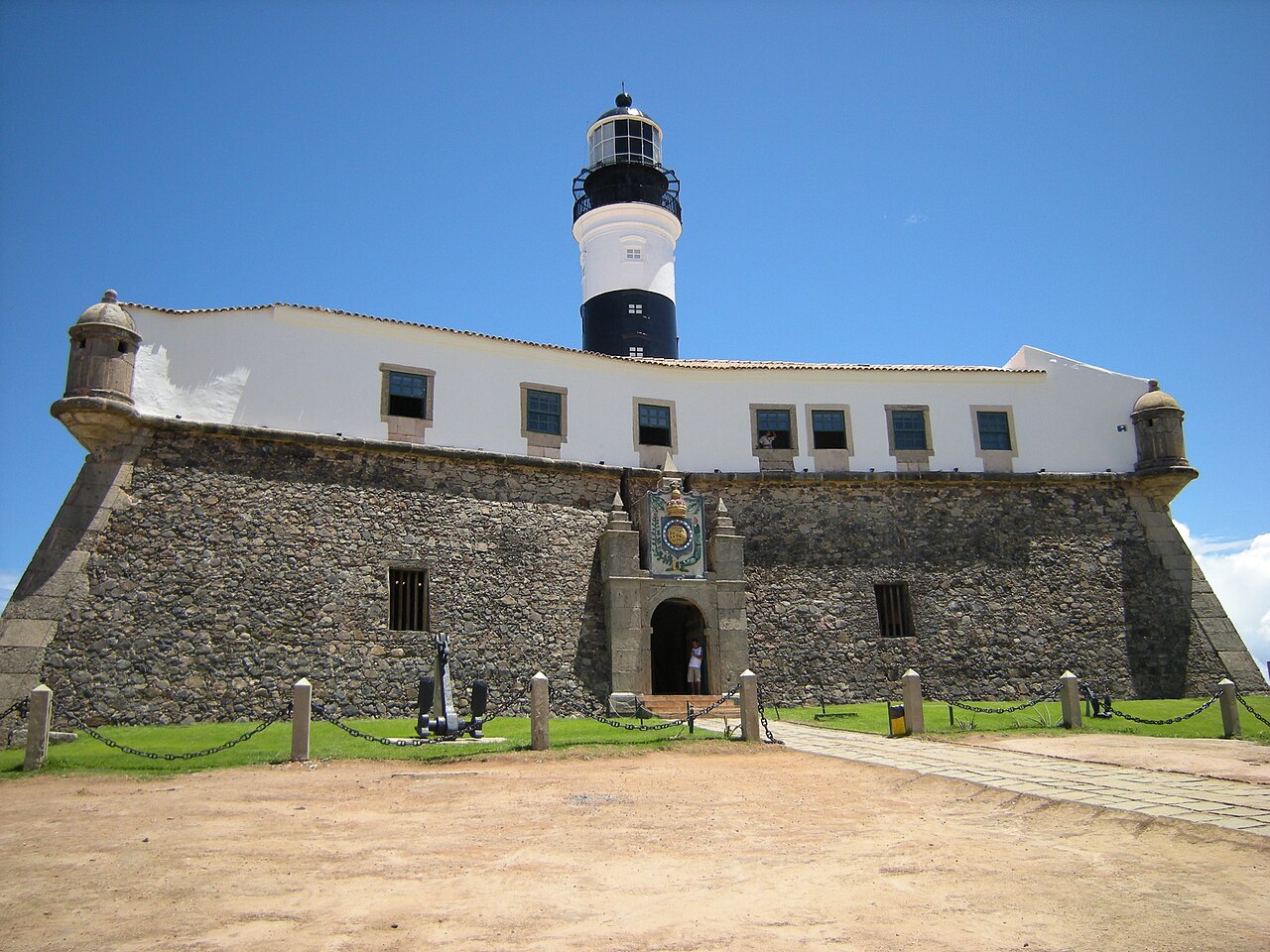
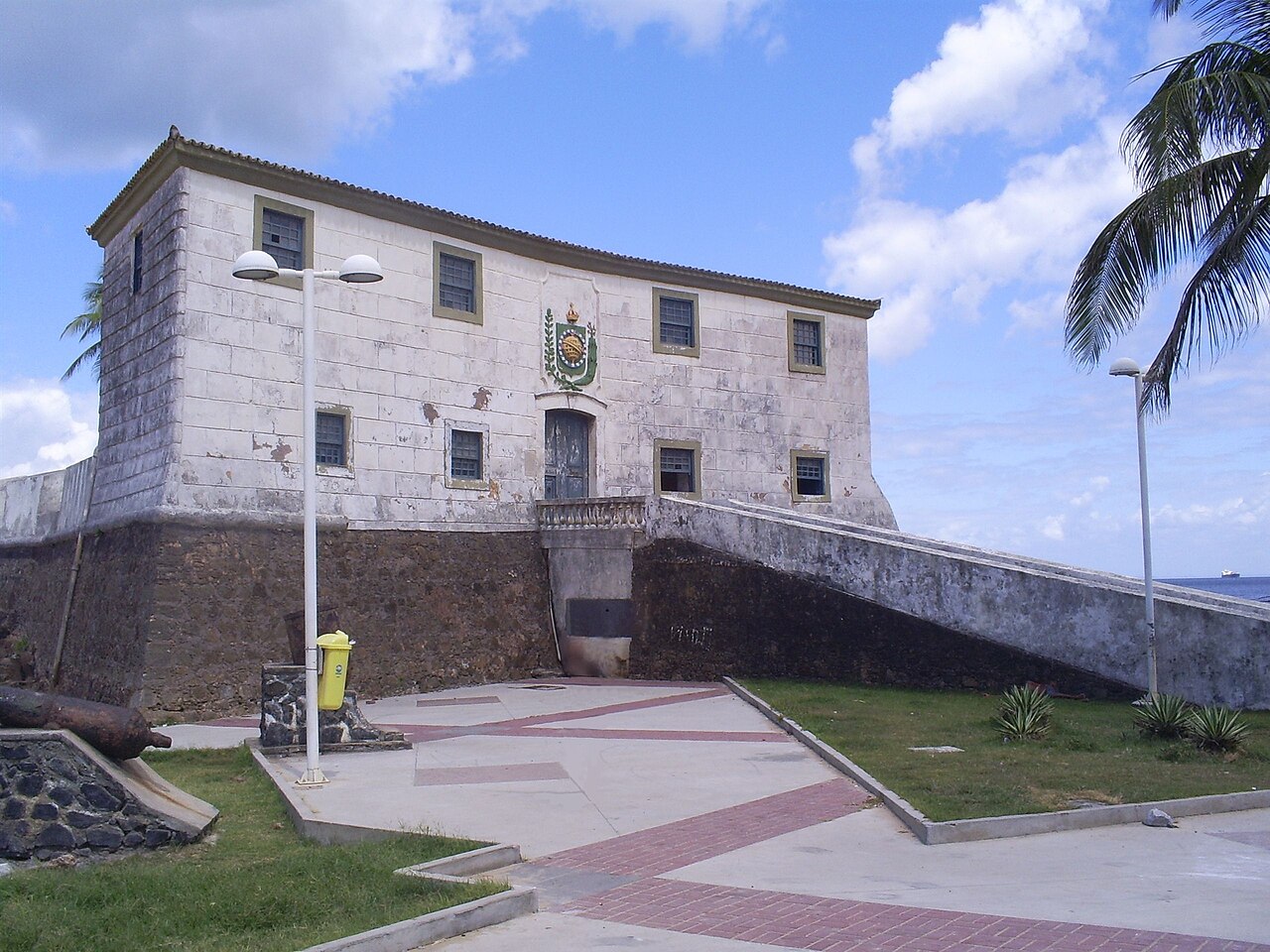
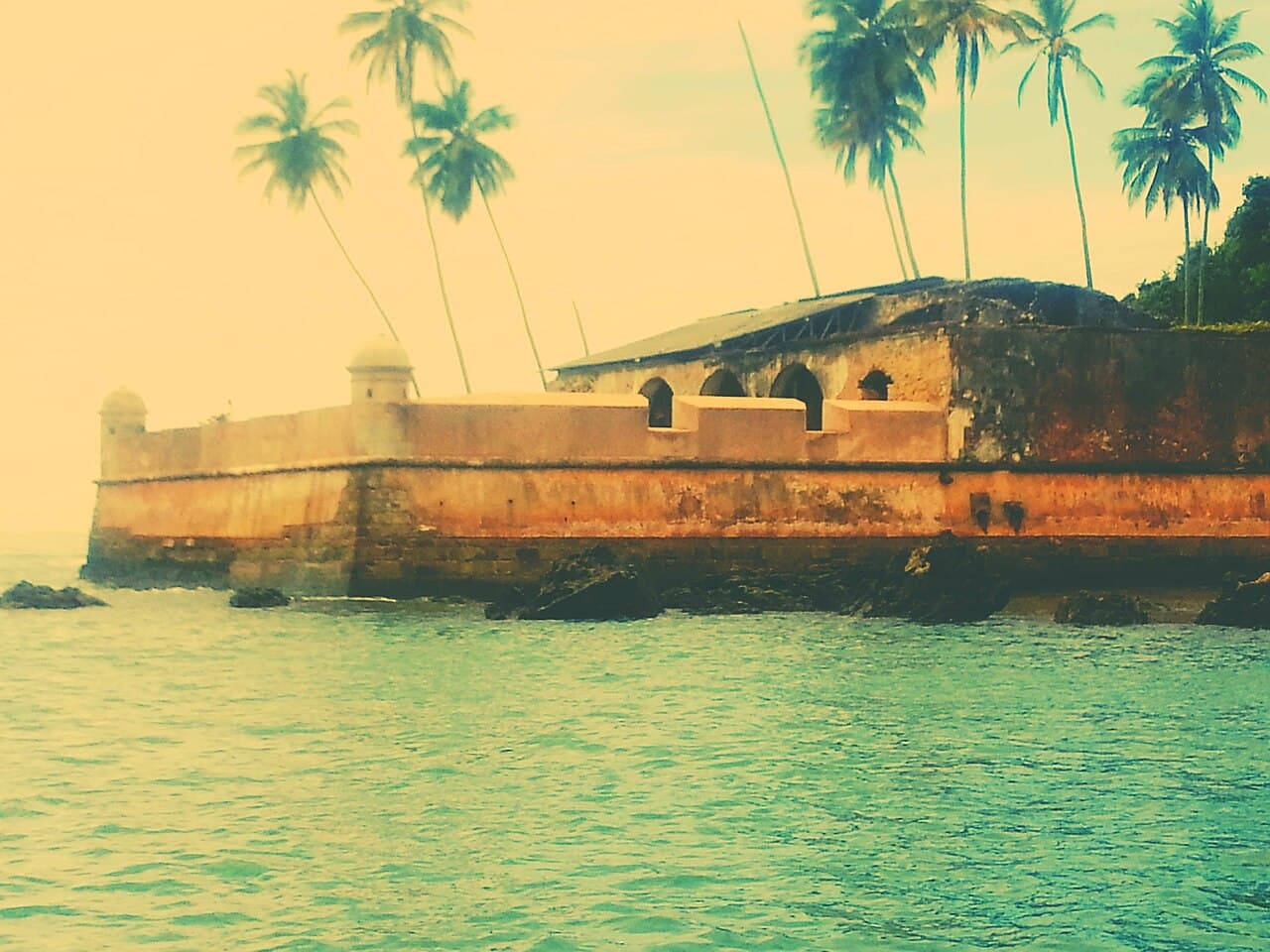
The fortress complex was designed to control key routes and protect the region from potential invasions or local conflicts. Its elevated position provided a commanding view, essential for early warning and defense coordination. The construction includes thick stone walls, bastions, and possibly ramparts adapted to the terrain of São Paulo Hill, showcasing the adaptation of European fortification techniques to the Brazilian landscape.
Architectural features and fortifications
The fortified system incorporates typical Renaissance military design elements such as angled bastions that allowed defenders to cover all approaches with overlapping fields of fire. The walls were built with durable materials to resist cannon fire, a hallmark of fortifications from this era. The use of a hilltop location enhanced the natural defenses, reducing the need for extensive outer walls compared to lowland castles.
Within the fortress, there would have been garrison quarters, ammunition storage, and possibly cisterns to ensure water supply during sieges. The layout likely included a central courtyard to facilitate troop movements and logistics.
Historical context and significance
Constructed in the 17th century, the fortified system was part of broader efforts by colonial powers to secure their territories in South America. This period saw numerous conflicts involving European colonizers, indigenous groups, and rival colonial interests. The fortress played a role in maintaining control over the São Paulo region, which was strategically important for trade and military operations.
While specific historical events tied to the fortress are not extensively documented, its existence underscores the military and political challenges of the era. The fortifications represent a tangible link to Brazil's colonial past and the adaptation of European defensive architecture in a New World context.
Current condition and preservation
The current state of the fortified system of São Paulo Hill is not extensively detailed in available records. However, such structures often survive as partially preserved ruins or restored sites, depending on conservation efforts. The fortress remains an important cultural and historical landmark, attracting interest from historians, archaeologists, and visitors keen on exploring Brazil's colonial military heritage.
Preservation initiatives, if any, would focus on stabilizing the existing walls, protecting archaeological remains, and providing educational resources to enhance public understanding of the site's significance.
Visiting and educational value
Though specific visitor information is limited, hilltop fortifications like São Paulo Hill typically offer panoramic views and insights into historical military strategies. Such sites often serve as open-air museums or heritage parks, combining natural beauty with historical education.
Visitors can learn about the fortress's role in regional defense, the architectural adaptations to the terrain, and the broader historical context of 17th-century colonial Brazil. These experiences contribute to a deeper appreciation of the complex history and cultural landscape of the region.
Frequently asked questions (FAQ)
- How do I get to the Fortified System of São Paulo Hill?
- You can reach the Fortified System of São Paulo Hill by public transport or car. The nearest metro station is about a 15-minute walk away, and several bus lines service the area. Parking is available nearby for those who choose to drive.
- What is the historical significance of the Fortified System of São Paulo Hill?
- The Fortified System of São Paulo Hill is a crucial part of Brazil's colonial history, built to protect the city from invasions during the 17th century. It showcases the military architecture of the time and reflects the strategic importance of São Paulo in the region. Preserving this site allows visitors to explore Brazil's rich historical narrative.
- When was the Fortified System of São Paulo Hill constructed?
- Construction of the Fortified System began in 1560, making it one of the oldest military structures in Brazil. The fortifications were gradually expanded and modified over the years to enhance their defensive capabilities. This long history adds to the site's significance as a cultural heritage landmark.
- Can I take guided tours of the Fortified System of São Paulo Hill?
- Yes, guided tours are available for visitors who wish to learn more about the history and architecture of the fortifications. These tours are typically led by knowledgeable guides who provide insights into the site's past and its role in Brazilian history. It's recommended to book in advance, especially during peak tourist seasons.
- Why is the architecture of the Fortified System of São Paulo Hill noteworthy?
- The architecture of the Fortified System of São Paulo Hill is noteworthy due to its unique blend of Portuguese colonial styles and military design. The use of local materials and the strategic layout of the fortifications reflect both the defensive needs and the aesthetic preferences of the period. It serves as a fascinating example of how architecture can convey historical narratives.
- Is it possible to visit the Fortified System of São Paulo Hill year-round?
- Yes, the Fortified System of São Paulo Hill is open to visitors throughout the year, although specific events or maintenance may affect accessibility. The site is generally more crowded during weekends and holidays, so visiting on weekdays might offer a more peaceful experience. Always check the official website for any updates or changes in visiting hours.
- What are the opening hours for the Fortified System of São Paulo Hill?
- The Fortified System of São Paulo Hill is typically open from 9 AM to 5 PM, with last entry at 4 PM. However, these hours can vary on holidays or special occasions, so it's advisable to check the official site before planning your visit. This ensures you have the best experience without missing out on any exhibitions or guided tours.
- What are some nearby attractions to the Fortified System of São Paulo Hill?
- Nearby attractions include the historic center of São Paulo, which features several museums, cultural institutions, and beautiful parks. The São Paulo Cathedral and the Municipal Market are also popular spots within a short distance. Exploring these areas can enhance your visit and provide a richer understanding of the city’s culture and history.
- What are the ticket prices for visiting the Fortified System of São Paulo Hill?
- Ticket prices for the Fortified System of São Paulo Hill are generally affordable, with discounts available for students and seniors. Children under a certain age may enter for free, making it an excellent family-friendly destination. Always check the official website for the most up-to-date pricing and any special promotions.
Photo gallery

Information
Loading map...
Visitor reviews
No reviews yet. Been here? Write the first review and help other travelers!
Write the first reviewVisited this castle? Share your experience
Your review helps other travelers and adds first-hand knowledge to our encyclopedia.