Forte de Santo Antônio da Barra
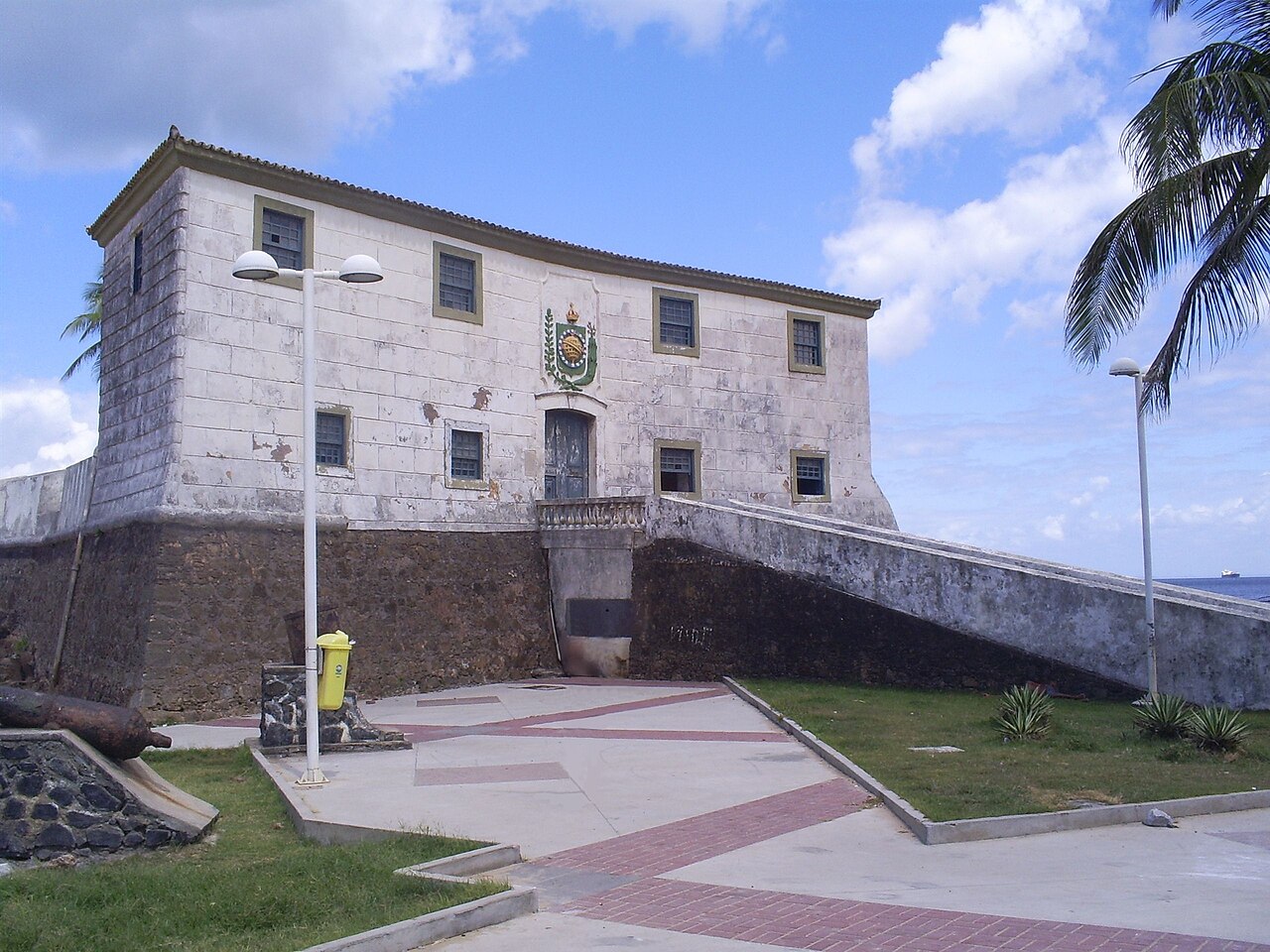
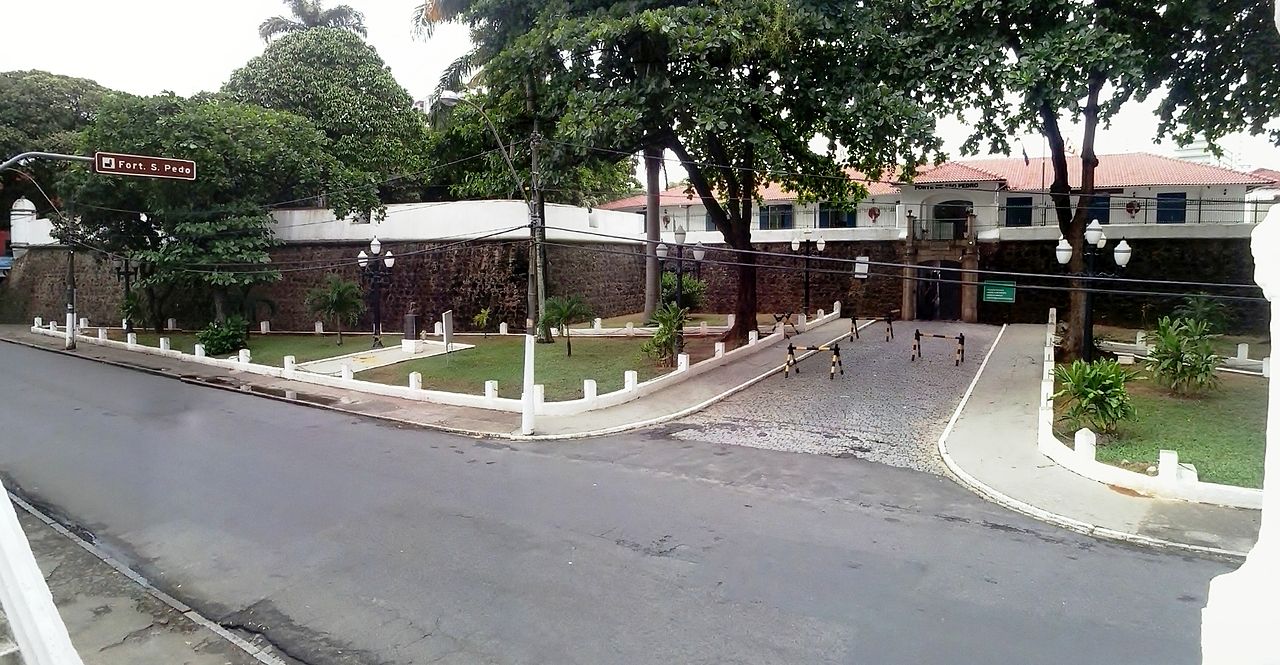
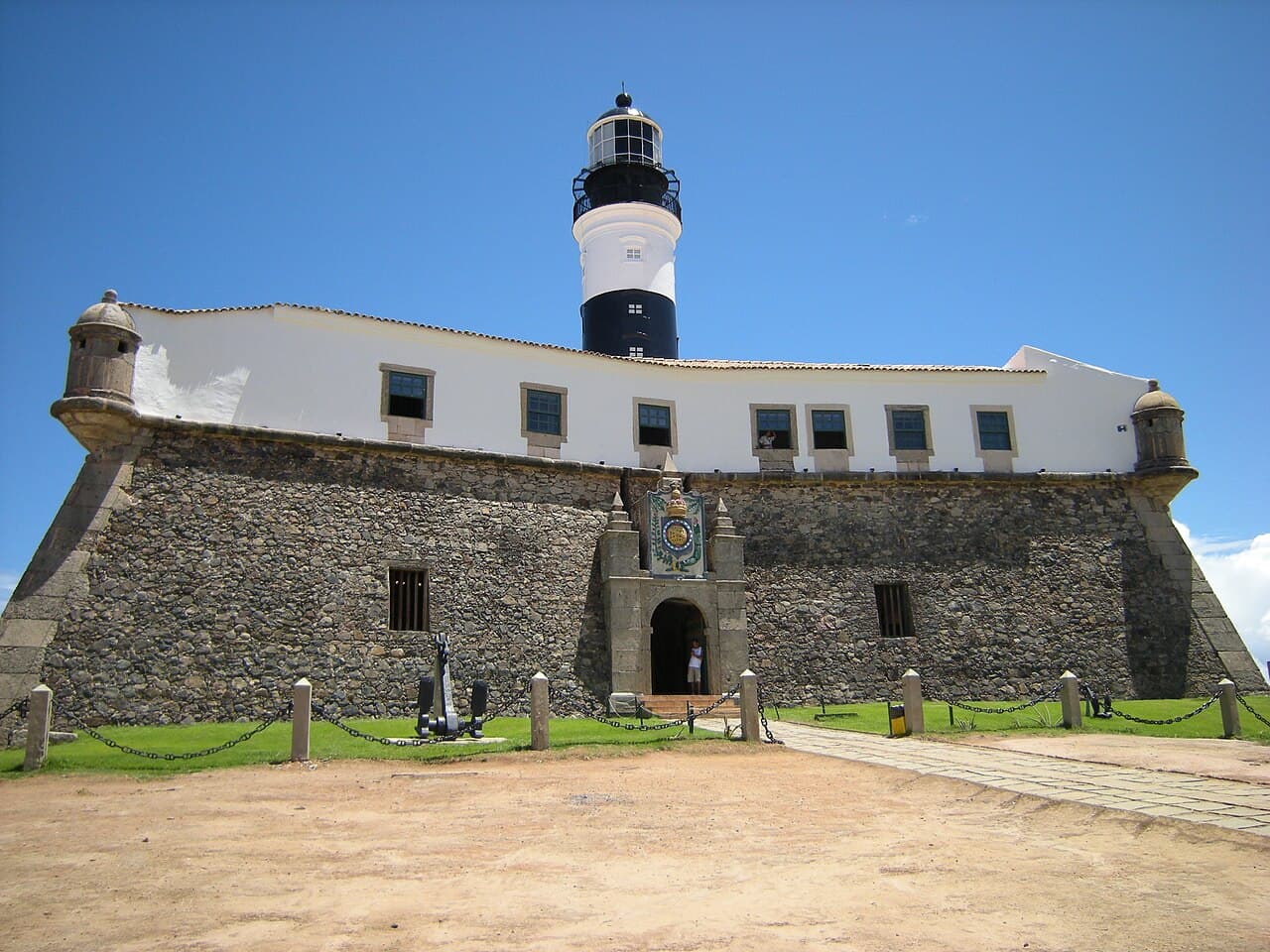
Forte de Santo Antônio da Barra is a prominent bastioned fortress located in Salvador, Bahia, Brazil. Built in the 18th century during the post-Renaissance period, the fort was strategically constructed to protect the entrance to the Bay of All Saints, a vital maritime gateway for the Portuguese Empire. Its location at Ponta do Padrão (now the Largo do Farol da Barra) has been a key defensive site since the early 16th century, with the initial Portuguese fortification on the site dating back to 1501.
Historical significance and early construction
The original fortification at this site was among the first Portuguese military constructions in Bahia, designed to secure the bay against foreign naval threats and pirate incursions. Over the centuries, the fort underwent several renovations and expansions to adapt to changing military technologies and threats. The current structure, known as Forte de Santo Antônio da Barra, was largely built in the 18th century, reflecting the bastioned fortress design typical of the era, which emphasized angled bastions and thick walls to withstand cannon fire.
Architectural features and design
The fort's design incorporates angular bastions that project outward from the main walls, allowing defenders to cover adjacent walls with crossfire, a hallmark of post-Renaissance military architecture. The thick stone walls and low profile were engineered to resist artillery bombardment. The fortress includes a series of ramparts, parapets, and embrasures for cannons. Its position on a rocky promontory provides commanding views of the bay and surrounding coastline, enhancing its defensive capabilities.
The Barra Lighthouse
One of the fort's most distinctive features is the Barra Lighthouse, which stands 22 meters (72 feet) tall. The lighthouse was added to the fort complex in the 17th century and has been a crucial navigational aid for ships entering the Bay of All Saints. It remains operational today and is a symbol of Salvador's maritime heritage.
The Nautical Museum of Bahia
Within the fort, the Nautical Museum of Bahia preserves and displays artifacts related to the maritime history of the region. Exhibits include historic maps, naval weaponry, ship models, and documents detailing the naval defense of Salvador and the broader Bay of All Saints area.
Preservation and cultural importance
Recognized as a historic structure by the National Institute of Historic and Artistic Heritage of Brazil, Forte de Santo Antônio da Barra is well preserved and remains a popular tourist attraction. Its combination of military architecture, maritime history, and cultural significance make it a key site for understanding the colonial and naval history of Brazil.
The fort is accessible to visitors who can explore its walls, bastions, and museum exhibits. Its location in Salvador, a city rich in colonial history, further enhances its appeal as a cultural landmark.
Frequently asked questions (FAQ)
- What is the historical significance of Forte de Santo Antônio da Barra?
- Forte de Santo Antônio da Barra, built in the 17th century, played a crucial role in defending Salvador from invasions during the colonial period. It is one of the oldest military structures in Brazil and is now home to the Nautical Museum of Bahia, showcasing the maritime history of the region.
- When was Forte de Santo Antônio da Barra constructed?
- The construction of Forte de Santo Antônio da Barra began in 1698 and was completed in 1703. Its strategic location on the entrance of the Bay of All Saints made it an essential fortification for the Portuguese Crown during its colonial operations.
- Can I visit Forte de Santo Antônio da Barra?
- Yes, visitors can explore Forte de Santo Antônio da Barra. The fort is open to the public, and tours are available for those interested in learning more about its history and architecture.
- What are the opening hours for Forte de Santo Antônio da Barra?
- Forte de Santo Antônio da Barra is typically open from 9 AM to 5 PM, Tuesday through Sunday. It is advisable to check their official website or contact them for any updates on hours and holidays.
- Is it possible to access Forte de Santo Antônio da Barra with a wheelchair?
- The fort has made efforts to improve accessibility for all visitors, including those with mobility challenges. However, due to its historical structure, some areas might be difficult to navigate; it's best to contact them in advance for detailed accessibility information.
- What is the ticket price for visiting Forte de Santo Antônio da Barra?
- The ticket price for entering Forte de Santo Antônio da Barra is generally very affordable, making it accessible for most visitors. Discounts may be available for students, seniors, and children, so it's wise to inquire at the entrance.
- When is the best time to visit Forte de Santo Antônio da Barra?
- The best time to visit Forte de Santo Antônio da Barra is during the dry season, from September to March, when the weather is more pleasant for outdoor activities. Early mornings or late afternoons provide stunning views and fewer crowds.
- Are there nearby attractions to visit after Forte de Santo Antônio da Barra?
- Yes, there are several nearby attractions, including the beautiful beaches of Barra, the historic district of Pelourinho, and the famous Elevador Lacerda. Each offers a unique glimpse into the culture and history of Salvador, making for a well-rounded visit.
Photo gallery

Information
Loading map...
Visitor reviews
No reviews yet. Been here? Write the first review and help other travelers!
Write the first reviewVisited this castle? Share your experience
Your review helps other travelers and adds first-hand knowledge to our encyclopedia.