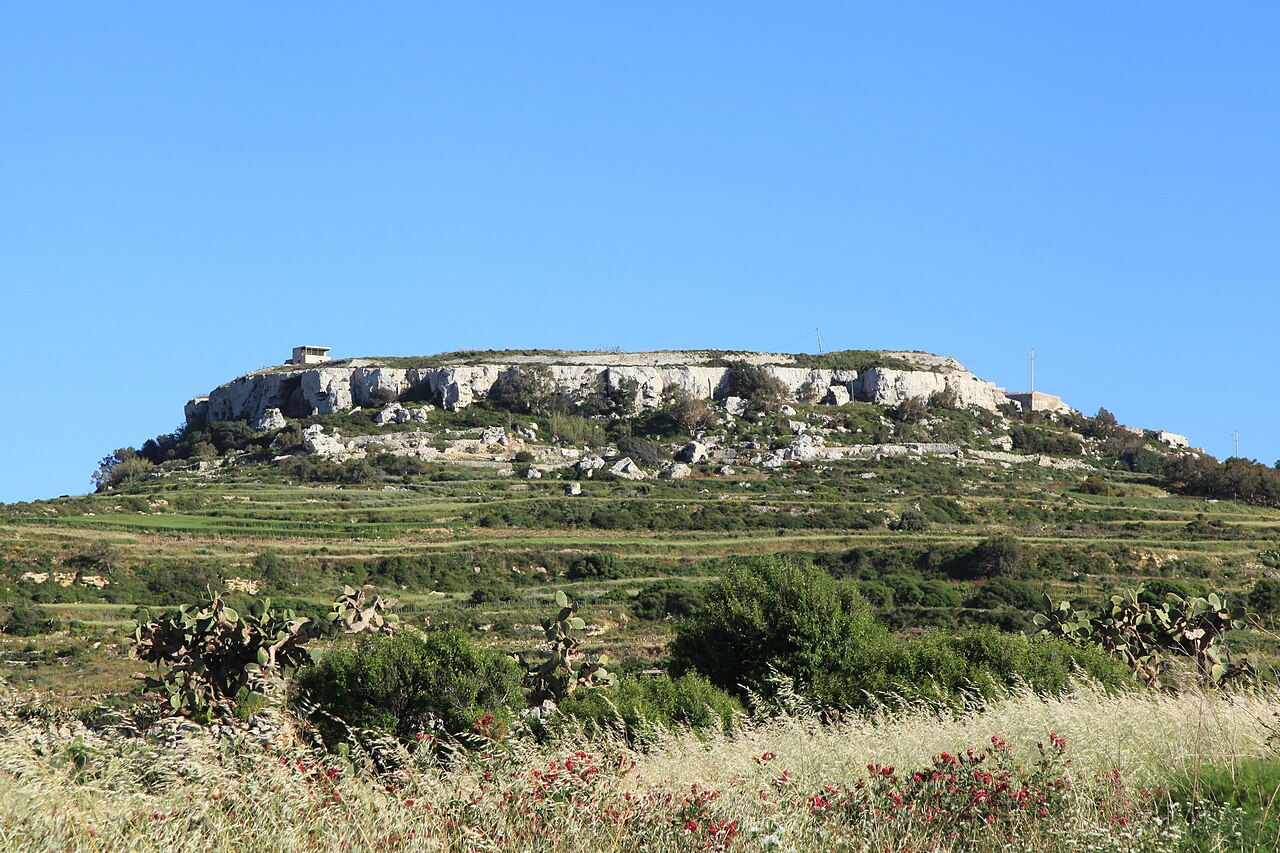
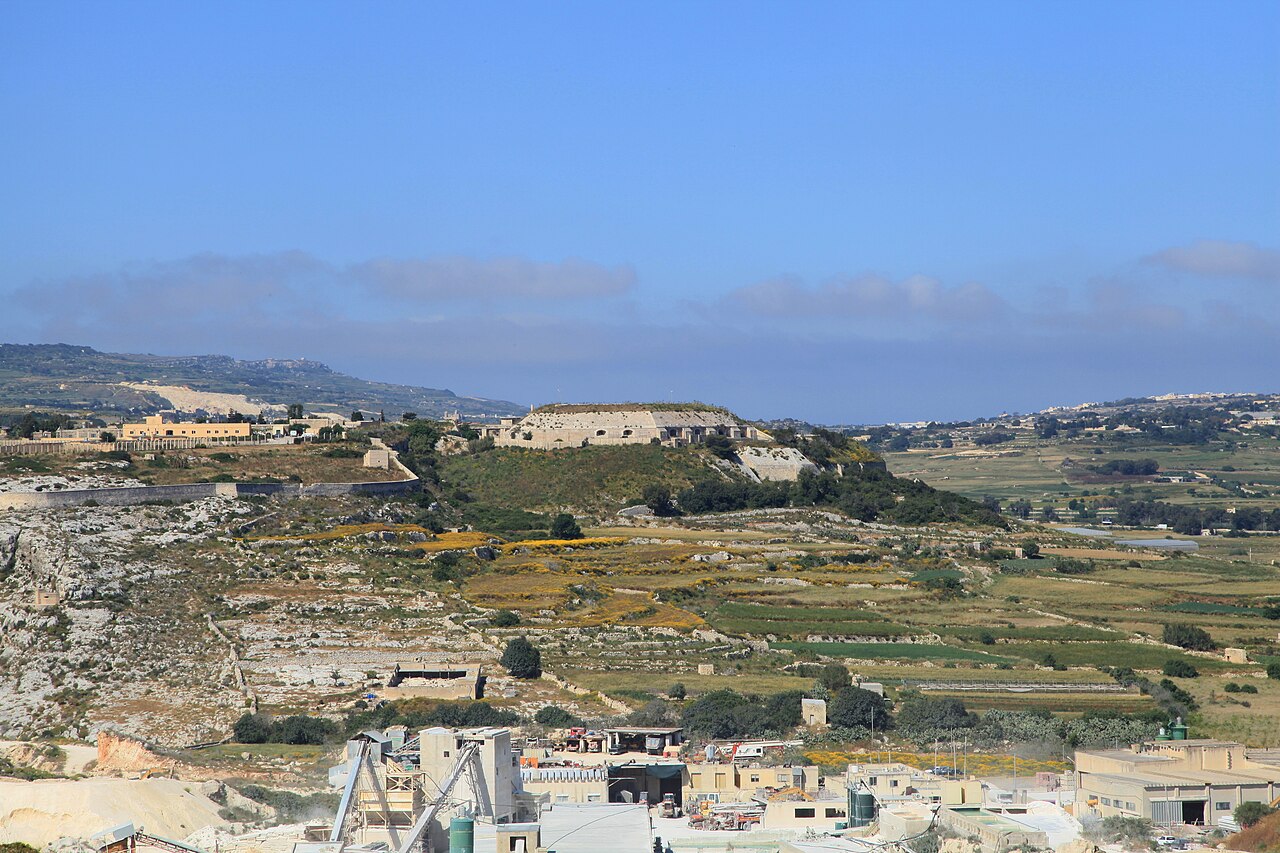
Mdina, often called the "Silent City," is a fortified city in Malta with a history of fortification dating back to antiquity. The fortifications of Mdina are among the best-preserved defensive walls in Malta, showcasing a complex layering of historical periods from the Punic-Roman era through the Medieval and Hospitaller periods. These fortifications have been continuously adapted and expanded to meet evolving military needs over nearly two millennia.
Ancient origins and early fortifications
The origins of Mdina's fortifications trace back to around 700 BC when the Phoenicians established the city of Maleth on one of Malta's highest points, strategically situated away from the coast to protect it from seaborne attacks. This early settlement was fortified with defensive walls that enclosed a larger area than the current city, extending into what is now the town of Rabat. Under Roman rule, the city was renamed Melite, and the fortifications continued to serve as a vital defensive structure.
During the Byzantine period in the early Middle Ages, the fortifications underwent significant modifications. A retrenchment was constructed within the city, reducing its size to the current perimeter of Mdina. The Byzantines likely built a fortification at the southeast corner near the main entrance, which later became known as the Castellu di la Chitati. This period marked a transition from the expansive Punic-Roman defenses to a more compact and defensible urban core.
Arab and medieval transformations
In approximately 870 AD, the Maltese Islands fell under Arab rule. The city was renamed Medina, from which the modern name Mdina derives. The Arabs are credited with initiating the digging of the city's defensive ditch, a key feature that enhanced the fortifications by creating a moat-like barrier around the walls.
Following the Norman conquest in 1091, Malta became part of the County of Sicily, and a succession of feudal lords controlled the island. During this medieval period, Mdina's fortifications were expanded and reinforced. The land front featured a series of double walls fortified by four main towers, including the Turri Mastra near the main gate and the Turri di la Camera at the southeast corner.
By the 15th century, the city walls reflected medieval military architecture, designed to withstand siege warfare typical of the period. The fortifications included thick curtain walls, battlements, and fortified towers, which provided vantage points for archers and artillery.
The impact of artillery and the hospitaller renovations
The introduction of gunpowder and artillery in the early 16th century necessitated major upgrades to Mdina's defenses. By 1522, the walls began to be adapted to withstand cannon fire. The medieval fortifications were largely dismantled and rebuilt by the Order of Saint John (the Hospitallers) from the 16th through the 18th centuries, reflecting the evolution of military engineering and the need to counter Ottoman threats.
During the reign of Juan de Homedes y Coscon, significant improvements were made to the fortifications. Mdina successfully resisted a brief Ottoman attack in 1551, demonstrating the effectiveness of these upgrades. Later, after the Great Siege of Malta in 1565, the city played a role in deterring Ottoman forces retreating from the failed siege of the Grand Harbour by firing their cannons despite limited ammunition.
18th-century enhancements and architectural features
The 17th and 18th centuries saw further fortification works under the Hospitallers. The construction of the De Redin Bastion in the 17th century added a formidable defensive position. The early 18th century brought modernization efforts led by the architect Charles François de Mondion, who redesigned the main gate, the area around Greeks Gate, and other parts of the fortifications, enhancing both their defensive capabilities and aesthetic appeal.
Despuig Bastion was constructed between 1739 and 1746 during the reign of Ramon Despuig, completing the bastioned fortifications that characterize Mdina today. These bastions provided overlapping fields of fire and were designed to absorb and deflect artillery bombardment.
The fortifications include an irregular perimeter of thick curtain walls reinforced by five bastions, all built during the Hospitaller period. The Torre dello Standardo, built in 1725 on the site of the medieval Turri Mastra, served as a signalling tower to communicate with coastal watchtowers, integrating Mdina into the wider defensive network of the island.
Historical significance and preservation
Mdina's fortifications have survived largely intact, with the exception of some outworks, making them one of the best-preserved examples of fortified medieval and early modern urban defenses in Malta. The city walls reflect a continuous history of military architecture adapting to changing political and military contexts from the ancient Phoenician foundation to the Hospitaller enhancements.
Mdina has been on Malta's tentative list of UNESCO World Heritage Sites since 1998, recognizing its cultural and historical importance. Archaeological excavations have uncovered foundations of the ancient Punic-Roman ramparts and various medieval remains, providing valuable insights into the city's long defensive history.
In the late 19th century, Mdina's fortifications were considered part of the Victoria Lines, a defensive line built by the British across northern Malta, illustrating the continued strategic importance of the site well into modern times.
Frequently asked questions (FAQ)
- What is the historical significance of the Fortifications of Mdina?
- The Fortifications of Mdina are a remarkable example of medieval military architecture, showcasing the strategic importance of Mdina as the capital of Malta for centuries. Built primarily in the 16th century, these fortifications reflect the island's rich history and its defense against invasions, making it a key site for understanding Malta's past.
- When was the Fortifications of Mdina built?
- The majority of the current fortifications date back to the Knights of St. John in the 16th century, although some elements of the walls and structures can be traced back to earlier periods. The fortifications underwent several modifications over the years to adapt to changing warfare techniques.
- Can I visit the Fortifications of Mdina?
- Yes, visitors are welcome to explore the Fortifications of Mdina. You can stroll along the impressive walls and enjoy stunning panoramic views of the surrounding countryside and coastline, making it a popular destination for tourists and history enthusiasts alike.
- What are the opening hours for the Fortifications of Mdina?
- The Fortifications of Mdina are generally open to visitors from 9:00 AM to 5:00 PM. However, hours may vary during public holidays or special events, so it's advisable to check the official website before planning your visit.
- Is it possible to access the Fortifications of Mdina with a wheelchair?
- While some areas of the Fortifications of Mdina may be accessible, the site has uneven surfaces and steep pathways that can make navigation challenging for wheelchair users. It is recommended to contact the visitor center for specific accessibility options and assistance.
- What is the best time to visit the Fortifications of Mdina?
- The best time to visit the Fortifications of Mdina is during the spring and fall months when the weather is mild and comfortable for outdoor exploration. Visiting early in the morning or later in the afternoon can also help you avoid the peak tourist crowds.
- Are there any nearby attractions to visit while at the Fortifications of Mdina?
- Yes, nearby attractions include St. Paul's Cathedral, the Mdina Dungeons, and the Natural History Museum, all located within a short walking distance. These sites offer additional insights into the rich history and culture of Mdina, making for a full day of exploration.
- What are the ticket prices for visiting the Fortifications of Mdina?
- Admission to the Fortifications of Mdina is typically free, allowing everyone to enjoy the stunning views and historic architecture. However, there may be fees for guided tours or specific exhibitions, so it's best to check in advance for any additional costs.
Loading map...
Visitor reviews
No reviews yet. Been here? Write the first review and help other travelers!
Write the first reviewVisited this castle? Share your experience
Your review helps other travelers and adds first-hand knowledge to our encyclopedia.