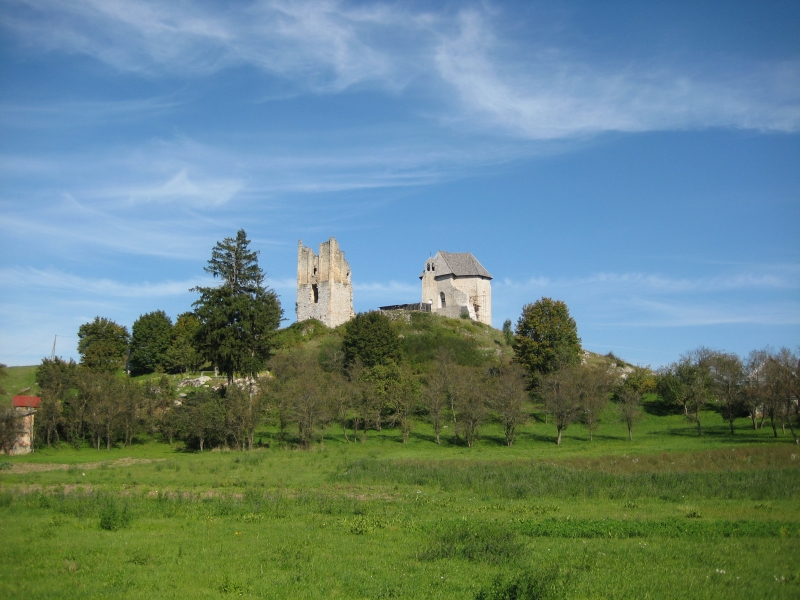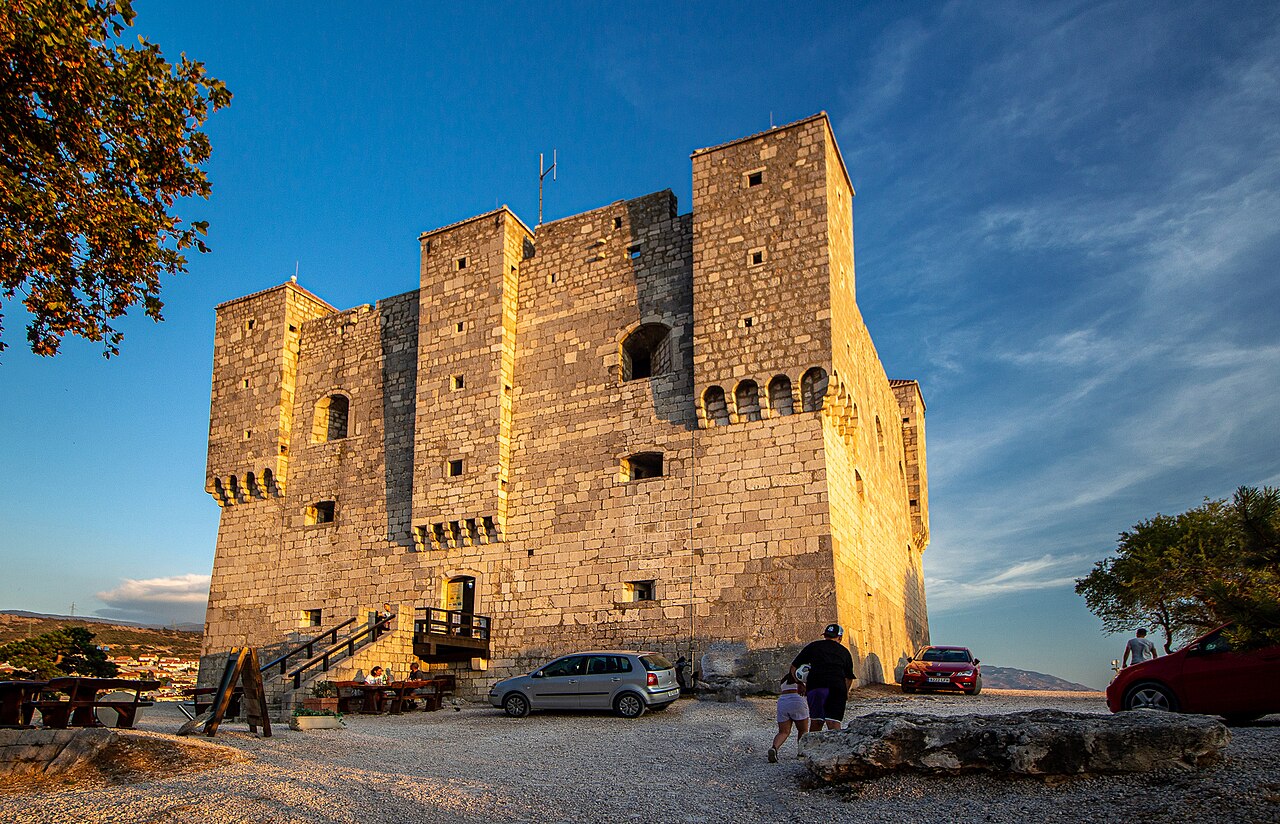
Fortica Fortress (Croatian: Tvrđava Fortica) is a significant example of a 17th-century Renaissance fortress located in the town of Otočac, within the Lika-Senj County of Croatia. Perched atop a flat hill at the northern edge of the town, the fortress commands a strategic vantage point overlooking the Gacka River valley and extensive parts of Otočac. This elevated position was crucial for its original military function, serving as a key defensive stronghold against Ottoman incursions during the turbulent period of the Ottoman wars in Europe.
Historical context and military significance
Constructed in the early modern period, specifically in the 17th century, Fortica Fortress was part of a broader network of fortifications designed to protect the Habsburg Monarchy's southern borders from the advancing Ottoman Empire. The fortress's location in the Gacka valley was strategically chosen to control important routes and to provide surveillance over the surrounding region. Throughout its active use, the fortress played a vital role in the military defense system, acting as a deterrent and a base for troops tasked with repelling Ottoman raids.
Architectural features and design
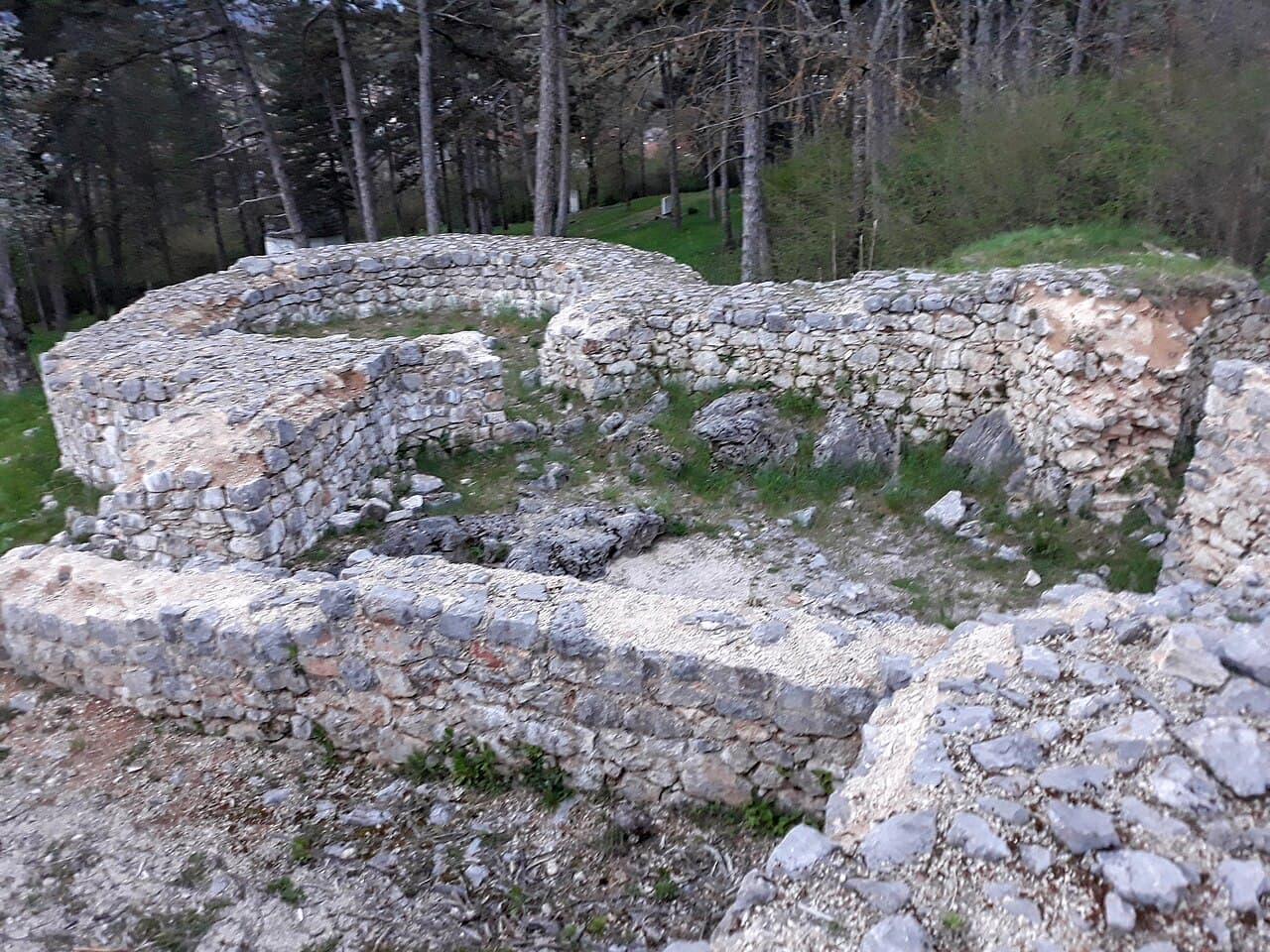
The fortress exemplifies Renaissance military architecture, characterized by its adaptation to the evolving art of warfare, particularly the use of gunpowder and artillery. While much of the original structure now lies in ruins, archaeological studies and remaining walls reveal a layout optimized for defense. The fortress was built on a flat hilltop, which allowed for a broad field of fire and observation.
Typical of Renaissance fortifications, the design likely included thick stone walls with angled bastions or ramparts to deflect cannon fire, although specific details of bastions or curtain walls are limited due to the fortress's ruined state. The placement of gates and towers would have been planned to maximize defensive capabilities, controlling access and providing positions for artillery emplacements.
Fortress layout and components
The fortress's layout was probably compact, conforming to the hill's topography, with a central courtyard surrounded by defensive walls. Within the walls, there would have been barracks, ammunition storage, and possibly a or small chapel, common in military structures of the period. The elevated position not only served military needs but also allowed the garrison to monitor the surrounding landscape for approaching enemies.
Decline and current condition
Following the gradual retreat of Ottoman forces and the stabilization of the region by the 19th century, Fortica Fortress lost its military importance. As peace returned, maintenance waned, and the fortress slowly fell into disrepair. Over time, natural decay and lack of upkeep reduced the structure to a state of ruin.
In recent years, efforts have been made to partially restore the fortress, aimed at preserving its historical and cultural significance. These restorations focus on stabilizing the remaining walls and making the site accessible for visitors interested in the region's military history and architectural heritage.
Visiting Fortica Fortress
Today, the ruins of Fortica Fortress offer a glimpse into the region's turbulent past and the evolution of military architecture during the Renaissance. Visitors can explore the hilltop site, enjoy panoramic views of the Gacka River valley, and appreciate the fortress's role in Croatian history. Interpretive signage and guided tours may be available to provide context about the fortress's construction, use, and eventual decline.
Significance in Croatian cultural heritage
Fortica Fortress stands as an important cultural monument reflecting the complex history of border defense in Croatia. It illustrates the adaptation of Renaissance fortification techniques in a frontier region contested by empires. The site contributes to understanding the military, political, and social dynamics of the Lika-Senj County during a pivotal era in European history.
Frequently asked questions (FAQ)
- When was Fortica Fortress built and for what purpose?
- Fortica Fortress was constructed in the 17th century as a Renaissance-era military stronghold to defend against Ottoman incursions in the Gacka River valley region.
- What remains of Fortica Fortress can visitors see today?
- Visitors can see the ruins of the fortress including remnants of thick stone walls and the hilltop layout, which provide insight into its defensive design and strategic location.
- Is Fortica Fortress accessible to the public?
- Yes, the fortress ruins are accessible to visitors who can explore the site and enjoy panoramic views of Otočac and the surrounding Gacka River valley.
- Why is Fortica Fortress historically significant?
- The fortress is historically significant as part of the Habsburg defense line against the Ottoman Empire, showcasing Renaissance military architecture adapted for artillery warfare.
- Has Fortica Fortress undergone restoration?
- The fortress has been partially restored in recent years to stabilize the ruins and preserve its cultural heritage for educational and tourism purposes.
Photo gallery

Information
Loading map...
Visitor reviews
No reviews yet. Been here? Write the first review and help other travelers!
Write the first reviewVisited this castle? Share your experience
Your review helps other travelers and adds first-hand knowledge to our encyclopedia.