Fortaleza da Madre de Deus e São Pedro
Fortaleza da Madre de Deus e São Pedro is a significant historical fortress located in Brazil, known for its strategic position atop a hill which provided commanding views over the surrounding area. This hill castle played a crucial role in the defense system during the colonial period, particularly in protecting the territory from naval invasions and ensuring control over key maritime routes.
Historical background and significance
The fortress was constructed during the colonial era when European powers were establishing strongholds in South America to secure their interests. Its name, dedicated to Madre de Deus (Mother of God) and São Pedro (Saint Peter), reflects the religious influences prevalent in Portuguese colonial architecture and naming conventions.
While the exact date of construction is not precisely documented, it is generally associated with the early modern period, likely built in the 16th or 17th century as part of the Portuguese efforts to fortify their coastal possessions in Brazil. The fortress's location on elevated terrain provided a natural advantage for surveillance and defense against enemy fleets.
Architectural features and design
The fortress exhibits characteristics typical of colonial military architecture, including thick stone walls designed to withstand cannon fire and attacks. Its hilltop setting allowed for the installation of artillery batteries with wide fields of fire over the sea and approaches to the harbor or settlement it protected.
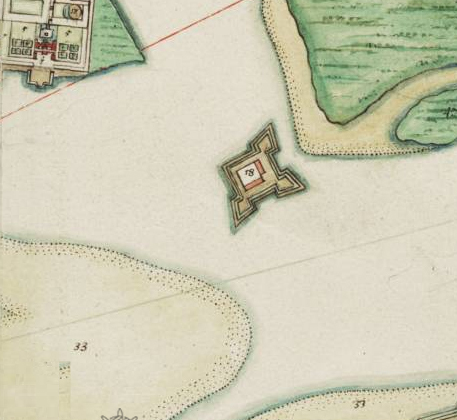
The design likely incorporated bastions or angled walls to eliminate blind spots and maximize defensive coverage, a common feature in fortifications influenced by the star fort design principles popular in European military engineering of the time. The fortress would have included barracks, storage facilities, and command quarters within its walls, arranged around a central courtyard.
Defensive structures
Key defensive elements included ramparts, parapets, and possibly a moat or ditch to hinder attackers. The entrance would have been fortified with a gatehouse, potentially equipped with a drawbridge or heavy doors. Watchtowers or sentry posts provided vantage points for early warning of enemy movements.
Role in regional defense and historical events
Fortaleza da Madre de Deus e São Pedro served as a critical point in the network of fortifications guarding Brazil's coastline. It played a role in repelling attacks from rival colonial powers and pirates, safeguarding the local population and economic interests. Its presence helped maintain Portuguese dominance in the region during periods of conflict and territorial disputes.
Over time, as military technology and strategies evolved, the fortress's importance may have diminished, but it remains a symbol of the colonial military heritage and the efforts to secure Brazil's coastal frontiers.
Current condition and cultural importance
Today, the fortress stands as a partially preserved historical site, attracting visitors interested in Brazil's colonial past and military architecture. Efforts to maintain and restore parts of the structure help preserve its legacy and provide educational opportunities about the region's history.
The site is valued not only for its architectural features but also for its cultural significance, representing the intersection of European colonialism and Brazilian history. It offers insights into the defensive strategies employed during a formative period in Brazil's development.
Visitor information
While specific visiting hours and ticket prices may vary, the fortress is generally accessible to the public, often featuring guided tours that explain its history and architectural details. Visitors can explore the ramparts, courtyards, and remaining defensive structures, gaining a tangible sense of the fortress's strategic role.
Frequently asked questions (FAQ)
- How do I get to Fortaleza da Madre de Deus e São Pedro?
- Fortaleza da Madre de Deus e São Pedro is located in Brazil, and it can be easily accessed by car or public transportation from nearby cities. If you're traveling from São Paulo, a bus service operates frequently, providing a convenient option for visitors.
- What are the opening hours of the fortress?
- The fortress is open to visitors from Tuesday to Sunday, between 10 AM and 5 PM. It is closed on Mondays, so plan your visit accordingly to make the most of your trip.
- When was Fortaleza da Madre de Deus e São Pedro built?
- Fortaleza da Madre de Deus e São Pedro was constructed in the late 17th century, specifically between 1683 and 1690. It served as a vital defense against invasions and played a significant role in the colonial history of Brazil.
- Can I take photographs inside the fortress?
- Yes, photography is allowed inside Fortaleza da Madre de Deus e São Pedro. Visitors are encouraged to capture the stunning architecture and scenic views, but please be respectful of any posted guidelines regarding flash photography and restricted areas.
- Why is Fortaleza da Madre de Deus e São Pedro historically significant?
- The fortress is historically significant as it represents the military architecture of the colonial period in Brazil. It played a crucial role in protecting the region from foreign invasions and is a testament to the country’s rich cultural heritage.
- Is it possible to arrange guided tours of the fortress?
- Yes, guided tours are available at Fortaleza da Madre de Deus e São Pedro. These tours provide deeper insights into the history and architecture of the fortress, making your visit more enriching.
- What is the ticket price for visiting the fortress?
- Admission to Fortaleza da Madre de Deus e São Pedro is typically affordable, with ticket prices around R$10 for adults. Discounts may be available for children, seniors, and students, so check at the entrance for current rates.
- What is the best time to visit Fortaleza da Madre de Deus e São Pedro?
- The best time to visit is during the dry season from May to September, when the weather is more pleasant for outdoor exploration. Additionally, visiting on weekdays can help you avoid larger crowds.
- Are there any nearby attractions to explore?
- Yes, there are several nearby attractions, including beautiful beaches and local markets that showcase Brazilian culture. You can also explore the surrounding historical sites that provide further context to the region's past.
Photo gallery

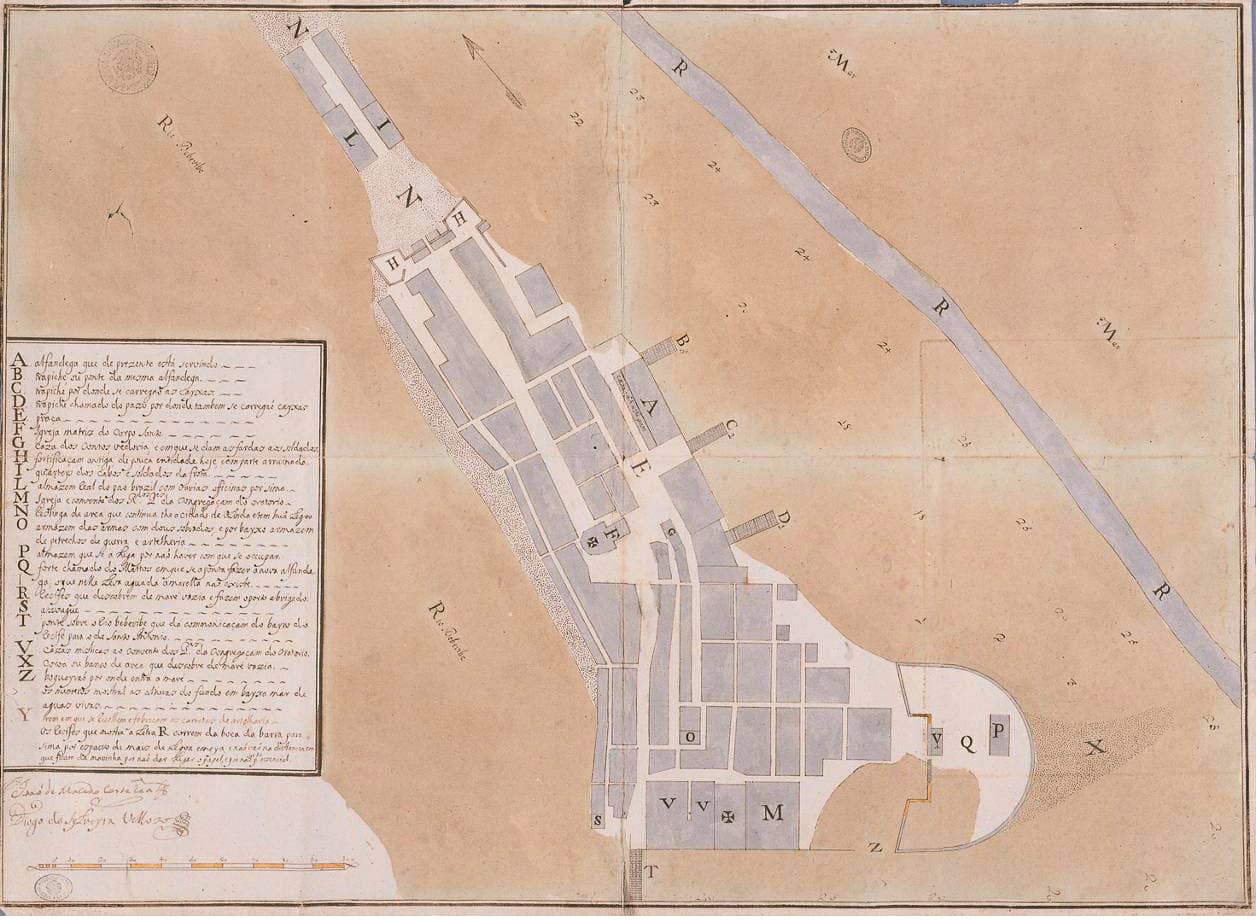
Photo by João de Macedo Corte Real and Diogo da Silveira Velloso•Public domain
Information
Loading map...
Visitor reviews
No reviews yet. Been here? Write the first review and help other travelers!
Write the first reviewVisited this castle? Share your experience
Your review helps other travelers and adds first-hand knowledge to our encyclopedia.