Forte de São Lourenço
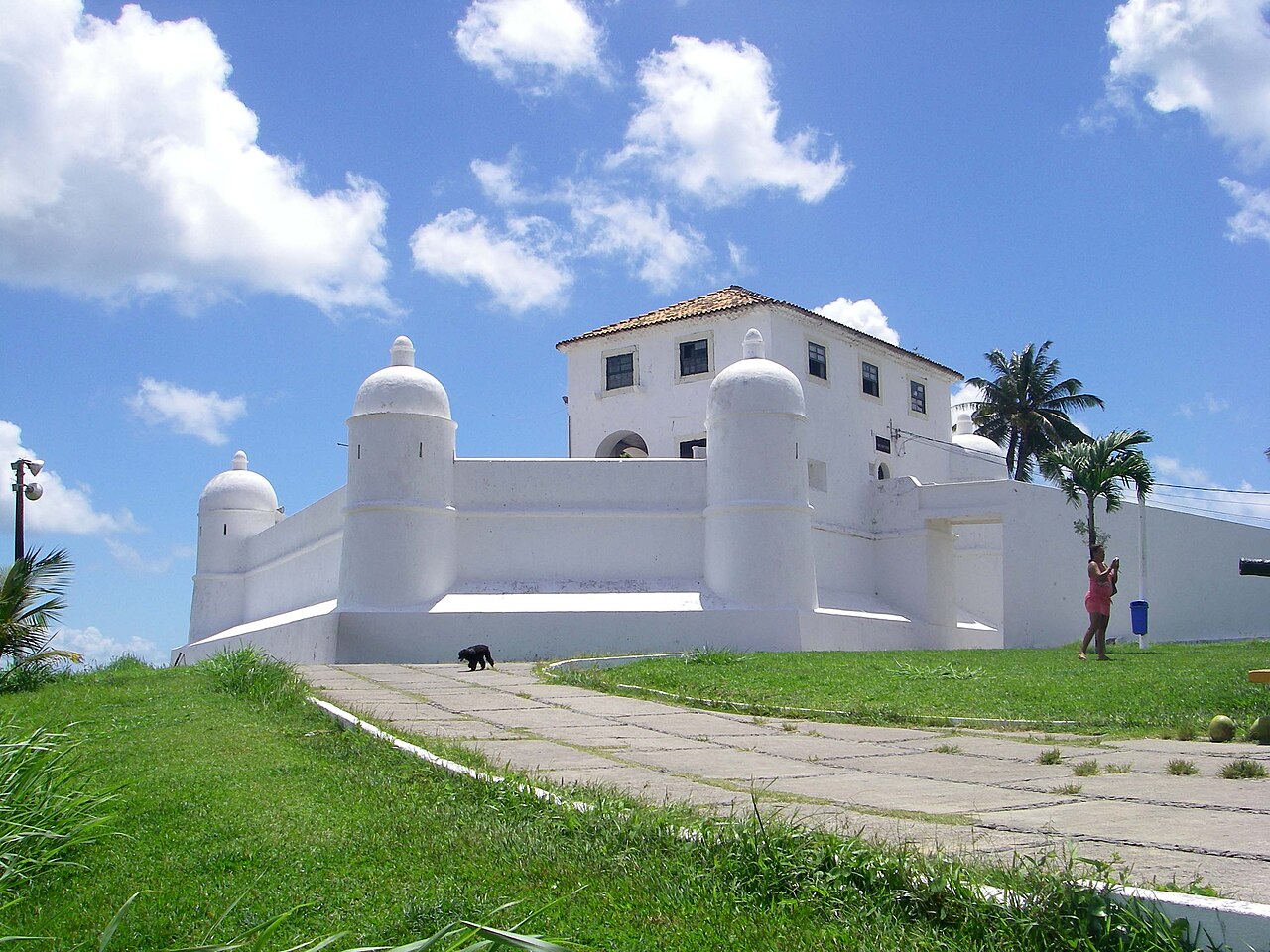
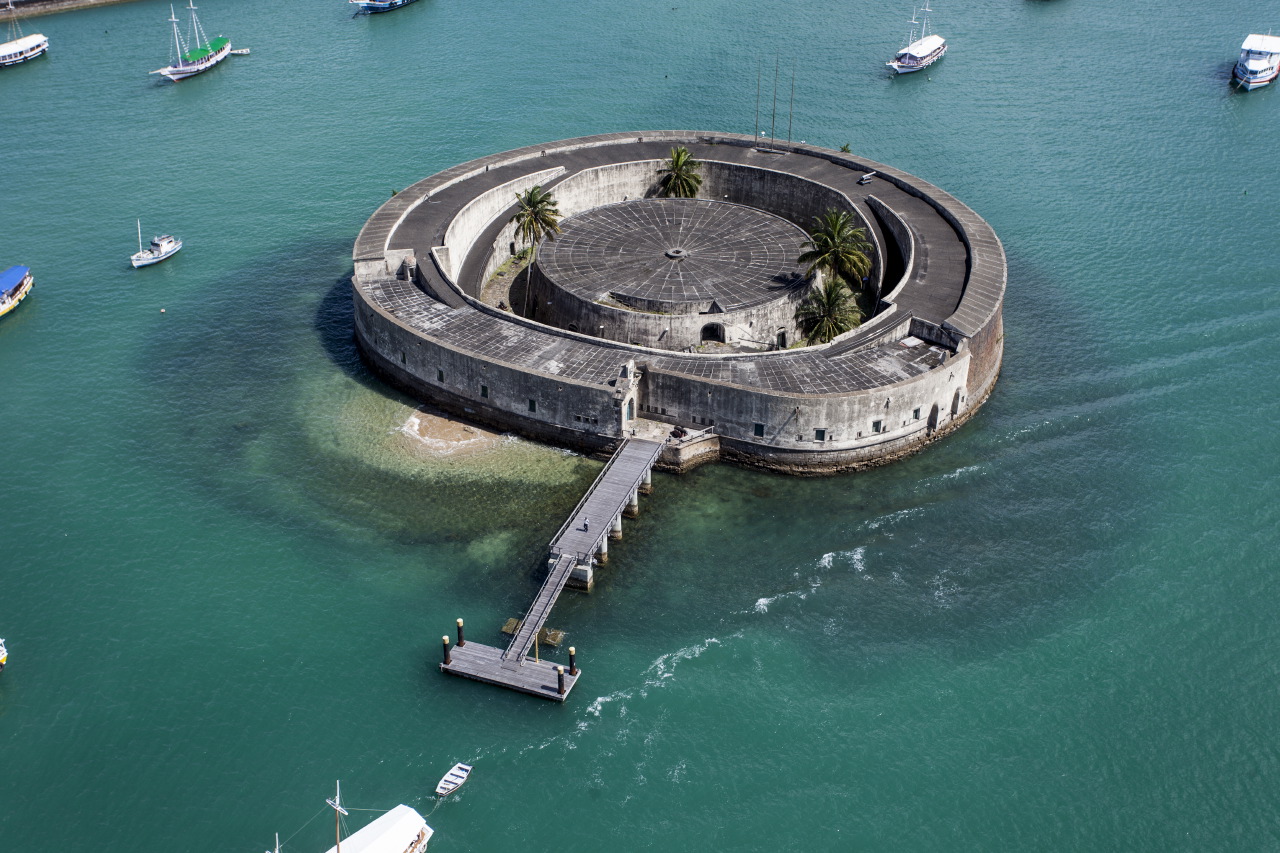
Forte de São Lourenço, located on the northern tip of Itaparica Island in Bahia, Brazil, stands as a remarkable example of a bastioned fortress from the 17th century. Its strategic position overlooking the Bay of All Saints made it a critical point for controlling naval access and defending the island from foreign incursions, particularly during the turbulent colonial conflicts of the 17th and 18th centuries.
Historical background and early fortifications
The site of Forte de São Lourenço was initially significant for its use in whaling activities in the early 1600s, reflecting the economic importance of the region during the colonial era. During the period of Dutch occupation of northeastern Brazil (1630–1654), the Dutch constructed a small earthwork fortification on this site to strengthen their hold over the bay and protect their interests against Portuguese forces.
Following the end of Dutch control, the Portuguese recognized the strategic value of the location and undertook a comprehensive reconstruction of the fort in the early 18th century. This reconstruction transformed the original earthwork into a more permanent and robust bastioned fortress, designed to withstand artillery assaults and provide a strong defensive position.
Architectural features and design
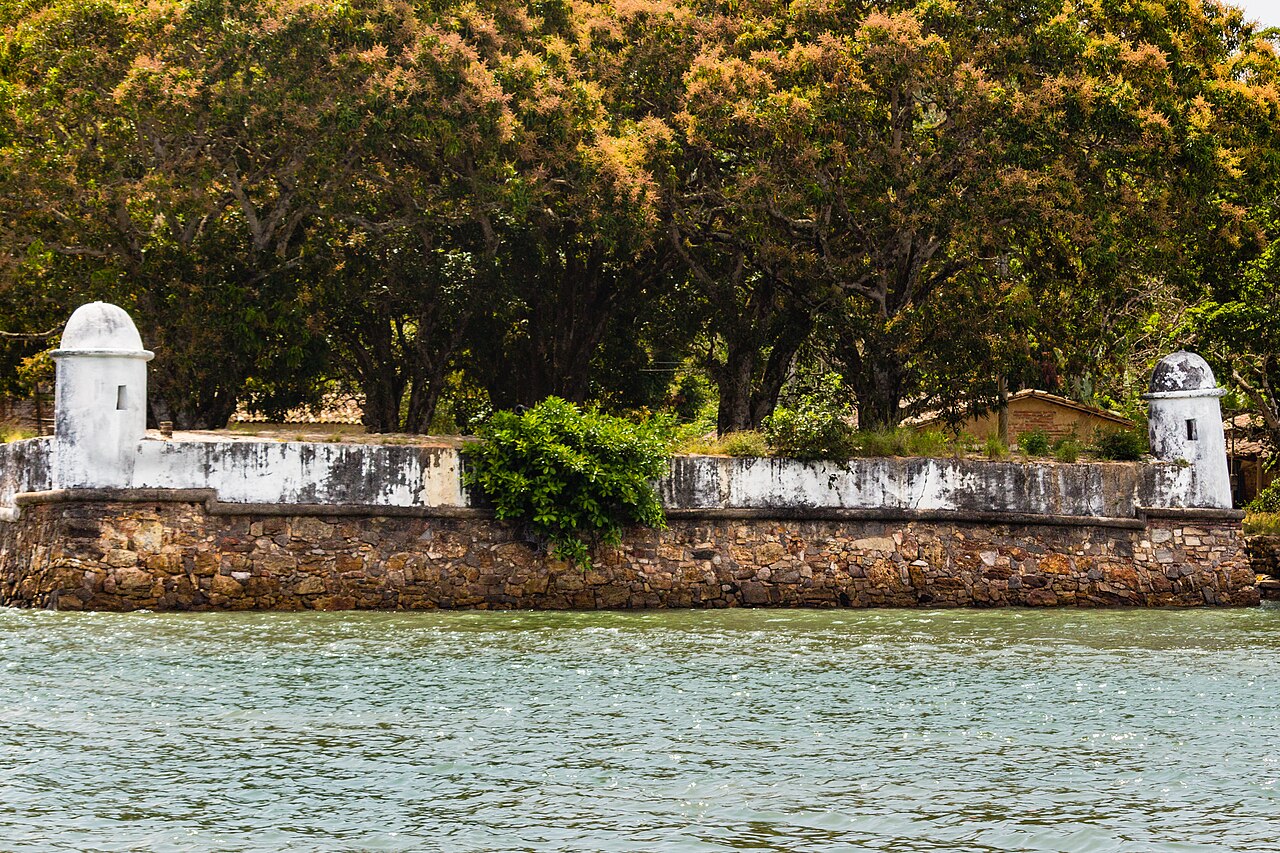
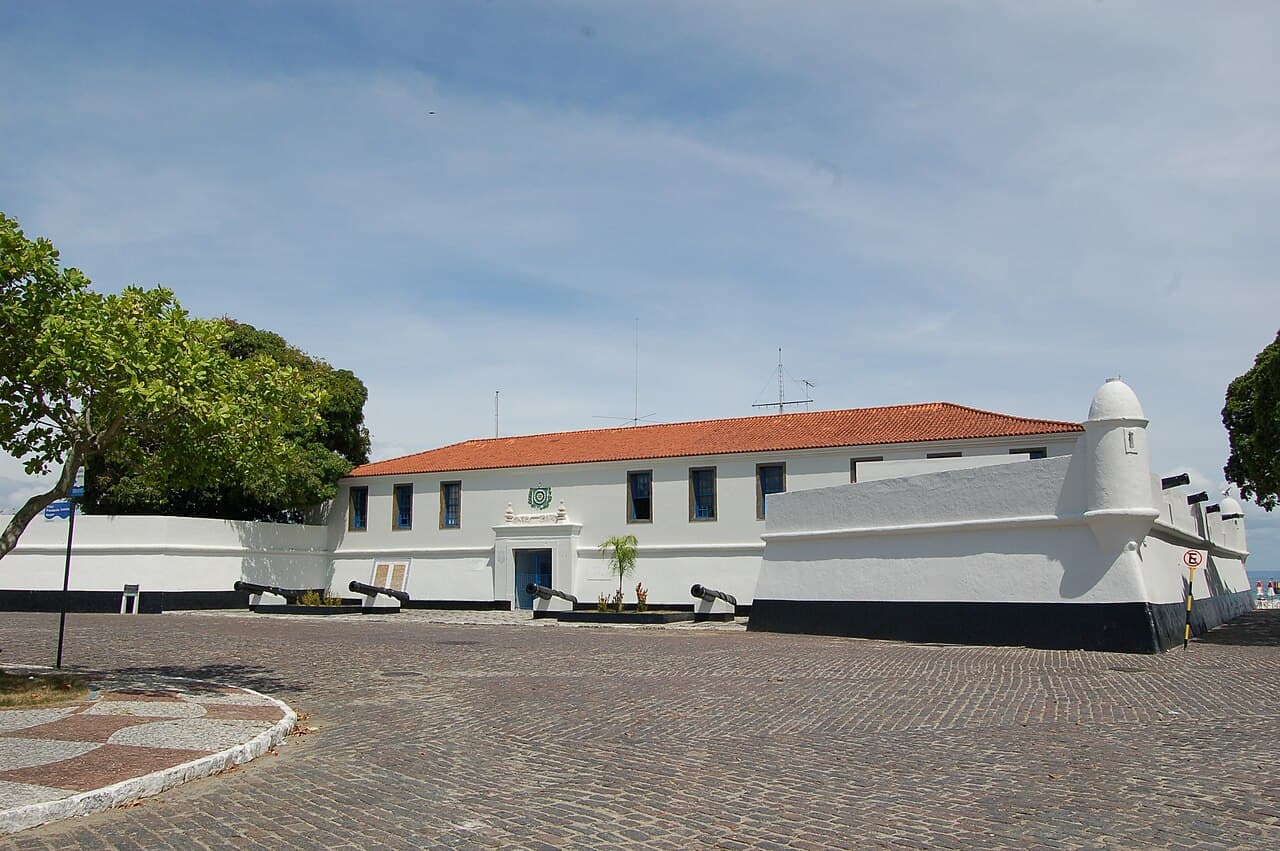
The fort exemplifies the bastioned fortress design typical of the Renaissance military architecture that was adapted and implemented in the Americas. Its layout includes angular bastions at the corners, allowing defenders to cover all approaches with overlapping fields of fire. The walls are thick and sloped to absorb cannon fire, constructed primarily from local stone and mortar.
Forte de São Lourenço features a main gate with robust defensive elements, including a drawbridge and a protective barbican. Inside, the fort contains barracks, storage rooms, and a chapel, arranged around a central courtyard. The design reflects both military functionality and the needs of a garrisoned community.
Defensive structures and armament
The bastions were equipped with artillery placements that could cover the surrounding waters and land approaches. The fort's position allowed it to control naval traffic entering the bay and to defend against amphibious assaults. The walls include embrasures for cannons and musketry loopholes for infantry defense.
Role in Brazilian history
During the Brazilian struggle for independence in 1823, Forte de São Lourenço was actively used by Brazilian forces to defend the region against Portuguese loyalists. Its strategic location made it a key military asset during the conflict. After independence, the fort came under the ownership of the Brazilian Navy, which has maintained it since that time.
The fort was officially recognized as a federal historic structure in 1938, ensuring its preservation as a cultural and historical monument. It remains an important symbol of Brazil's colonial past and military heritage.
Current condition and preservation
Today, Forte de São Lourenço is well preserved and maintained under the care of the Brazilian Navy. Its structure remains largely intact, allowing visitors to appreciate the original bastioned design and architectural features. The fort is accessible to the public, offering insights into colonial military engineering and the history of Bahia.
Visiting Forte de São Lourenço
Visitors to the fort can explore its bastions, walls, and internal buildings, gaining a sense of the defensive strategies employed during the colonial period. The site also provides scenic views of the bay and the surrounding landscape. Educational programs and guided tours are sometimes available to enhance the visitor experience.
The fort's location on Itaparica Island can be reached by ferry from Salvador, making it a popular destination for those interested in history and architecture.
Architectural significance in context
Forte de São Lourenço represents the adaptation of European Renaissance military architecture to the specific conditions of colonial Brazil. Its bastioned design illustrates the evolution of fortification techniques in response to the increasing use of gunpowder artillery. The fort's preservation offers valuable insights into the defensive priorities and construction methods employed by the Portuguese Empire in the Americas.
As a bastioned fortress, it shares characteristics with other colonial forts along the Brazilian coast but stands out for its state of preservation and historical associations with key events such as the Dutch occupation and Brazilian independence.
Frequently asked questions (FAQ)
- What is the historical significance of Forte de São Lourenço?
- Forte de São Lourenço, built in the 16th century, played a crucial role in protecting the Brazilian coast from invasions. It served as a strategic military outpost during the colonial period, showcasing the architectural and military advancements of its time.
- When was Forte de São Lourenço constructed?
- Forte de São Lourenço was constructed between 1556 and 1580, making it one of the oldest military fortifications in Brazil. Its construction marked the beginning of a series of defenses along the coastline to safeguard against European invaders.
- Can I visit Forte de São Lourenço?
- Yes, visitors can explore Forte de São Lourenço, which is open to the public. The fortress offers guided tours that provide insight into its rich history and architectural features.
- What are the opening hours for Forte de São Lourenço?
- Forte de São Lourenço is typically open from Tuesday to Sunday, from 9 AM to 5 PM. It is recommended to check the official website for any changes in hours or special events before your visit.
- Is it possible to access Forte de São Lourenço by public transportation?
- Yes, you can reach Forte de São Lourenço via public transportation, including local buses and ferries from nearby areas. The scenic route adds to the experience of visiting this historic site.
- What are the ticket prices for visiting Forte de São Lourenço?
- Admission to Forte de São Lourenço is generally affordable, with a small fee for adults and discounted rates for students and seniors. Children under a certain age may enter for free, making it an accessible option for families.
- When is the best time to visit Forte de São Lourenço?
- The best time to visit Forte de São Lourenço is during the dry season, from May to September, when the weather is more pleasant. This period is ideal for exploring the fort and enjoying the beautiful coastal views.
- What nearby attractions can I visit after Forte de São Lourenço?
- After visiting Forte de São Lourenço, you can explore the beautiful beaches of Itaparica Island or visit the local museums that showcase the region's history. The island also offers various dining options with local cuisine to enhance your visit.
Photo gallery

Information
Current owner
Brazilian Navy
Loading map...
Visitor reviews
No reviews yet. Been here? Write the first review and help other travelers!
Write the first reviewVisited this castle? Share your experience
Your review helps other travelers and adds first-hand knowledge to our encyclopedia.