Fort of the Holy Cross (São Roque do Paraguaçu)
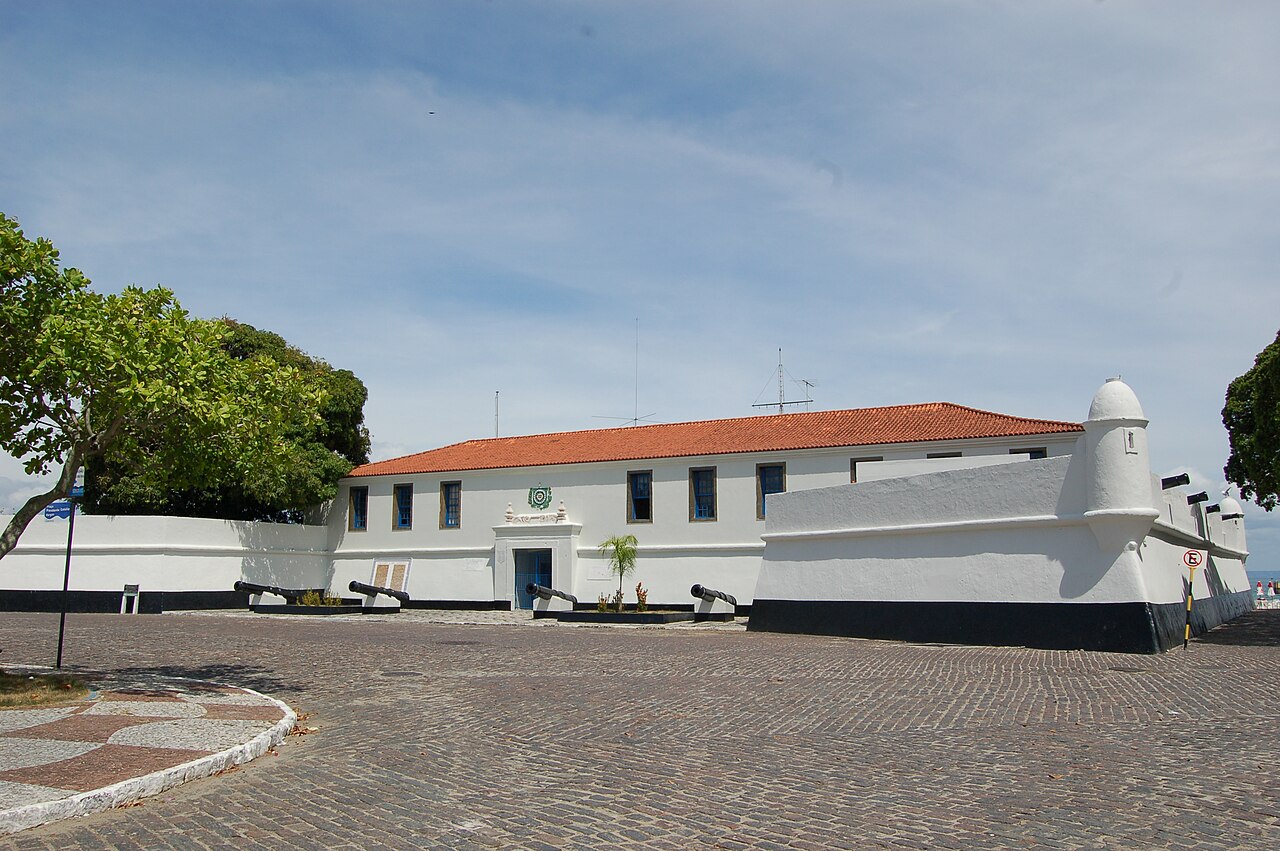
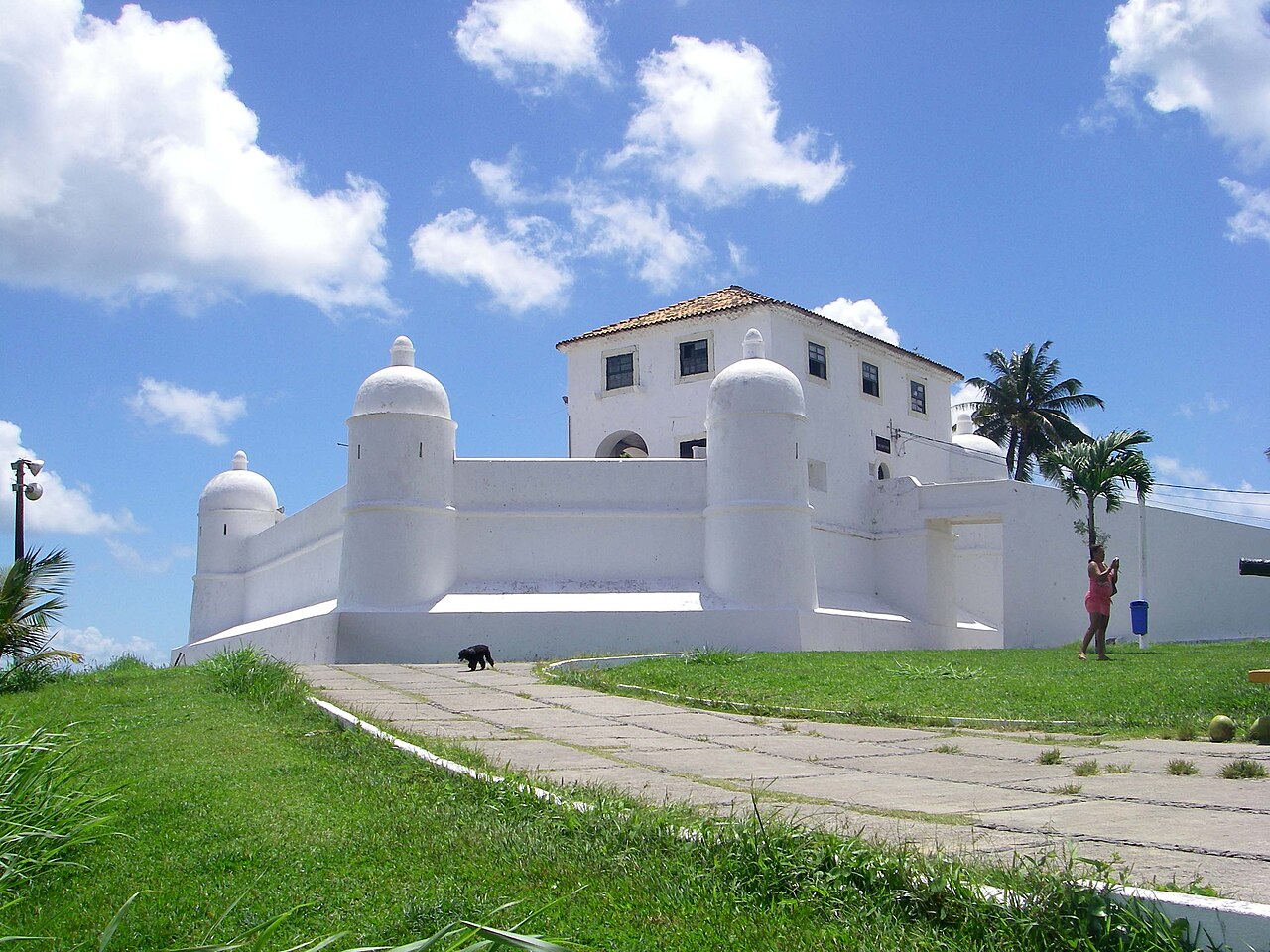
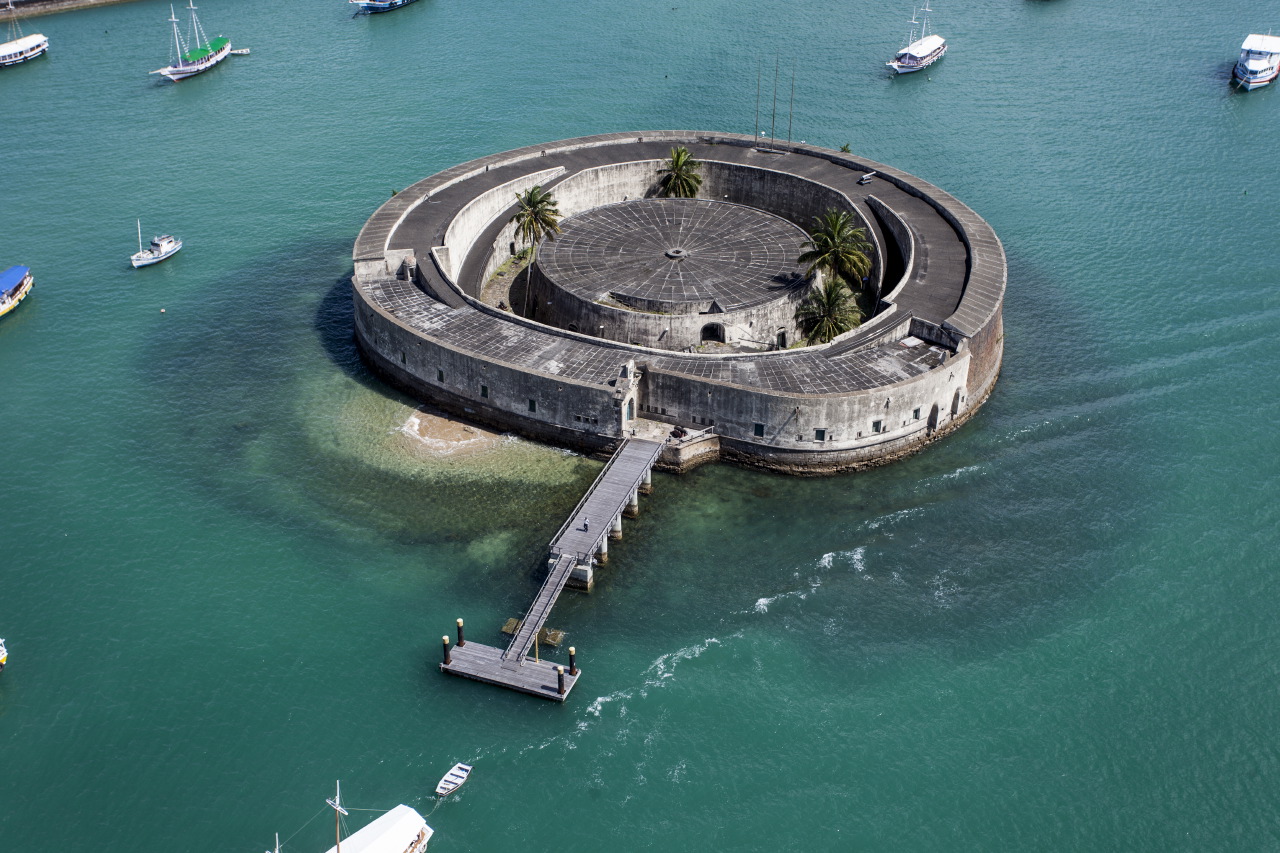
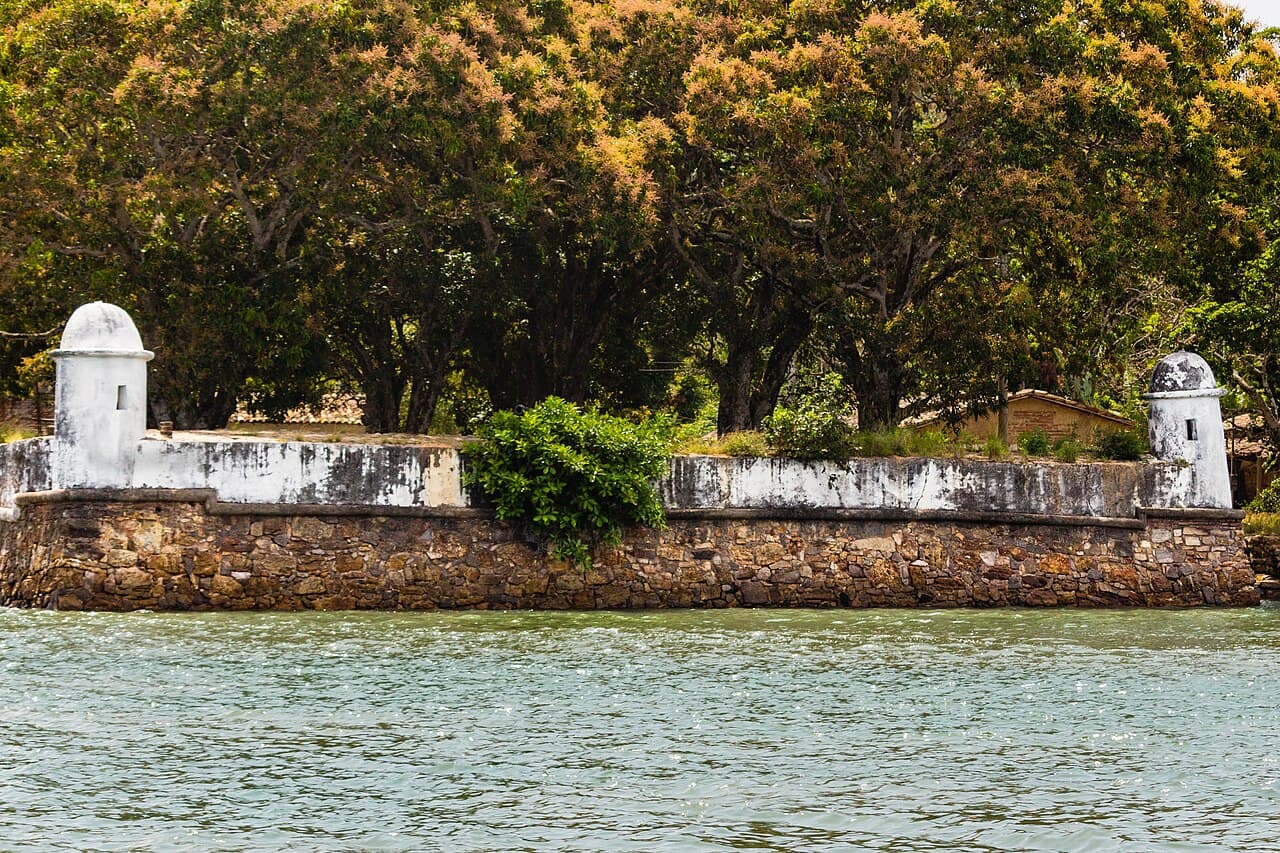
Fort of the Holy Cross (São Roque do Paraguaçu) is a significant 17th-century bastioned fortress located on the right bank of the mouth of the Paraguaçu River in Maragojipe, in the state of Bahia, Brazil. This fortification was strategically positioned to dominate and control access to the Recôncavo Baiano, an important bay area that was vital for the defense and control of the region during the colonial period.
Historical context and strategic importance
Constructed during the Renaissance period in the 17th century, the Fort of the Holy Cross was part of a network of defensive structures established by the Portuguese colonial administration. Its primary purpose was to protect the valuable sugarcane plantations and settlements in the Recôncavo region from attacks by rival European powers and indigenous groups.
The fort’s location at the mouth of the Paraguaçu River allowed it to oversee and control maritime traffic entering the bay, making it a critical point of defense. This strategic positioning helped secure the economic interests of the Portuguese colony by preventing enemy ships from penetrating inland via the river.
Architectural features and design
The fort is classified as a bastioned fortress, a style that became prominent in the Renaissance era as a response to the development of artillery and gunpowder warfare. Bastioned fortresses are characterized by angular bastions projecting outward from the main walls, allowing defenders to cover all approaches with cannon and musket fire.
The Fort of the Holy Cross exhibits these typical features, with thick, sloped walls designed to deflect cannonballs and provide strong defensive positions. The bastions are connected by curtain walls, enclosing a central courtyard and internal buildings used for garrison quarters, storage, and command.
Its construction utilized local materials, including stone and mortar, to create a durable structure capable of withstanding prolonged sieges and tropical weather conditions. The fort’s layout reflects the military engineering principles of the time, emphasizing overlapping fields of fire and robust defensive geometry.
Role in regional conflicts and colonial history
Throughout its history, the Fort of the Holy Cross played a role in various conflicts that shaped the colonial landscape of Brazil. It served as a defensive bastion against Dutch incursions during the Dutch-Portuguese conflicts in the 17th century, when the Dutch West India Company sought to control parts of northeastern Brazil.
In addition to military engagements, the fort also functioned as a symbol of Portuguese authority and control in the region. Its presence helped maintain order and deter rebellion among local populations and rival colonial powers.
Preservation and current status
Today, the Fort of the Holy Cross remains an important cultural and historical monument in Bahia. While it has experienced some deterioration over the centuries, efforts have been made to preserve its structure and maintain its historical significance.
The fort is accessible to visitors interested in colonial military architecture and Brazilian history. It offers insights into the defensive strategies employed during the colonial period and the broader geopolitical struggles that influenced the development of Brazil.
Visiting information and cultural significance
Located near the city of Maragojipe, the fort is a point of interest for tourists exploring the Recôncavo Baiano region. Its commanding position overlooking the Paraguaçu River provides scenic views and a tangible connection to Brazil’s colonial past.
Visitors can explore the bastioned walls, internal courtyards, and remnants of the original military installations. The fort is often included in cultural heritage tours that highlight the historical and architectural legacy of the region.
Frequently asked questions (FAQ)
- What is the historical significance of the Fort of the Holy Cross?
- The Fort of the Holy Cross, built in the 17th century, played a crucial role in the defense against Dutch invasions in Brazil. It is an important example of colonial military architecture and a testament to the strategic importance of the region during the period of European colonization.
- When was the Fort of the Holy Cross constructed?
- Construction of the Fort of the Holy Cross began in 1660 and was completed in 1680. It was strategically placed to protect the bay and the local settlements from maritime threats, showcasing the military engineering of its time.
- What are the opening hours for visiting the Fort of the Holy Cross?
- The Fort of the Holy Cross is typically open to visitors from 9 AM to 5 PM, Tuesday through Sunday. It's advisable to check the official website or contact local tourism offices for any seasonal changes or special events that might affect visiting hours.
- Is it possible to access the Fort of the Holy Cross with public transport?
- Yes, public transport options are available to reach the Fort of the Holy Cross. Local buses and taxis frequently service the area, making it convenient for visitors staying in Maragojipe or nearby towns.
- Can I purchase tickets in advance for the Fort of the Holy Cross?
- Currently, tickets for the Fort of the Holy Cross can usually be purchased at the entrance. It's recommended to arrive early, especially during peak tourist seasons, to avoid long waiting times.
- What is the best time to visit the Fort of the Holy Cross?
- The best time to visit the Fort of the Holy Cross is during the dry season, which runs from May to September. This period offers pleasant weather, ideal for exploring the fort and enjoying the stunning views of the surrounding area.
- Are there any nearby attractions to visit after the Fort of the Holy Cross?
- Yes, visitors can explore several nearby attractions, including the historic town of Maragojipe and beautiful beaches along the Bay of All Saints. Local markets and cultural sites also provide a rich experience of the region's history and traditions.
- What architectural features can I expect to see at the Fort of the Holy Cross?
- The Fort of the Holy Cross features classic colonial military architecture, including thick stone walls, bastions, and a chapel. Visitors can admire the fort's strategic layout and its beautiful coastal views, which were essential for its defensive purpose.
Photo gallery

Information
Loading map...
Visitor reviews
No reviews yet. Been here? Write the first review and help other travelers!
Write the first reviewVisited this castle? Share your experience
Your review helps other travelers and adds first-hand knowledge to our encyclopedia.