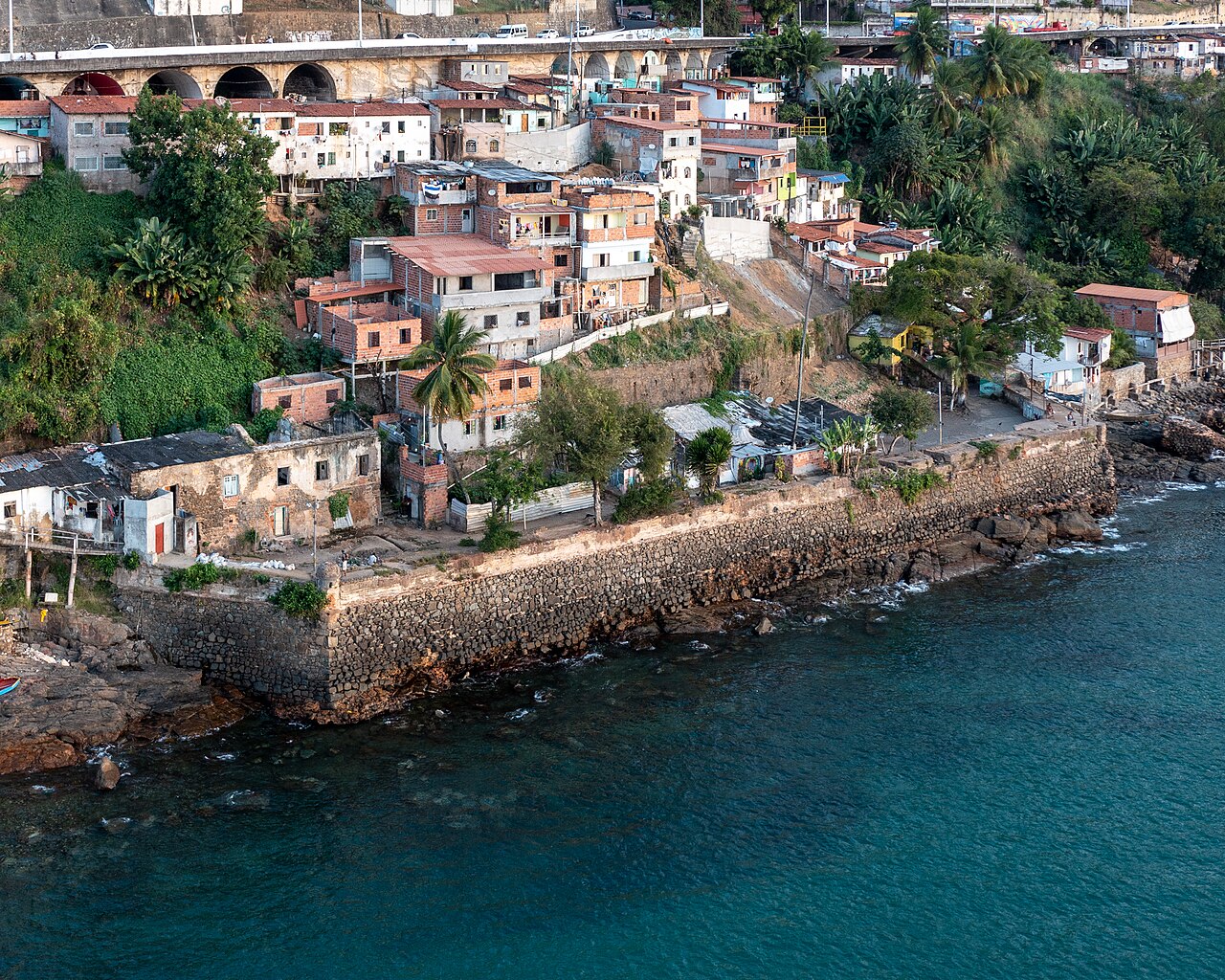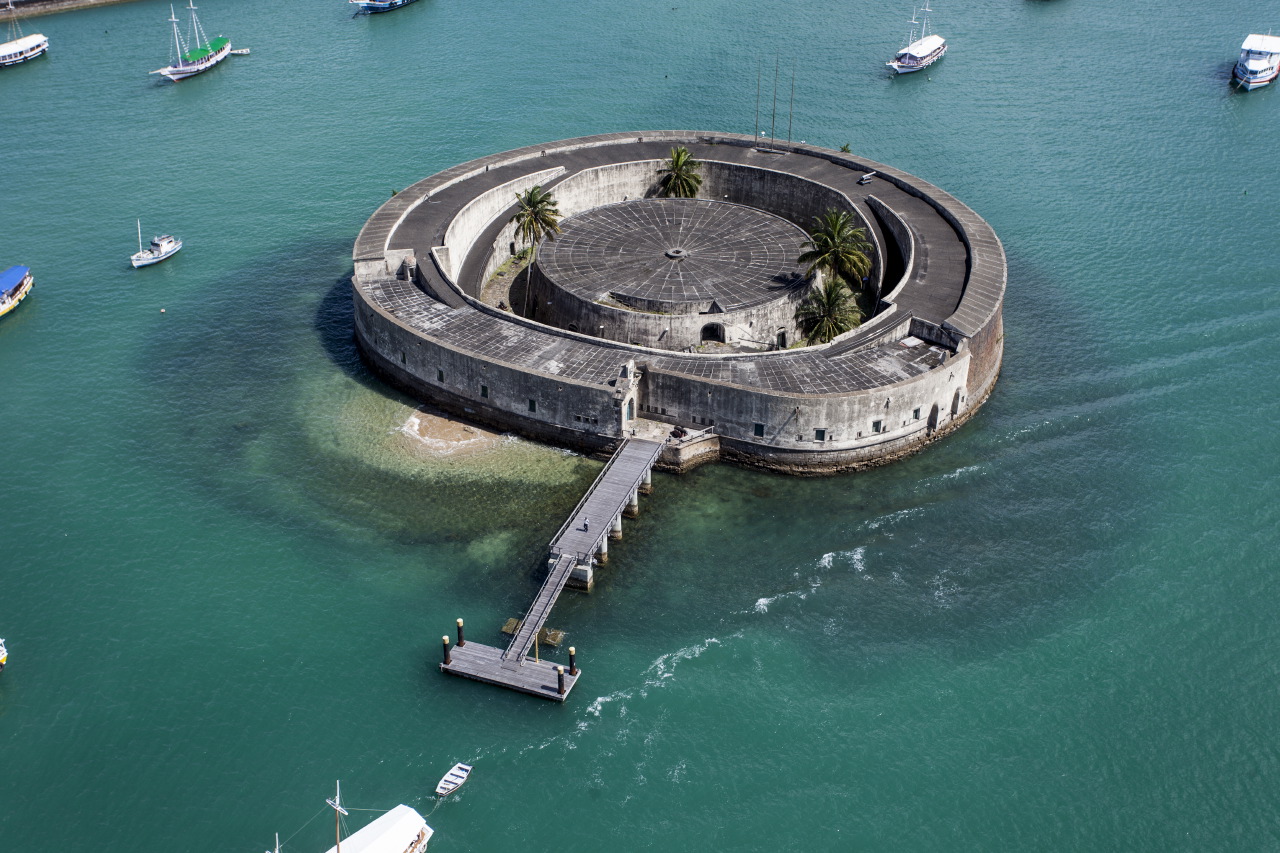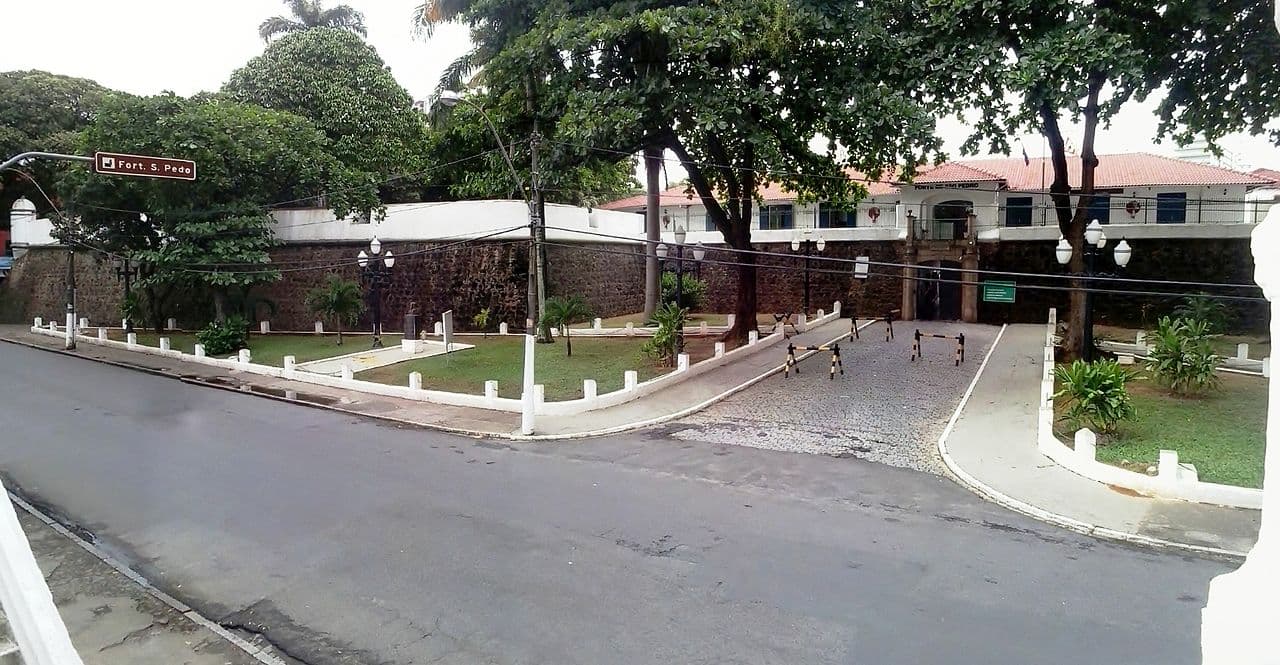
The Fort of Saint Peter is a notable example of Renaissance military architecture located in Brazil. Constructed in the 16th century, this bastioned fortress reflects the strategic defensive designs introduced during the Renaissance period, aimed at protecting coastal areas and colonial interests against naval threats.
Historical context and construction
Built during the height of European colonial expansion in the Americas, the Fort of Saint Peter was part of a network of fortifications established by Portuguese settlers to secure their territories in Brazil. The 16th century marked a period when fortifications evolved to counter the increasing use of artillery in warfare. This led to the development of bastioned fortresses, characterized by angular bastions projecting from the walls to provide overlapping fields of fire and reduce blind spots.
The fort's construction would have involved local materials and labor, adapting European designs to the tropical environment of Brazil. Its location, likely near a strategic coastal or riverine point, was chosen to control maritime access and protect settlements from foreign incursions and piracy.
Architectural features and style
The Fort of Saint Peter embodies the Renaissance principles of fortification design, emphasizing geometric shapes and symmetry. Its main architectural feature is the bastioned curtain wall, which allowed defenders to cover all approaches with cannon and musket fire. The bastions are typically pentagonal or triangular, designed to eliminate dead zones where attackers could find shelter.
The fortress likely includes a central courtyard, surrounded by barracks, storage rooms, and command quarters. The walls are thick and robust, constructed to withstand artillery bombardments. The entrance would be fortified with a gatehouse and possibly a drawbridge or moat, enhancing its defensive capabilities.
Defensive innovations
As a bastioned fortress, the Fort of Saint Peter demonstrates the shift from medieval castle designs to modern fortifications. The angled bastions allowed defenders to fire along the walls' faces, covering the base of the walls and preventing attackers from approaching unseen. This design was a response to the increased power and range of cannons, which rendered traditional high-walled castles vulnerable.
Role in Brazilian colonial defense
The fort played a crucial role in securing Portuguese colonial interests in Brazil, serving as a deterrent against rival European powers and local uprisings. Its strategic position would have allowed control over key maritime routes and protection of nearby settlements and resources. Over the centuries, the fort may have undergone modifications to adapt to changing military technologies and threats.
Current condition and heritage status
The Fort of Saint Peter today stands as a partially preserved example of early colonial military architecture in Brazil. While some sections of the fortress remain intact, others may have suffered from neglect or environmental wear. Preservation efforts focus on maintaining the structural integrity of the bastions and walls, as well as promoting the site as a cultural heritage landmark.
The fort is an important symbol of Brazil's colonial past and offers valuable insights into the military strategies and architectural advancements of the Renaissance period in the Americas.
Visiting the fort
Visitors to the Fort of Saint Peter can explore its imposing bastions and walls, gaining an understanding of the defensive techniques used during the Renaissance. The site provides opportunities for educational tours and historical interpretation, highlighting its significance in Brazilian history.
While specific visiting hours and access details depend on local management, the fort is generally accessible to the public as a heritage site, contributing to cultural tourism in the region.
Frequently asked questions (FAQ)
- How do I get to the Fort of Saint Peter?
- The Fort of Saint Peter is located in the city of Cabo Frio, Brazil. You can reach it by car, public transportation, or taxi from nearby cities like Rio de Janeiro or Búzios. The fort is situated near the beach, making it easily accessible for visitors.
- What is the historical significance of the Fort of Saint Peter?
- The Fort of Saint Peter, built in the 17th century, played a crucial role in defending the region against invasions. It served as a base for Portuguese forces and is a key landmark in Brazilian history, reflecting the colonial military architecture of the time. Today, it stands as a testament to the region's rich heritage.
- When was the Fort of Saint Peter built?
- Construction of the Fort of Saint Peter began in 1620 and was completed in 1690. It was designed to protect the coastal city from foreign attacks and served as an important military installation for over a century. The fort has since been preserved as a historical site for public visitation.
- Can I take guided tours of the Fort of Saint Peter?
- Yes, guided tours of the Fort of Saint Peter are available for visitors. These tours provide insights into the fort's history, architecture, and significance, led by knowledgeable guides. It's a great way to enhance your experience and learn more about this historical landmark.
- Why is the Fort of Saint Peter a popular tourist attraction?
- The Fort of Saint Peter attracts visitors due to its historical importance, stunning coastal views, and impressive architecture. Its strategic location offers picturesque scenery and a glimpse into Brazil's colonial past. Additionally, the fort is often included in local tours, making it a must-see for tourists.
- Is it possible to visit the Fort of Saint Peter with children?
- Absolutely! The Fort of Saint Peter is family-friendly and offers a fascinating experience for children and adults alike. The open spaces and engaging historical exhibits make it a great educational outing for families visiting the area.
- What are the opening hours for the Fort of Saint Peter?
- The Fort of Saint Peter is typically open to visitors from 9 AM to 5 PM, but hours may vary on holidays. It is advisable to check the official website or contact local tourism information for any updates before your visit. Planning ahead ensures you make the most of your time at this historic site.
- What are the ticket prices for the Fort of Saint Peter?
- Ticket prices for the Fort of Saint Peter are generally affordable, with discounts available for students and senior citizens. Children under a certain age may enter for free, making it an economical option for families. It's best to check the latest prices on the official website prior to your visit.
- What are some nearby attractions to the Fort of Saint Peter?
- Nearby attractions include the beautiful Praia do Forte beach, local markets, and various cultural sites in Cabo Frio. Visitors can also explore other historical forts and museums in the region. The proximity to vibrant nightlife and dining options makes it easy to enjoy a full day of activities.
Photo gallery

Information
Loading map...
Visitor reviews
No reviews yet. Been here? Write the first review and help other travelers!
Write the first reviewVisited this castle? Share your experience
Your review helps other travelers and adds first-hand knowledge to our encyclopedia.