Fortaleza de Nossa Senhora dos Prazeres
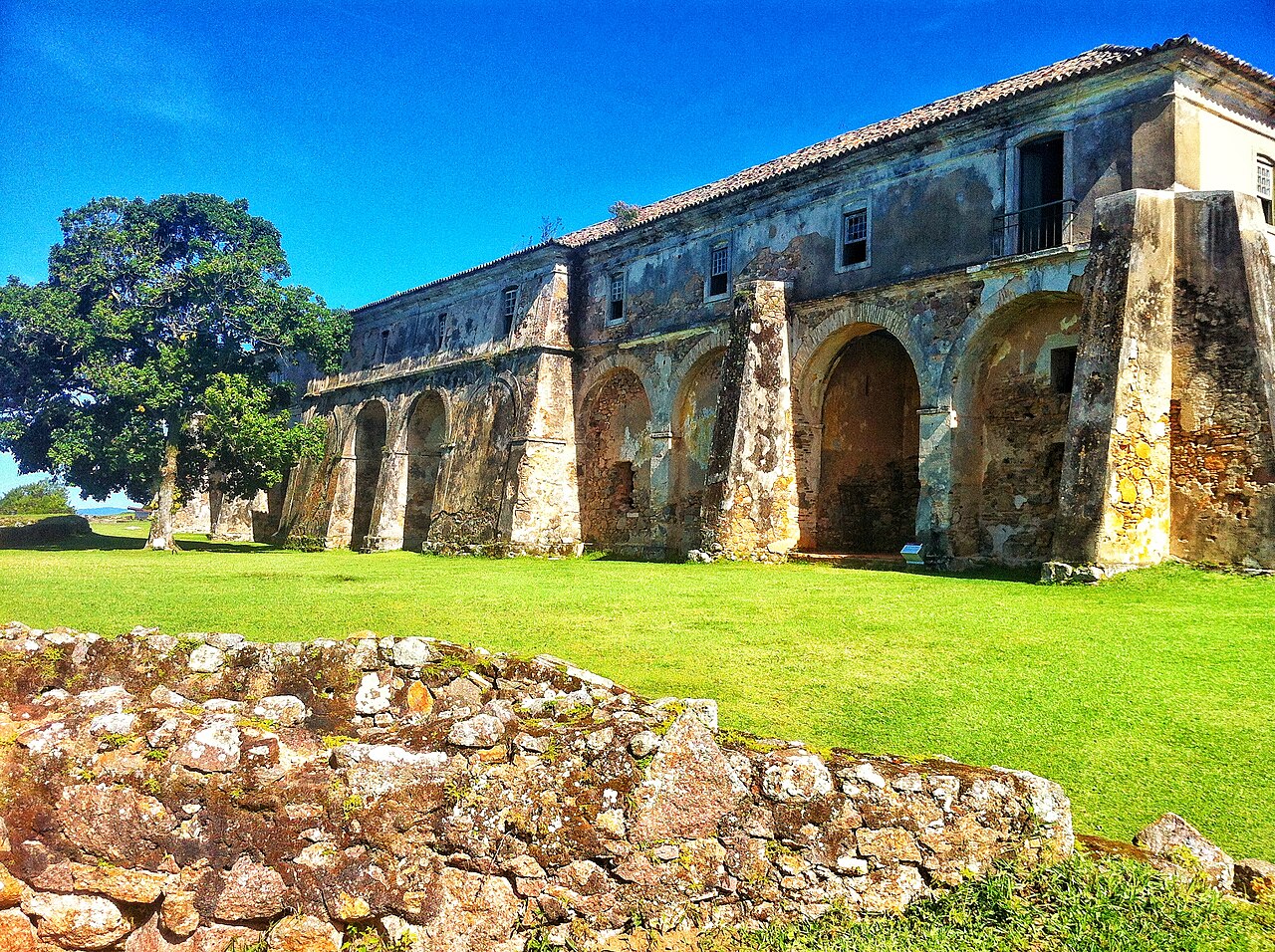
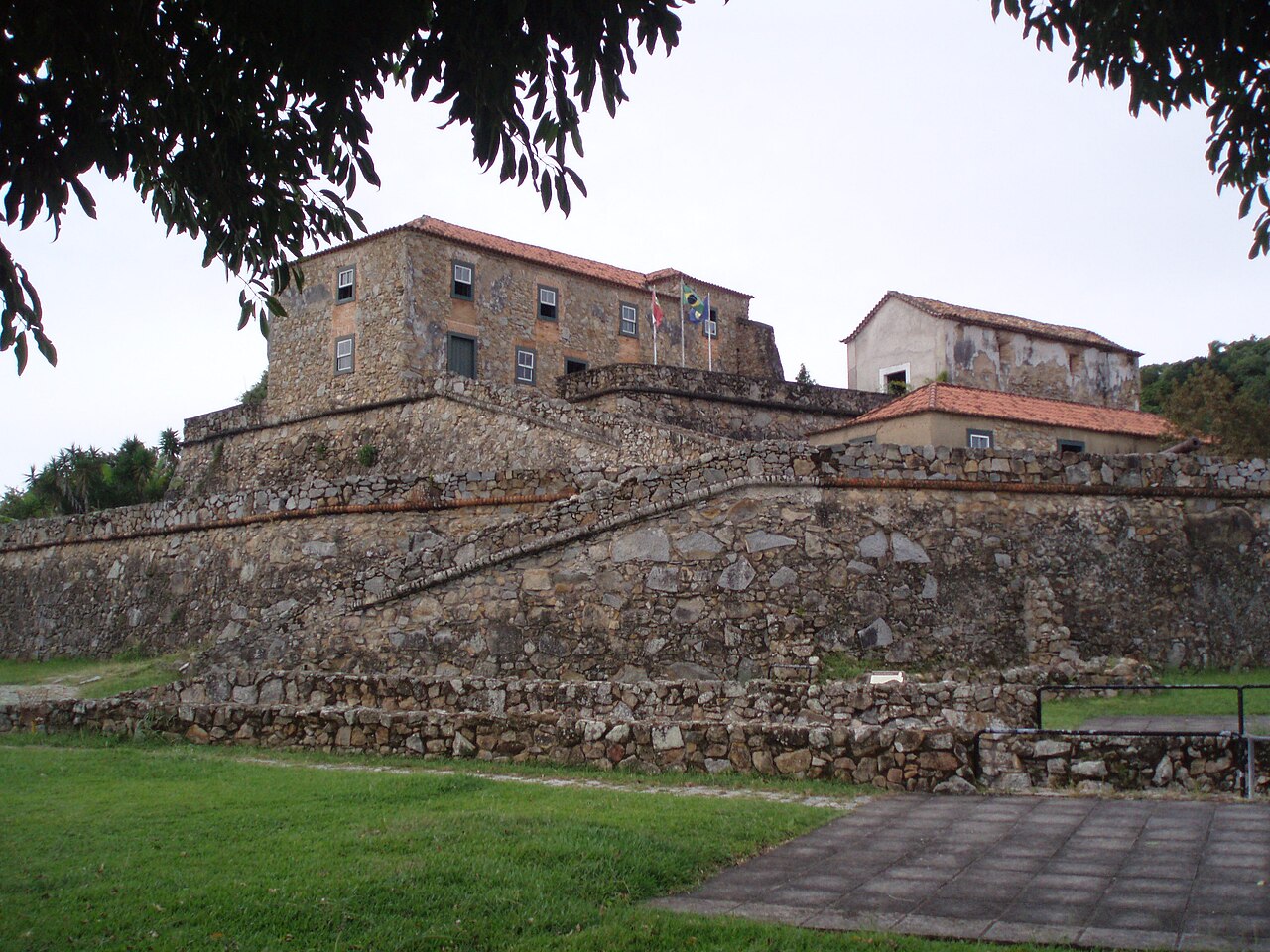
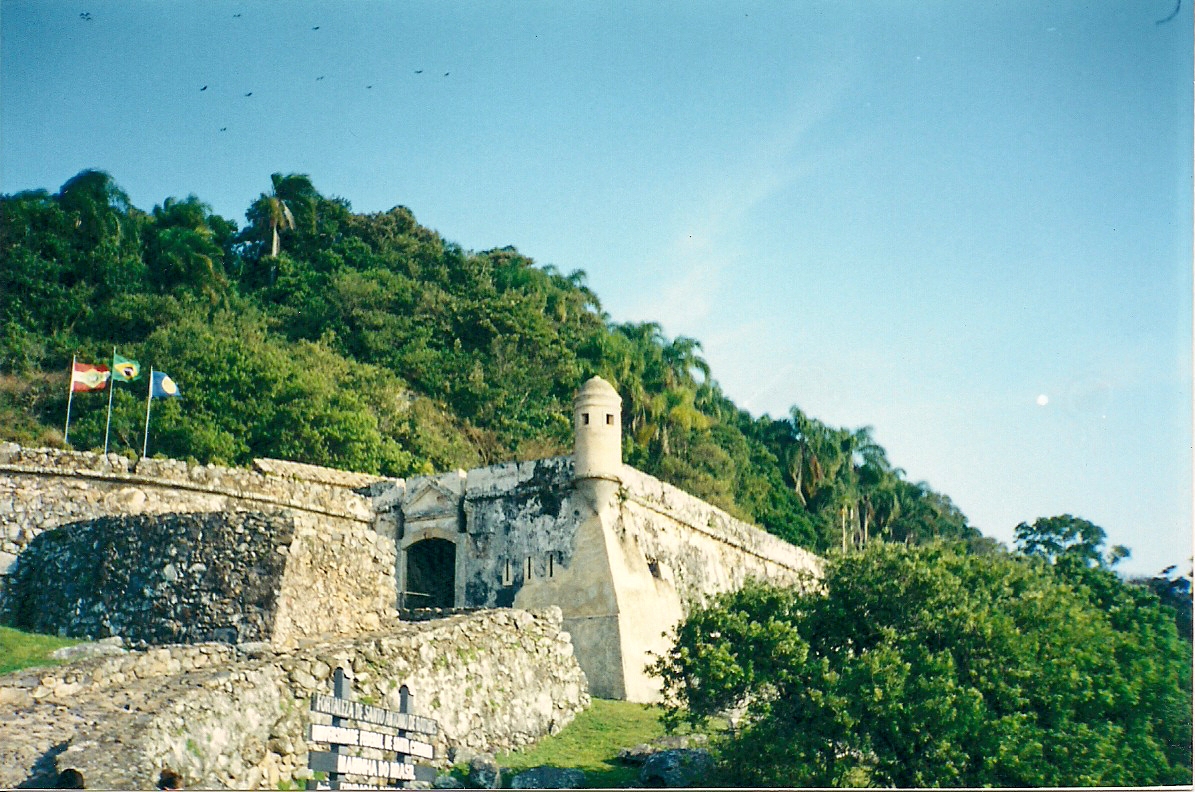
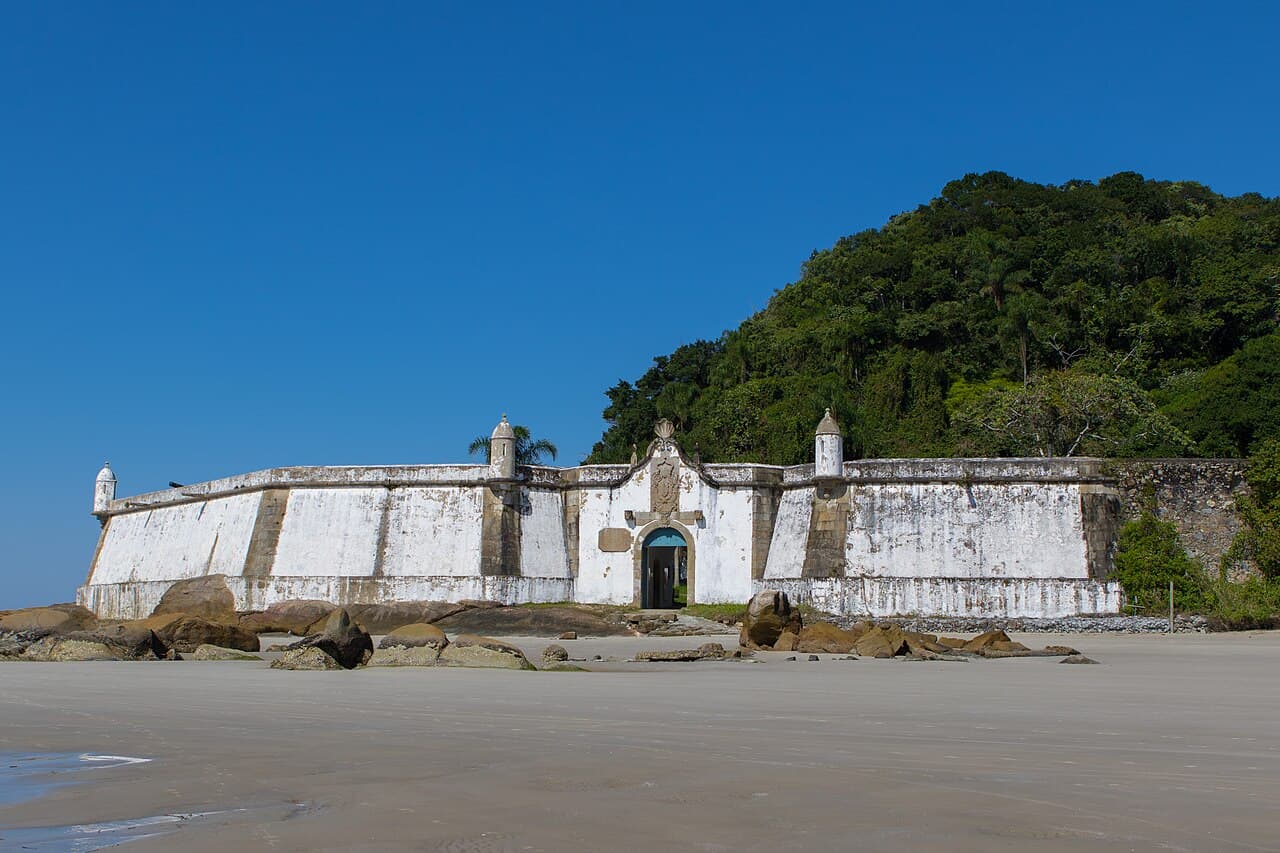
Fortaleza de Nossa Senhora dos Prazeres is a historic fortification situated in Paranaguá, a coastal city in the state of Paraná, Brazil. Constructed in the 18th century, this hill castle served as a strategic military installation during the post-Renaissance period. Its location on elevated terrain provided a commanding view of the surrounding area, which was essential for defense against naval threats and inland incursions.
Historical context and military role
The fort was built during a time when the Portuguese crown sought to strengthen its colonial defenses in South America. The 18th century was marked by territorial disputes and the need to protect valuable coastal settlements and trade routes. Fortaleza de Nossa Senhora dos Prazeres played a key role in guarding the bay of Paranaguá, which was an important port for the region.
Its military significance endured until the early 19th century, after which advances in military technology and changing geopolitical circumstances led to its gradual obsolescence. Despite losing its defensive role, the fort remains a symbol of colonial military architecture and Brazil's coastal defense history.
Architectural features and design
The fortress exemplifies the characteristics of post-Renaissance military architecture adapted to the Brazilian landscape. It is classified as a hill castle due to its strategic placement on a raised position. The design includes robust stone walls fashioned to withstand artillery bombardment typical of the period.
The fort's layout likely features bastions or angled walls to provide overlapping fields of fire, a common feature in 18th-century fortifications influenced by the trace italienne style. Defensive elements such as ramparts, battlements, and possibly a moat or ditch would have enhanced its protective capabilities.
Inside the walls, there would have been gun emplacements, storage rooms for ammunition and supplies, and quarters for the garrison. The fortress's construction materials primarily include locally sourced stone and mortar, reflecting colonial building practices of the era.
Preservation and current status
Today, Fortaleza de Nossa Senhora dos Prazeres is recognized for its cultural and historical importance. Although it no longer serves a military function, the fortress is preserved as a heritage site. Its condition ranges from partially preserved to restored, depending on the specific sections of the structure.
The site is accessible to visitors interested in Brazil's colonial history and military architecture. Efforts to maintain and restore the fort aim to protect its structural integrity and promote educational tourism.
Visiting information and cultural significance
Visitors to the fort can explore its historic walls, defensive features, and enjoy panoramic views of Paranaguá and the surrounding bay. The fortress is a tangible link to Brazil's colonial past and offers insight into the military strategies employed during the 18th century.
Its preservation contributes to the broader understanding of Portuguese colonial fortifications in South America and highlights the adaptation of European military designs to local geography and materials.
Frequently asked questions (FAQ)
- What is the historical significance of Fortaleza de Nossa Senhora dos Prazeres?
- Fortaleza de Nossa Senhora dos Prazeres is a vital historical landmark in Brazil, built in the 18th century to protect the port of Paranaguá from invasions. It played a crucial role during colonial times, showcasing the military architecture of the period and reflecting the strategic importance of the region in maritime trade.
- When was Fortaleza de Nossa Senhora dos Prazeres constructed?
- The fortress was constructed between 1770 and 1779. It was designed to fortify the area against threats from pirates and foreign powers, marking an important phase in Brazil's colonial military history.
- What are the opening hours for visiting the fortress?
- Fortaleza de Nossa Senhora dos Prazeres is typically open to visitors from 9 AM to 5 PM, Tuesday through Sunday. However, it’s advisable to check for any seasonal changes or special closures before planning your visit.
- Is it possible to access Fortaleza de Nossa Senhora dos Prazeres with a wheelchair?
- Yes, the fortress has made efforts to improve accessibility for all visitors, including those with mobility challenges. While some areas may have limited access due to historical preservation, the main visitor sections are designed to accommodate wheelchairs.
- Can I take guided tours of the fortress?
- Yes, guided tours are available and offer a deeper insight into the fortress's history and architecture. These tours are typically conducted by knowledgeable guides who can share fascinating stories and facts about the site.
- What is the best time to visit Fortaleza de Nossa Senhora dos Prazeres?
- The best time to visit is during the dry season, from May to September, when the weather is generally more pleasant for outdoor exploration. Additionally, visiting during weekdays can help avoid larger crowds, allowing for a more leisurely experience.
- Are there any nearby attractions to explore after visiting the fortress?
- Yes, after exploring Fortaleza de Nossa Senhora dos Prazeres, visitors can enjoy nearby attractions such as the historic town of Paranaguá, the picturesque Ilha do Cardoso, and the beautiful beaches of the surrounding region. These sites offer a great opportunity to experience the rich culture and natural beauty of the area.
- What are the ticket prices for entering the fortress?
- Admission to Fortaleza de Nossa Senhora dos Prazeres is usually free, allowing everyone to appreciate its historical significance. However, there may be a small fee for guided tours or special events, so it's best to verify in advance.
Photo gallery

Information
Loading map...
Visitor reviews
No reviews yet. Been here? Write the first review and help other travelers!
Write the first reviewVisited this castle? Share your experience
Your review helps other travelers and adds first-hand knowledge to our encyclopedia.