Fort Zoutman is a significant military fortification located in Oranjestad, Aruba. Constructed in 1798, it stands as the oldest structure on the island and a prominent symbol of Aruba's colonial past. The fort was originally built under the direction of the Dutch West India Company, utilizing the labor of African slaves and materials supplied by the indigenous Amerindian population, who were subjected to Statute Labour or corvée. This historical context underscores the fort's deep connections to the transatlantic slave trade and colonial exploitation, which is recognized by UNESCO through its designation as a Place of Memory of the Slave Trade Route in the Latin Caribbean.
Architectural design and features
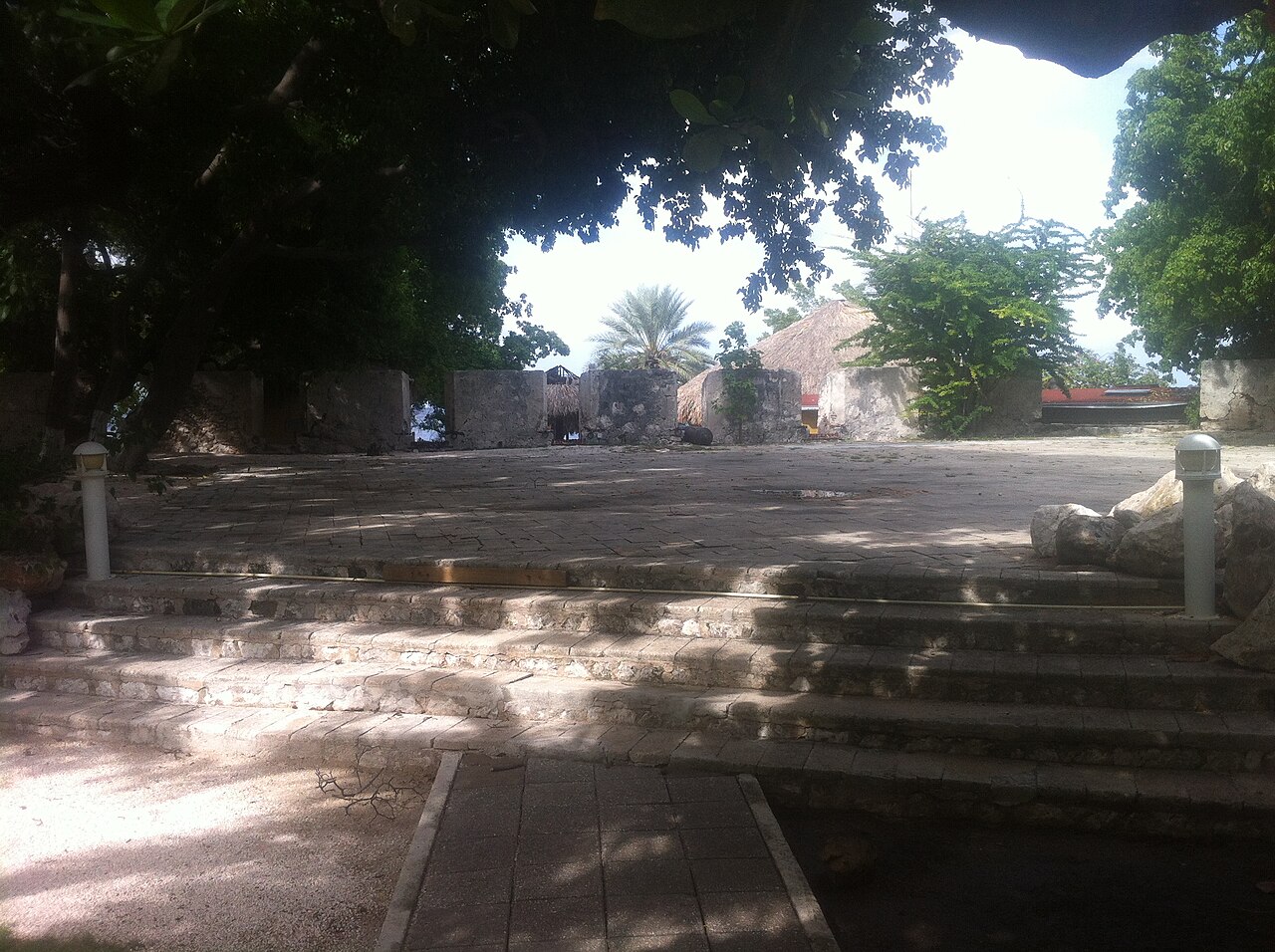
Fort Zoutman is classified as a bastioned fortress, a style typical of coastal defense structures built during the late 18th and 19th centuries. The fort's design incorporates thick stone walls arranged in a polygonal layout to provide defensive coverage against naval attacks. The bastions allowed for overlapping fields of fire, which was an advanced military architectural strategy for its time. The fort's location in Oranjestad was strategic for protecting the harbor and the island's colonial interests.
Willem III Tower
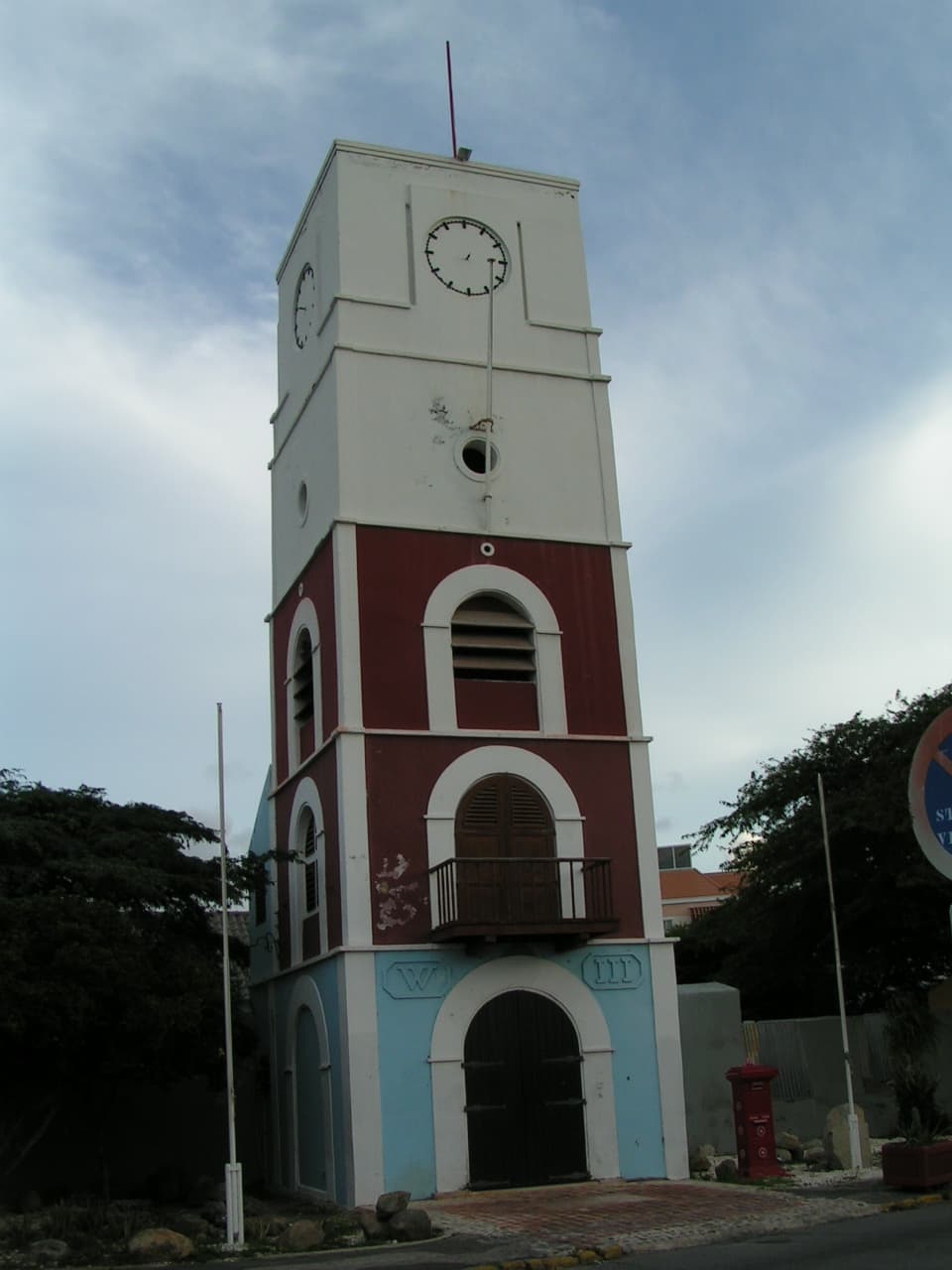
In 1868, the Willem III Tower was added to the western side of Fort Zoutman. This tower served as a watchtower and a lighthouse, enhancing the fort's defensive capabilities and aiding navigation for ships approaching Aruba. The tower is a distinctive architectural feature, rising above the main fort structure and providing expansive views of the surrounding sea and land. Its addition reflects the evolving military and maritime needs of Aruba during the 19th century.
Historical significance and transformations
Throughout its history, Fort Zoutman has played a crucial role in Aruba's defense and governance. Initially constructed to protect the island from potential invasions and piracy, the fort also functioned as a military headquarters and a symbol of Dutch colonial authority. Over time, as military threats diminished, the fort's role shifted from active defense to historical preservation.
The restoration efforts culminated in 1983 when Fort Zoutman and the Willem III Tower were fully restored and repurposed as the Historical Museum of Aruba. This museum preserves and exhibits artifacts related to Aruba's cultural heritage, colonial history, and the legacy of the slave trade. It serves as an educational center for visitors and locals alike, providing insight into the island's complex past.
Preservation and cultural importance
Fort Zoutman's status as a heritage site highlights the importance of preserving colonial-era military architecture in the Caribbean. The fort's restoration has maintained its structural integrity and historical authenticity, making it a well-preserved example of a bastioned fortress from the late 18th century. Its recognition by UNESCO as a site connected to the slave trade route adds a layer of cultural and historical significance, emphasizing the need to remember and educate about this difficult chapter in history.
Today, Fort Zoutman is not only a tourist attraction but also a symbol of Aruba's resilience and historical identity. It hosts cultural events and exhibitions that celebrate the island's diverse heritage, bridging the past with the present.
Visiting Fort Zoutman
Visitors to Fort Zoutman can explore the Historical Museum of Aruba housed within the fort and the Willem III Tower. The museum features exhibits on the island's indigenous peoples, colonial history, and the impact of the slave trade. The fort's architecture, including its bastions and watchtower, offers a tangible connection to Aruba's military past.
The site is accessible to the public, with guided tours available to provide detailed historical context. Its location in Oranjestad makes it easy to combine a visit with other local attractions, including the vibrant downtown area and nearby beaches.
Frequently asked questions (FAQ)
- What is the historical significance of Fort Zoutman?
- Fort Zoutman is the oldest structure in Aruba, built in 1798, and played a key role in the island's defense during Dutch colonial rule. It is also recognized by UNESCO as a Place of Memory related to the transatlantic slave trade.
- Can I visit the Willem III Tower at Fort Zoutman?
- Yes, the Willem III Tower, added in 1868, is part of the Historical Museum of Aruba and open to visitors. It offers panoramic views of Oranjestad and insights into the fort's defensive functions.
- When was Fort Zoutman restored and converted into a museum?
- The fort and the Willem III Tower were restored and reopened in 1983 as the Historical Museum of Aruba, preserving Aruba's cultural and colonial history.
- What architectural style characterizes Fort Zoutman?
- Fort Zoutman is a bastioned fortress, featuring thick stone walls and polygonal bastions designed for overlapping fields of fire, typical of late 18th-century coastal defenses.
- Where is Fort Zoutman located?
- Fort Zoutman is located in Oranjestad, the capital city of Aruba, making it easily accessible for visitors exploring the island.
Photo gallery

Information
Loading map...
Visitor reviews
No reviews yet. Been here? Write the first review and help other travelers!
Write the first reviewVisited this castle? Share your experience
Your review helps other travelers and adds first-hand knowledge to our encyclopedia.