Fort Zeelandia (Paramaribo)
Fort Zeelandia in Paramaribo, Suriname, is a significant example of a bastioned fortress from the 17th century, reflecting the colonial struggles and architectural advancements of the Renaissance period. Originally constructed as a wooden fort by the French in 1640, the site witnessed multiple transitions of power and structural modifications that shaped its current form and historical importance.
The early construction and colonial transitions
The initial fortification on this strategic site was a wooden fort built by the French in 1640. This early structure was intended to establish French presence and control over the area, which was then part of the contested territories in northern South America. The fort's wooden construction was typical for early colonial outposts, designed for rapid establishment rather than long-term defense.
During the British colonial period, the fort was captured and reinforced, transforming it into a more robust defensive position. It was renamed Fort Willoughby in honor of the British governor at the time. The British enhancements included strengthening the fortifications with more durable materials and adapting the design to better withstand attacks, reflecting evolving military engineering practices.
Dutch capture and transformation into Fort Zeelandia
In 1667, the Dutch seized control of the fort during conflicts with the British and French colonial powers. Upon capture, they renamed it Fort Zeelandia, linking it to the Dutch province of Zeeland. This renaming marked the beginning of a new phase in the fort's history, as the Dutch undertook significant reconstruction and expansion efforts to convert the fort into a bastioned fortress.
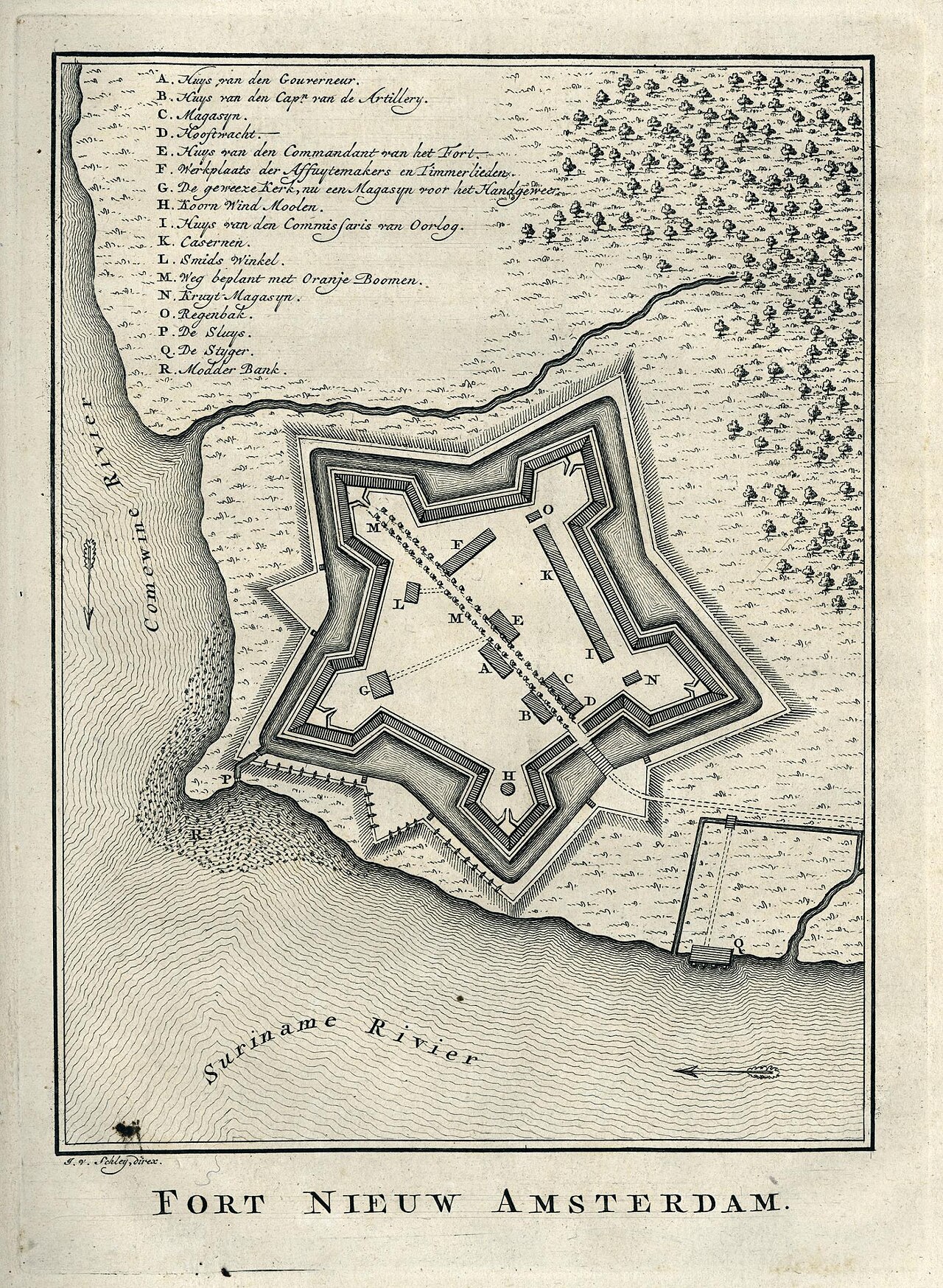
The Dutch fortifications incorporated star-shaped bastions, a hallmark of Renaissance military architecture designed to provide overlapping fields of fire and resist artillery bombardment. The use of angled bastions allowed defenders to cover all approaches, minimizing blind spots and enhancing the fort's defensive capabilities against naval and land assaults.
Architectural features and layout
Fort Zeelandia is characterized by its earthwork bastions and thick ramparts constructed from locally available materials, including brick and stone. The layout follows the principles of the trace italienne style, which was prevalent in European fortifications during the Renaissance. This design aimed to counter the increasing power of cannon fire by lowering walls and extending the fort's footprint with angular bastions.
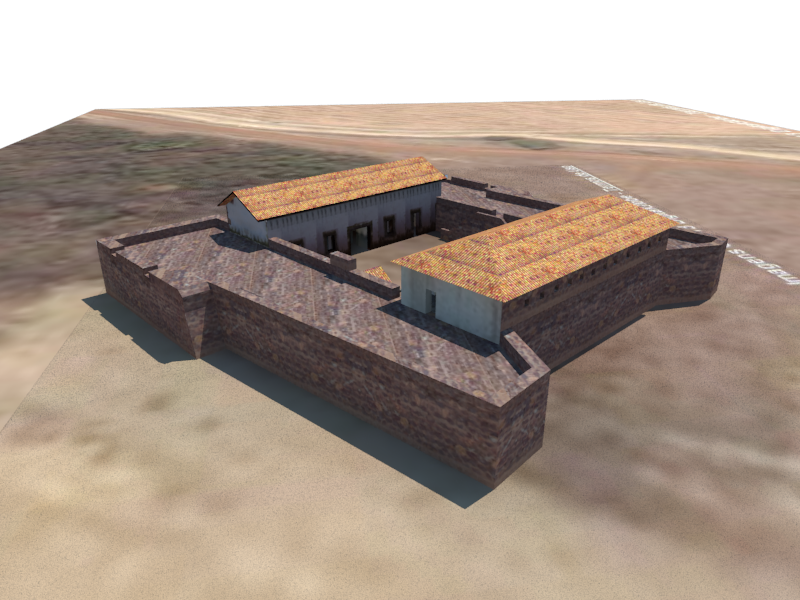
The fort includes several key structures such as gun platforms, casemates, and for ammunition and supplies. The defensive walls are complemented by a surrounding moat, which added an additional layer of protection against siege tactics. Inside, the fort housed barracks, officers' quarters, and administrative buildings necessary for the garrison's operation.
Historical significance and military role
Fort Zeelandia played a crucial role in the colonial history of Suriname, serving as the main military stronghold for the Dutch in the region. It was central to controlling the surrounding territory and protecting the capital, Paramaribo, from rival European powers and indigenous resistance.
Throughout its operational history, the fort witnessed several military engagements and served as a base for Dutch colonial administration. Its strategic position on the Suriname River allowed control over river traffic and trade routes, making it a vital asset in the economic and military landscape of the colony.
Preservation and current status
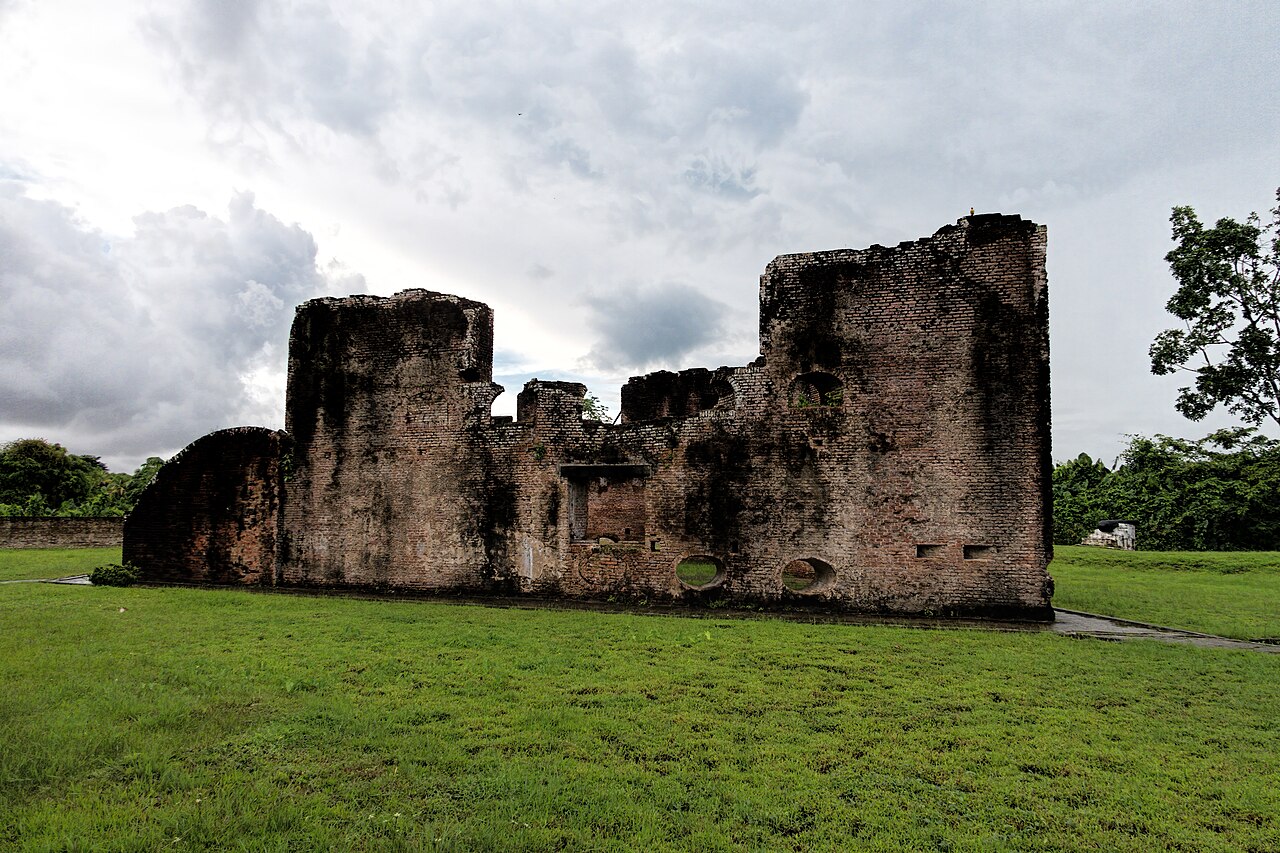
Today, Fort Zeelandia remains a well-preserved example of Renaissance-era bastioned fortifications. While some parts of the original structure have been restored or reconstructed, the fort retains much of its historical fabric and layout. It serves as a cultural heritage site and museum, offering visitors insights into Suriname's colonial past and military architecture.
The fort's location in Paramaribo makes it accessible to tourists and scholars interested in colonial history and fortification design. Preservation efforts focus on maintaining the structural integrity of the bastions and ramparts, as well as interpreting the site's complex history for educational purposes.
Visiting Fort Zeelandia
Visitors to Fort Zeelandia can explore the fortress grounds, including the bastions, walls, and internal buildings. The site often hosts exhibitions and cultural events that highlight Suriname's diverse history. Guided tours provide detailed explanations of the fort's architectural features and historical context.
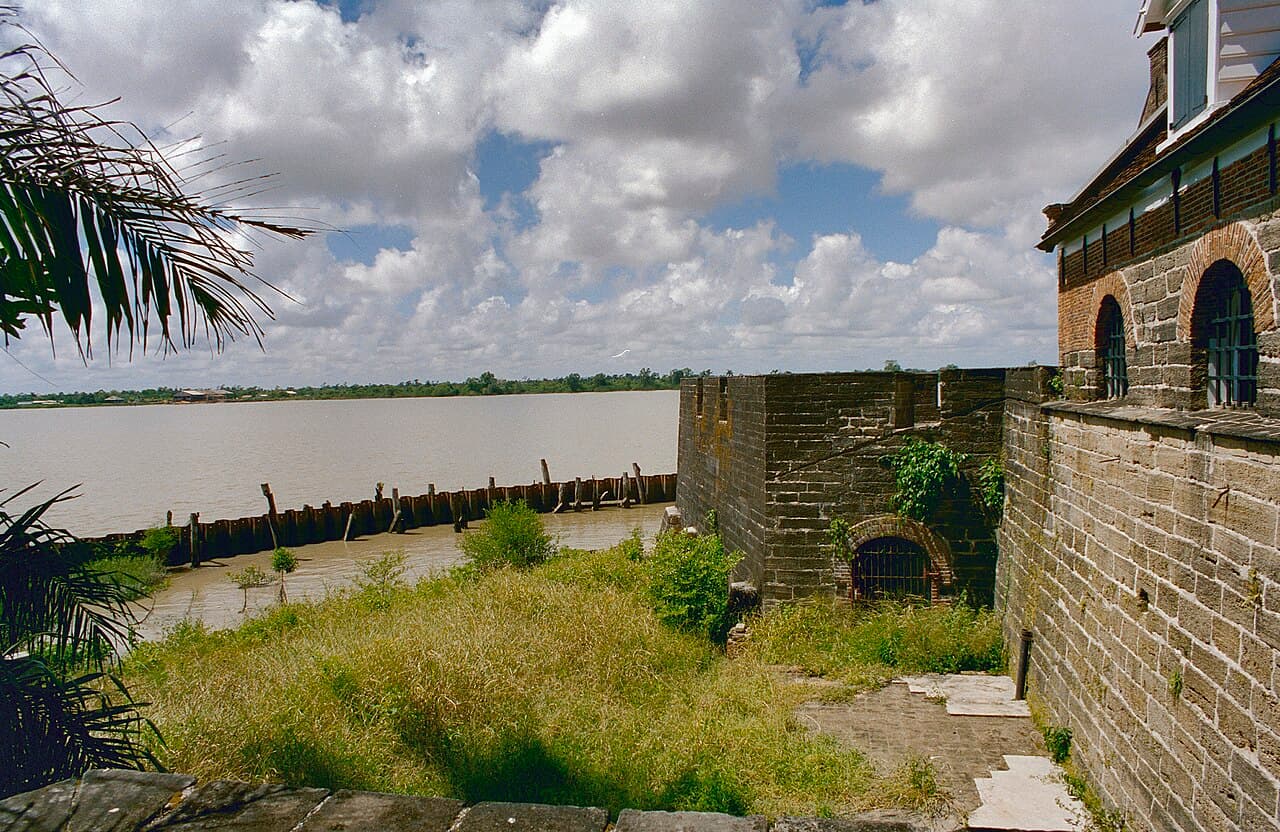
The fort's setting on the banks of the Suriname River offers scenic views and a tangible connection to the colonial era. It remains a key landmark in Paramaribo, reflecting the city's historical development and its role in European colonial competition in South America.
Frequently asked questions (FAQ)
- What is the historical significance of Fort Zeelandia?
- Fort Zeelandia is a prominent historical site in Paramaribo, Suriname, built in the 17th century by the Dutch West India Company. It served as a key military and administrative center during the colonial period and played a crucial role in the defense of the colony against various threats.
- When was Fort Zeelandia constructed?
- Construction of Fort Zeelandia began in 1667 and was completed in 1682. Over the years, it has witnessed numerous historical events and changes in power, reflecting the colonial history of Suriname.
- What are the opening hours for Fort Zeelandia?
- Fort Zeelandia is open to visitors from Tuesday to Sunday, typically from 9 AM to 4 PM. It is advisable to check for any special holiday hours or events that may affect access.
- Can I access Fort Zeelandia easily?
- Yes, Fort Zeelandia is located in the heart of Paramaribo and is easily accessible by car or on foot. The site is designed to accommodate visitors, including those with mobility challenges.
- What are the ticket prices for visiting Fort Zeelandia?
- Tickets to Fort Zeelandia are quite affordable, usually ranging from a small fee for adults to discounted rates for students and seniors. Children under a certain age may enter free of charge, making it a great family-friendly destination.
- When is the best time to visit Fort Zeelandia?
- The best time to visit Fort Zeelandia is during the dry season, which typically runs from August to November. This period offers pleasant weather for exploring the fort and enjoying the surrounding area.
- Are there any nearby attractions to Fort Zeelandia?
- Yes, Fort Zeelandia is situated near several other historical sites and attractions in Paramaribo. Visitors can explore the historic city center, the Presidential Palace, and vibrant local markets, all within walking distance.
- Is it possible to take guided tours of Fort Zeelandia?
- Absolutely! Guided tours are available and provide in-depth knowledge of the fort’s history and architecture. These tours can enhance your visit by offering insights that are not readily available through self-exploration.
Photo gallery

Information
Loading map...
Visitor reviews
No reviews yet. Been here? Write the first review and help other travelers!
Write the first reviewVisited this castle? Share your experience
Your review helps other travelers and adds first-hand knowledge to our encyclopedia.