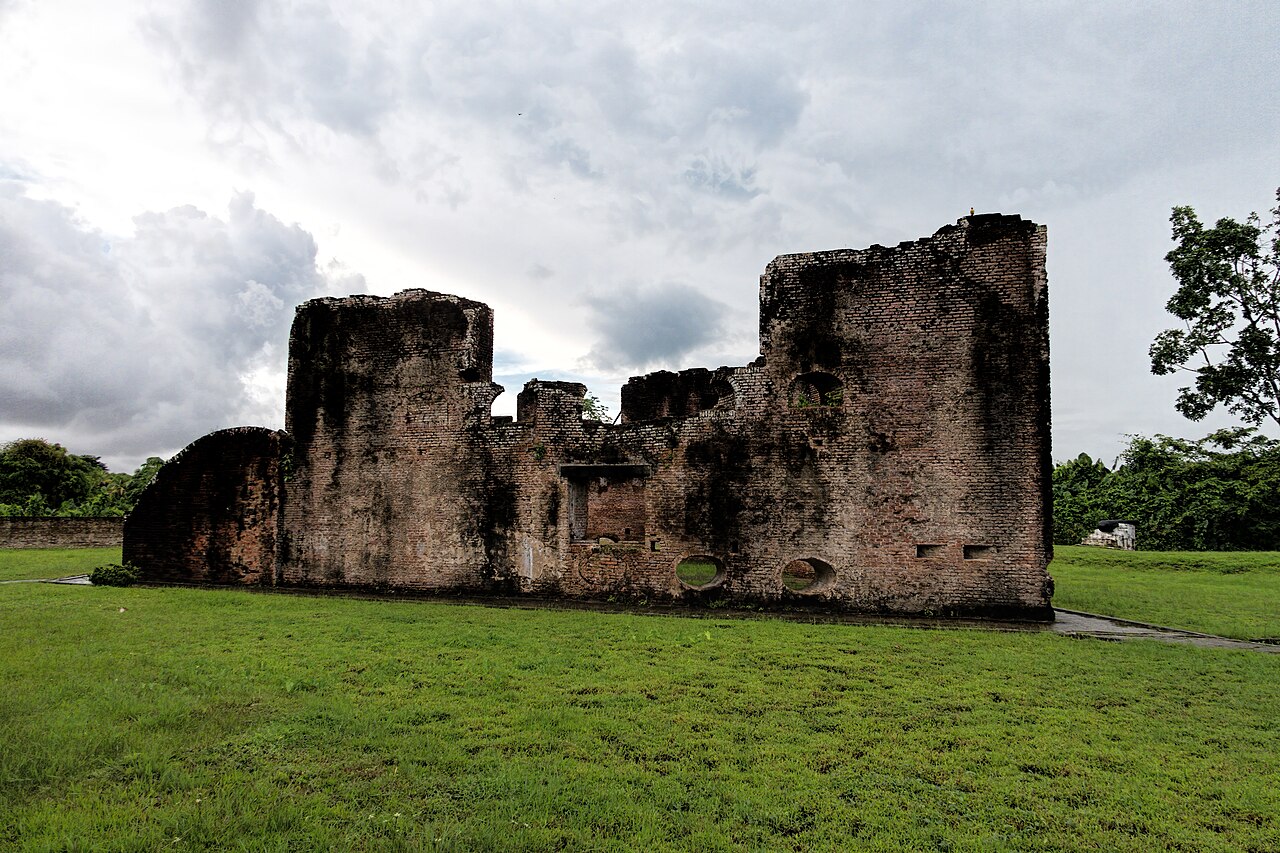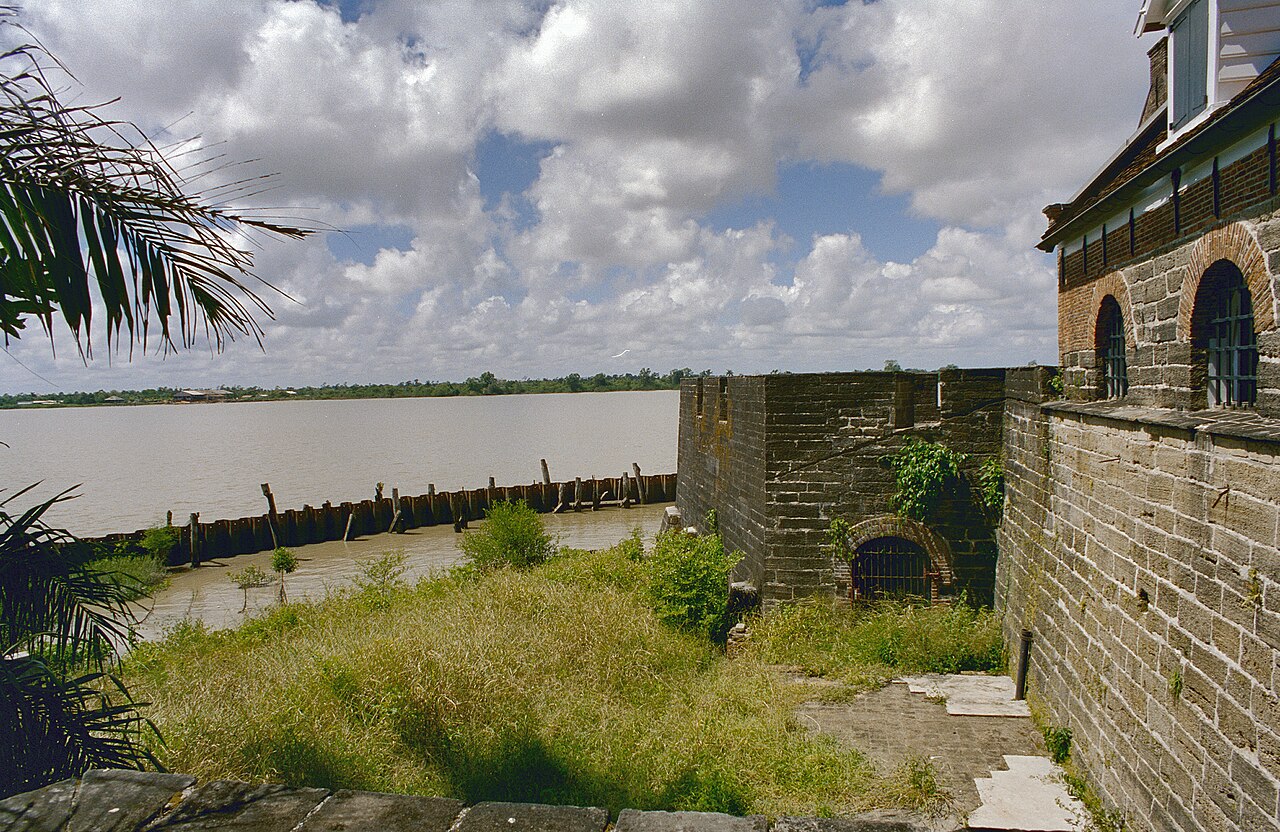
Fort São Joaquim do Rio Branco is a notable example of colonial military architecture located in Brazil. Although the exact city location remains unclear, this fortification holds historical significance as part of Brazil's defensive network during the colonial period. Today, it is classified as archaeological ruins, reflecting its state of preservation and the passage of time since its active use.
Historical background and strategic importance
Constructed during the colonial era, Fort São Joaquim do Rio Branco was built to protect territorial claims and secure important routes in Brazil. The fort's name references Saint Joachim and the Rio Branco region, indicating its geographical and cultural context within Brazilian history. Fortifications like this were essential for defense against indigenous groups and foreign powers during the period of European expansion in South America.
The fort likely dates back to the 17th or 18th century, a time when Portuguese colonial authorities were consolidating control over the interior regions of Brazil. Forts such as São Joaquim do Rio Branco served as military outposts, trading posts, and administrative centers, facilitating both defense and colonial governance.
Architectural features and layout
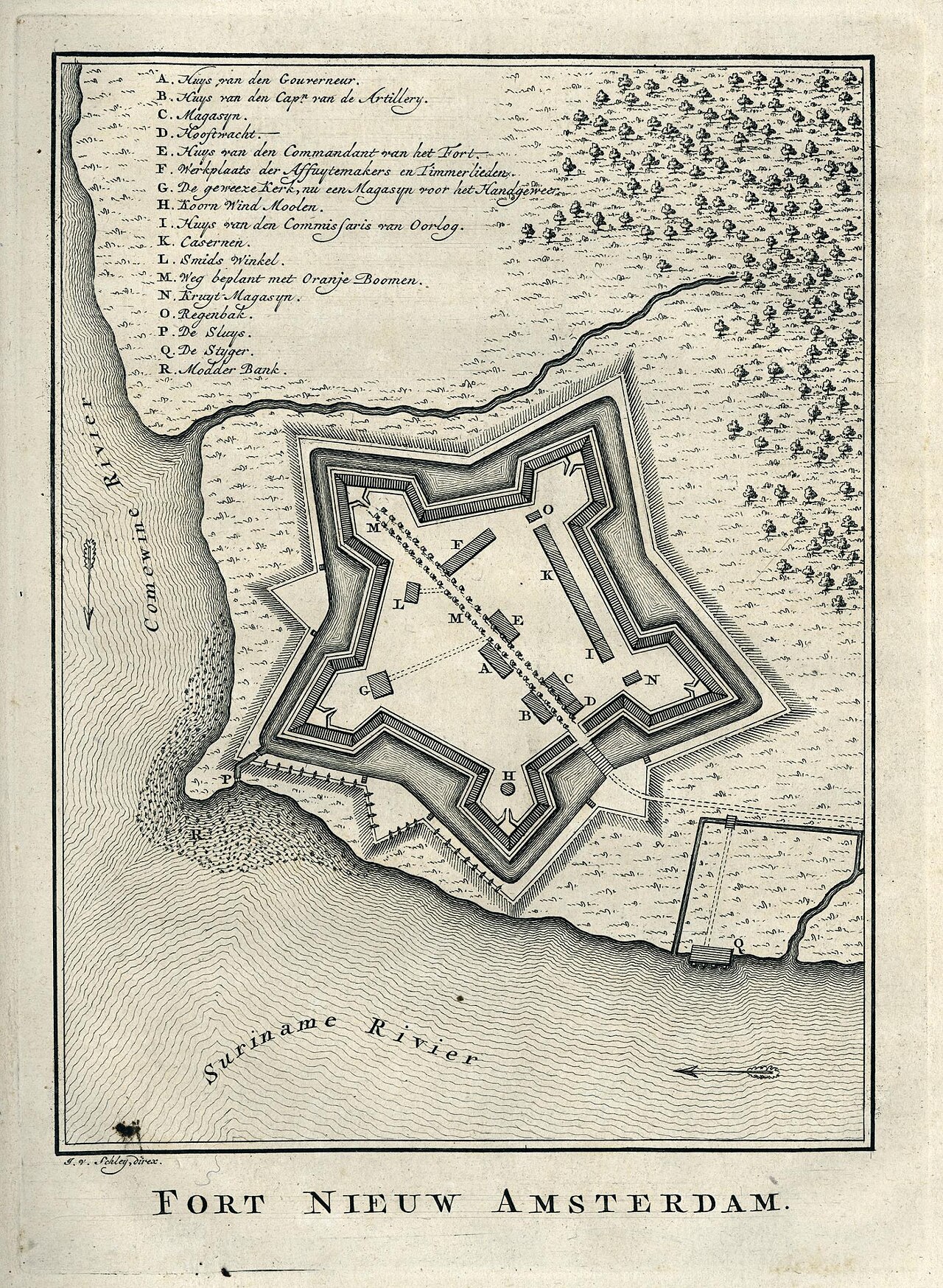
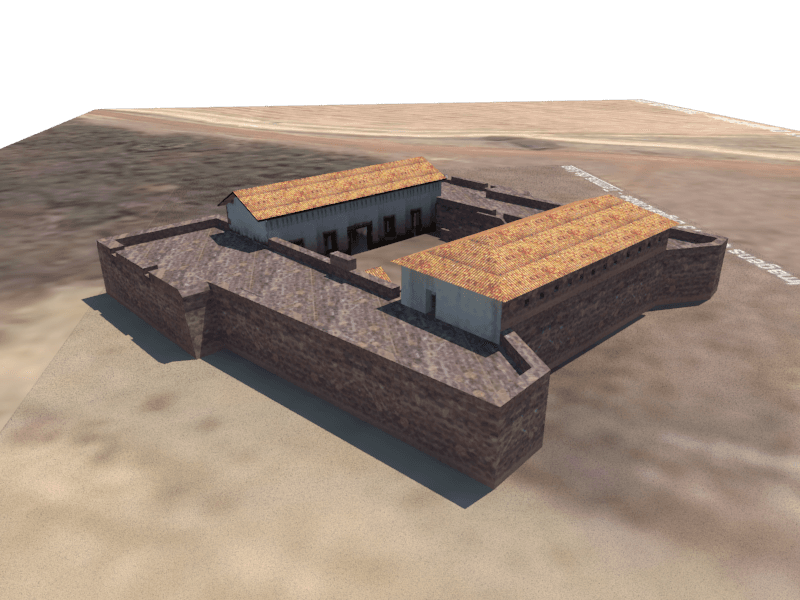
As with many colonial forts in Brazil, Fort São Joaquim do Rio Branco was probably designed with practical military architecture in mind. The structure would have included defensive walls, bastions, and possibly a moat to deter attackers. The layout was likely adapted to the local terrain, optimizing visibility and defense against potential threats.
The fort's remains today consist of ruins, which provide valuable archaeological insights into the materials and construction techniques used by colonial builders. Stone and mortar were common building materials, and the fort's design would have reflected European military engineering principles adapted to the Brazilian environment.
Preservation and archaeological significance
Currently classified as archaeological ruins, Fort São Joaquim do Rio Branco offers important opportunities for research and cultural heritage preservation. Archaeologists study the site to understand the colonial military strategies and daily life within the fort. Excavations can reveal artifacts such as weaponry, ceramics, and tools that shed light on the fort's operational period.
Preservation efforts focus on protecting the remaining structures from further decay while allowing public access for educational and tourism purposes. The site serves as a tangible connection to Brazil's colonial past and the complex interactions between European settlers and indigenous populations.
Visiting Fort São Joaquim do Rio Branco
While specific visitor information is limited due to the site's archaeological nature and uncertain location, visitors interested in colonial history and military architecture may find the ruins of Fort São Joaquim do Rio Branco a compelling destination. It is advisable to seek local guidance or contact regional heritage organizations for the most accurate visiting details.
Exploring such ruins offers a unique perspective on Brazil's colonial era, highlighting the strategic importance of fortifications in shaping the country's historical landscape.
Frequently asked questions (FAQ)
- What is Fort São Joaquim do Rio Branco?
- Fort São Joaquim do Rio Branco is a historic colonial fortification in Brazil, now preserved as archaeological ruins.
- Where is Fort São Joaquim do Rio Branco located?
- The exact city location of Fort São Joaquim do Rio Branco is currently unknown, but it is situated within Brazil.
- Can visitors explore the ruins of Fort São Joaquim do Rio Branco?
- Yes, visitors can explore the ruins, but it is recommended to seek local guidance due to limited visitor infrastructure and information.
- What historical period does Fort São Joaquim do Rio Branco belong to?
- The fort likely dates back to the 17th or 18th century, during Brazil's colonial period.
- Why is Fort São Joaquim do Rio Branco important?
- The fort played a strategic role in colonial defense and territorial control in Brazil, offering insights into military architecture and colonial history.
Photo gallery

Information
Loading map...
Visitor reviews
No reviews yet. Been here? Write the first review and help other travelers!
Write the first reviewVisited this castle? Share your experience
Your review helps other travelers and adds first-hand knowledge to our encyclopedia.