Fort Willem I
Fort Willem I, also known locally as Benteng Pendem Ambarawa or Ambarawa's Sunken Fort, is a prominent 19th-century Dutch bastioned fortress located in Ambarawa, Central Java, Indonesia. This fort is a significant example of colonial military architecture in Southeast Asia, reflecting the strategic importance of the region during the Dutch East Indies era.
Historical background and construction
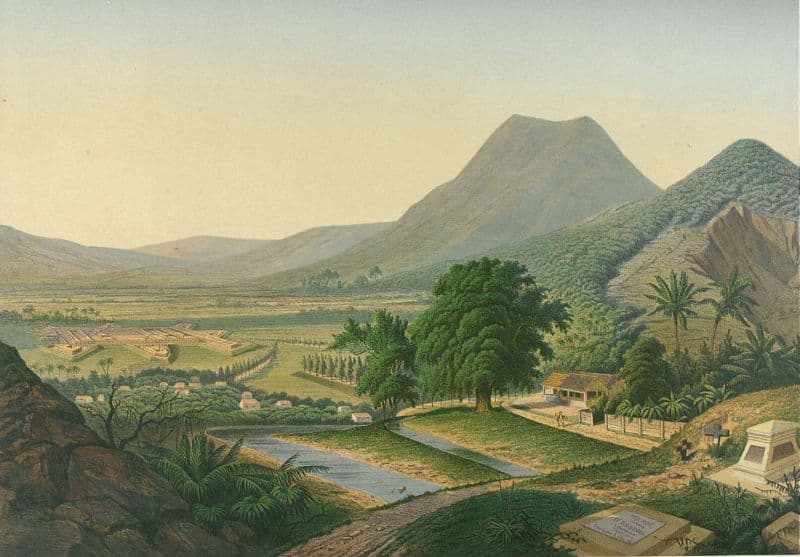
The construction of Fort Willem I began in the early 19th century, under the direction of the Dutch colonial government. The fort was designed primarily to secure the vital railway line connecting Semarang and Yogyakarta, which was crucial for maintaining Dutch control over Central Java. Its location in Ambarawa was chosen for its strategic position in the highlands, allowing control over the surrounding area and serving as a military garrison.
The fort's name honors King William I of the Netherlands, reflecting the Dutch monarchy's influence over the colony. The construction utilized local labor and materials but followed European military architectural principles, particularly the bastioned fortress style that was prevalent in Europe during the period.
Architectural features and design
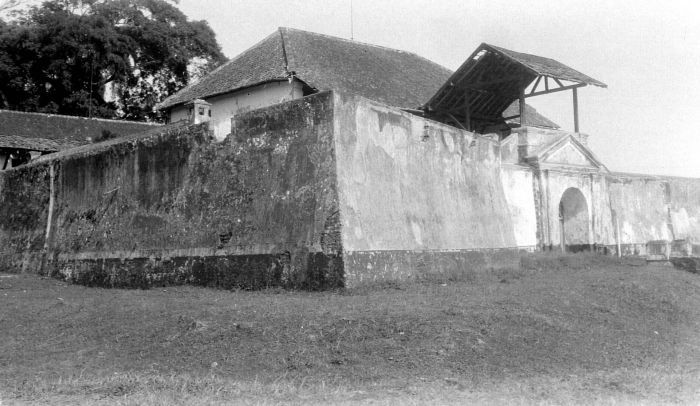
Fort Willem I is a classic example of a bastioned fortress, characterized by its star-shaped layout designed to provide overlapping fields of fire and eliminate blind spots. The fort's walls are made of thick masonry, with angled bastions at the corners to maximize defensive capabilities against artillery attacks.
The fortress includes several key elements typical of this style: ramparts, bastions, a dry moat, and gun emplacements. The moat, although dry today, was originally intended to hinder enemy advances. The bastions allowed defenders to cover each other and the curtain walls, creating a formidable defensive network.
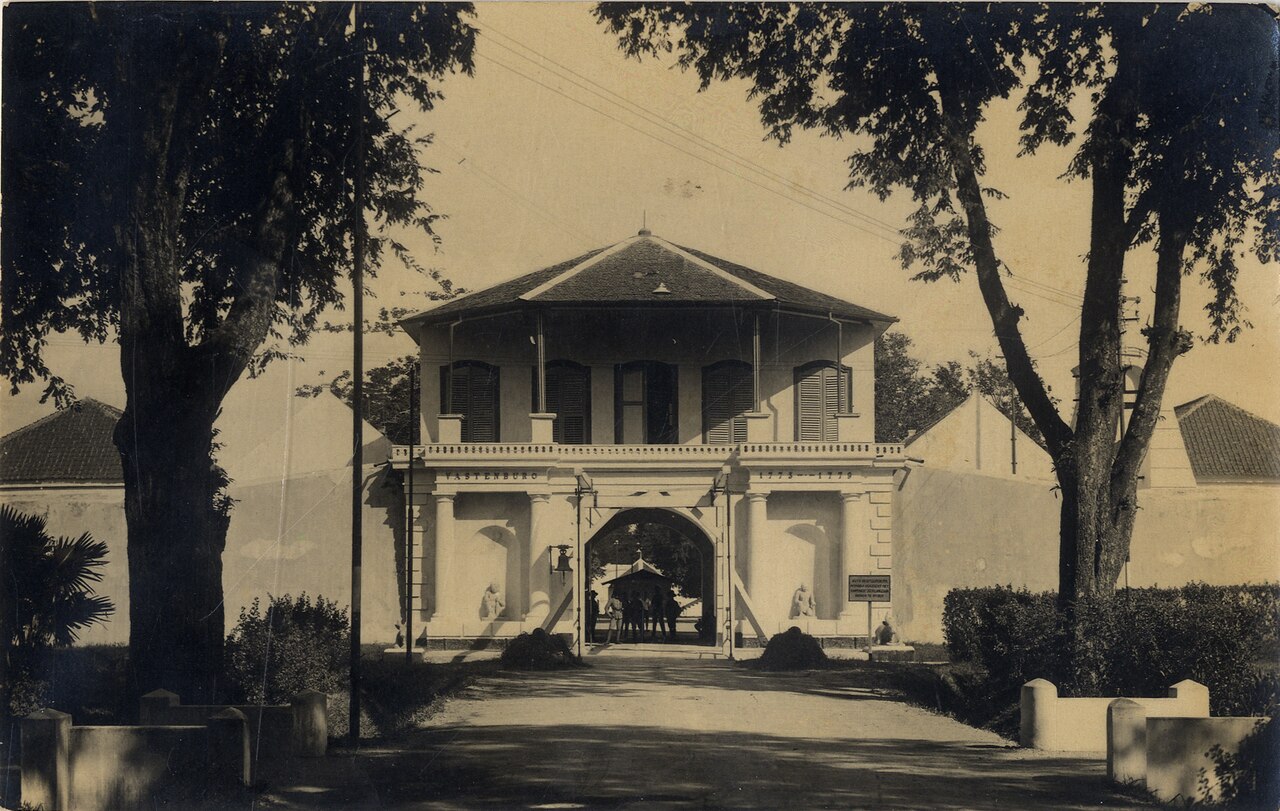
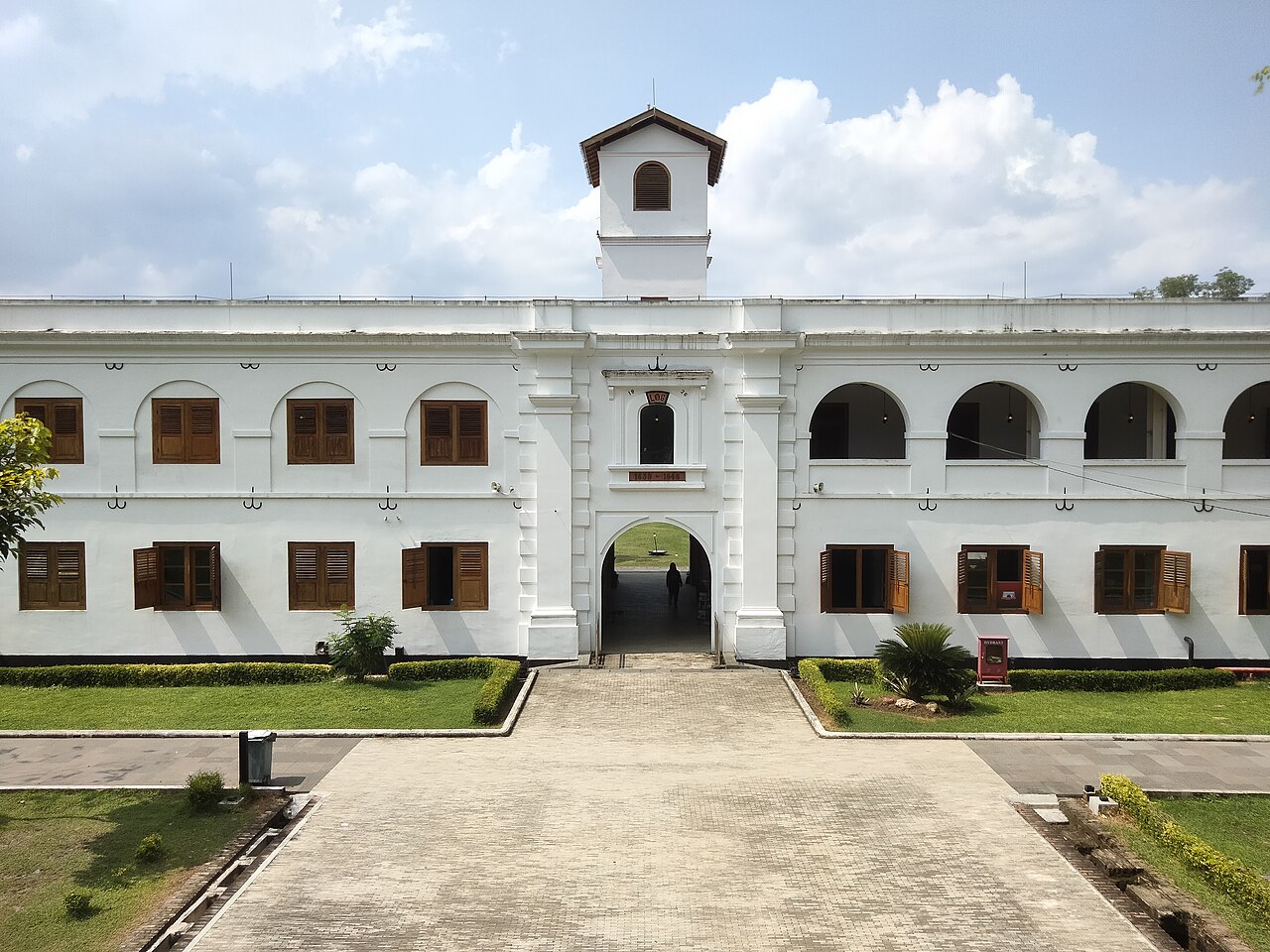
Inside the fort, there are barracks, storerooms, and command posts arranged around a central courtyard. The design emphasizes functionality and defense, with limited ornamental features, reflecting its military purpose.
The fort's role in colonial and wartime history
Throughout the 19th and early 20th centuries, Fort Willem I served as a key military installation for the Dutch colonial forces. It played a role in maintaining order and suppressing local uprisings during periods of resistance against colonial rule. The fort also functioned as a training center and a base for troops stationed in Central Java.
During World War II, the fortress was occupied by Japanese forces following their invasion of the Dutch East Indies. The fort's strategic position made it valuable for controlling the region. After the war, it was used by Indonesian forces during the struggle for independence.
Current condition and cultural significance
Today, Fort Willem I remains partially preserved. While some sections have deteriorated, significant portions of the fortress, including its bastions and walls, are still intact. The site has become a cultural and historical landmark in Ambarawa, attracting visitors interested in colonial history and military architecture.
The fort is sometimes referred to as the "Sunken Fort" due to its partially buried appearance, a result of both its original design and later sediment accumulation. Efforts have been made to preserve and restore parts of the fort to maintain its historical integrity.
As a heritage site, Fort Willem I offers insights into Dutch colonial military strategy and the broader history of Indonesia during the colonial period. It stands as a tangible reminder of the complex interactions between European powers and Southeast Asia in the 19th century.
Visiting Fort Willem I
Visitors to Fort Willem I can explore the fortress grounds, including its bastions, ramparts, and internal buildings. The site provides educational opportunities to learn about Dutch colonial architecture and Indonesian history. Guided tours are occasionally available, offering detailed explanations of the fort's design and historical context.
The fort's location in Ambarawa makes it accessible for travelers interested in exploring Central Java's cultural heritage. Nearby attractions include the Ambarawa Railway Museum and local markets, making it a worthwhile stop for history enthusiasts.
Frequently asked questions (FAQ)
- What is the historical significance of Fort Willem I?
- Fort Willem I, built in the early 19th century, served as a crucial military outpost for the Dutch colonial forces in Indonesia. It played a key role in the defense against local uprisings and external threats, making it an important landmark in the region's colonial history.
- When was Fort Willem I constructed?
- Construction of Fort Willem I began in 1822 and was completed in 1845. The fort was designed to strengthen Dutch control over the area and protect trade routes during a time of significant colonial expansion.
- Can I visit Fort Willem I?
- Yes, Fort Willem I is open to visitors. Guests can explore the fort's grounds, learn about its history through informative displays, and enjoy the scenic views of the surrounding area.
- What are the opening hours of Fort Willem I?
- Fort Willem I is typically open to the public from 9 AM to 5 PM every day. However, it is advisable to check ahead for any changes in schedule or special events that may affect visiting hours.
- Is there an admission fee to enter Fort Willem I?
- There is a small admission fee to enter Fort Willem I, which helps in the maintenance and preservation of the site. Ticket prices are generally affordable, making it accessible for both locals and tourists.
- When is the best time to visit Fort Willem I?
- The best time to visit Fort Willem I is during the dry season, which runs from April to October. This period offers more pleasant weather and clearer skies, perfect for exploring the fort and surrounding attractions.
- What nearby attractions can I visit while at Fort Willem I?
- While visiting Fort Willem I, you can also explore the beautiful landscapes of Ambarawa, including Lake Rawa Pening and the local markets. Additionally, the nearby Ambarawa Railway Museum offers a glimpse into the region's rich rail history.
- Is Fort Willem I accessible for visitors with disabilities?
- Fort Willem I has made efforts to improve accessibility for visitors with disabilities, including pathways and ramps for easier navigation. However, some areas may still present challenges due to the fort's historic structure. It is recommended to check in advance for specific accessibility options.
Photo gallery

Information
Loading map...
Visitor reviews
No reviews yet. Been here? Write the first review and help other travelers!
Write the first reviewVisited this castle? Share your experience
Your review helps other travelers and adds first-hand knowledge to our encyclopedia.