Fort Vastenburg
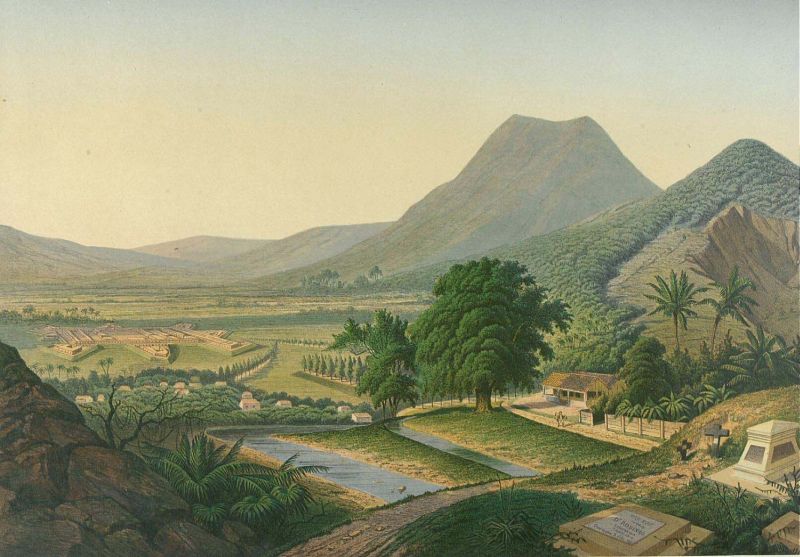
Fort Vastenburg, also known as Fort Surakarta, is a prominent 18th-century Dutch bastioned fortress situated in the heart of Gladak, Surakarta, Central Java, Indonesia. Constructed during the colonial era, the fort served as a strategic military stronghold for the Dutch East India Company and later the Dutch colonial government. Its name, "Vastenburg," translates from Dutch as "Fort Steadfast," reflecting its intended role as a resilient defensive structure.
Historical context and construction
Built in the early 18th century—around 1745—Fort Vastenburg was designed to consolidate Dutch control over the region amidst local resistance and competing powers. The fort's construction was part of a broader Dutch effort to secure their colonial interests in Java, especially in the culturally significant city of Surakarta, also known as Solo. The fortress was strategically located to oversee the city's main thoroughfares and to serve as a deterrent against uprisings.
The fort's architecture reflects the bastioned fortress design typical of the Renaissance military engineering principles adapted by the Dutch in Southeast Asia. Its layout features angular bastions at each corner, enabling crossfire coverage and minimizing blind spots. Thick masonry walls and a surrounding moat enhanced its defensive capabilities, making it difficult for attackers to breach the fortifications.
Architectural features and layout
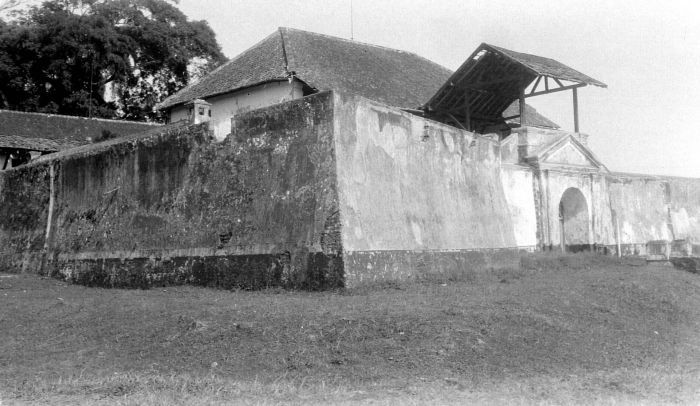
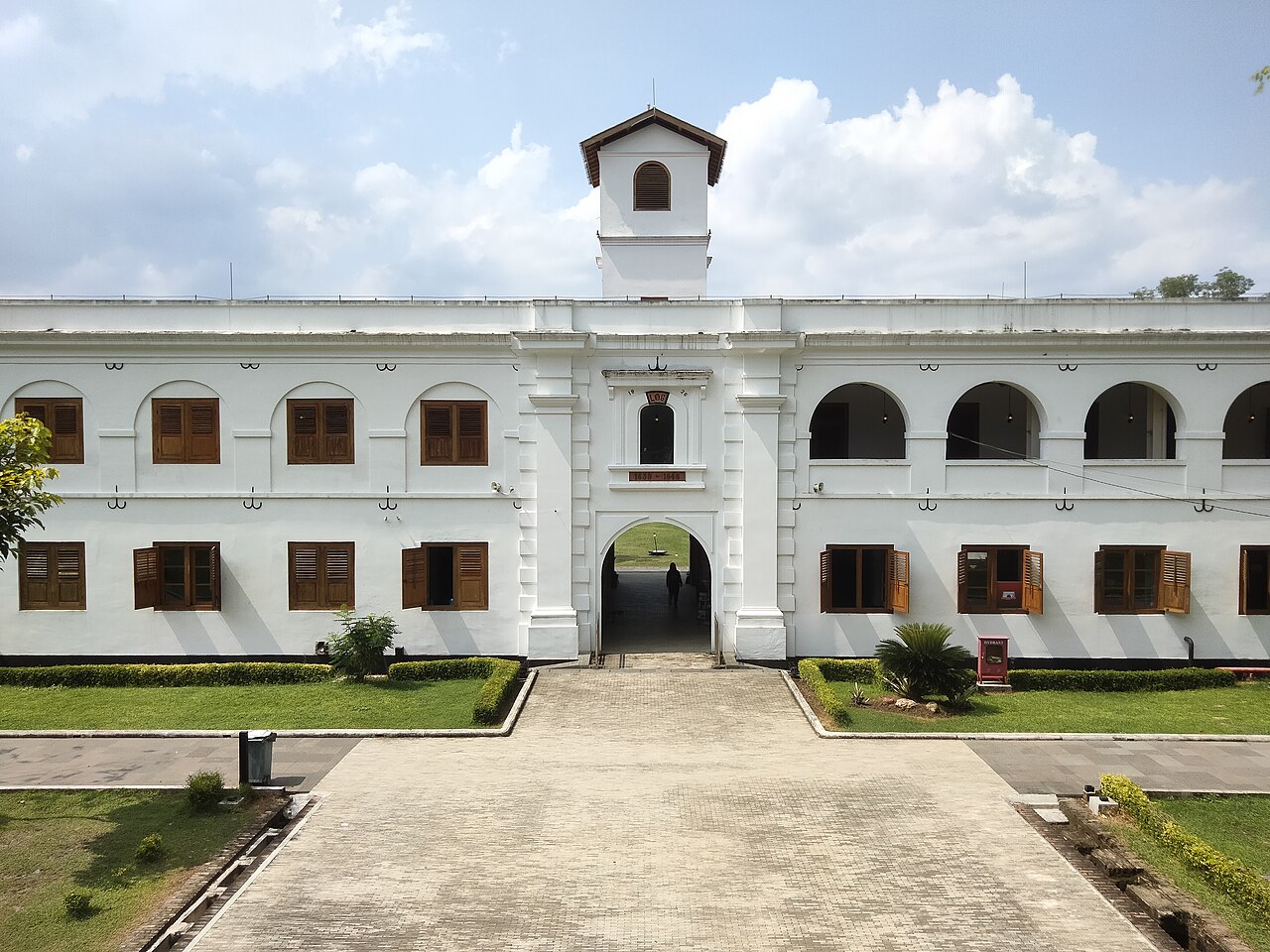
The fort is constructed on a rectangular plan with four bastions named after Dutch cities or military figures, each projecting outward to provide overlapping fields of fire. These bastions are connected by curtain walls, which were originally equipped with cannon emplacements. The fort's entrance is marked by a prominent gatehouse featuring Dutch colonial architectural elements, including arched openings and robust wooden doors.
Within the fort's walls, several buildings served various military and administrative functions. These include barracks for soldiers, officers' quarters, a command center, storage rooms for ammunition and supplies, and a chapel. The internal courtyard provided space for drills and assemblies.
Defensive structures
The moat surrounding Fort Vastenburg was a key defensive feature, designed to hinder enemy advances and prevent tunneling. Access across the moat was controlled by drawbridges, which could be raised in times of attack. The bastions were equipped with artillery platforms, allowing defenders to repel assaults effectively.
Role during colonial and post-colonial periods
Throughout the 18th and 19th centuries, Fort Vastenburg functioned as a military garrison and administrative center for the Dutch colonial authorities in Surakarta. It played a role in suppressing local rebellions and maintaining order during turbulent periods of Javanese history.
Following Indonesian independence in the mid-20th century, the fort's military significance declined. It was used sporadically by the Indonesian military but gradually fell into disuse. The fort's strategic location in the city center made it a landmark, but also a subject of contestation among various stakeholders.
Current condition and preservation challenges
Today, Fort Vastenburg faces significant preservation challenges. The fort is largely abandoned and in a state of partial disrepair, threatened by urban development pressures and ownership disputes. Multiple private parties claim ownership over different parts of the fort, complicating efforts to conserve and restore the site.
Despite its historical and architectural importance, the fort has suffered from neglect, with some areas showing structural deterioration. Local heritage advocates have called for measures to protect and rehabilitate Fort Vastenburg as a cultural landmark, emphasizing its value as a symbol of Surakarta's colonial past and architectural heritage.
Significance and cultural heritage
Fort Vastenburg stands as one of the few remaining examples of Dutch colonial bastioned fortresses in Indonesia. Its design embodies the adaptation of European military architecture to the tropical environment and the geopolitical realities of Southeast Asia during the Renaissance and early modern periods.
The fort's presence in Surakarta highlights the city's historical role as a political and military center in Java. It offers insights into colonial urban planning, military strategy, and cultural interactions between the Dutch and Javanese societies.
Efforts to preserve Fort Vastenburg contribute to broader recognition of Indonesia's diverse historical narratives and architectural legacies, supporting cultural tourism and education.
Frequently asked questions (FAQ)
- What is the historical significance of Fort Vastenburg?
- Fort Vastenburg is a historical fort built during the Dutch colonial period in the 18th century. It played a crucial role in the defense of the city of Surakarta and showcases the colonial military architecture of that era.
- When was Fort Vastenburg constructed?
- Fort Vastenburg was constructed between 1745 and 1749 as part of the Dutch colonial efforts to secure their interests in Java. Its strategic location was chosen to protect the city from potential threats.
- What are the opening hours of Fort Vastenburg?
- Fort Vastenburg is generally open to visitors from 9:00 AM to 5:00 PM, Tuesday to Sunday. It is recommended to check for any special holiday hours or events that might affect regular visiting times.
- Can I visit Fort Vastenburg any time of the year?
- Yes, Fort Vastenburg is open year-round, making it accessible for visitors at any time. However, the best time to visit is during the dry season from May to September, when the weather is more pleasant.
- Is Fort Vastenburg accessible for people with disabilities?
- Fort Vastenburg has limited accessibility for individuals with disabilities due to its historical structure. It is advisable to contact the site management in advance to inquire about specific accommodations.
- What are the ticket prices for visiting Fort Vastenburg?
- The entry fee for Fort Vastenburg is relatively affordable, typically around IDR 10,000 for adults and IDR 5,000 for children. Prices may vary for guided tours or special exhibitions, so checking ahead is recommended.
- Are there any nearby attractions to Fort Vastenburg?
- Yes, Fort Vastenburg is located near several attractions, including the Kraton Surakarta and the Pasar Klewer market. Visitors can enjoy exploring the rich culture and history of Surakarta in close proximity to the fort.
- How do I get to Fort Vastenburg?
- Fort Vastenburg is easily accessible by public transportation or taxi within Surakarta. It is situated in the city center, making it a convenient stop for tourists exploring the area.
Photo gallery
Information
Loading map...
Visitor reviews
No reviews yet. Been here? Write the first review and help other travelers!
Write the first reviewVisited this castle? Share your experience
Your review helps other travelers and adds first-hand knowledge to our encyclopedia.