Fort Wilkins
Fort Wilkins is a historic military fort located near Copper Harbor, Michigan, within the Upper Peninsula of the United States. Established in 1844, the fort served as an important army outpost during the mid-19th century, primarily to maintain order during the Copper Rush and to protect the valuable mineral resources and settlers in the region. Today, Fort Wilkins Historic State Park preserves this landmark, showcasing its well-restored structures and offering visitors a glimpse into the military and frontier history of the era.
Historical background and significance
Construction of Fort Wilkins began in 1844 under the direction of the United States Army. It was named after Governor William Wilkins of Pennsylvania, who was a prominent political figure at the time. The fort was strategically located at the tip of the Keweenaw Peninsula near the shores of Lake Superior, a key area during the Copper Rush that attracted miners and settlers. The army's presence was meant to maintain peace between the miners and the local Native American tribes, as well as to assert federal authority in this remote frontier region.
Although Fort Wilkins was garrisoned for only a short period, primarily from 1844 to 1870, it played a crucial role in the early settlement and law enforcement of the area. The fort was never involved in any major battles or conflicts but served more as a deterrent and symbol of federal power during a time of rapid expansion and resource exploitation.
Architectural features and layout
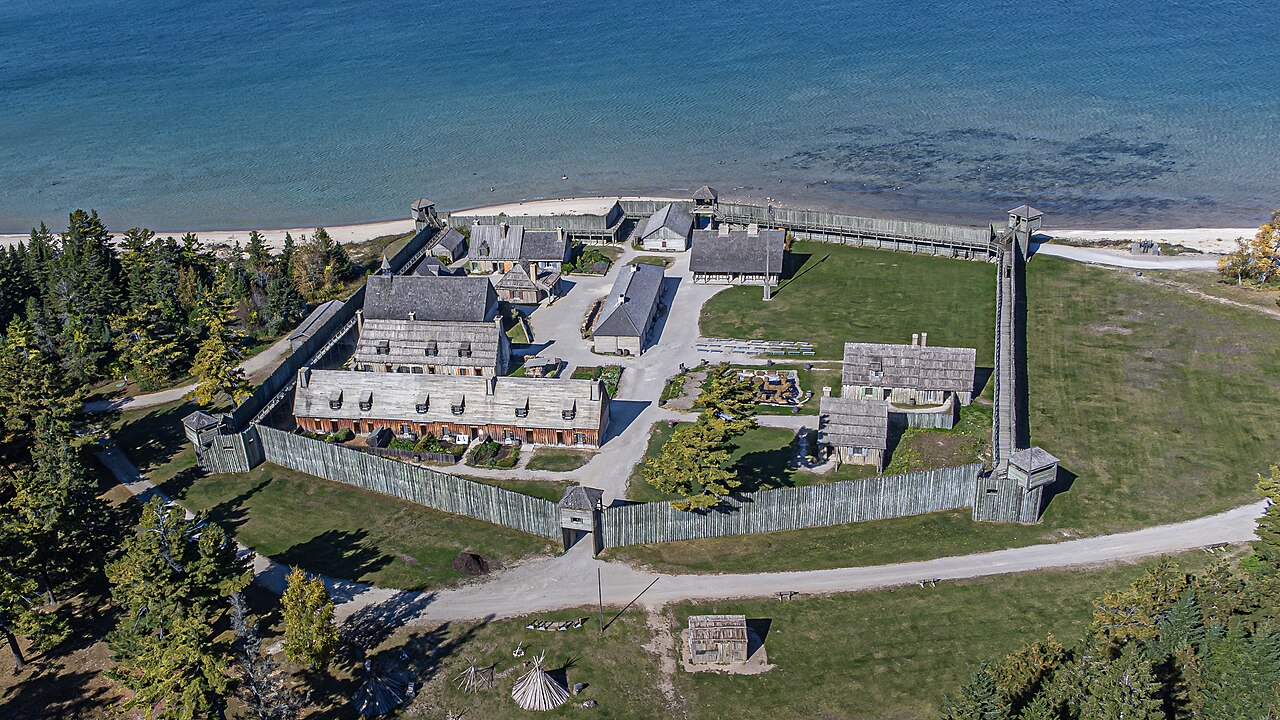
Fort Wilkins is an example of a 19th-century bastioned fortress designed for defense and military functionality rather than elaborate architectural style. The fort's layout is typical of frontier military installations of the period, featuring a rectangular plan with earthen bastions at the corners to provide overlapping fields of fire. The fort was surrounded by a wooden palisade and included various buildings essential for army life.
Key structures within the fort include the officers' quarters, barracks, storehouses, a mess hall, and a guardhouse. These buildings were constructed primarily of wood and local materials, reflecting the practical needs and available resources of the frontier environment. The fort also had a parade ground at its center, which was used for drills and ceremonies.
Defensive elements
The bastions at each corner of the fort allowed defenders to cover the walls with cannon and musket fire, a common feature in bastioned fortresses designed to repel attacks. Although Fort Wilkins never faced a siege, these defensive features illustrate the military engineering principles of the time.
Preservation and current use
Today, Fort Wilkins is part of the Fort Wilkins Historic State Park, managed by the Michigan Department of Natural Resources. The park spans approximately 987 acres and includes not only the fort but also the nearby Copper Harbor Lighthouse, built in 1866. The lighthouse is another significant historic structure, guiding ships navigating the treacherous waters of Lake Superior.
The fort has been restored to reflect its mid-19th-century appearance, with many original buildings preserved or reconstructed. Visitors can explore the fort's buildings, walk the parade ground, and learn about military life through interpretive programs and exhibits. The park also offers camping and day-use facilities, making it a popular destination for history enthusiasts and outdoor recreationists alike.
Fort Wilkins is recognized as a Cooperating Site of the Keweenaw National Historical Park, linking it to a broader network of historic sites that tell the story of the region's mining heritage and cultural history.
Visiting information and amenities
The state park is open seasonally, typically from late spring to early fall, accommodating visitors interested in both history and nature. The site offers guided tours, educational programs, and special events that highlight the fort's historical context and significance. The surrounding natural landscape provides opportunities for hiking, wildlife viewing, and enjoying the scenic beauty of Lake Superior.
Fort Wilkins Historic State Park serves as a valuable resource for understanding the military, economic, and cultural development of Michigan's Upper Peninsula during the 19th century. Its preservation allows visitors to step back in time and experience the frontier life of soldiers stationed far from the established centers of American settlement.
Frequently asked questions (FAQ)
- What is the historical significance of Fort Wilkins?
- Fort Wilkins, established in 1844, played a crucial role in the defense of the Copper Harbor area during the mid-19th century. It was primarily built to protect the copper mining interests in the region from potential threats. Today, it serves as a historic site that offers insight into military life and the history of copper mining in Michigan.
- When is the best time to visit Fort Wilkins?
- The best time to visit Fort Wilkins is during the summer months, from late June to early September, when the weather is warm and ideal for outdoor activities. During this time, visitors can experience various historical reenactments and guided tours that bring the fort’s history to life. Additionally, the stunning natural surroundings are perfect for hiking and exploration.
- What are the opening hours for Fort Wilkins?
- Fort Wilkins is typically open from 10 AM to 5 PM daily during the summer season, though hours may vary in the shoulder seasons of spring and fall. It is recommended to check the official website or contact the visitor center for the most current hours before planning your visit. Be sure to arrive early to make the most of your time exploring the site.
- Can I access Fort Wilkins with a wheelchair?
- Yes, Fort Wilkins is committed to accessibility and offers wheelchair access to many areas of the site. However, some historical buildings may have limitations due to their original architecture. It is advisable to contact the visitor center for specific information regarding accessibility features and available accommodations.
- What are the ticket prices for visiting Fort Wilkins?
- Admission to Fort Wilkins is generally affordable, with a nominal fee for adults, and discounts often available for seniors and children. Entry fees help maintain the site and support educational programs. Be sure to check for any seasonal promotions or family packages that may be offered during your visit.
- Are there nearby attractions to Fort Wilkins?
- Yes, Fort Wilkins is located near several attractions, including the picturesque Copper Harbor Lighthouse and the scenic trails of Keweenaw Peninsula. Visitors can also enjoy outdoor activities such as hiking, kayaking, and fishing in the surrounding areas. These attractions make it easy to plan a full day of exploration in the beautiful Copper Harbor region.
- Is it possible to participate in guided tours at Fort Wilkins?
- Absolutely! Guided tours are available at Fort Wilkins and provide a deeper understanding of the fort's history and its role in the region. These tours are led by knowledgeable staff who share fascinating stories and details about life at the fort during its operational years. It's a great way to enhance your visit and engage with the historical context.
Photo gallery

Information
Loading map...
Visitor reviews
No reviews yet. Been here? Write the first review and help other travelers!
Write the first reviewVisited this castle? Share your experience
Your review helps other travelers and adds first-hand knowledge to our encyclopedia.