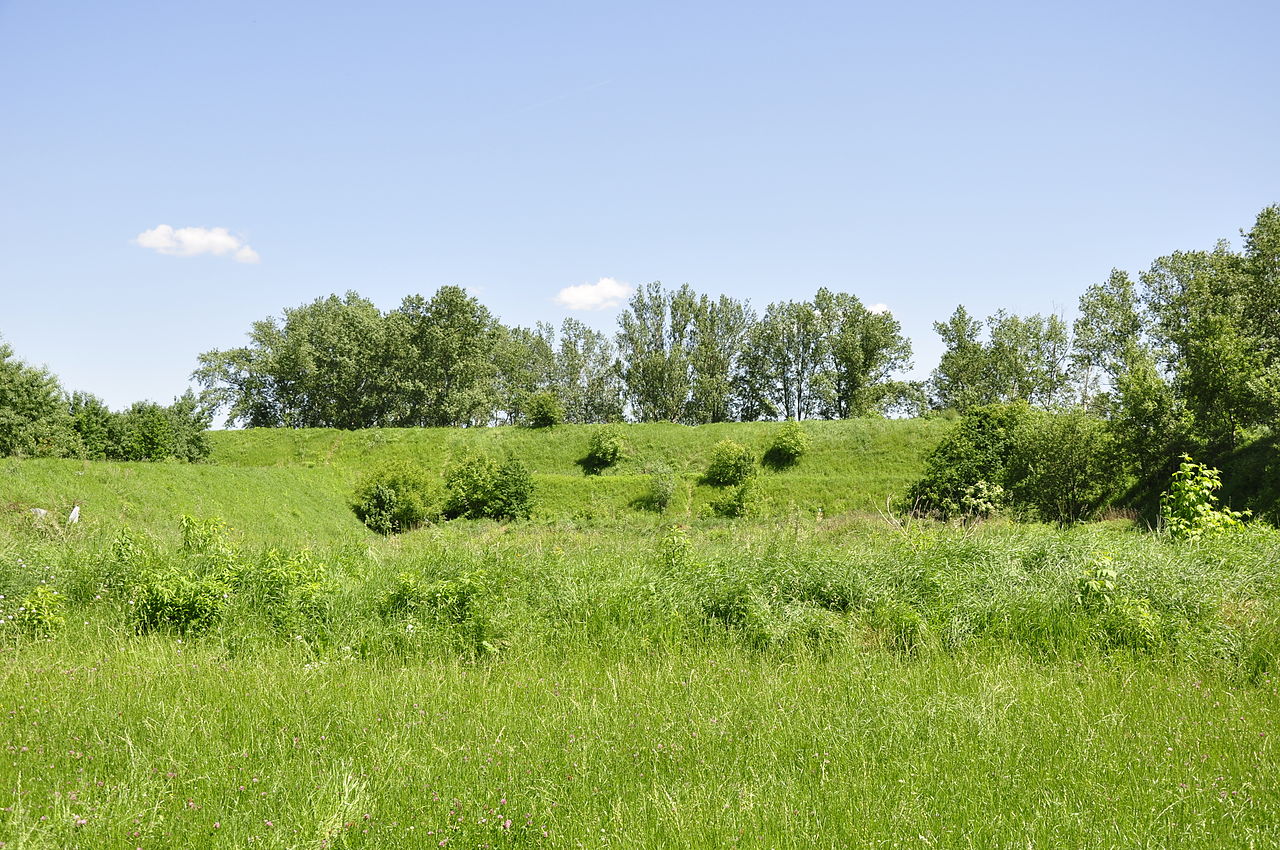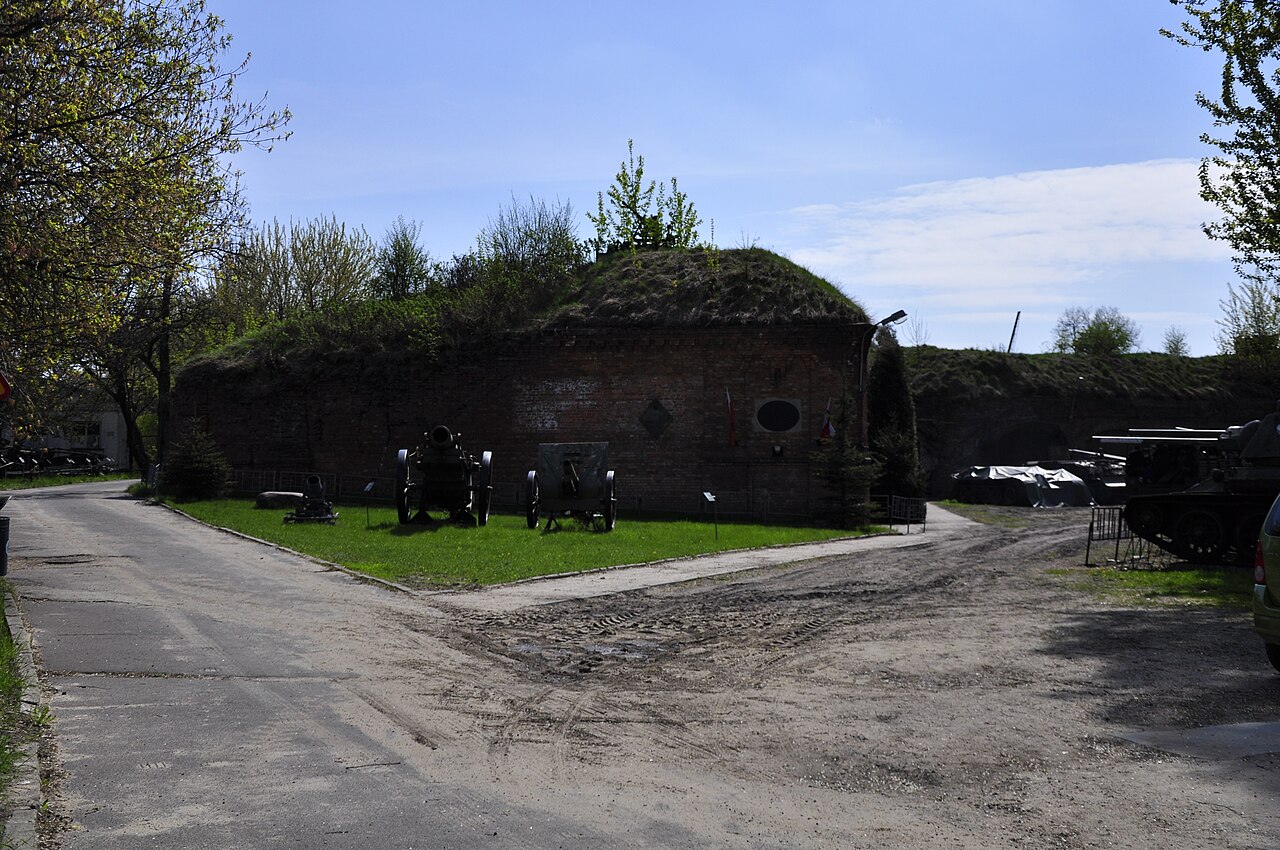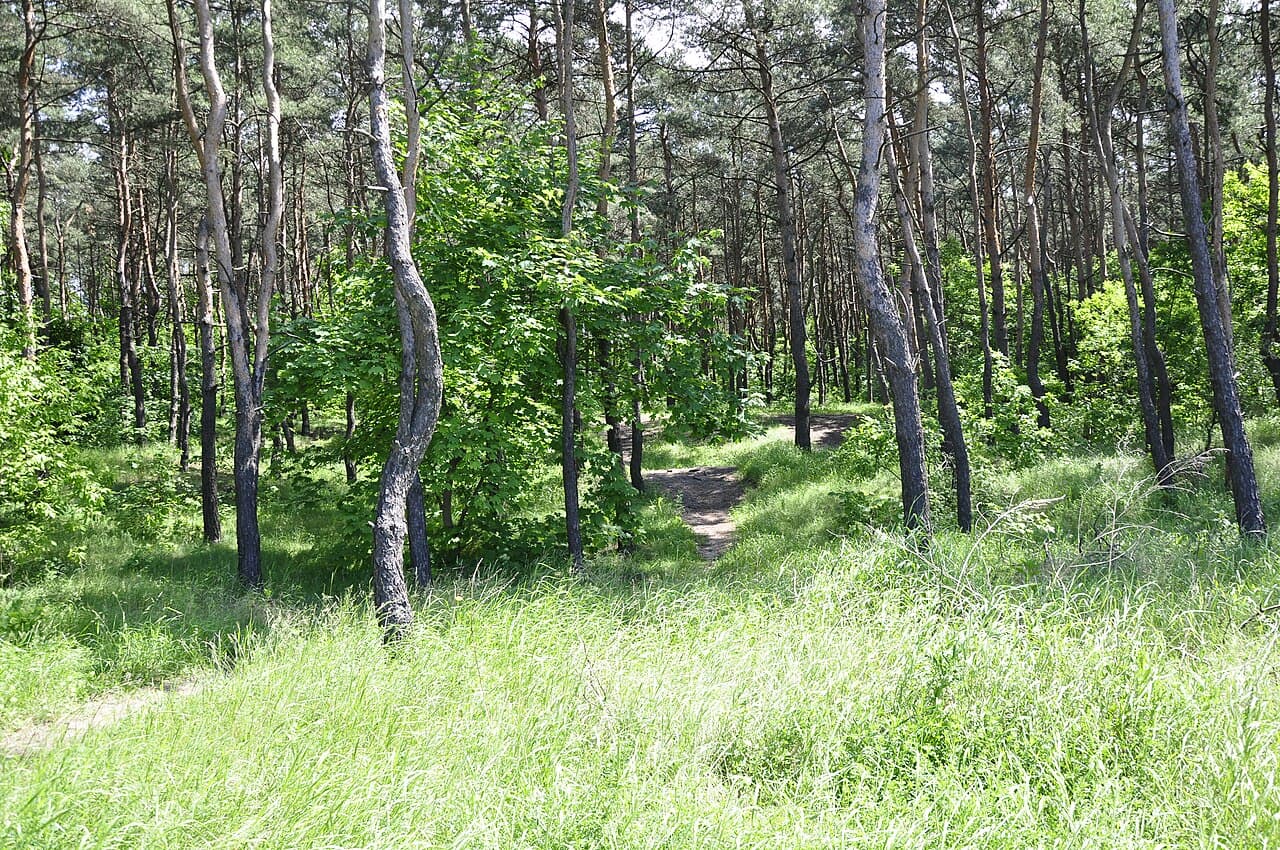
Fort Wawer is a historic bastioned fortress located in Poland, representing a significant example of military architecture designed for defense and strategic control. This fortress is part of a broader system of fortifications that were constructed to protect important territories and cities, reflecting the military engineering principles of its era.
Architectural design and bastioned fortifications
The fortress is characterized by its bastioned design, a style that emerged during the Renaissance and became widespread in the Early Modern period. Bastioned fortresses feature angular bastions projecting from the main walls, allowing defenders to cover adjacent walls with overlapping fields of fire. This design was a response to the development of artillery, providing better defense against cannon attacks compared to medieval castles.
Fort Wawer exemplifies these principles with its robust thick walls and angular bastions arranged to maximize defensive coverage. The fortress likely includes moats or ditches surrounding the walls, enhancing its defensive capabilities by impeding attackers and controlling access points. The layout would have been carefully planned to ensure that every approach was covered by defensive fire.
Historical context and military significance
While specific historical records about Fort Wawer are limited, bastioned fortresses in Poland were typically constructed during the Early Modern period when the Polish-Lithuanian Commonwealth sought to strengthen its borders and protect key locations from invasions. These fortresses played crucial roles in various conflicts, including wars with neighboring states and internal uprisings.
The strategic location of Fort Wawer would have been chosen to control important routes or to defend a city or region from enemy advances. Its construction reflects the military priorities of the time, emphasizing strong fortifications capable of withstanding sieges and artillery bombardment.
Construction materials and preservation
The fortress was likely constructed using stone and brick, common materials for bastioned fortifications, providing durability and resistance to artillery fire. The walls and bastions would have been reinforced to absorb and deflect cannonballs, while internal structures such as barracks, armories, and command posts supported the garrison.
Today, the condition of Fort Wawer may vary, with some parts potentially preserved, restored, or in ruins depending on historical events and conservation efforts. Bastioned fortresses often face challenges in preservation due to their size and the materials used, but they remain valuable cultural heritage sites that illustrate the evolution of military architecture.
Cultural and heritage importance
Fort Wawer stands as a testament to the military engineering skills and historical conflicts that shaped Poland's borders and defense strategies. It offers insight into the transition from medieval castles to modern fortifications adapted for gunpowder warfare. The fortress is a point of interest for historians, architects, and visitors interested in military history and architectural heritage.
Visiting such a fortress provides a tangible connection to the past, showcasing the complexity and ingenuity of fortification design. Efforts to study, preserve, and interpret Fort Wawer contribute to a broader understanding of Poland's historical landscape and its role in European military history.
Frequently asked questions (FAQ)
- What is the historical significance of Fort Wawer?
- Fort Wawer is a bastioned fortress that played a role in Poland's military defense system, reflecting Early Modern military architecture designed to withstand artillery attacks.
- What architectural features define Fort Wawer?
- The fortress features angular bastions, thick walls, and likely moats, characteristic of bastioned fortifications developed to improve defense against cannon fire.
- Can visitors tour Fort Wawer?
- Visiting information for Fort Wawer varies; it is advisable to check local sources or heritage organizations for current access and tour availability.
Photo gallery

Information
Loading map...
Visitor reviews
No reviews yet. Been here? Write the first review and help other travelers!
Write the first reviewVisited this castle? Share your experience
Your review helps other travelers and adds first-hand knowledge to our encyclopedia.