Fort Vaux
Fort Vaux is a significant bastioned fortress located in Vaux-Devant-Damloup, Meuse, France, forming part of the extensive ring of 19 forts designed to protect the strategic city of Verdun. Constructed between 1881 and 1884 at a cost of 1,500,000 francs, it was built to house a garrison of 150 men. The fort represents the military architectural evolution of the late 19th century, designed to withstand the increasing power of artillery with its polygonal layout and reinforced concrete top protection.
Architectural design and construction
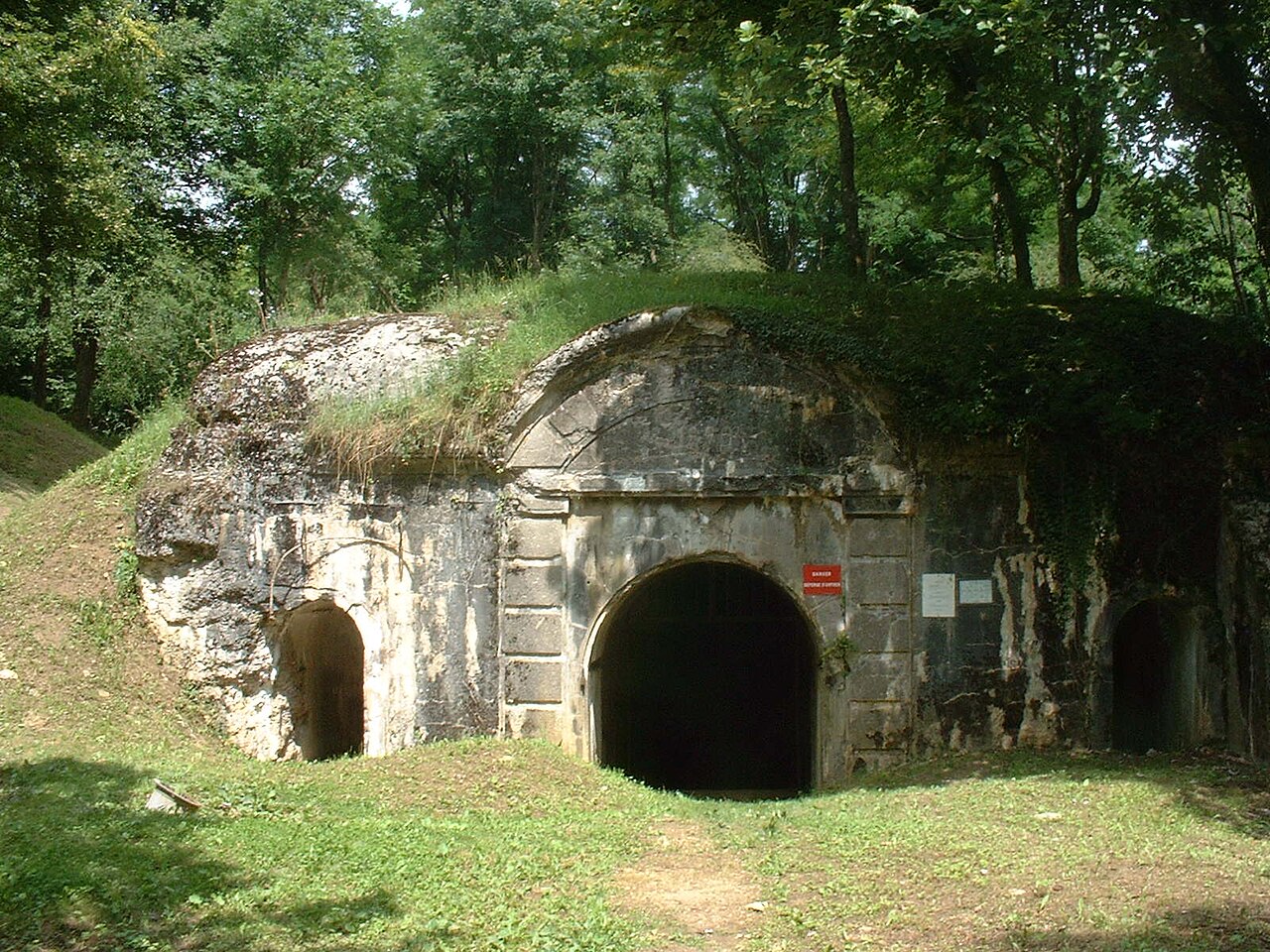
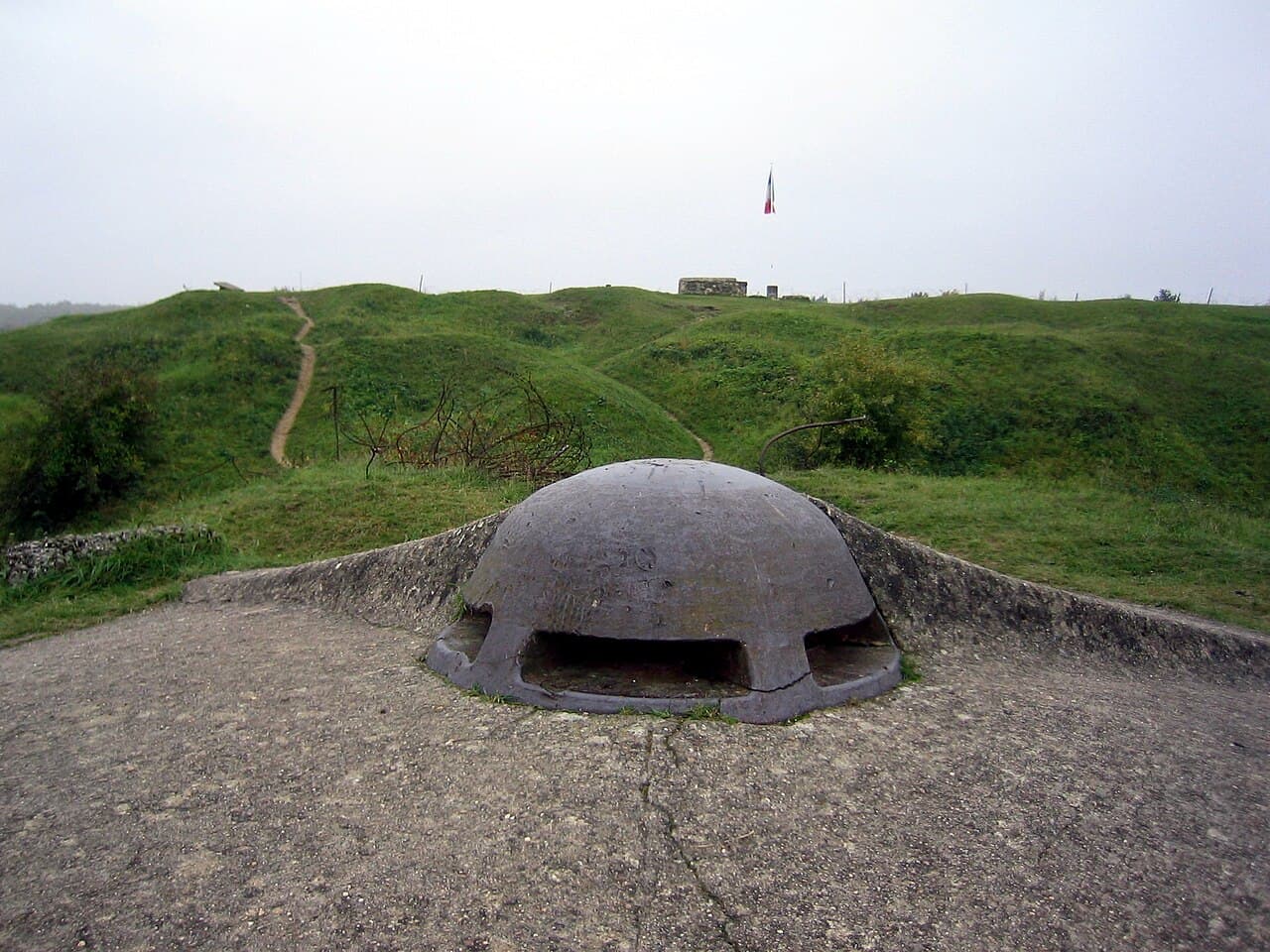
Fort Vaux was built as part of the Séré de Rivières system of fortifications, which marked a shift from traditional medieval castles to modern bastioned fortresses. Its polygonal shape was intended to eliminate blind spots and provide overlapping fields of fire. The fort's walls and structures were reinforced with concrete to resist the impact of heavy artillery shells, including the massive 420-millimetre howitzers used during World War I. The design included deep underground galleries and stations, which protected the garrison and allowed movement and communication even under intense bombardment.
Role in the Battle of Verdun
During the Battle of Verdun in World War I, Fort Vaux became a symbol of French resilience. It was the second fort to fall after Fort Douaumont, which was captured early in the battle in February 1916. Unlike Douaumont, Fort Vaux was actively garrisoned and defended when German forces attacked on June 2, 1916. The fort had been modernized before the war, with reinforced concrete protecting its superstructure, which allowed it to withstand the initial German artillery bombardment, including shelling by 16-inch howitzers.
The siege and defense
The defense of Fort Vaux was marked by extraordinary heroism, particularly under the leadership of Major Sylvain-Eugene Raynal. The French garrison repulsed several German assaults, engaging in brutal close-quarters combat, including fighting from barricades inside the fort's underground corridors. The defenders endured severe shortages of water, ammunition, medical supplies, and food. Some of the water was reportedly poisoned, exacerbating the dire conditions. Major Raynal famously sent messages by homing pigeons, including the last known message, "This is my last pigeon," appealing for relief.
Surrender and aftermath
After five days of intense fighting, the French garrison surrendered on June 7, 1916. In a gesture of respect, the German commander, Crown Prince Wilhelm, presented Major Raynal with a French officer's sword. Raynal and his men were taken prisoner and remained in captivity until the Armistice of November 11, 1918. The fort was recaptured by French forces on November 2, 1916, following a heavy artillery bombardment involving two long-range 400-millimetre railway guns.
Post-battle modifications and current state
Following its recapture, Fort Vaux underwent significant repairs and upgrades. Extensive underground galleries were dug to extend the fort's reach, including a gallery approximately 1.6 kilometers long. The water reserves were quadrupled to improve sustainability during sieges, and electric generators were installed to provide lighting in the underground areas. Despite the heavy damage sustained during the battle, much of the fort's underground infrastructure remains intact and well-preserved.
Preservation and public access
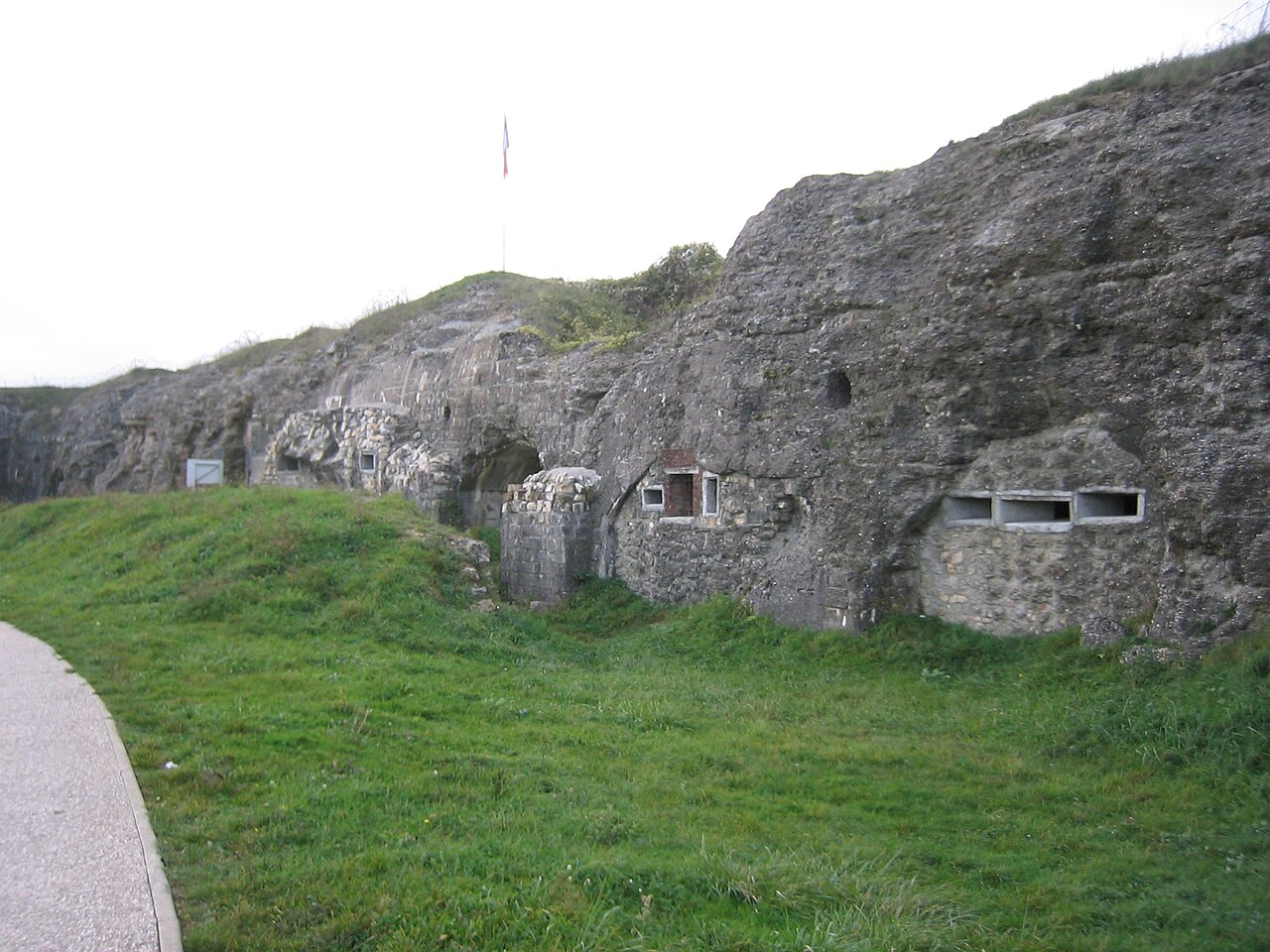
Today, Fort Vaux stands as a well-preserved monument to the endurance and sacrifice of its defenders. Visitors can explore the extensive underground galleries, barracks, and artillery positions through guided tours that provide insight into the fort's military architecture and its dramatic role in World War I. Visible damage from the 1916 battle remains in parts of the structure, offering a tangible connection to the fort's historical significance.
Historical and cultural significance
Fort Vaux is not only a military fortification but also a symbol of national pride and resilience. Its defense during the Battle of Verdun exemplifies the determination of the French forces in one of the longest and bloodiest battles of the First World War. The fort's architecture reflects the transition from 19th-century fortification design to modern warfare adaptations, incorporating reinforced concrete and underground facilities to withstand artillery advances.
Its preservation and accessibility contribute to public understanding of World War I history and military engineering. Fort Vaux remains an important destination for historians, military enthusiasts, and tourists interested in the heritage of Verdun and the broader context of European conflict in the early 20th century.
Frequently asked questions (FAQ)
- When was Fort Vaux built and what was its original purpose?
- Fort Vaux was built between 1881 and 1884 as part of the defensive ring around Verdun to protect the city from invasion.
- What role did Fort Vaux play in the Battle of Verdun?
- Fort Vaux was a key defensive position during the Battle of Verdun in 1916, known for its fierce defense under Major Sylvain-Eugene Raynal against German assaults.
- Can visitors explore the underground galleries of Fort Vaux?
- Yes, the well-preserved underground galleries and installations of Fort Vaux are open to the public through guided tours, offering insights into its wartime history.
- How did the fort withstand heavy artillery bombardment during WWI?
- Fort Vaux was modernized before WWI with reinforced concrete top protection, enabling it to survive shelling by large-caliber German artillery including 420mm howitzers.
- Is there visible damage from the 1916 battle at Fort Vaux?
- Yes, some damage from the intense fighting in June 1916 is still visible on the fort's superstructure, providing a direct link to its historical battle.
Photo gallery

Information
Loading map...
Visitor reviews
No reviews yet. Been here? Write the first review and help other travelers!
Write the first reviewVisited this castle? Share your experience
Your review helps other travelers and adds first-hand knowledge to our encyclopedia.