Fort Souville
Fort Souville, also briefly known as Fort Lemoine, is a historic bastioned fortress located in the commune of Fleury-devant-Douaumont, near the city of Verdun in France. Constructed between 1876 and 1879 as part of the first generation of modern fortifications, it was built to strengthen the defensive ring around Verdun, a strategic military hub. Sitting at an altitude of 396 meters, the fort was designed to control key approaches and provide artillery support to neighboring forts within the Verdun Fortification District.
Architectural design and defensive features
Fort Souville exemplifies the bastioned fortress style typical of late 19th-century military architecture. Its design incorporates angled bastions allowing overlapping fields of fire, which enhanced its defensive capabilities against infantry assaults and artillery bombardments. The fort's ramparts were equipped with 9 cannons and 5 mortars, supplemented by 8 additional artillery pieces positioned to deliver flanking fire, creating a formidable artillery network.
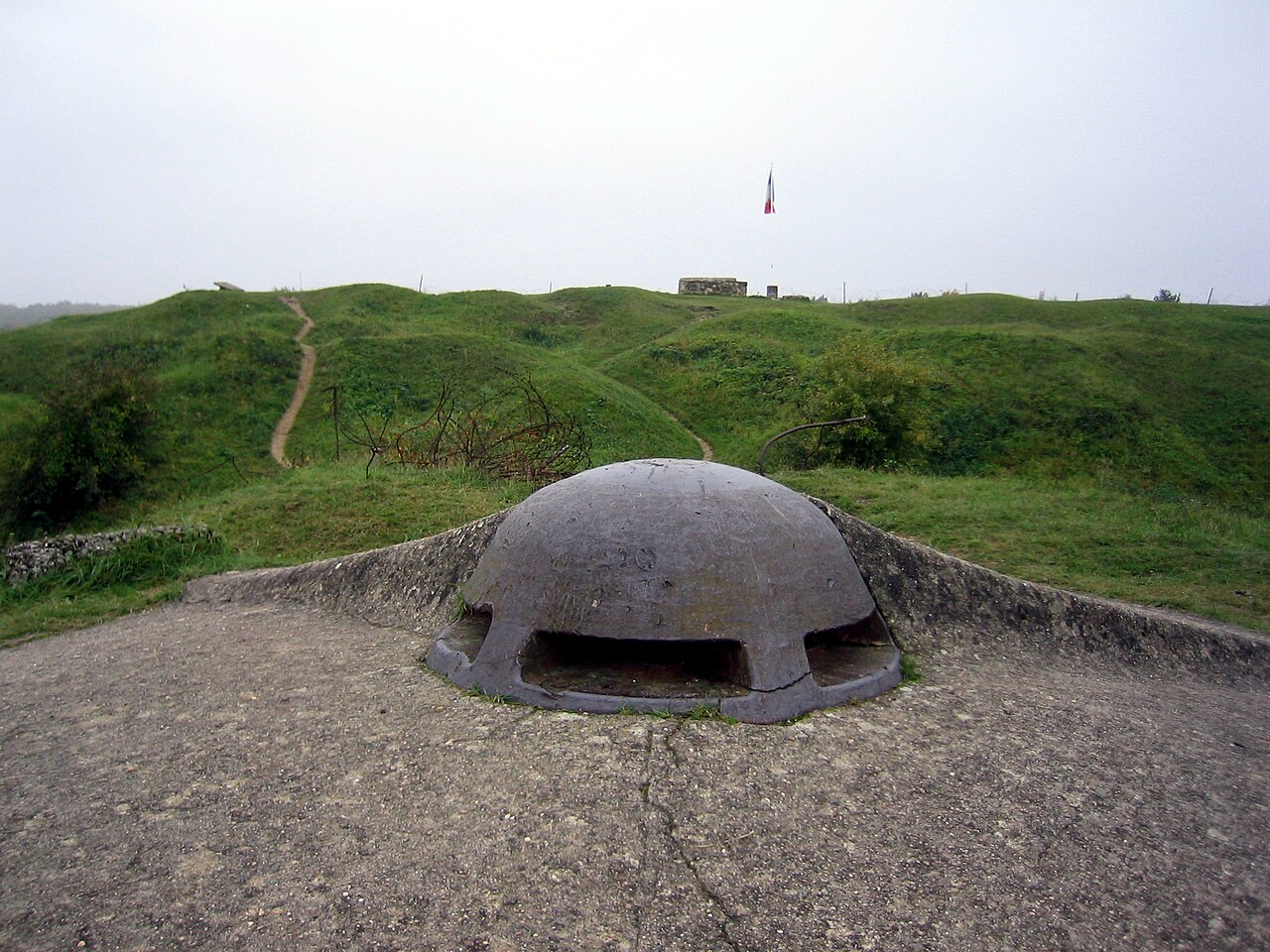
One notable feature was the inclusion of a Bussiere turret in an attached battery, a rotating armored gun turret that provided protected firing positions and increased the fort's ability to engage enemy targets while minimizing exposure of the gun crews. The fort's walls, ditches, and earthworks were engineered to absorb and deflect artillery fire, reflecting the evolving military engineering techniques of the period.
Historical significance during World War I
Fort Souville gained prominence during the 1916 Battle of Verdun, one of the longest and bloodiest battles of the First World War. The fort's strategic position made it a key objective for German forces attempting to break through the French defensive lines. Despite intense artillery barrages and infantry attacks, the fort's defenders managed to hold their ground, contributing significantly to the overall French resistance during the battle.
The fort's robust construction and well-coordinated artillery fire helped to repel multiple assaults, and its defense became symbolic of French determination. The battle inflicted heavy casualties on both sides, and Fort Souville's role is remembered as a critical part of the Verdun defensive system that ultimately prevented a German breakthrough.
Post-war condition and heritage status
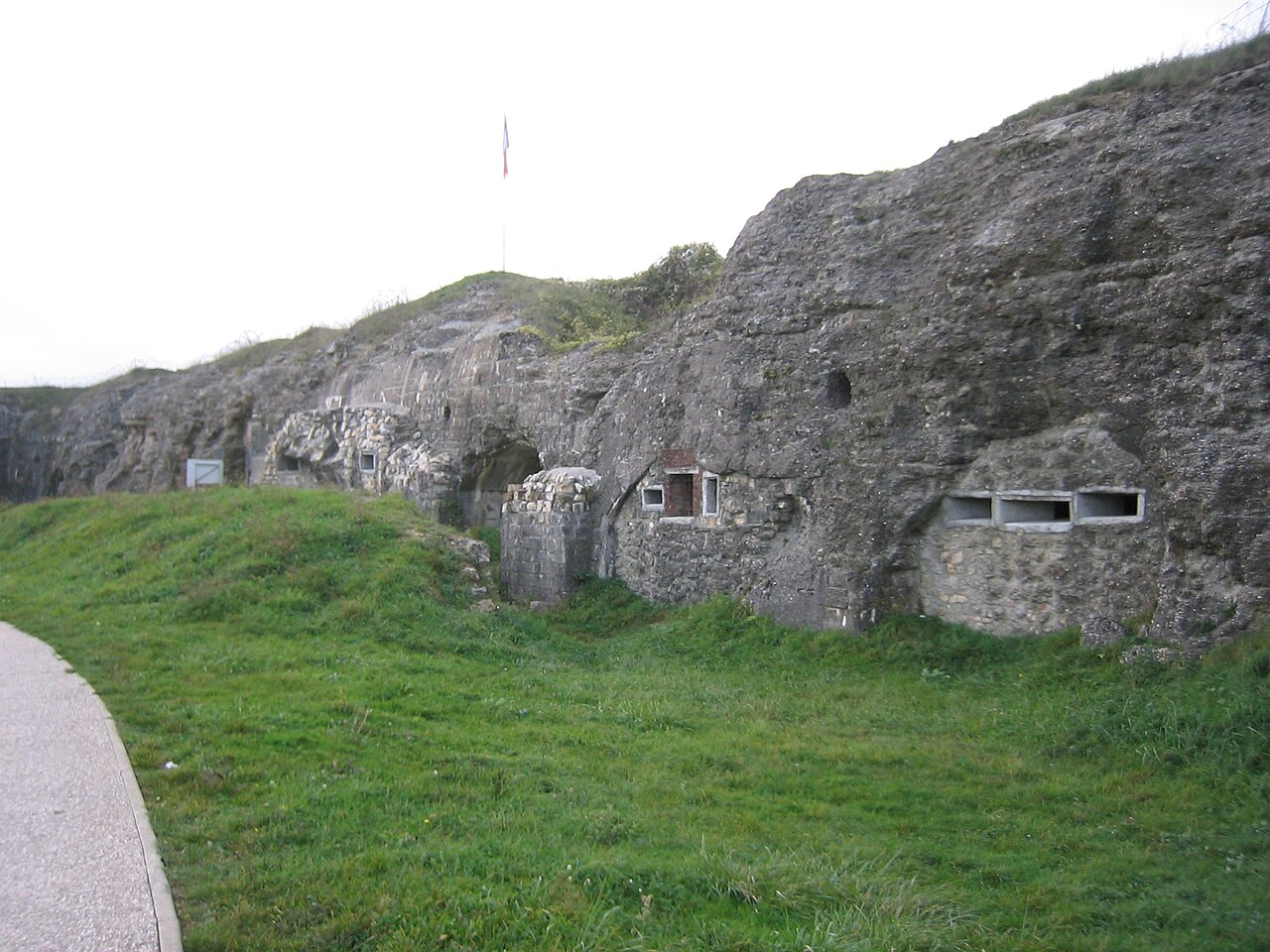
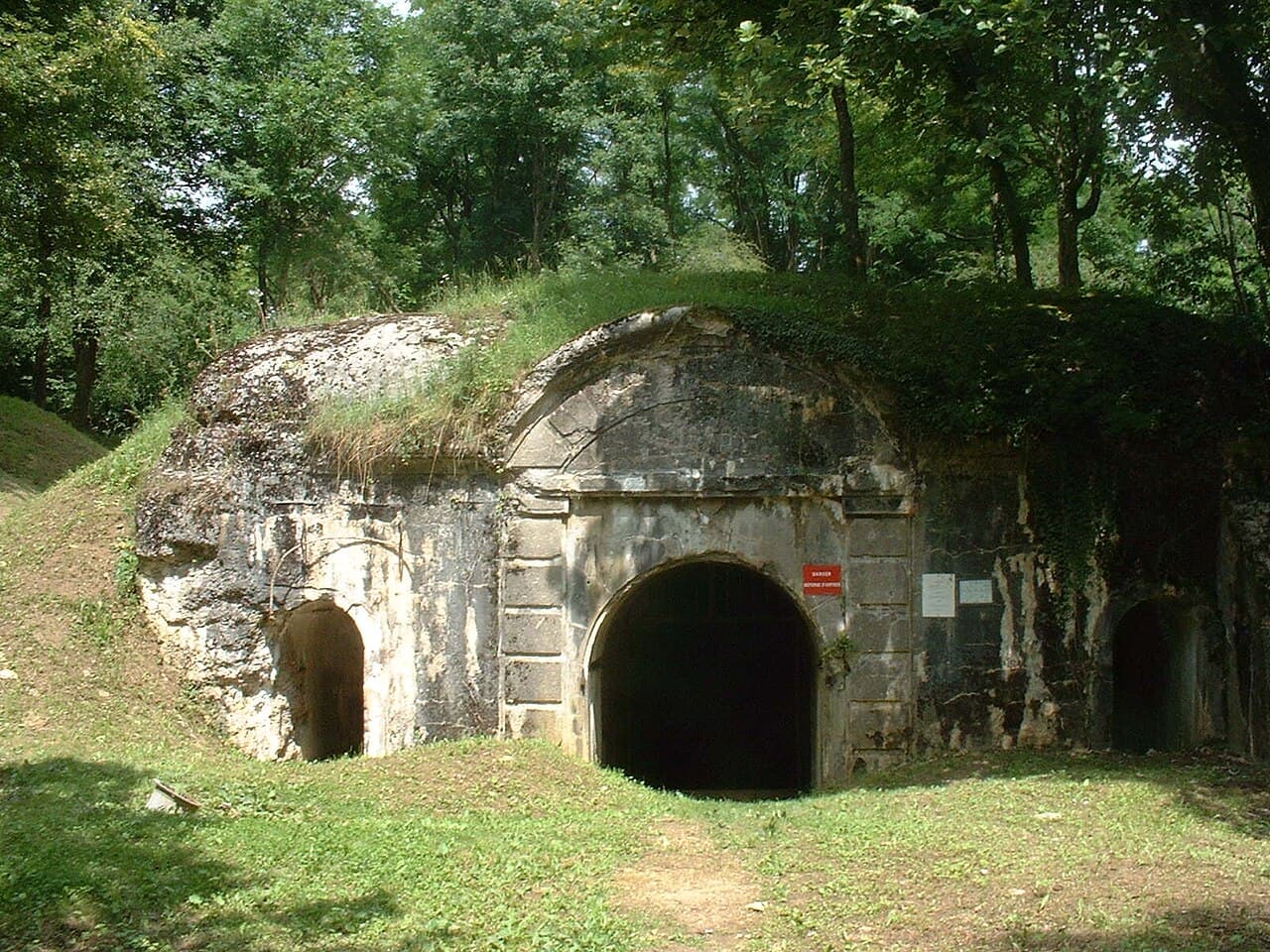
Today, Fort Souville remains a partially preserved military site, with some of its original structures and artillery emplacements still visible. It serves as a historical monument and a site of remembrance for those who fought during the Battle of Verdun. Visitors can explore the fort's remains, including its ramparts, ditches, and turret installations, gaining insight into the military architecture and battlefield conditions of the early 20th century.
The fort is managed as part of the Verdun battlefield heritage, attracting historians, military enthusiasts, and tourists interested in World War I history. Preservation efforts aim to maintain the site as a tangible connection to the past and to educate future generations about the sacrifices made during the war.
Geographical context and accessibility
Located in the region of Grand Est, Fort Souville is situated near the village of Fleury-devant-Douaumont, within the broader Verdun area. This location places it within a network of forts that formed the defensive perimeter around Verdun, including Fort Douaumont and Fort Vaux, which also played significant roles in World War I.
The fort is accessible to visitors interested in exploring the Verdun battlefield, with pathways and informational signage that provide historical context. Its elevated position offers views over the surrounding landscape, illustrating why it was strategically important for controlling movement in the region.
Frequently asked questions (FAQ)
- When was Fort Souville constructed?
- Fort Souville was constructed between 1876 and 1879 as part of the Verdun defensive fortifications.
- What role did Fort Souville play in World War I?
- Fort Souville was a key defensive position during the 1916 Battle of Verdun, helping to repel German attacks and protect the French lines.
- Can visitors explore Fort Souville today?
- Yes, Fort Souville is partially preserved and open to visitors who can explore its ramparts, artillery positions, and defensive structures.
- Where is Fort Souville located?
- Fort Souville is located in Fleury-devant-Douaumont, in the Grand Est region of France, near the city of Verdun.
- What architectural features characterize Fort Souville?
- The fort features bastioned walls, a Bussiere rotating turret, multiple artillery emplacements, and defensive earthworks typical of late 19th-century fortifications.
Photo gallery

Information
Loading map...
Visitor reviews
No reviews yet. Been here? Write the first review and help other travelers!
Write the first reviewVisited this castle? Share your experience
Your review helps other travelers and adds first-hand knowledge to our encyclopedia.