Fort Stevens
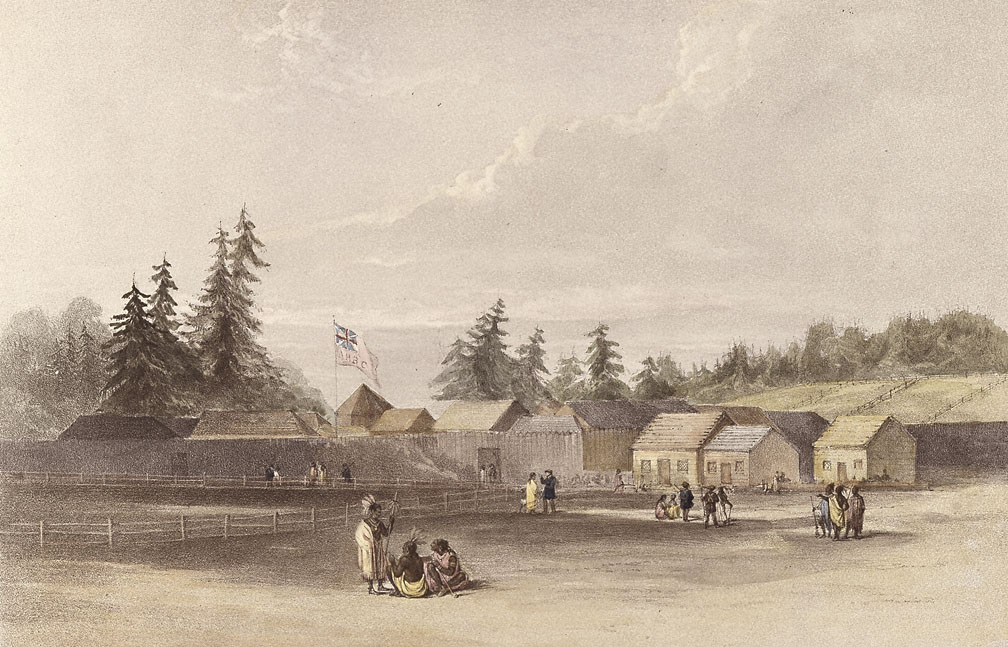
Fort Stevens is a historic American military installation located near the mouth of the Columbia River in the state of Oregon. Constructed during the 19th century near the end of the American Civil War, the fort was named after Isaac I. Stevens, a Civil War general and former governor of the Washington Territory. Its strategic location was chosen to protect the vital river entrance and the surrounding coastal region from potential naval threats.
Historical significance and military role
Fort Stevens served as an active military reservation from 1863 to 1947, playing a crucial role in the coastal defense system of the United States. Initially constructed to defend against Confederate naval forces during the Civil War, its purpose evolved over the decades to guard against threats during both World Wars. The fort was part of the broader network of coastal fortifications designed to secure the Pacific Northwest's maritime approaches.
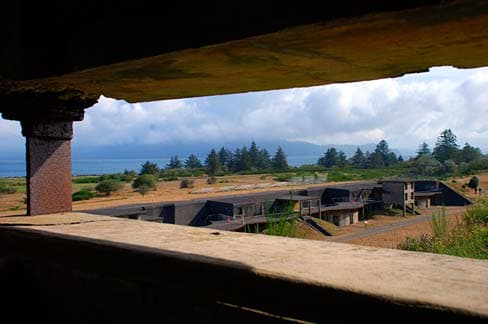
During World War II, Fort Stevens was notably one of the few military installations on the U.S. mainland to come under enemy fire. In June 1942, it was shelled by a Japanese submarine, marking a rare instance of direct attack on American soil during the war. The fort's defenses, including its bastioned fortress design with reinforced concrete batteries and gun emplacements, were instrumental in protecting the coastline.
Architectural and structural features
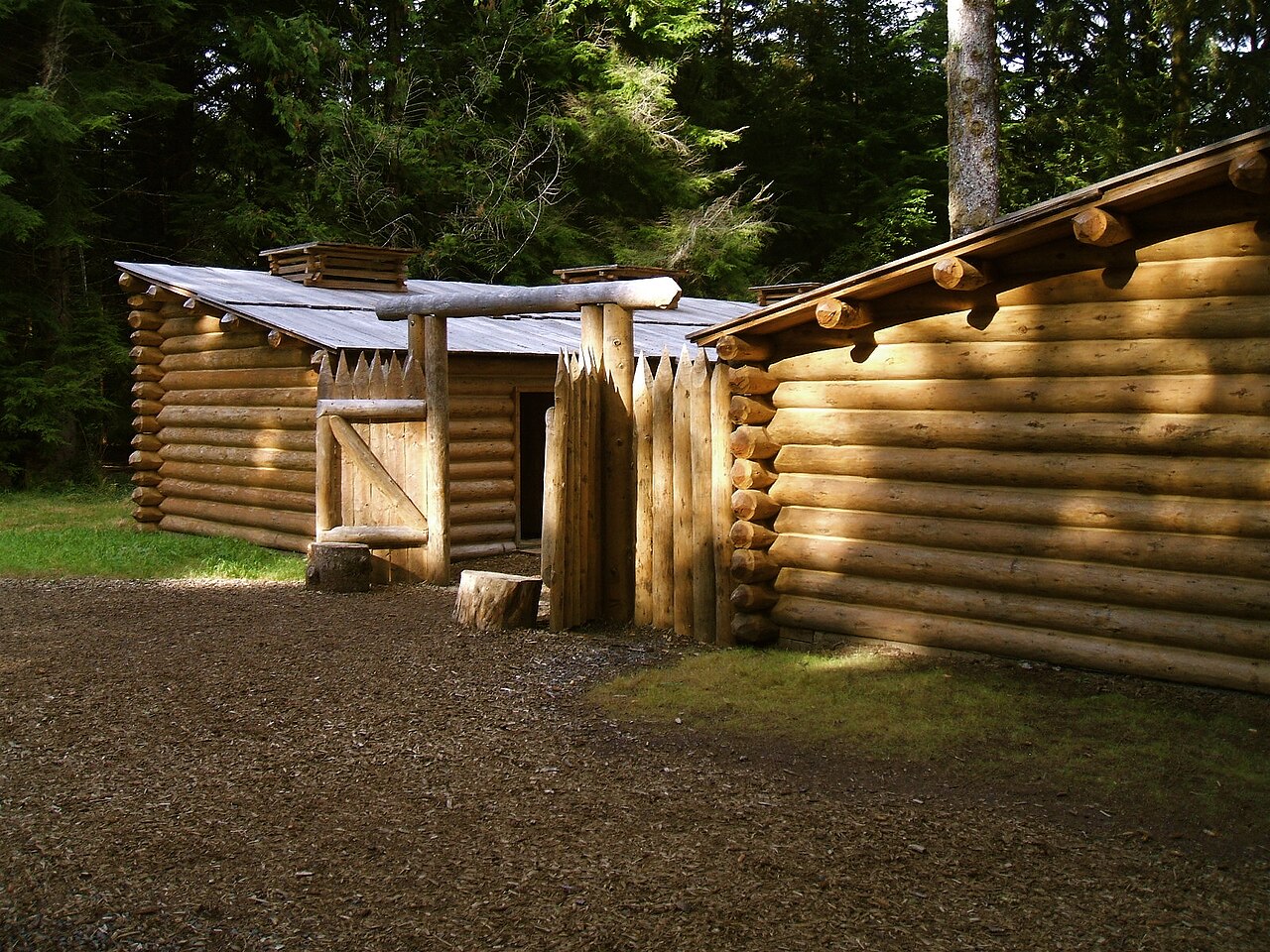
Fort Stevens exemplifies a bastioned fortress type of military architecture, characterized by angled bastions that allowed for overlapping fields of fire to cover the approaches by sea and land. The fort's design incorporated multiple gun batteries, concrete bunkers, and artillery emplacements constructed over various periods to adapt to advancing military technology.
The fort's layout included extensive underground tunnels and magazines for ammunition storage, as well as barracks and support buildings to accommodate the garrison. Its coastal position was enhanced by natural features and man-made defenses such as moats and earthworks that reinforced its protection against amphibious assaults.
Post-military use and preservation
After its decommissioning in 1947, Fort Stevens was transferred to state ownership and transformed into a state historic park. The site is now managed by the Oregon Parks and Recreation Department and is listed on the National Register of Historic Places. Visitors can explore well-preserved sections of the fort, including gun batteries, observation posts, and remnants of the barracks.
The park offers educational programs and interpretive displays that highlight the fort's military history and its role in coastal defense. The natural surroundings, including beaches and dunes, complement the historical experience, making Fort Stevens a popular destination for both history enthusiasts and outdoor recreation.
Visitor information and accessibility
Fort Stevens State Historic Park is located just northwest of Warrenton, Oregon. It is accessible year-round, with facilities that accommodate a range of activities from historical tours to camping and hiking. The park's preserved fortifications provide insight into 19th and 20th-century military engineering and coastal defense strategies.
Visitors can walk along the perimeter walls, explore the underground tunnels, and view the artillery positions that once guarded the Columbia River. The site also features a military museum with exhibits on the fort's operational history and the broader context of U.S. coastal defenses.
Photo gallery

Photo by Gary Halvorson, Oregon State Archives•Attribution
Information
Loading map...
Visitor reviews
No reviews yet. Been here? Write the first review and help other travelers!
Write the first reviewVisited this castle? Share your experience
Your review helps other travelers and adds first-hand knowledge to our encyclopedia.