Fort Clatsop
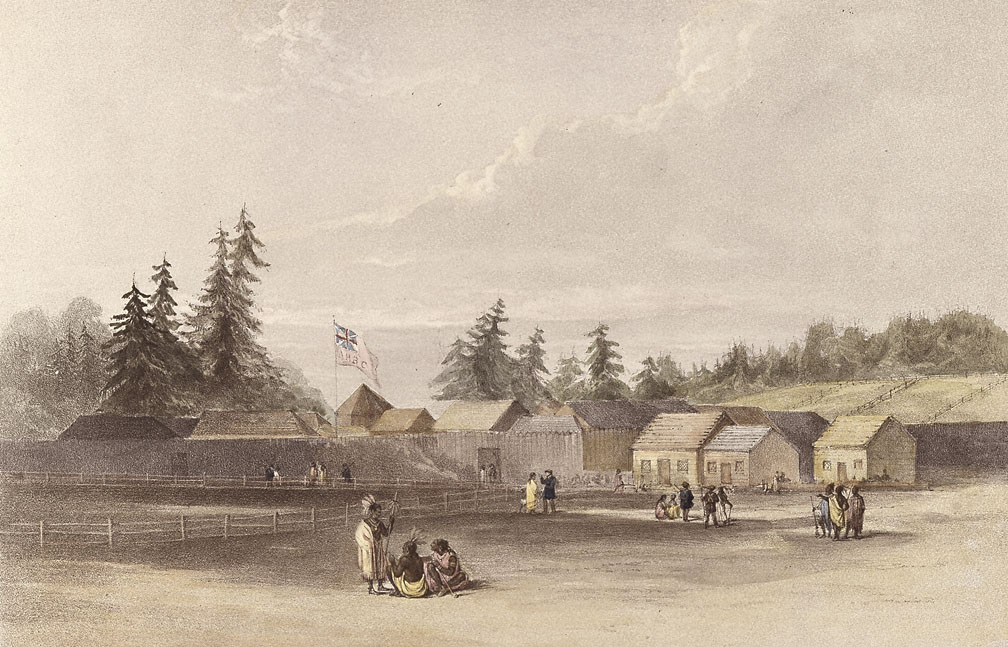
Fort Clatsop served as the winter encampment for the Lewis and Clark Expedition during the winter of 1805–1806 in the Oregon Country, near the mouth of the Columbia River. This historic site is located along the Lewis and Clark River, at the northern end of the Clatsop Plains, approximately 5 miles southwest of Astoria, Oregon. Fort Clatsop was the final encampment of the Corps of Discovery before the expedition members began their return journey eastward to St. Louis.
Construction and purpose of Fort Clatsop
The fort was constructed in a remarkably short period, taking just over three weeks to complete. The expedition members built the fort starting in early December 1805, and it became their home from December 8, 1805, until their departure on March 23, 1806. The primary purpose of Fort Clatsop was to provide shelter and protection during the harsh winter months while the expedition members prepared for their journey back east.
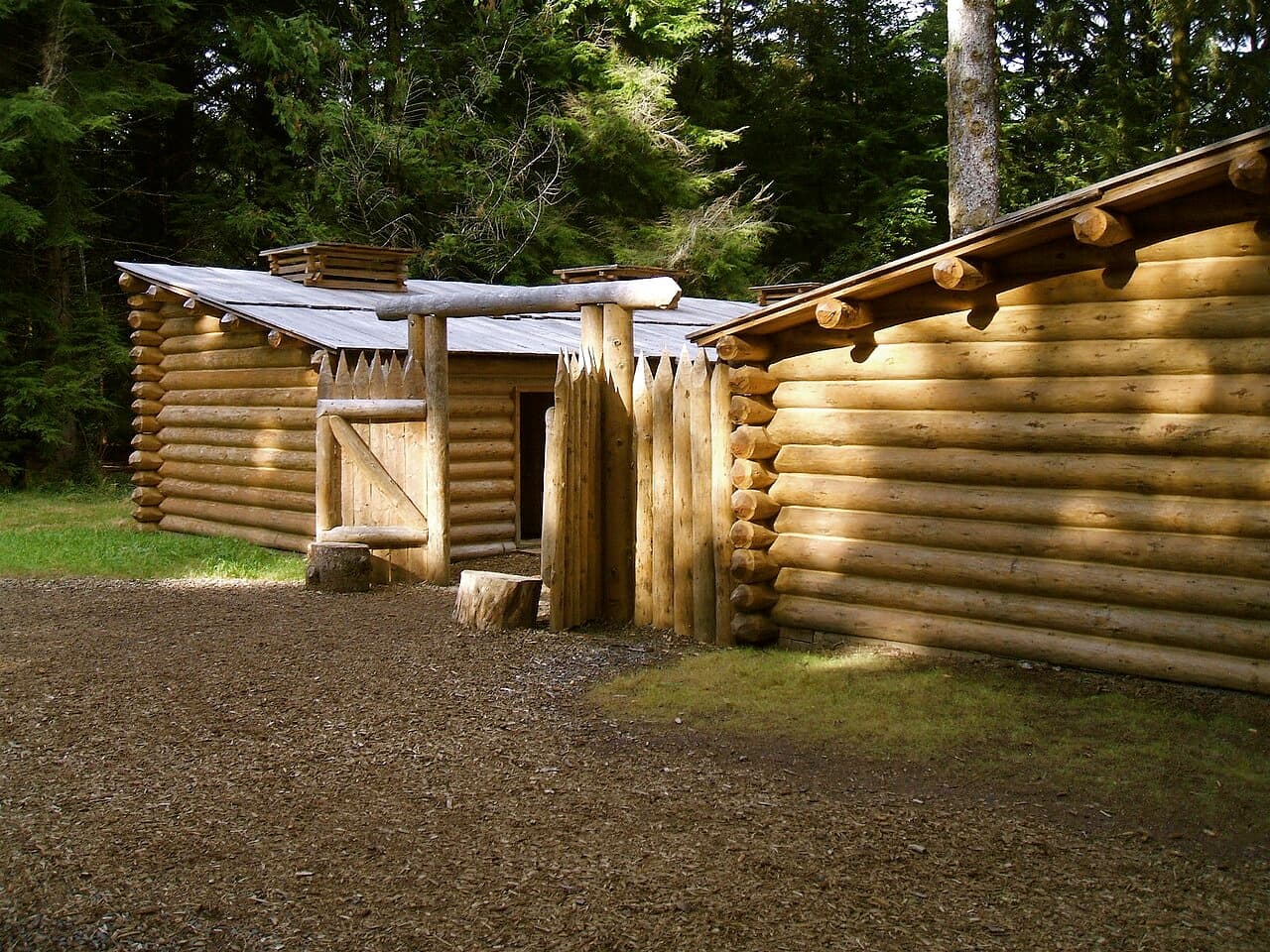
The fort was designed as a simple, functional structure made from local timber, reflecting the practical needs of the expedition. It consisted mainly of a stockade with log walls enclosing living quarters and storage spaces. The construction style was typical of early American frontier forts, emphasizing defense and shelter rather than elaborate architecture.
Historical significance and legacy
Fort Clatsop holds a significant place in American history as the site where the Lewis and Clark Expedition spent the winter during their groundbreaking exploration of the western territories of the United States. The expedition, commissioned by President Thomas Jefferson, aimed to map the newly acquired lands from the Louisiana Purchase, establish trade with Native American tribes, and find a practical route to the Pacific Ocean.
The fort’s location near the Pacific coast allowed the expedition members to document the environment, flora, fauna, and indigenous peoples of the region. Their detailed journals provide valuable historical and ethnographic information about the Pacific Northwest in the early 19th century.
Preservation and reconstruction efforts
The original Fort Clatsop did not survive the wet climate of the Pacific Northwest and eventually decayed. However, the site was preserved as part of the Lewis and Clark National Historical Park. In 1955, a replica of the fort was constructed based on sketches and descriptions from the expedition journals, particularly those of William Clark.
This replica stood for fifty years but was severely damaged by a fire in October 2005, shortly before the bicentennial celebration of the expedition. In response, a new replica was built in 2006 by approximately 700 volunteers. This reconstruction aimed to be more rustic and faithful to the original fort's simple frontier style. The new Fort Clatsop replica was dedicated on December 9, 2006, and continues to serve as a cultural and educational site operated by the National Park Service.
Architectural characteristics and site layout
Fort Clatsop was a bastioned fortress in a practical sense, featuring a stockade with bastions at the corners to provide defensive positions. The fort's layout was compact, with interconnected log buildings inside the enclosure, including the main living quarters, a kitchen, and storage areas.
The construction utilized abundant local timber, with logs carefully notched and stacked to form sturdy walls. The roof was likely covered with bark or wooden shingles. The fort was surrounded by a palisade wall, designed to protect the inhabitants from wildlife and potential threats, though the primary concern was shelter from the elements during winter.
Visiting Fort Clatsop today
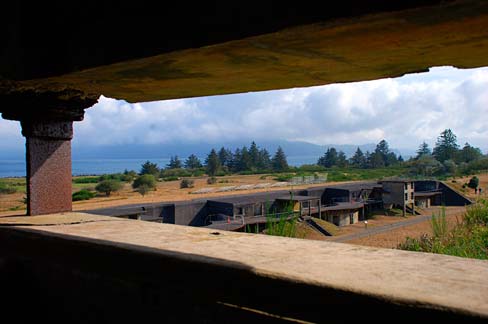
Today, Fort Clatsop is a key component of the Lewis and Clark National Historical Park, offering visitors a chance to experience a reconstructed version of this historic winter camp. The site includes interpretive exhibits, trails, and educational programs that highlight the expedition's achievements and challenges.
The fort replica and surrounding park provide insights into early 19th-century exploration, indigenous cultures, and frontier life. Visitors can explore the stockade, learn about the expedition's daily routines, and understand the significance of this site in American history.
Frequently asked questions (FAQ)
- When was Fort Clatsop originally built?
- Fort Clatsop was originally constructed in December 1805 by the Lewis and Clark Expedition as their winter encampment.
- What is the significance of Fort Clatsop in American history?
- Fort Clatsop served as the winter camp for the Lewis and Clark Expedition during 1805-1806, marking the end of their westward exploration and documenting the Pacific Northwest.
- Can visitors tour the reconstructed Fort Clatsop today?
- Yes, the reconstructed Fort Clatsop is open to the public as part of the Lewis and Clark National Historical Park, offering educational programs and exhibits.
- How was the original Fort Clatsop constructed?
- The original fort was built quickly using local timber, featuring a stockade with bastions, log walls, and simple frontier-style buildings for shelter and defense.
- Why was the fort rebuilt in 2006?
- The 1955 replica of Fort Clatsop was severely damaged by fire in 2005, prompting a volunteer-led reconstruction that opened in 2006 with a more rustic design.
Photo gallery

Information
Current owner
National Park Service
Loading map...
Visitor reviews
No reviews yet. Been here? Write the first review and help other travelers!
Write the first reviewVisited this castle? Share your experience
Your review helps other travelers and adds first-hand knowledge to our encyclopedia.