Fort St. Joseph (Niles, Michigan)
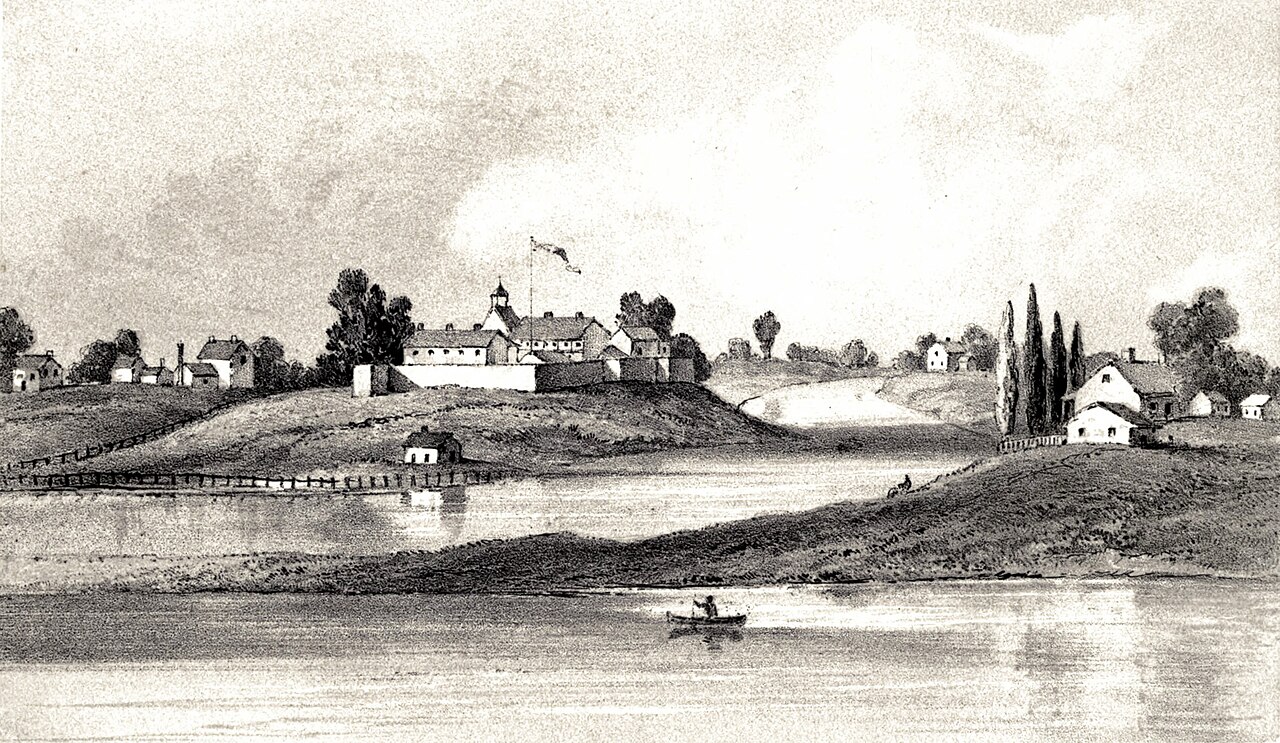
Fort St. Joseph was a strategically important bastioned fortress established in the late 17th century by the French on land granted to the Jesuits by King Louis XIV. Located on the south side of what is now Niles, Michigan, the fort served as a vital trading post and military outpost at the southern end of Lake Michigan. Its position at the confluence of major Native American trails—the Old Sauk Trail and the Grand River Trail—and near the Saint Joseph River made it a key hub for commerce and cultural exchange between European settlers and local Native American tribes, primarily the Potawatomi and Miami.
Founding and early mission work
The establishment of Fort St. Joseph was closely linked to the Jesuit missionary efforts in the region. Père Claude-Jean Allouez founded the Mission de Saint-Joseph in the 1680s, ministering to the indigenous communities and fostering alliances that would support the French colonial presence. The mission and fort were part of France's broader strategy to control the fur trade and expand its influence in North America during the Renaissance period of colonial expansion.
Architectural and strategic features
Constructed in 1691, Fort St. Joseph was designed as a bastioned fortress, a style characterized by angular bastions projecting from the curtain walls to provide overlapping fields of fire against attackers. This military architecture was typical of the period and reflected European advances in fortification design adapted to the North American frontier. The fort included defensive walls, corner bastions, and internal buildings such as a blacksmith's workshop, a chapel served by a Catholic priest, and quarters for soldiers and traders.
Role in the fur trade and colonial conflicts
Fort St. Joseph quickly became a significant center for the fur trade, facilitating commerce between French traders and Native American trappers. Its garrison was modest but functional, consisting of around 10 soldiers, a commandant, a blacksmith, a priest, an interpreter, and approximately 15 households engaged in trade and support activities.
During the French and Indian War (the North American theater of the Seven Years' War), the fort was a strategic asset for the French. After the war, the British took control of the fort and continued to use it to maintain alliances with Native American tribes and support their fur trading interests. The fort played a role in the American Revolutionary War, serving as a supply base for British and allied Native American forces opposing the American Continental Army.
Later history and decline
In 1781, the fort was briefly raided by Spanish forces who claimed the area and the St. Joseph River as part of their territory. Despite this, the British maintained control until after the Northwest Indian War and the signing of Jay's Treaty in 1795, which settled the northern border between the United States and British Canada. Following the British abandonment, the fort fell into ruin and was reclaimed by the surrounding forest.
Archaeological rediscovery and preservation
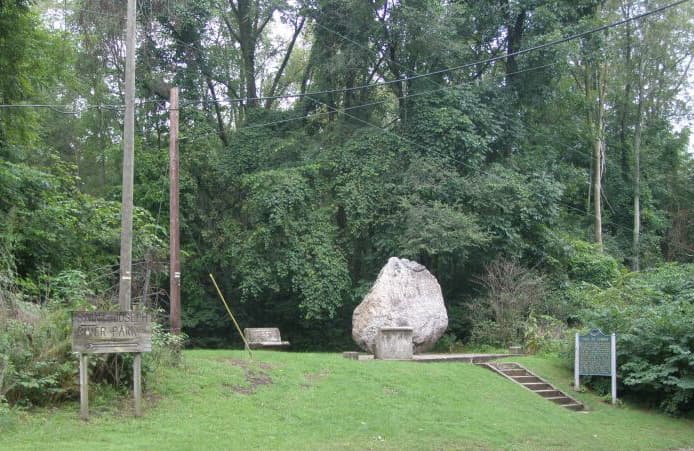
The site of Fort St. Joseph was lost to history until its rediscovery in 1998. Since 2002, ongoing archaeological excavations have uncovered significant artifacts and structural remains, including a rare intact Jesuit religious medallion from the 1730s, one of only two found in North America. In 2010, archaeologists revealed a foundation wall and corner posts of one of the original fort buildings, shedding light on the fort's layout and construction techniques.
The site is recognized for its historical and cultural importance and is listed on the National Register of Historic Places as well as being a state-registered historic site. It offers valuable insights into colonial military architecture, Native American-European relations, and the fur trade economy in the Great Lakes region.
Legacy and significance
Fort St. Joseph represents a key chapter in the history of European colonization in the American Midwest. Its role as a bastioned fortress and trading post reflects the military and economic strategies of the French and British empires in North America. The fort’s interactions with Native American tribes, its involvement in major conflicts such as the French and Indian War and the American Revolutionary War, and its archaeological rediscovery contribute to our understanding of early colonial frontier life and cross-cultural dynamics.
Today, Fort St. Joseph remains an important archaeological and heritage site, attracting scholars and visitors interested in the complex history of colonial America, indigenous peoples, and military architecture.
Frequently asked questions (FAQ)
- How do I visit Fort St. Joseph in Niles, Michigan?
- Fort St. Joseph is accessible to the public through guided tours organized by local historical societies and the state museum. Visitors should check seasonal schedules and book tours in advance as access to the archaeological site is controlled to preserve its integrity.
- What is the historical significance of Fort St. Joseph?
- Fort St. Joseph was a crucial French and later British bastioned fortress and trading post that played a key role in the fur trade and colonial conflicts in the Great Lakes region during the 17th and 18th centuries.
- When was Fort St. Joseph built and by whom?
- The fort was constructed in 1691 by the French on land granted to Jesuit missionaries by King Louis XIV, serving both military and missionary purposes.
- Can I see archaeological discoveries at the site?
- Yes, ongoing archaeological excavations have uncovered foundations and rare artifacts, including a Jesuit religious medallion, which are sometimes displayed during special events and tours.
- Why is Fort St. Joseph considered a bastioned fortress?
- Fort St. Joseph was designed with angular bastions projecting from its walls to provide overlapping fields of fire, a hallmark of bastioned fortress design typical of the Renaissance period's military architecture.
Photo gallery

Information
Current owner
State museum
Loading map...
Visitor reviews
No reviews yet. Been here? Write the first review and help other travelers!
Write the first reviewVisited this castle? Share your experience
Your review helps other travelers and adds first-hand knowledge to our encyclopedia.