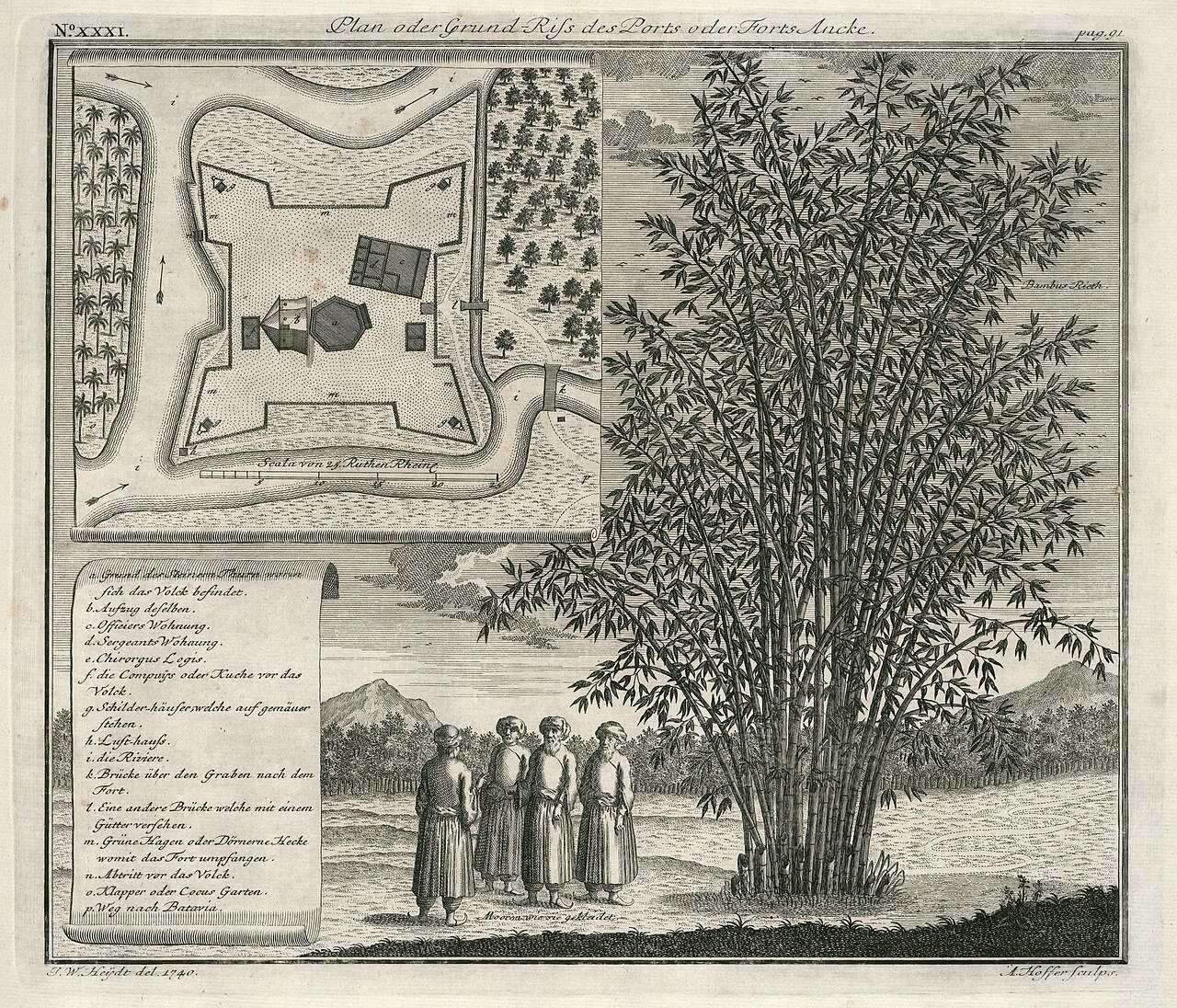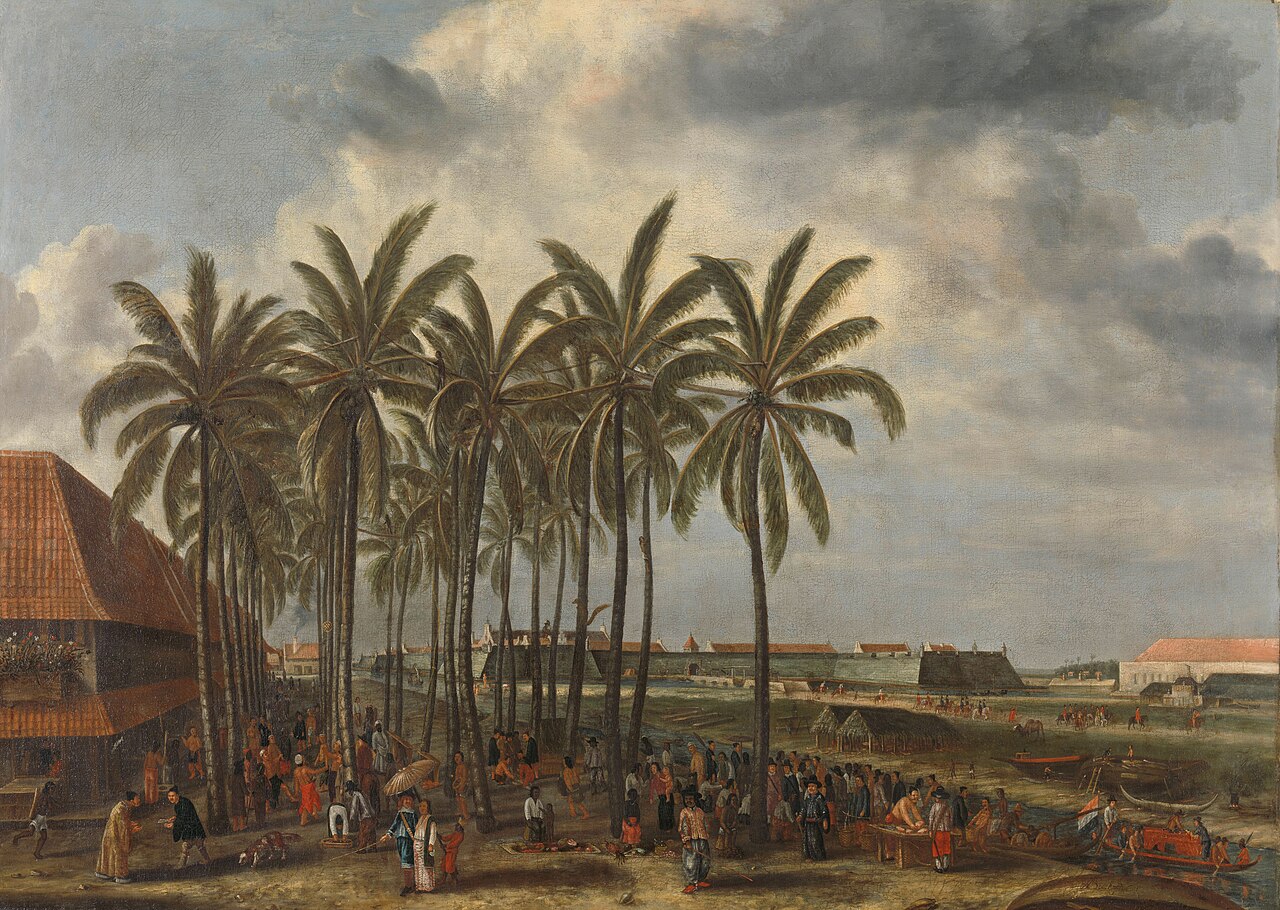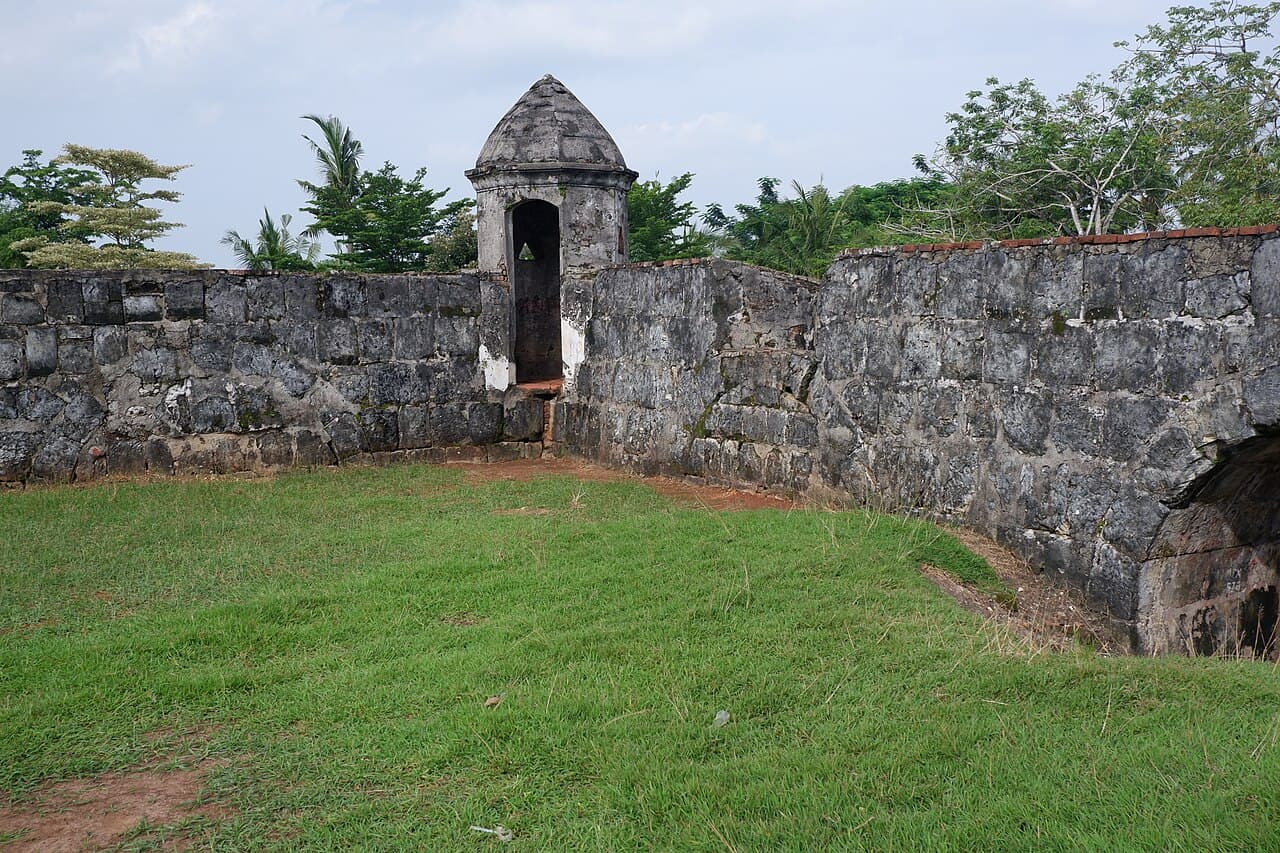
Fort Speelwijk is a notable example of a bastioned fortress located in Indonesia. This type of fortress is characterized by angular bastions projecting from the main walls, designed to provide overlapping fields of fire and eliminate blind spots in defense. Built during the colonial period, Fort Speelwijk reflects the military architectural strategies employed by European powers in Southeast Asia to secure strategic coastal positions and control maritime routes.
Historical context and significance
Fort Speelwijk was constructed as part of the colonial efforts to establish and maintain control over important trading routes and territories in the Indonesian archipelago. The fortress served as a military stronghold to defend against rival colonial powers and local resistance. Its strategic location allowed it to oversee and protect nearby waterways, which were vital for commerce and naval operations during the period of European expansion in the region.
Architectural features of Fort Speelwijk
Bastioned design
The defining feature of Fort Speelwijk is its bastioned layout, a hallmark of early modern military architecture. The bastions are angular projections that extend from the main curtain walls, enabling defenders to cover adjacent walls with cannon and musket fire. This design minimized dead zones and improved the fort's defensive capabilities against siege warfare and artillery bombardment.
Construction materials and techniques
The fortress was primarily constructed using locally sourced materials, including stone and brick, combined with lime mortar. The walls were thick and robust to withstand cannon fire, and the bastions were reinforced to absorb and deflect attacks. The use of sloping walls and angled bastions reflects the influence of European military engineering principles adapted to the tropical environment of Indonesia.
Defensive elements and layout
Fort Speelwijk features a moat and a series of ramparts designed to slow and expose attacking forces. The entrance was typically guarded by a gatehouse with defensive structures such as portcullises and murder holes. Inside, the fort contained barracks, storage facilities for ammunition and provisions, and command quarters. The layout was planned to maximize defense while accommodating the needs of a garrisoned force.
Role in regional history
Throughout its active use, Fort Speelwijk played a key role in the military and political dynamics of the region. It was involved in various conflicts between colonial powers vying for dominance in Southeast Asia and served as a base for operations against local uprisings. The fortress's presence contributed to the establishment of colonial order and facilitated control over trade routes critical to the economy of the colonial administration.
Current condition and preservation
Today, Fort Speelwijk stands as a partially preserved bastioned fortress. While some sections of the walls and bastions remain intact, other parts have suffered from natural decay and human activity over the centuries. Efforts to preserve and restore the fortress have been undertaken to maintain its historical and architectural significance. It is recognized as an important cultural heritage site that offers insight into the colonial military architecture and history of Indonesia.
Visiting Fort Speelwijk
Visitors to Fort Speelwijk can explore the remaining structures and gain an understanding of the fortress's strategic design and historical context. The site provides a tangible connection to the colonial past and the military technologies of the era. Interpretive signage and guided tours may be available to enhance the visitor experience, highlighting the architectural details and historical narratives associated with the fortress.
Frequently asked questions (FAQ)
- What is the historical significance of Fort Speelwijk?
- Fort Speelwijk served as a strategic bastioned fortress during the colonial period in Indonesia, protecting important trade routes and coastal areas from rival powers and local resistance.
- What architectural features define Fort Speelwijk?
- The fortress is characterized by its bastioned design with angular projections, thick stone walls, a moat, and defensive structures such as a gatehouse and ramparts.
- Is Fort Speelwijk open to visitors?
- Fort Speelwijk is partially preserved and may be accessible to visitors interested in exploring its historical and architectural features, though visiting conditions can vary.
Photo gallery

Information
Loading map...
Visitor reviews
No reviews yet. Been here? Write the first review and help other travelers!
Write the first reviewVisited this castle? Share your experience
Your review helps other travelers and adds first-hand knowledge to our encyclopedia.