Fort San Pedro
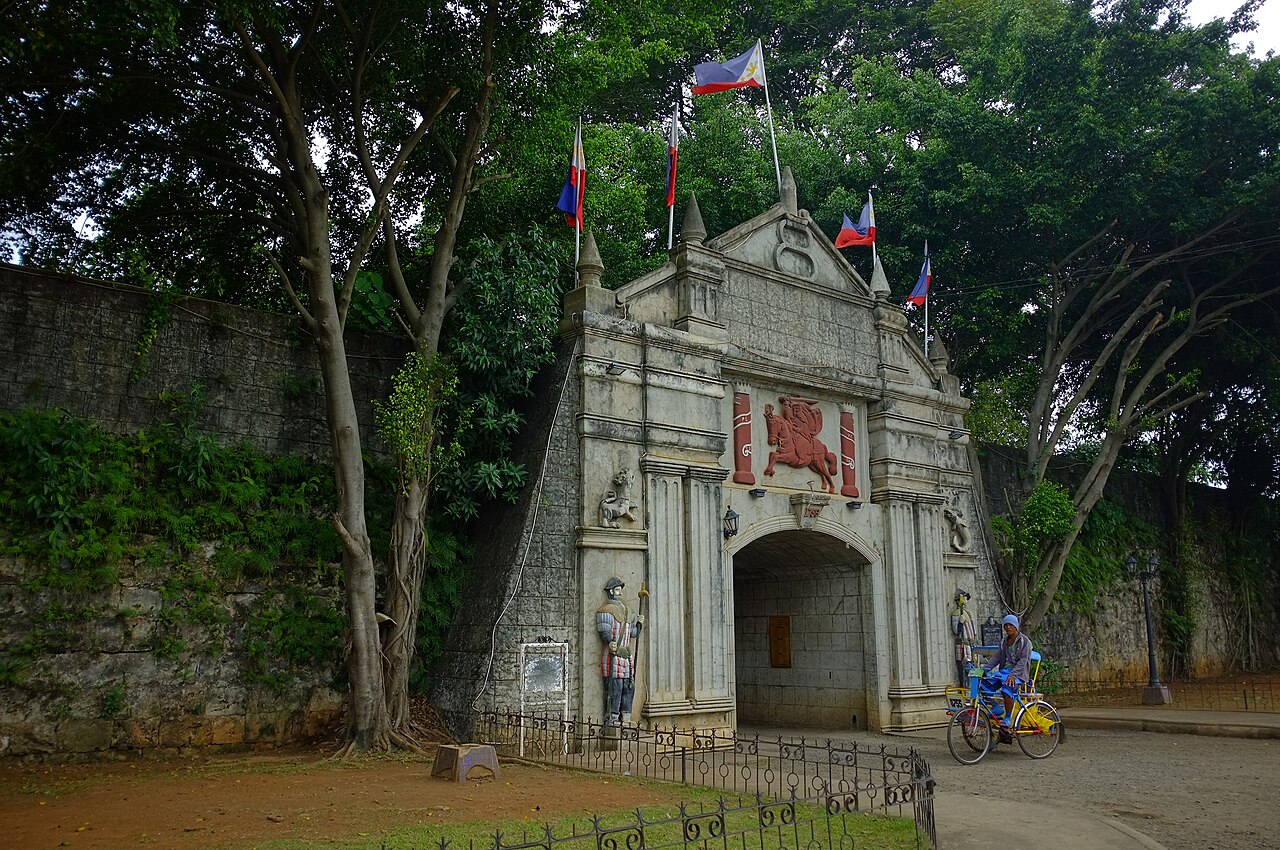
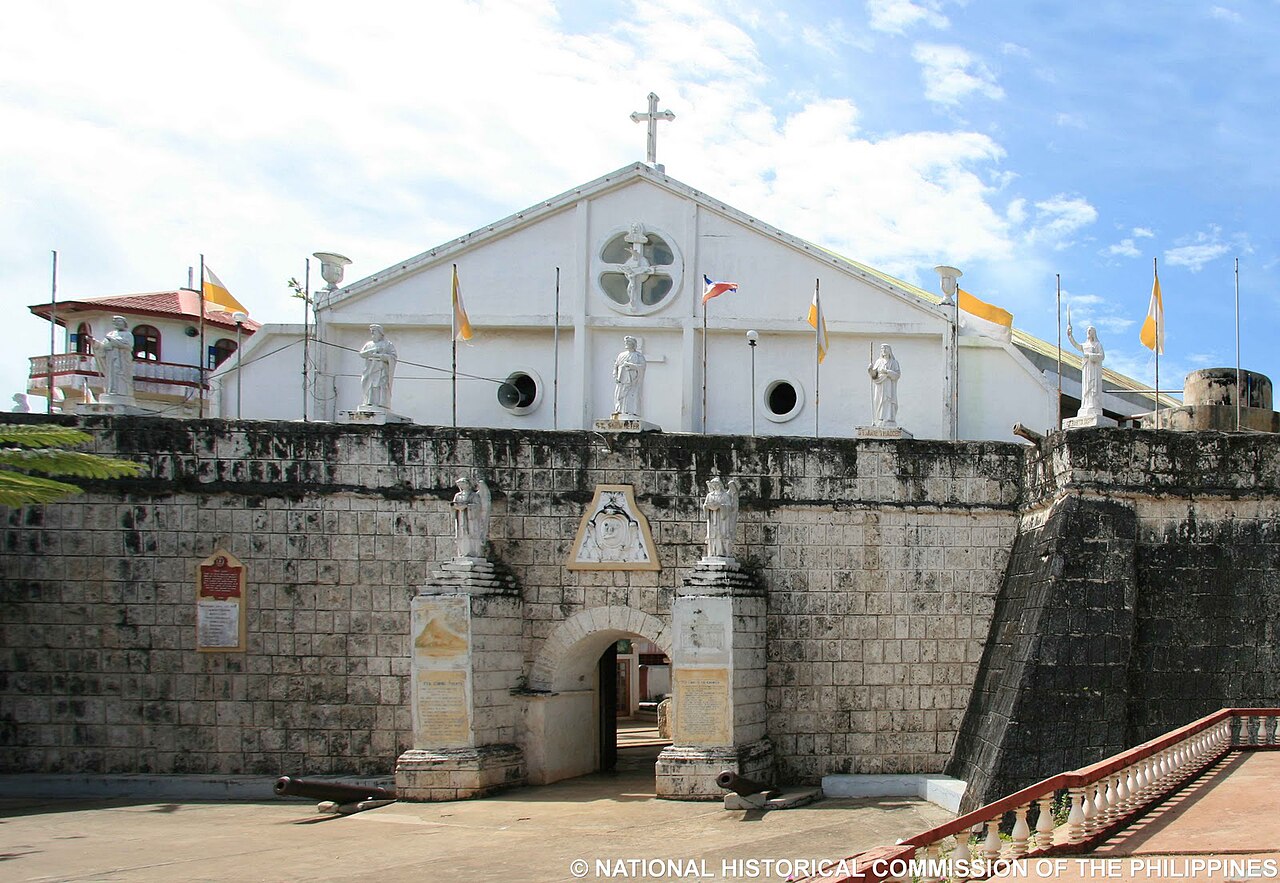
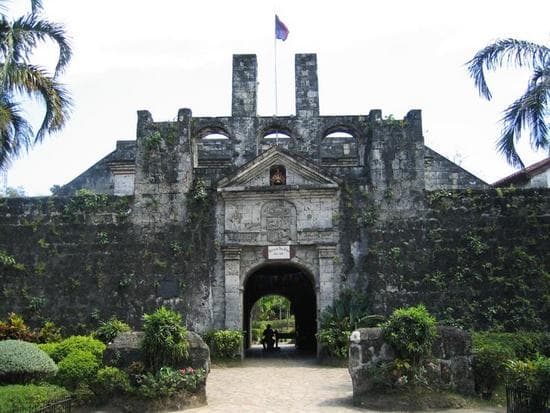
Fort San Pedro, also known as Fuerte de San Pedro in Spanish and Moog ng San Pedro in Filipino, is a significant military defense structure located in Cebu City, Philippines. It was originally built by the Spanish under the command of Miguel López de Legazpi, the first governor of the Captaincy General of the Philippines, shortly after his expedition arrived in the archipelago in 1565. The fort occupies a strategic position in what is now known as Plaza Independencia, near the pier area of Cebu City, marking it as a key site in the early colonial history of the Philippines.
Early construction and strategic importance
The initial construction of Fort San Pedro was a simple wooden palisade, erected soon after Legazpi's arrival to establish a defensive foothold against local and foreign threats. This early fortification was primarily intended to protect the fledgling Spanish settlement from raids by indigenous groups and Muslim pirates known as Moros, who frequently attacked coastal communities in the Visayas region.
In the early 17th century, recognizing the need for a more durable defense, the Spanish authorities replaced the wooden structure with a stone fort. This transition to stone construction was part of a broader Spanish colonial strategy to fortify their overseas territories. The stone fort was designed to repel attacks and safeguard the Spanish colonial administration and settlers.
Architectural features and design
Fort San Pedro is distinguished as the oldest triangular bastion fort in the Philippines. The fort's layout is a small triangular plan with three bastions at each corner, allowing defenders to cover all approaches with overlapping fields of fire. This design reflects the Renaissance military architectural principles that emphasized bastioned fortifications capable of withstanding artillery sieges.
The fort's walls are constructed from coral stones and bricks, materials commonly used in Spanish colonial fortifications in the Philippines due to their availability and durability. The bastions are low and thick, designed to absorb cannon fire, and the fort originally included a moat and drawbridge for added defense. Inside the fort, there were barracks, a chapel, armories, and storage facilities, making it a self-sufficient military outpost.
Modifications over time
The present structure of Fort San Pedro largely dates from 1738, reflecting renovations and reinforcements made to maintain its defensive capabilities. Over the centuries, the fort has undergone several modifications to adapt to changing military technology and threats. Despite these changes, the fort has retained its original triangular bastioned layout, which is rare in the Philippines.
Historical significance and military role
Fort San Pedro played a central role in the Spanish colonial defense system in the Visayas. It served as the nucleus of the first Spanish settlement in Cebu, which was one of the earliest European footholds in the Philippines. The fort protected Spanish interests against local uprisings, pirate raids, and foreign invasions.
During the Philippine Revolution against Spanish rule in the late 19th century, Fort San Pedro was attacked and captured by Filipino revolutionaries. It then served as a stronghold for revolutionary forces, symbolizing the struggle for Philippine independence.
Later, during the Philippine-American War and World War II, the fort was used by American and Japanese forces, respectively, reflecting its continued strategic importance.
Current status and cultural heritage
Today, Fort San Pedro stands as a well-preserved historical monument and tourist attraction in Cebu City. It is managed as a cultural heritage site, showcasing Spanish colonial military architecture and Philippine history. Visitors can explore the fort's walls, bastions, and interior chambers, which display artifacts and exhibits related to its military past.
The fort's location within Plaza Independencia integrates it into the urban fabric of Cebu, making it accessible to locals and tourists alike. It remains a symbol of Cebu's colonial past and the resilience of the Filipino people.
Visitor information
The site is open to the public daily, offering guided tours that explain its history and architectural features. The fort is a popular destination for educational trips, history enthusiasts, and those interested in military architecture.
Frequently asked questions (FAQ)
- When was Fort San Pedro originally built?
- Fort San Pedro was originally built in the 16th century shortly after Miguel López de Legazpi's arrival in 1565 as a wooden fortification.
- What is the architectural style of Fort San Pedro?
- Fort San Pedro exemplifies Renaissance military architecture with its triangular bastion design, a rare feature in the Philippines.
- Can I visit Fort San Pedro today?
- Yes, Fort San Pedro is open daily to visitors and offers guided tours that highlight its historical and architectural significance.
- Why is Fort San Pedro historically important?
- Fort San Pedro served as the nucleus of the first Spanish settlement in Cebu and played a key role in defending against pirate raids and during the Philippine Revolution.
- Where is Fort San Pedro located?
- Fort San Pedro is located in Plaza Independencia, Cebu City, Philippines, near the city's pier area.
Photo gallery

Photo by en:User:Ramirez72•Public domain
Information
Address
Plaza Independencia, Cebu City, Philippines
Loading map...
Visitor reviews
No reviews yet. Been here? Write the first review and help other travelers!
Write the first reviewVisited this castle? Share your experience
Your review helps other travelers and adds first-hand knowledge to our encyclopedia.