Fort of the Conception and of the Triumph
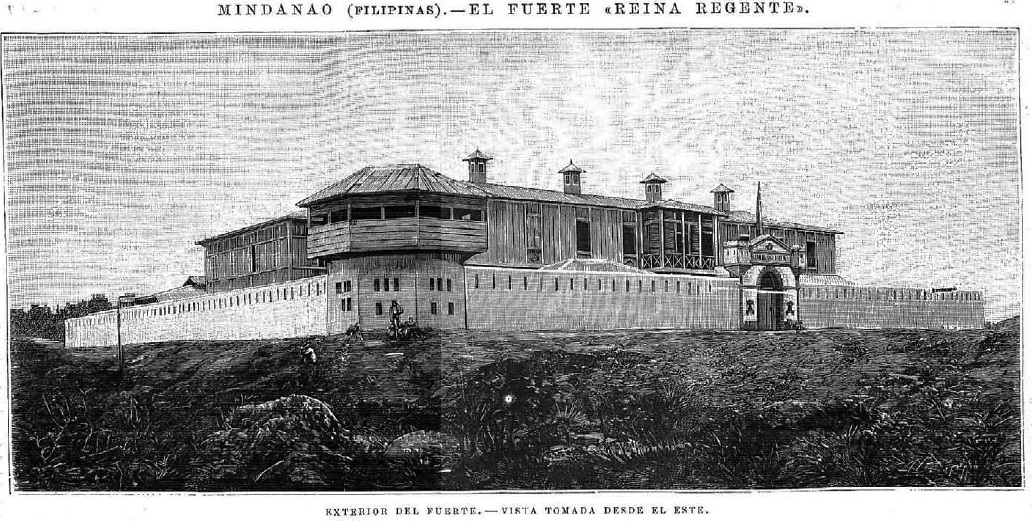
The Fuerte de la Concepción y del Triunfo, also known as Fuerte de Nuestra Señora de la Concepción del Triunfo, Fort of Misamis, and Triunfo Fort, is a prominent 18th-century bastioned fortress located in the historic center of what is now the city of Ozamiz on the island of Mindanao, Philippines. Constructed under the direction of the Spanish Jesuit priest and military commander José Ducos, the fort served as a strategic military installation during the Spanish colonial period to protect the area from pirate raids and local uprisings.
Historical context and construction
Built in the post-Renaissance period, specifically in the 18th century, the fort exemplifies the bastioned fortress design typical of Spanish military architecture of the time. This design was characterized by angled bastions that allowed defenders to cover all approaches with cannon and musket fire, a response to the evolution of artillery warfare. The fort's construction was part of Spain's broader efforts to consolidate control over Mindanao and protect its settlements and trade routes in the southern Philippines.
The fort was originally established in the old town of Misamis, which later became the modern city of Ozamiz. Its location was chosen for its strategic advantage, overseeing important maritime routes and serving as a defensive stronghold against Moro pirate raids that were frequent in the region during the 17th and 18th centuries.
Architectural features and layout
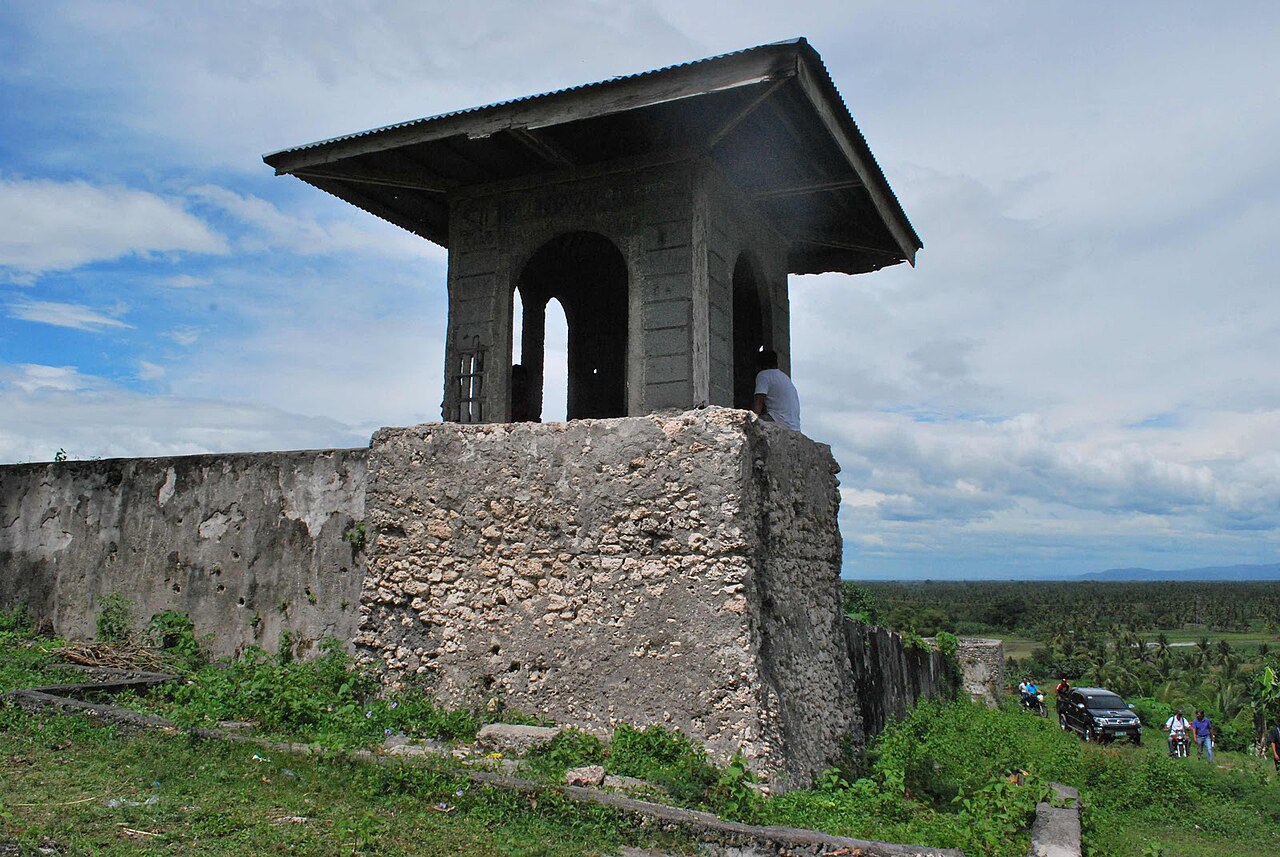
The fort's bastioned design includes four key bastions positioned at each corner of the roughly square fortification, allowing overlapping fields of fire. The walls are constructed from coral stones and lime mortar, materials commonly used in Philippine coastal fortifications due to their availability and durability against tropical weather.
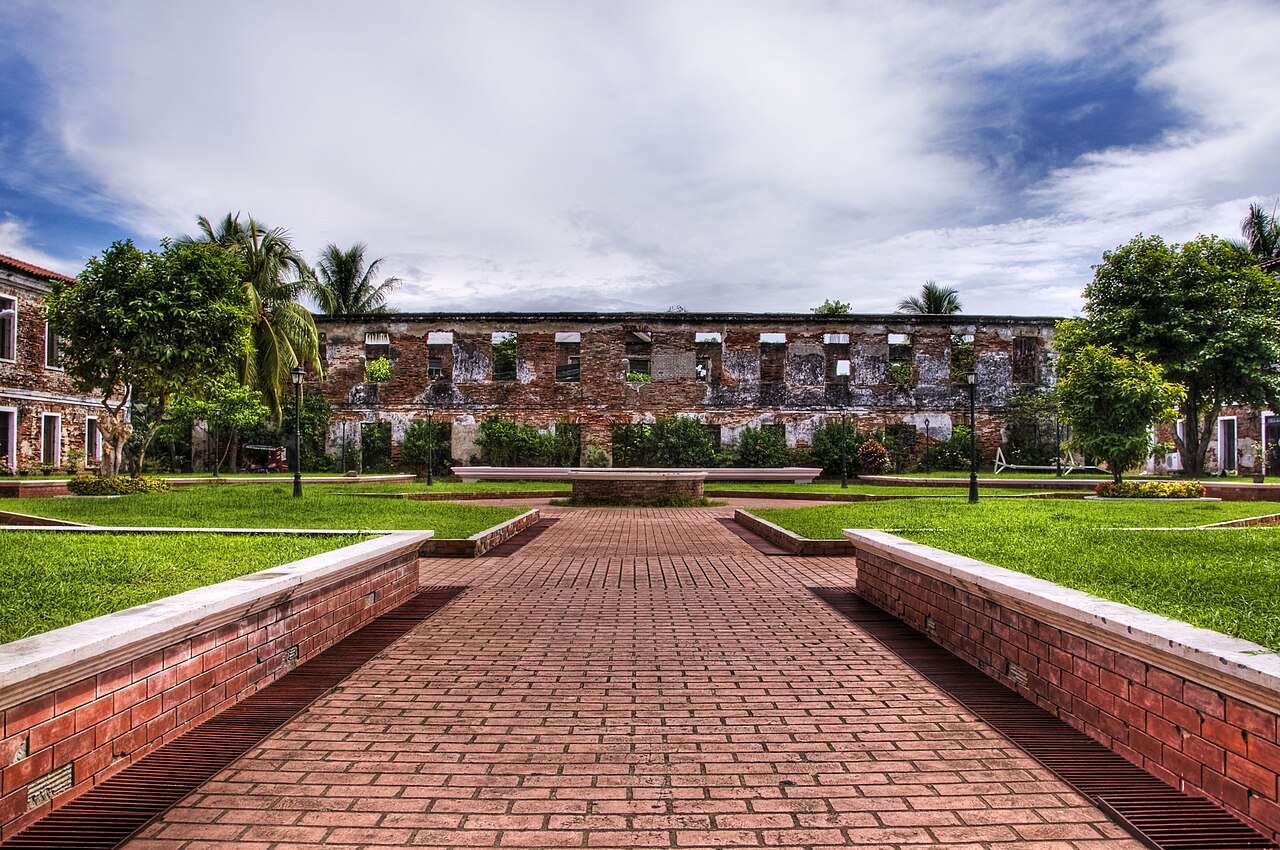
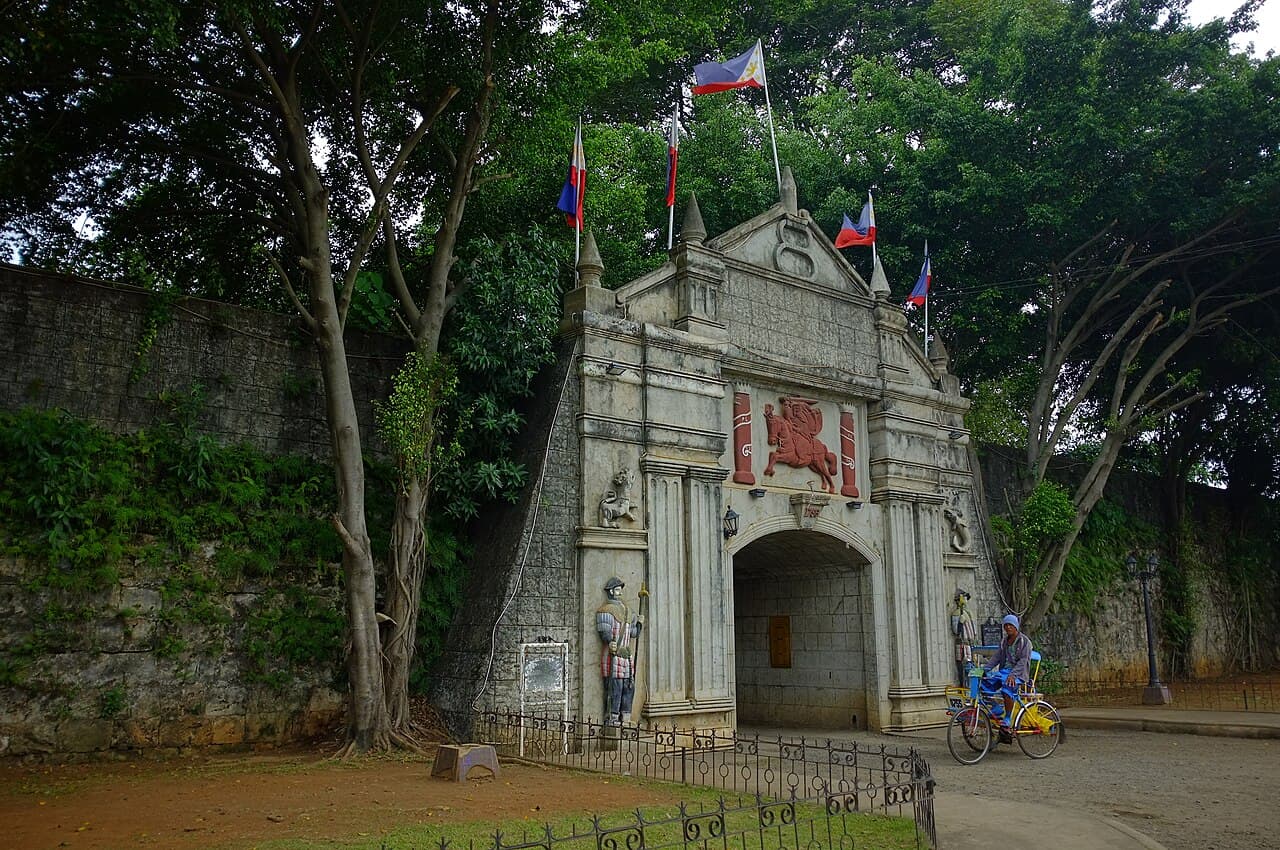
Within the fort's walls, there are remnants of barracks, powder magazines, and a chapel dedicated to the Virgin Mary, reflecting the religious influence of the Spanish Jesuits who built it. The fort's entrance is marked by a heavy gate with defensive features such as a drawbridge and portcullis, though some of these elements may have been altered or lost over time.
Surrounding the fort is a moat, which was originally filled with water, enhancing its defensive capabilities against attackers. The fort's position near the coast also allowed it to serve as a lookout point for incoming ships.
Cultural and religious significance
The fort is not only a military relic but also a cultural symbol for the city of Ozamiz. Adjacent to the fort's south wall stands the Archdiocesan Marian Shrine of the Birhen sa Cotta, a pilgrimage site dedicated to Nuestra Señora de la Inmaculada Concepción y del Triunfo de la Cruz de Migpangi, the city's patroness. This shrine underscores the enduring religious heritage linked to the fort and the Spanish colonial era.
The fort and shrine together represent the fusion of military and religious history in the region, reflecting how Spanish colonial powers integrated faith and defense in their settlements.
Preservation and current status
Today, the Fort of the Conception and of the Triumph is recognized as an important historical landmark in Ozamiz. While some parts of the structure have been preserved and restored, others remain in a state of partial preservation due to the ravages of time and past conflicts.
The site is accessible to visitors, offering insights into the military architecture of the Spanish colonial period in the Philippines and serving as a cultural heritage site that connects the present-day city with its colonial past.
Visitor information and tourism
Visitors to the fort can explore the remaining walls, bastions, and internal structures, gaining an understanding of 18th-century fortification techniques. The nearby Archdiocesan Marian Shrine attracts pilgrims and tourists alike, contributing to the site's significance as both a historical and spiritual destination.
The fort is often included in cultural tours of Ozamiz and the Mindanao region, highlighting its role in the area's defense and colonial history.
Frequently asked questions (FAQ)
- What is the historical significance of the Fort of the Conception and of the Triumph?
- The Fort of the Conception and of the Triumph, built in the late 18th century, played a crucial role in the defense against foreign invasions and local uprisings in the region. It is a symbol of the rich history of Ozamiz and reflects the Spanish colonial architecture prevalent during that era.
- When is the best time to visit the Fort of the Conception and of the Triumph?
- The best time to visit is during the dry season, from November to April, when the weather is more favorable for outdoor activities and exploration. This period also coincides with local festivals, offering visitors a unique cultural experience.
- Can I access the Fort of the Conception and of the Triumph by public transportation?
- Yes, the fort is accessible by public transportation, including local jeepneys and tricycles, which make it easy to reach from various parts of Ozamiz. Visitors can also opt for taxis or ride-sharing services for more convenience.
- What are the opening hours for the Fort of the Conception and of the Triumph?
- The fort is generally open to visitors from 8:00 AM to 5:00 PM daily. However, it’s advisable to check ahead for any changes in timings, especially during holidays or special events.
- Is it possible to take guided tours of the Fort of the Conception and of the Triumph?
- Yes, guided tours are available and highly recommended for a deeper understanding of the fort's history and architecture. Local guides offer insights that enhance the visitor experience and bring the fort's historical significance to life.
- What are the ticket prices for visiting the Fort of the Conception and of the Triumph?
- Entrance to the fort is usually free, but there may be a nominal fee for guided tours. It’s best to confirm the current pricing upon arrival, as fees can vary based on special events or guided services.
- Are there any nearby attractions to visit after exploring the fort?
- Yes, visitors can explore several nearby attractions, including the Ozamiz City Cathedral and the historic Plaza de Armas. The proximity of these sites makes it easy to enjoy a full day of sightseeing in the area.
Photo gallery

Information
Loading map...
Visitor reviews
No reviews yet. Been here? Write the first review and help other travelers!
Write the first reviewVisited this castle? Share your experience
Your review helps other travelers and adds first-hand knowledge to our encyclopedia.