Fort San Lucian
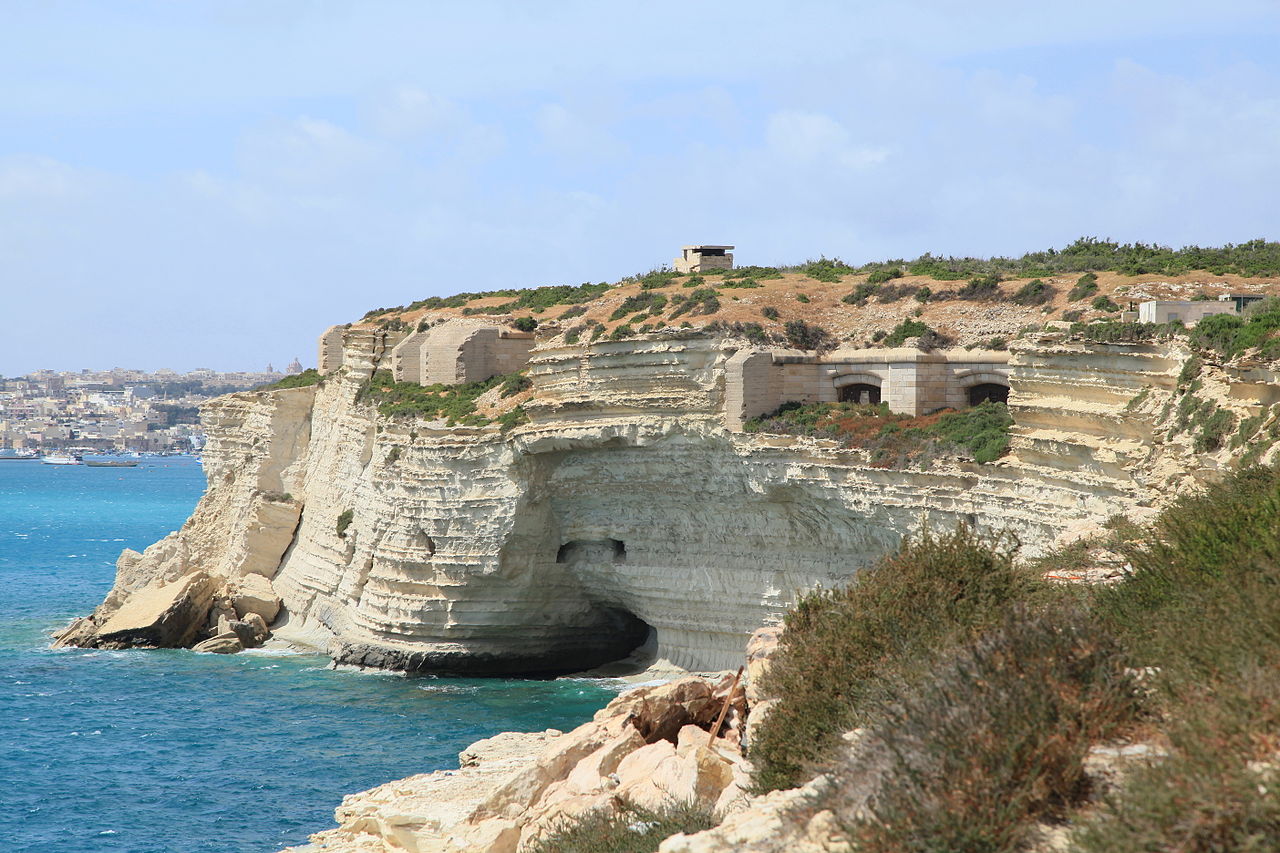
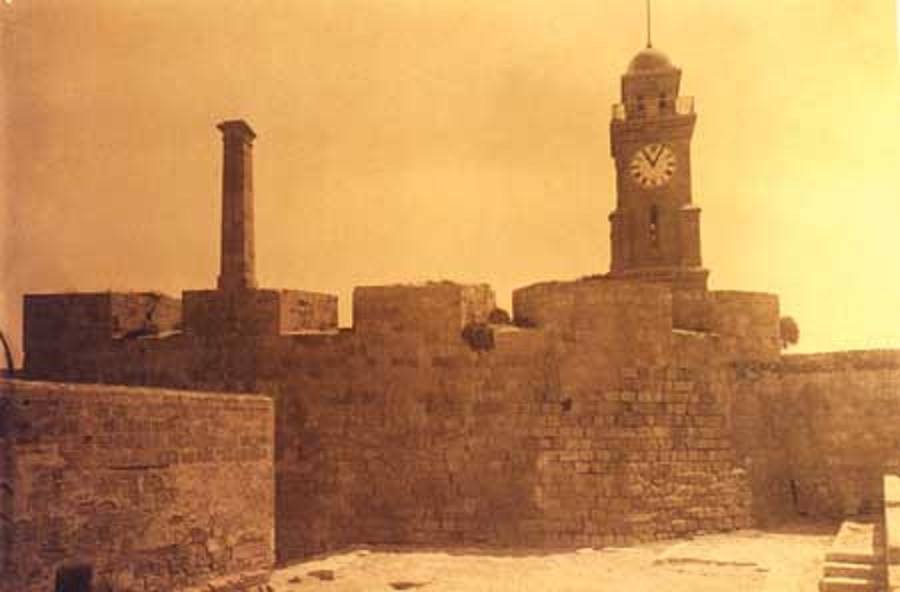
Fort San Lucian stands prominently in Marsaxlokk, Malta, as a significant example of Renaissance military architecture on the island. Originally constructed between 1610 and 1611 by the Order of Saint John, it was built as the second of six Wignacourt towers, named after Grand Master Alof de Wignacourt who commissioned these coastal defenses. The fort began as a large bastioned watchtower, designed to guard the strategic Marsaxlokk Bay against Ottoman and Barbary corsair attacks, reflecting the military priorities of the early 17th century Mediterranean.
Origins and early design
The Saint Lucian Tower was constructed as part of a network of coastal fortifications intended to provide early warning and defense along Malta's vulnerable southern coast. It is the second largest watchtower in Malta, after Saint Thomas Tower, emphasizing its importance in the island's defensive system. The original structure featured thick limestone walls typical of the period, with a square plan and bastions at the corners to mount artillery pieces, enabling crossfire coverage of the bay and approaches.
Upgrades and expansions in the 18th century
By the early 18th century, the military technology and threats had evolved, prompting modifications to the tower. Around 1715, an artillery battery was added to enhance its firepower. This battery allowed for heavier cannon to be mounted, increasing the fort's ability to deter enemy ships. Later, in the 1790s, the complex was upgraded further into a more comprehensive fort, reflecting the need for stronger landward defenses as well as seaward protection during a period of increased European conflicts and local instability.
British reconstruction and polygonal fort design
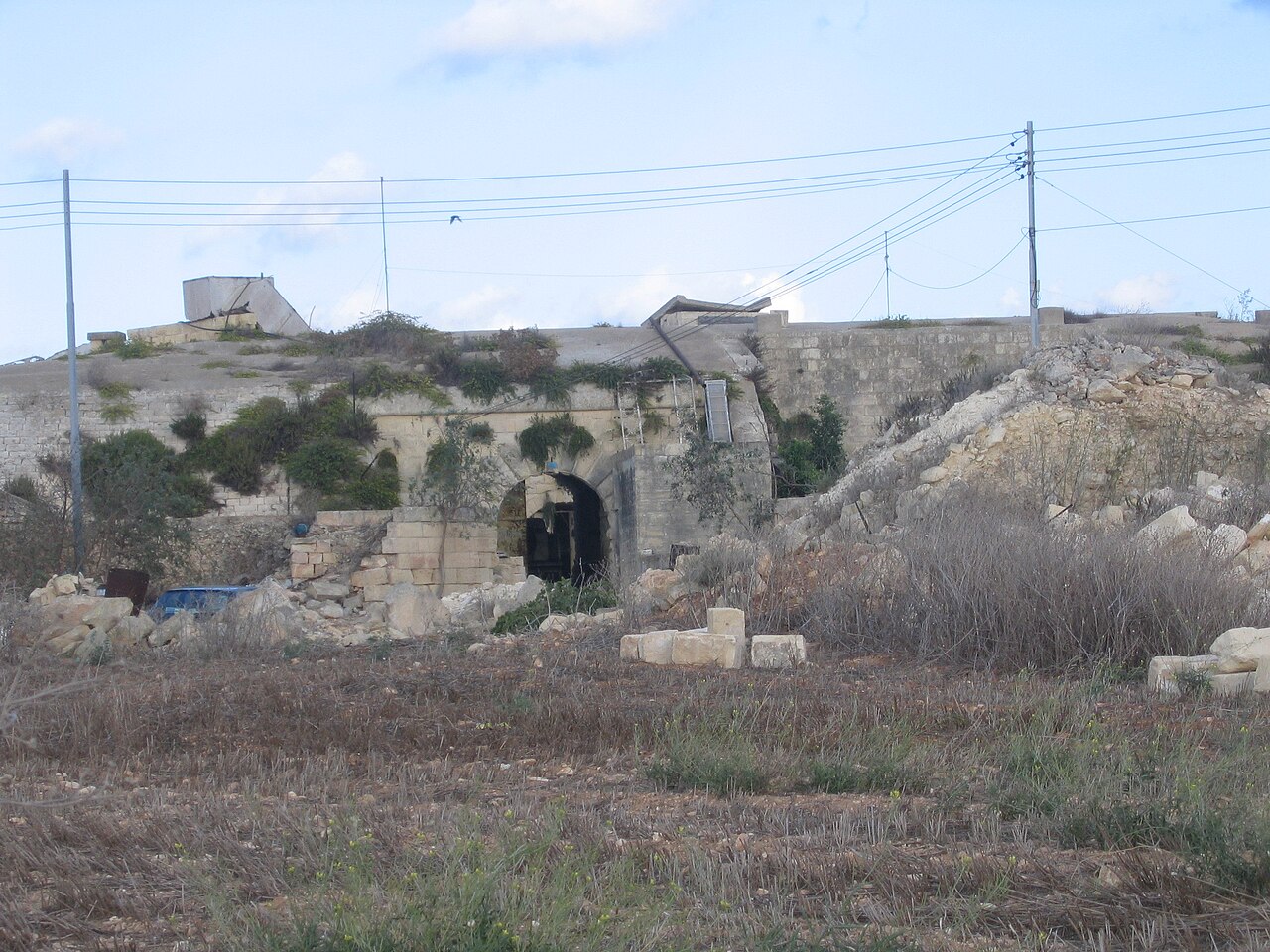
In the 1870s, under British rule, Fort San Lucian underwent significant rebuilding. The British military engineers transformed the fort into a polygonal fort, a style characterized by angular bastions and low-profile walls designed to withstand artillery bombardment and improve defensive fire coverage. This reconstruction included the addition of modern fortifications such as ditches, glacis, and reinforced gun emplacements, adapting the fort to contemporary military needs during the Victorian era.
Architectural features and layout
The fort's layout combines elements from its original Renaissance bastioned watchtower origins with later British polygonal fortifications. The thick limestone walls, bastions, and gun platforms from the early 17th century remain visible, while the polygonal bastions and defensive ditches reflect 19th-century military engineering. The fort includes a central courtyard, magazines for ammunition storage, barracks for troops, and artillery emplacements strategically placed to cover Marsaxlokk Bay and the surrounding coast.
Historical significance and use
Fort San Lucian played a vital role in Malta's coastal defense system for centuries, guarding one of the island's most important natural harbors. Its strategic position allowed control over naval traffic entering Marsaxlokk Bay, a key anchorage and fishing port. The fort witnessed various military periods, from the rule of the Order of Saint John through the British colonial era, adapting continuously to new military technologies and threats.
Modern use and preservation
Today, Fort San Lucian is no longer a military installation but serves as the base for the Malta Aquaculture Research Centre. This adaptive reuse has helped preserve the fort's structure while giving it a new scientific purpose. The fort remains well preserved, showcasing the layered history of Maltese coastal defenses and the evolution of fortification design from the Renaissance through the 19th century.
Visiting information
While Fort San Lucian is not generally open to the public due to its current use as a research facility, its exterior and impressive fortifications can be viewed from the surrounding areas of Marsaxlokk. The site offers a tangible connection to Malta's maritime and military heritage and is often included in coastal tours highlighting the island's historic defenses.
Frequently asked questions (FAQ)
- What is the historical significance of Fort San Lucian?
- Fort San Lucian was built in the late 17th century as a strategic defense point against potential invasions in the Mediterranean. Its location in Marsaxlokk allowed it to protect the harbor and surrounding areas, making it an important asset during various conflicts throughout Maltese history.
- When was Fort San Lucian constructed?
- Construction of Fort San Lucian began in 1670 and was completed in 1680. It was designed by the Knights of St. John to strengthen the coastal defenses of Malta during a time of increasing threats from pirates and foreign powers.
- Is it possible to visit Fort San Lucian?
- Yes, Fort San Lucian is open to visitors interested in exploring its rich history and unique architecture. Guided tours are often available, allowing guests to learn more about the fort and its role in Malta's defense.
- What are the opening hours for Fort San Lucian?
- Fort San Lucian typically opens from 9:00 AM to 5:00 PM, with last entry at 4:30 PM. However, it's advisable to check the official website or contact local tourist information for any seasonal changes or special events.
- Can I access Fort San Lucian with public transportation?
- Yes, Fort San Lucian is accessible via public transportation, with several bus routes connecting Marsaxlokk to other parts of Malta. Visitors can also opt for taxi services or enjoy a scenic walk from nearby locations.
- What is the best time to visit Fort San Lucian?
- The best time to visit Fort San Lucian is during the spring (April to June) and fall (September to November) when the weather is pleasant and crowds are smaller. Visiting during these months allows for a more enjoyable exploration of the fort and its surroundings.
- Are there any nearby attractions to Fort San Lucian?
- Yes, nearby attractions include the picturesque fishing village of Marsaxlokk, known for its colorful luzzu boats and vibrant Sunday market. Additionally, visitors can explore St. Peter's Pool, a natural swimming area, and other historical sites in the vicinity.
- What are the ticket prices for visiting Fort San Lucian?
- Ticket prices for Fort San Lucian are generally affordable, with discounts available for children, students, and seniors. It's best to check the official website for the most current pricing and any special offers during peak tourist seasons.
Information
Loading map...
Visitor reviews
No reviews yet. Been here? Write the first review and help other travelers!
Write the first reviewVisited this castle? Share your experience
Your review helps other travelers and adds first-hand knowledge to our encyclopedia.