Fort Regent
Fort Regent is a prominent historic fortress located on the island of Jersey in the United Kingdom of Great Britain and Northern Ireland. Constructed during the Napoleonic Wars, this fortification was designed to protect the island from potential French invasion. The building of the fort began on 7 November 1806, marked by the laying of the foundation stone by George Don, the Lieutenant Governor of Jersey at the time. The construction workforce included local laborers and soldiers from the Royal Engineers, with an average of 800 men engaged in the project. This large workforce allowed the fort to be completed within eight years, in 1814.
Design and architectural features
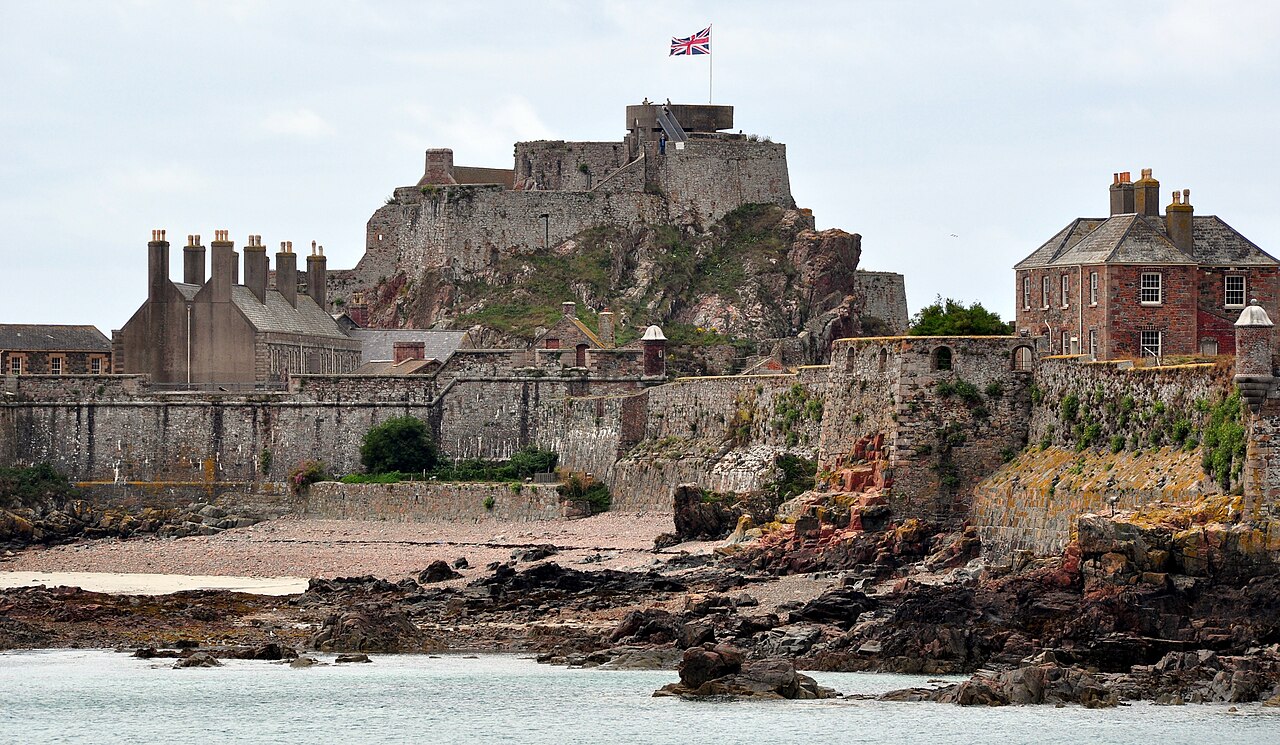
The design of Fort Regent is attributed primarily to Lieutenant-General John Humfrey, with contributions likely from Lieutenant-Colonel John Evelegh. The fort exemplifies early 19th-century military architecture, combining practical defensive elements common in the modern period. Its layout includes substantial curtain walls that form the main defensive barrier, surrounded by deep ditches and a glacis—a gently sloping embankment designed to expose attackers to defensive fire.
Key defensive structures include bastions and redoubts, which provide elevated platforms for artillery and infantry defense. The fort also features redans or demi-bastions, projecting angular bastions that allow defenders to cover adjacent walls with enfilading fire. At the heart of the fort was a large parade ground, now covered and built upon, which historically served as a central gathering and drill area for troops.
Historical significance and military use
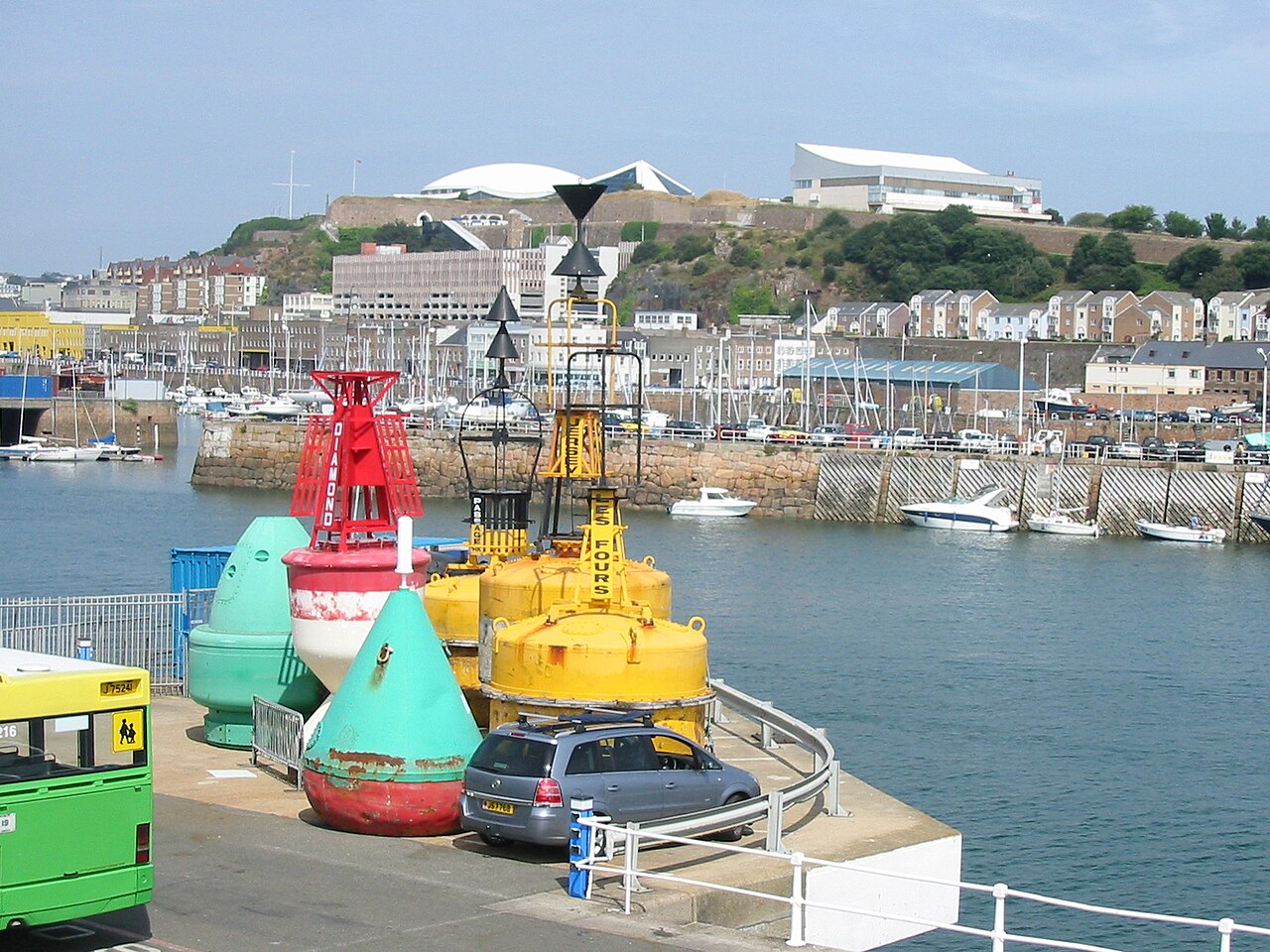
Named in honor of the Prince Regent, who later became King George IV, Fort Regent was a vital part of Jersey's coastal defenses during the early 19th century. Its strategic location on a hill overlooking the town of St Helier allowed for commanding views of the surrounding sea and land approaches.
During the German occupation of the Channel Islands in World War II, the fort was adapted by German forces, who installed additional defensive structures including flak cannons and concrete bunkers. Some of these wartime additions remain visible today, providing a layered historical narrative of military use spanning over a century.
Post-military adaptation and current status
Following its military use, the fort was repurposed by the States of Jersey in December 1967 into a leisure center, transforming the space to serve the local community. This adaptation included covering the parade ground with a roof and converting parts of the fort for recreational activities. The site remains a well-preserved example of a modern period fortress, retaining many of its original defensive features alongside later modifications.
Architectural and cultural importance
Fort Regent stands as a significant example of early 19th-century fortress design in the Channel Islands. Its combination of bastions, curtain walls, and other defensive elements illustrates the military engineering principles of the Napoleonic era. The presence of German WWII fortifications adds to its historical complexity, making it a valuable cultural heritage site.
Today, Fort Regent is accessible to visitors interested in military history and architecture, offering insight into the strategic defenses of Jersey across different eras. Its preservation allows for study and appreciation of the evolution of coastal fortifications from the early 1800s through the mid-20th century.
Frequently asked questions (FAQ)
- When was Fort Regent built and by whom?
- Fort Regent was constructed between 1806 and 1814 during the Napoleonic Wars. The design is credited to Lieutenant-General John Humfrey, with construction led by local workers and Royal Engineers.
- What are the main architectural features of Fort Regent?
- The fort features substantial curtain walls, bastions, redoubts, ditches, a glacis, and redans. It also has a central parade ground that was historically used for military drills.
- Can visitors see World War II German additions at Fort Regent?
- Yes, German forces added concrete bunkers and flak cannon emplacements during the occupation of the Channel Islands in World War II. Some of these structures remain visible today.
- What is the current use of Fort Regent?
- Since 1967, Fort Regent has been adapted into a leisure center by the States of Jersey, with parts of the fort repurposed for community recreational activities.
- Where is Fort Regent located within Jersey?
- Fort Regent is situated on a hill overlooking the town of St Helier, providing strategic views of the surrounding area and coastline.
Information
Architect
Lieutenant-General John Humfrey
Current owner
States of Jersey
Loading map...
Visitor reviews
No reviews yet. Been here? Write the first review and help other travelers!
Write the first reviewVisited this castle? Share your experience
Your review helps other travelers and adds first-hand knowledge to our encyclopedia.