Elizabeth Castle
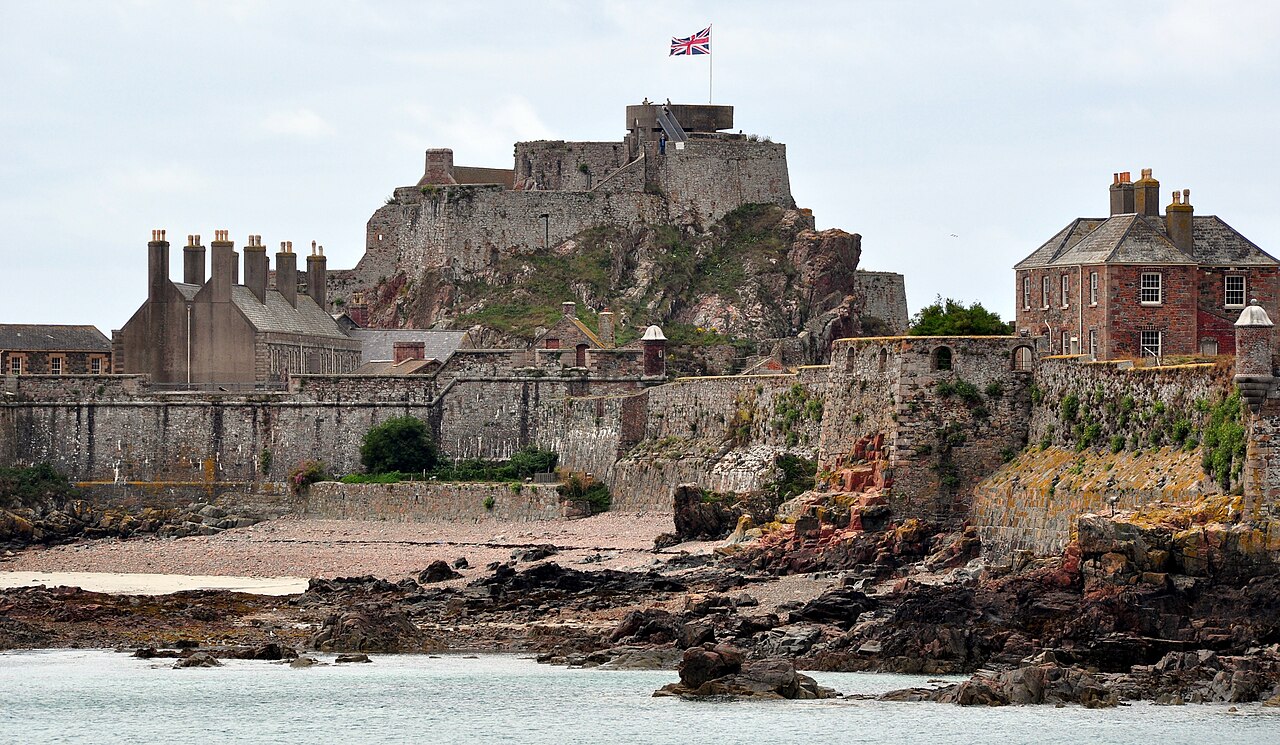
Elizabeth Castle stands on a tidal island in St. Aubin's Bay, Jersey, embodying over four centuries of military history and architectural evolution. Constructed beginning in 1594 during the Renaissance period, the castle was designed to protect the island and its key port, St. Helier, from naval attacks that had rendered older fortifications inadequate in the age of cannon warfare.
The site originally hosted the St. Helier Abbey, a Catholic monastic complex that was dissolved during the English Reformation. The Crown appropriated the abbey's lands and buildings, repurposing surviving structures for military use. The decision to build a new fortress here was driven by the strategic necessity to defend Jersey against French incursions and other maritime threats.
Construction and design by paul ivy
The castle's initial construction was overseen by the Flemish military engineer Paul Ivy, whose expertise in fortification design reflected contemporary advances in artillery and siege warfare. The fortress was conceived as a coastal fortress with robust stone walls, bastions, and artillery placements optimized to command the surrounding waters and prevent enemy landings.
Work began with the establishment of the Outer Ward and defensive walls, followed by the development of the Lower Ward between 1626 and 1636 on the ruins of the abbey church. This area was transformed into a parade ground bordered by barracks and officers' quarters, with essential facilities such as wells and cisterns to support a garrison under siege.
Historical significance and military engagements
Elizabeth Castle played a prominent role during the English Civil War in the 17th century. It was here that Charles II was proclaimed king by the Governor, Sir George Carteret, despite the monarchy's abolition in England. However, the castle endured a siege in 1651 by Parliamentarian forces, who bombarded it with mortars. The destruction of the abbey church, used as an ammunition store, forced the castle's surrender, and Jersey remained under Parliamentarian control for nearly a decade.
Following the Restoration, the castle's defenses were enhanced with the construction of King William's Gate around 1668, linking the Outer and Lower Wards. During the Seven Years' War, the castle served as a prison for French captives, including the notable Jean-Louis Le Loutre.
Architectural developments and later modifications
In the late 18th and early 19th centuries, Elizabeth Castle saw further adaptations to meet evolving military needs. A two-story barracks hospital was erected, reflecting the increasing importance of troop welfare. Plans to connect the castle to the mainland via a harbour project were initiated but eventually abandoned, leaving only a breakwater linking L'Islet to the Hermitage Rock, which remains accessible to anglers today.
World war ii occupation and modern restoration
During World War II, the German occupation forces fortified the castle extensively. They installed modern artillery, constructed bunkers, and reinforced battlements to integrate Elizabeth Castle into the Atlantic Wall defenses. After the Liberation of Jersey, the castle underwent repairs to restore its structural integrity and was opened to the public as a historical monument.
Architectural features and visitor experience
Visitors to Elizabeth Castle can explore its multiple defensive layers, including thick curtain walls, bastions, and gun emplacements that reflect centuries of military architecture. The castle's Governor's House, where Charles II stayed, remains a highlight. The parade ground, barracks, and water cisterns offer insight into the daily life of the garrison.
The castle's unique location on a tidal island means it is accessible by foot at low tide or by boat at other times, providing a distinctive experience that combines natural beauty with historical exploration. The site hosts exhibitions and guided tours that detail its complex history from Renaissance fortress to WWII stronghold.
Cultural and heritage importance
Elizabeth Castle is a protected heritage site, recognized for its architectural and historical significance in the Channel Islands. It illustrates the transition from medieval to modern fortification techniques and the strategic importance of Jersey in British and European conflicts. The castle remains a symbol of resilience and adaptation through centuries of warfare and political change.
Frequently asked questions (FAQ)
- How do I get to Elizabeth Castle?
- Elizabeth Castle is located on a tidal island accessible on foot at low tide via a causeway or by boat at high tide. Visitors should check tide times to plan their visit accordingly.
- What is the historical significance of Elizabeth Castle?
- Elizabeth Castle was built in the late 16th century to defend Jersey's main port and played key roles in the English Civil War and World War II. It reflects evolving military architecture from the Renaissance through the 20th century.
- When was Elizabeth Castle constructed?
- Construction of Elizabeth Castle began in 1594 under the guidance of military engineer Paul Ivy, with significant additions made through the 17th and 18th centuries.
- Can I explore the castle's military features?
- Yes, visitors can explore the castle's bastions, gun emplacements, barracks, and the Governor's House, gaining insight into its defensive design and history.
- Is Elizabeth Castle open year-round?
- Elizabeth Castle is generally open daily from 10:00 to 16:00, but hours may vary seasonally or due to weather conditions. Checking ahead is recommended.
- Are there any facilities for visitors at Elizabeth Castle?
- The castle offers guided tours, exhibitions, and a visitor center with amenities. The unique tidal location also provides scenic views and photo opportunities.
Information
Opening hours
10:00-16:00, daily
Ticket prices
£10 adult, £5 child
Current owner
States of Jersey
Website
Visit websiteAddress
L'Islet, Saint Helier, Jersey JE2 3NA, United Kingdom
Sources & official resources
Verify the information above using these authoritative references.
Loading map...
Visitor reviews
No reviews yet. Been here? Write the first review and help other travelers!
Write the first reviewVisited this castle? Share your experience
Your review helps other travelers and adds first-hand knowledge to our encyclopedia.