Fort Queenscliff — Australia castle

Fort Queenscliff

Fort Queenscliff: historic bastioned fortress in Victoria, Australia
Queenscliff, Victoria, Australia
Modern (19th–20th c.)
Well Preserved

Fort Queenscliff stands as a significant bastioned fortress located on Shortland's Bluff in the Borough of Queenscliffe, Victoria, Australia. Constructed initially in 1860 as an open battery, it was designed to defend the critical maritime gateway of Port Phillip, which leads to the major ports of Melbourne and Geelong. The fort's strategic position on elevated ground overlooking the shipping lanes made it a vital coastal defence installation throughout its operational history.

19th-century construction and early development

The original battery built in 1860 marked the beginning of a comprehensive coastal defence system around Port Phillip Heads. During the late 1870s and 1880s, Fort Queenscliff underwent major redevelopment, transforming it into the headquarters for an extensive network of fortifications protecting the entrance to the bay. This network was completed by 1891, making Port Phillip one of the most heavily fortified harbours within the British Empire at the time.

Architectural features and military design

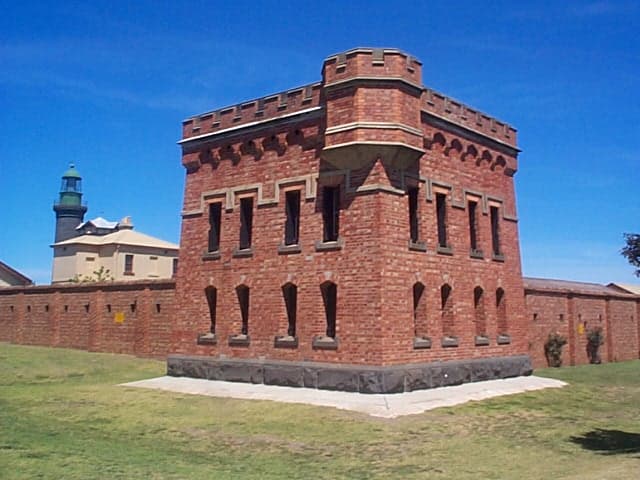
Fort Queenscliff exemplifies the bastioned fortress design typical of the 19th century, featuring thick defensive walls, gun emplacements, and strategic positioning to maximize fields of fire across the water. The fort's layout includes multiple gun batteries designed to cover overlapping arcs of fire, protecting against naval threats attempting to enter Port Phillip. The site covers approximately 6.7 hectares, with well-preserved defensive structures and supporting buildings such as barracks, magazines, and observation posts.

Military significance and operational history

The fort was continuously manned as a coastal defence installation from 1883 to 1946. Its garrison comprised volunteer artillery, engineers, infantry, and naval militia, reflecting the importance of the site in Australia's coastal defence strategy. Fort Queenscliff played a direct role in both World Wars. Notably, during World War I, the first Allied shots were fired under orders from Fort Queenscliff when a gun at nearby Fort Nepean fired across the bow of the German freighter Pfalz, preventing its escape. The same gun, with a different barrel, also fired the first Allied shot of World War II.

After World War II, with the obsolescence of coastal artillery, the fort's military role shifted. It became the home of the Army Command and Staff College and later, following the consolidation of the Australian Defence Colleges, served as the base for the Army's Soldier Career Management Agency from 2001 onward.

Preservation and museum development

Fort Queenscliff has been the focus of considerable restoration efforts in recent decades. These include the recovery and refurbishment of original artillery pieces, restoration of historic buildings, and the creation of an indoor display and archival centre. The fort's well-preserved condition and historical significance have led to its classification by the National Trust and its inclusion in the Register of the National Estate.

Since 1982, a dedicated museum at Fort Queenscliff has showcased the fort's role in local, state, and national history. The museum serves as a centre for historical research and public education, providing visitors with insights into Australia's coastal defence heritage and the fort's operational history.

Location and accessibility

Situated approximately 106 km from Melbourne, Fort Queenscliff occupies a commanding position on the western side of Port Phillip's entrance. The site offers panoramic views of the shipping lanes and surrounding coastline. Its accessibility and preserved state make it an important heritage tourism destination, offering visitors a tangible connection to Australia's military past and coastal defence architecture.

Frequently asked questions (FAQ)

How do I get to Fort Queenscliff?
Fort Queenscliff is located in Queenscliff, Australia, easily accessible by car or public transport. If you're driving, there is parking available nearby. You can also take a scenic ferry ride from Sorrento, which offers beautiful views of the coastline.
What is the historical significance of Fort Queenscliff?
Fort Queenscliff was built in the 1850s to protect the entrance to Port Phillip Bay and played a crucial role in Australia's military history. It is recognized as a significant heritage site, showcasing Australia's colonial past and military architecture. The fort has witnessed numerous historical events, making it a fascinating place to explore.
When was Fort Queenscliff built?
Construction of Fort Queenscliff began in 1860 and was completed in the early 1900s. The fortification was part of a network of coastal defenses established during a time of heightened military tension. Today, many of its original features remain intact, allowing visitors to appreciate its historical architecture.
Can I take guided tours of Fort Queenscliff?
Yes, guided tours of Fort Queenscliff are available and offer an in-depth look at the fort's history and architecture. These tours are led by knowledgeable guides who share fascinating stories and insights about the site. Booking in advance is recommended, especially during peak tourist seasons.
Why is Fort Queenscliff a popular tourist attraction?
Fort Queenscliff is popular for its rich history, stunning views of the bay, and well-preserved architecture. Visitors are drawn to its engaging tours and interactive exhibits that bring the past to life. The surrounding natural beauty and proximity to local attractions also make it a must-visit destination.
Is it possible to hold events at Fort Queenscliff?
Yes, Fort Queenscliff offers venues for various events, including weddings, corporate functions, and private gatherings. The unique historical setting provides a memorable backdrop for any occasion. It's advisable to contact the administration for availability and specific arrangements.
What are the opening hours of Fort Queenscliff?
Fort Queenscliff is open to visitors from 10 AM to 4 PM daily, with extended hours during holiday periods. However, it's best to check the official website for any seasonal changes or special events that may affect opening times. Planning your visit during these hours ensures you make the most of your experience.
What are the ticket prices for Fort Queenscliff?
Ticket prices for Fort Queenscliff vary depending on age and type of tour. Generally, adult tickets are priced around AUD 15, while concessions and children’s tickets are available at reduced rates. Group discounts may also be offered, so be sure to inquire when booking your visit.
What is the best time to visit Fort Queenscliff?
The best time to visit Fort Queenscliff is during the spring and autumn months when the weather is mild and pleasant. These seasons also see fewer crowds, allowing for a more enjoyable experience. Additionally, special events and festivals often take place during these times, enhancing your visit.
Are there nearby attractions to Fort Queenscliff?
Yes, there are several attractions near Fort Queenscliff, including the Queenscliff Maritime Museum and the beautiful beaches of the Bellarine Peninsula. You can also explore local cafes, shops, and the historic town center. A visit to the nearby Point Lonsdale Lighthouse is also highly recommended for stunning coastal views.

Photo gallery

Fort Queenscliff
Click to view

Photo by MichaelGG at English Wikipedia•Public domain

1 photo • Click any image to view in full screen

Information

Bastioned Fortress

Loading map...

Visitor reviews

No reviews yet. Been here? Write the first review and help other travelers!

Write the first review

Visited this castle? Share your experience

Your review helps other travelers and adds first-hand knowledge to our encyclopedia.
Write a review

(5/5)

0/2000 characters

Your review will be visible after admin approval

Nearby castles

3.5 km
Fort Nepean — Australia castle

Fort Nepean

, Australia

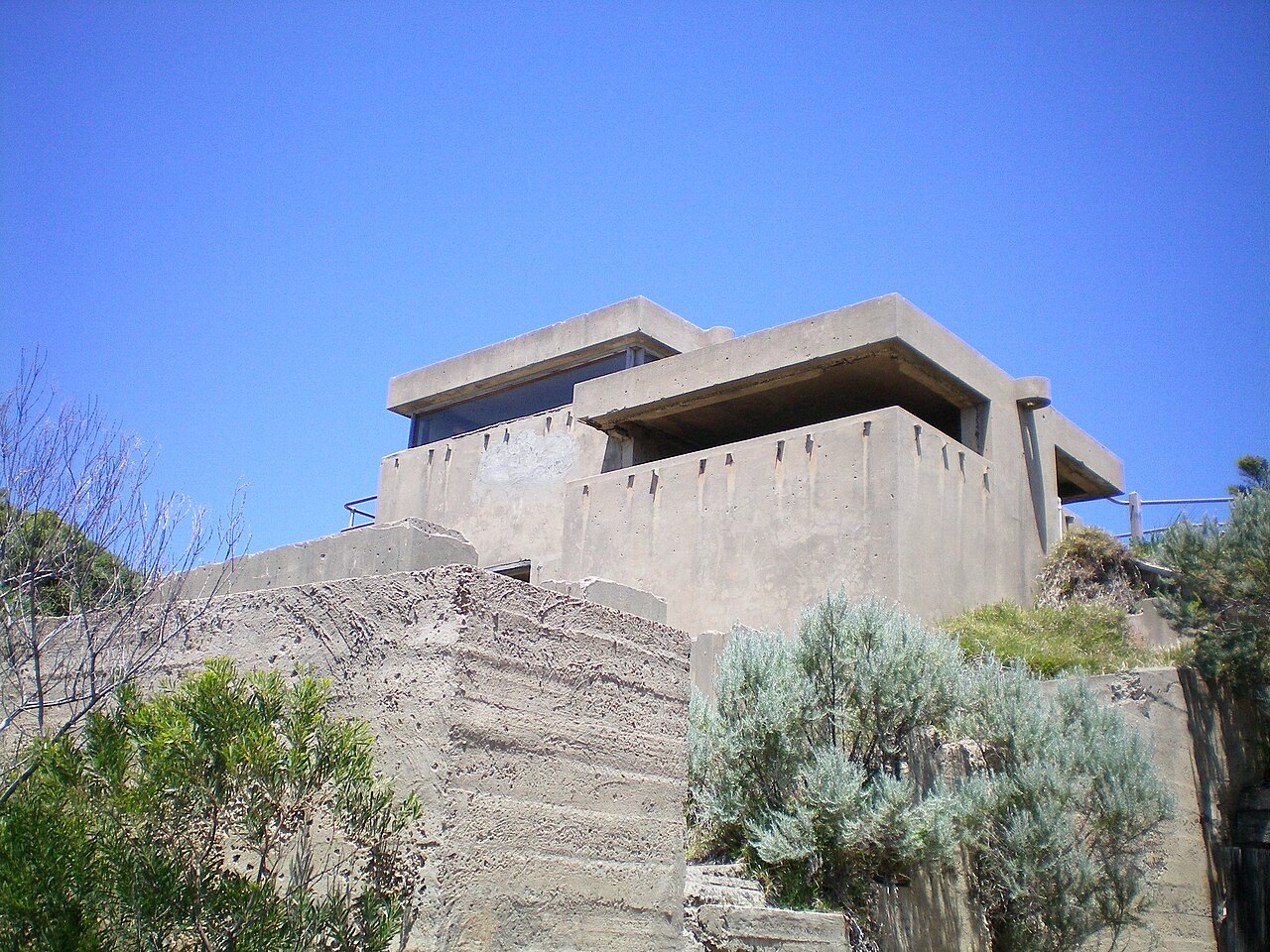
Fort Nepean is a significant bastioned fortress located on Point Nepean at the entrance to Port Phillip Bay, Victoria, Australia. Constructed in the 19th century during the modern period, it formed a critical part of the coastal defense system safeguarding Melbourne and the surrounding region from naval threats. The fort was strategically positioned to control the narrow channel leading into Port Phillip, a vital maritime gateway. Historical background and strategic importance The establishment of Fort Nepean was driven by growing concerns over potential naval attacks during the late 19th century, particularly as the Australian colonies sought to protect their ports and coastline amid imperial tensions. It was part of a broader network of fortifications commanded from Fort Queenscliff, which coordinated defenses across the entrance to Port Phillip Bay. This network included other key sites such as Fort Pearce and Fort Queenscliff itself. Fort Nepean's role was to prevent enemy ships from entering the bay by controlling the narrow sea passage known as The Rip. This strategic choke point made the fort an essential element in the defense system, equipped to engage hostile vessels attempting to breach the port's defenses. Architectural features and fortifications The design of Fort Nepean reflects its classification as a bastioned fortress, characterized by angular bastions projecting outward from the main walls, allowing defenders to cover adjacent walls with gunfire and eliminate blind spots. This style was a continuation of traditional bastion fort design adapted for modern artillery use. The fort's main structures included gun emplacements, underground magazines, barracks, and observation posts. The gun batteries were strategically placed to cover the narrow channels and were equipped with heavy coastal artillery capable of firing at enemy ships at long range. Defensive walls and earthworks provided protection against bombardment and infantry assault. Over time, Fort Nepean was upgraded to accommodate advances in military technology, including the installation of more modern artillery and improvements to its defensive layout. Operational history and military significance Fort Nepean was actively manned from its construction through both World Wars. It played a defensive role during World War I and II, guarding against possible naval incursions. Notably, in 1914, guns at Fort Nepean fired the first Allied shots of World War I, when they fired upon the German merchant ship SS Pfalz attempting to escape from Port Phillip Bay. Throughout its operational life, the fort was part of Australia's coastal defense strategy, adapting to changing military needs until the mid-20th century when advances in warfare and the reduced threat of naval attack led to its decommissioning. Current status and visitor experience Today, Fort Nepean is preserved as part of the Point Nepean National Park. The site is well preserved with many original structures and gun emplacements accessible to visitors. It serves as a popular tourist destination offering historical insights into Australia's coastal defenses. Visitors can explore the fort's extensive network of tunnels, barracks, and gun positions while enjoying panoramic views over Port Phillip Bay and the surrounding coastline. Interpretive signage and guided tours provide detailed information about the fort's history, architecture, and military role. The park also features walking tracks that connect Fort Nepean with other historical sites and natural attractions within the area, making it a rich cultural and recreational resource. Architectural legacy and cultural significance Fort Nepean stands as an important example of late 19th-century bastioned fortress design adapted for modern coastal defense. Its preservation offers valuable insight into Australia's military heritage and the evolution of fortress architecture in response to technological advances in artillery and naval warfare. The fort's association with key historical events, such as the first Allied shots of World War I, enhances its cultural significance. It remains a symbol of the strategic efforts to protect Australian shores and maritime interests during a period of global conflict and imperial rivalry.

Modern (19th–20th c.)
Details
12.9 km
South Channel Fort — Australia castle

South Channel Fort

Sorrento, Australia

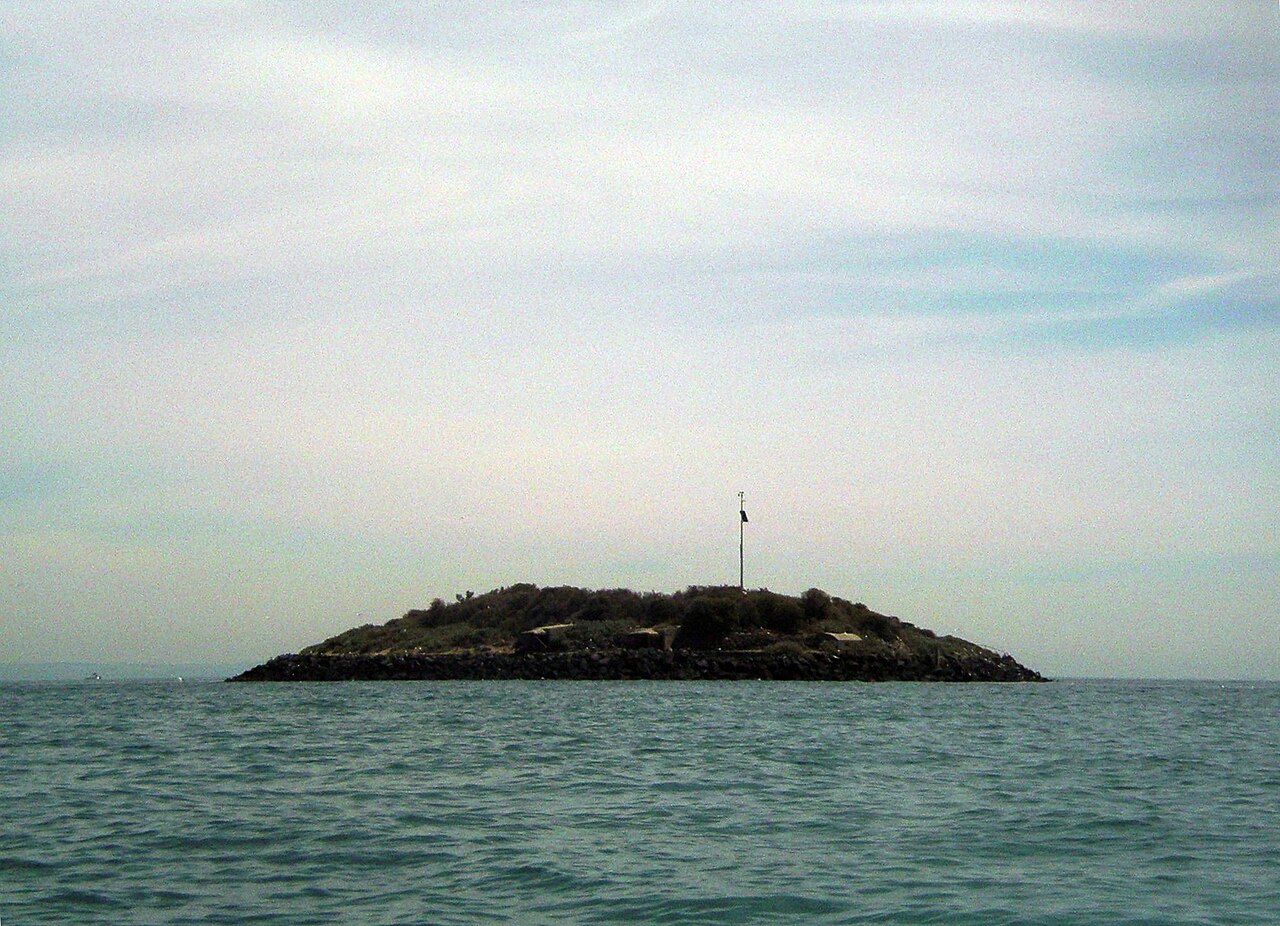
South Channel Fort, also known as South Channel Island, is a remarkable example of 19th-century coastal defense architecture located in Port Phillip, Victoria, Australia. This artificial island fortress was constructed during the 1880s as part of a broader network of fortifications designed to protect the strategic maritime gateway to the cities of Melbourne and Geelong. Situated approximately 6 km northeast of the town of Sorrento, the fort occupies a shoal near the main shipping channel of the bay, commanding a critical position for controlling naval access. Construction and architectural features The island measures roughly 122 meters in length and 76 meters in width, rising about 6.4 meters above sea level. It was engineered by depositing some 14,000 tonnes of bluestone boulders, concrete, and sand to create a stable platform on the shoal. The fort's design is characteristic of a bastioned fortress, a style that emphasizes angular bastions projecting outward from the main walls to provide overlapping fields of fire and eliminate blind spots. The fortification includes remnants of its original military hardware, notably the disappearing guns. These innovative artillery pieces were mounted on hydraulically operated carriages that allowed the guns to retract behind protective parapets for reloading, minimizing exposure to enemy fire. The layout and construction techniques reflect the modern military engineering practices of the late 19th century, integrating robust masonry and concrete work to withstand bombardment. Strategic military role and historical context South Channel Fort formed a crucial component of the defensive system guarding Port Phillip Heads, the narrow entrance to Port Phillip Bay. The fort's primary function was twofold: to illuminate the main shipping channel during nighttime, facilitating safe passage, and to serve as a control point for the deployment of naval mines. These mines were strategically placed underwater to deter or destroy hostile ships attempting to breach the bay's defenses. The fort's artillery and minefield coordination were vital during a period when naval threats were evolving with the advent of ironclad warships and more powerful naval artillery. The fortification was part of a wider network of coastal defenses, including nearby forts and batteries, which collectively secured one of Australia's most important maritime hubs. Preservation and current condition Today, South Channel Fort remains a well-preserved example of 19th-century coastal fortifications, although it is no longer an active military site. The island and its structures provide valuable insights into the defensive strategies and technological innovations of the era. Visitors and historians can observe the surviving military equipment and the fort's robust construction, which has endured the harsh marine environment for over a century. The fort's location on an artificial island adds to its uniqueness, illustrating the lengths to which military engineers went to establish strategic control points in challenging environments. While access may be limited due to its offshore position, South Channel Fort remains a significant heritage site reflecting Australia's colonial-era defense efforts. Architectural significance and legacy South Channel Fort exemplifies the transition from traditional masonry fortresses to more modern coastal defense systems incorporating concrete and advanced artillery mechanisms like disappearing guns. Its bastioned design demonstrates the enduring influence of European military architecture adapted to the Australian context. The fort's construction on a shoal using massive bluestone blocks showcases the engineering ingenuity required to create a stable platform in a marine setting. This approach ensured the fort could withstand both natural forces and potential enemy attacks, highlighting the strategic importance placed on protecting Port Phillip Bay. As part of the broader network of Victorian coastal defenses, South Channel Fort contributes to understanding Australia's military preparedness during the late 19th century, a period marked by increasing global naval tensions and colonial defense initiatives.

Modern (19th–20th c.)
Details
99.4 km
Kryal Castle — Australia castle

Kryal Castle

, Australia

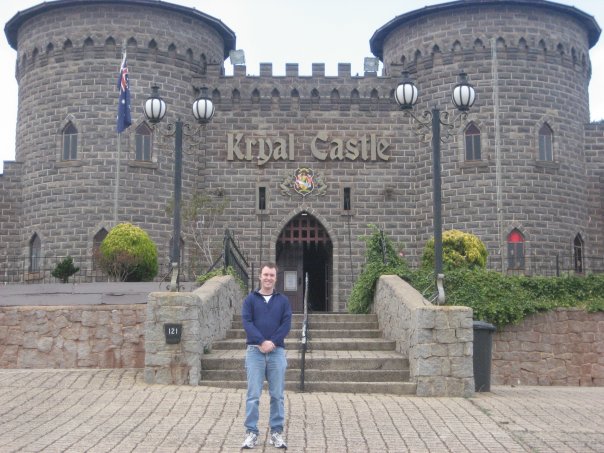
Kryal Castle stands as a unique medieval replica located near Ballarat in Victoria, Australia. Constructed beginning in 1972 by Keith Ryall, whose initials form the castle's name, Kryal Castle was opened to the public in 1974 as a distinctive attraction blending historical architecture with entertainment. Situated at the foot of Mount Warrenheip in Leigh Creek, north of Dunnstown, the castle offers visitors an immersive experience into medieval life through its carefully crafted features and themed activities. Architectural design and features The castle is designed to emulate a traditional medieval fortress, complete with a moat and drawbridge, which serve both as defensive features and as a dramatic entrance for visitors. Kryal Castle includes several castle towers that contribute to its authentic medieval silhouette, while the interior spaces host a range of attractions such as a maze, stocks, a medical museum, and an arsenal, reflecting various aspects of medieval life and warfare. The presence of a maze adds an element of interactive challenge, inviting visitors to engage in a playful yet historically inspired activity. The stocks and arsenal display tools and weapons reminiscent of the Middle Ages, providing educational insight into the justice system and military technology of the period. Entertainment and visitor experiences Kryal Castle was initially conceived not only as a static historical replica but as a dynamic entertainment venue. Early attractions included live performances featuring jousting, rides, public whippings, and acts such as clowning, juggling, and fire eating. The castle also housed a "torture wax" museum, which presented a dramatic, if macabre, interpretation of medieval punishment methods. Over the years, the castle has evolved to include modernized entertainment options, with a focus on medieval adventure and fantasy themes. The reintroduction of medieval jousting tournaments, enhanced with sound and light effects, has become a highlight for visitors, combining spectacle with historical reenactment. Accommodation and events Kryal Castle offers four-star accommodation suites within the castle grounds, allowing guests to experience overnight stays in a medieval-inspired setting. The venue also functions as a location for weddings, conferences, and other functions, blending its historical ambiance with contemporary hospitality services. The castle's facilities have been adapted to support a variety of events, making it a versatile destination for both leisure and special occasions. This multifunctional use helps sustain the castle as a living attraction that appeals to diverse visitor interests. Ownership history and renovations After its initial success, Kryal Castle faced challenges in the 2000s, including an unsuccessful sale attempt in 2007 with an asking price of $10 million. Notably, there was interest in transforming the site into a medieval-themed brothel, though this did not come to fruition. The property changed hands several times, with ownership reverting to its original builder, Keith Ryall, in 2011 after a brief sale to Jay Finch and Wendy Alexander. In 2012, Tourism Kryal Castle & Entertainment Pty Ltd acquired the castle and undertook a major renovation and upgrade. The castle was closed temporarily for this extensive refurbishment and reopened in 2013 with enhanced facilities and new entertainment offerings. The renovations focused on developing the castle into a multifaceted venue that combines tourism, entertainment, and hospitality, including themed adventure experiences and upgraded accommodation. Significance and appeal Kryal Castle is a rare example of a purpose-built medieval replica in Australia, combining architectural homage with interactive entertainment. It serves as both an educational resource and a tourist attraction, drawing visitors interested in medieval history, fantasy, and live performances. Its location in Victoria, close to Ballarat, makes it accessible for day trips and special events. The castle's blend of historical architecture, themed environments, and modern amenities provides a comprehensive experience that appeals to families, history enthusiasts, and event organizers alike. Kryal Castle continues to evolve, maintaining its unique position within Australia's cultural and tourism landscape.

Post-Renaissance (17th–18th c.)
Details