Fort Nepean
Fort Nepean is a significant bastioned fortress located on Point Nepean at the entrance to Port Phillip Bay, Victoria, Australia. Constructed in the 19th century during the modern period, it formed a critical part of the coastal defense system safeguarding Melbourne and the surrounding region from naval threats. The fort was strategically positioned to control the narrow channel leading into Port Phillip, a vital maritime gateway.
Historical background and strategic importance
The establishment of Fort Nepean was driven by growing concerns over potential naval attacks during the late 19th century, particularly as the Australian colonies sought to protect their ports and coastline amid imperial tensions. It was part of a broader network of fortifications commanded from Fort Queenscliff, which coordinated defenses across the entrance to Port Phillip Bay. This network included other key sites such as Fort Pearce and Fort Queenscliff itself.
Fort Nepean's role was to prevent enemy ships from entering the bay by controlling the narrow sea passage known as The Rip. This strategic choke point made the fort an essential element in the defense system, equipped to engage hostile vessels attempting to breach the port's defenses.
Architectural features and fortifications
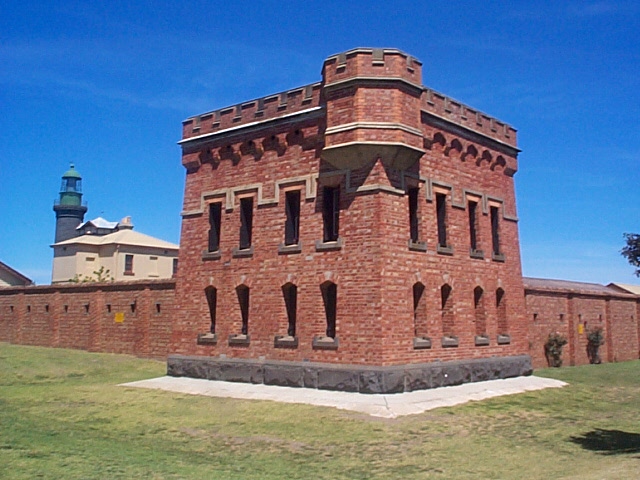
The design of Fort Nepean reflects its classification as a bastioned fortress, characterized by angular bastions projecting outward from the main walls, allowing defenders to cover adjacent walls with gunfire and eliminate blind spots. This style was a continuation of traditional bastion fort design adapted for modern artillery use.
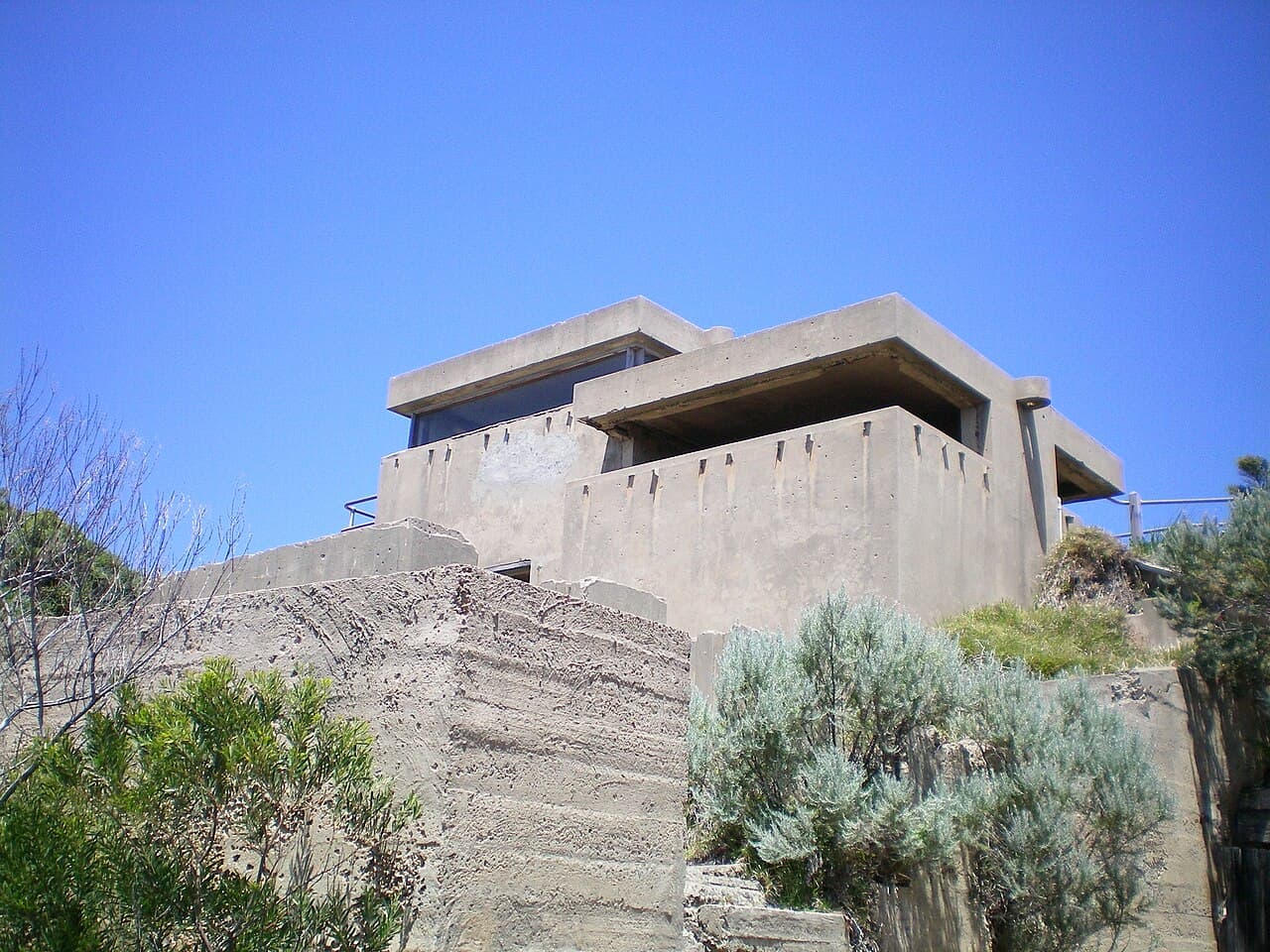
The fort's main structures included gun emplacements, underground magazines, barracks, and observation posts. The gun batteries were strategically placed to cover the narrow channels and were equipped with heavy coastal artillery capable of firing at enemy ships at long range. Defensive walls and earthworks provided protection against bombardment and infantry assault.
Over time, Fort Nepean was upgraded to accommodate advances in military technology, including the installation of more modern artillery and improvements to its defensive layout.
Operational history and military significance
Fort Nepean was actively manned from its construction through both World Wars. It played a defensive role during World War I and II, guarding against possible naval incursions. Notably, in 1914, guns at Fort Nepean fired the first Allied shots of World War I, when they fired upon the German merchant ship SS Pfalz attempting to escape from Port Phillip Bay.
Throughout its operational life, the fort was part of Australia's coastal defense strategy, adapting to changing military needs until the mid-20th century when advances in warfare and the reduced threat of naval attack led to its decommissioning.
Current status and visitor experience
Today, Fort Nepean is preserved as part of the Point Nepean National Park. The site is well preserved with many original structures and gun emplacements accessible to visitors. It serves as a popular tourist destination offering historical insights into Australia's coastal defenses.
Visitors can explore the fort's extensive network of tunnels, barracks, and gun positions while enjoying panoramic views over Port Phillip Bay and the surrounding coastline. Interpretive signage and guided tours provide detailed information about the fort's history, architecture, and military role.
The park also features walking tracks that connect Fort Nepean with other historical sites and natural attractions within the area, making it a rich cultural and recreational resource.
Architectural legacy and cultural significance
Fort Nepean stands as an important example of late 19th-century bastioned fortress design adapted for modern coastal defense. Its preservation offers valuable insight into Australia's military heritage and the evolution of fortress architecture in response to technological advances in artillery and naval warfare.
The fort's association with key historical events, such as the first Allied shots of World War I, enhances its cultural significance. It remains a symbol of the strategic efforts to protect Australian shores and maritime interests during a period of global conflict and imperial rivalry.
Frequently asked questions (FAQ)
- How do I visit Fort Nepean and what can I expect?
- Fort Nepean is located within Point Nepean National Park in Victoria, Australia. Visitors can explore the well-preserved gun emplacements, tunnels, and barracks while enjoying scenic views of Port Phillip Bay. Guided tours and interpretive signs enhance the experience.
- What is the historical significance of Fort Nepean?
- Fort Nepean played a key role in coastal defense from the 19th century through both World Wars. It fired the first Allied shots of World War I in 1914 and was part of a network protecting Port Phillip Bay from naval threats.
- When was Fort Nepean built and what architectural style does it represent?
- Fort Nepean was constructed in the 19th century as a bastioned fortress. Its design features angular bastions typical of coastal defense fortifications adapted for modern artillery.
- Is Fort Nepean accessible to visitors year-round?
- Fort Nepean is part of Point Nepean National Park, which is generally open year-round. Visitors should check local park information for any seasonal closures or special events before planning their visit.
- Can I learn about Fort Nepean's role in World War I during my visit?
- Yes, the site includes interpretive signage and tours that detail Fort Nepean's involvement in World War I, including its firing on the German ship SS Pfalz, marking Australia's first engagement in the war.
Photo gallery

Photo by Ottre•Public domain
Information
Current owner
Point Nepean National Park
Loading map...
Visitor reviews
No reviews yet. Been here? Write the first review and help other travelers!
Write the first reviewVisited this castle? Share your experience
Your review helps other travelers and adds first-hand knowledge to our encyclopedia.