Fort Pilar
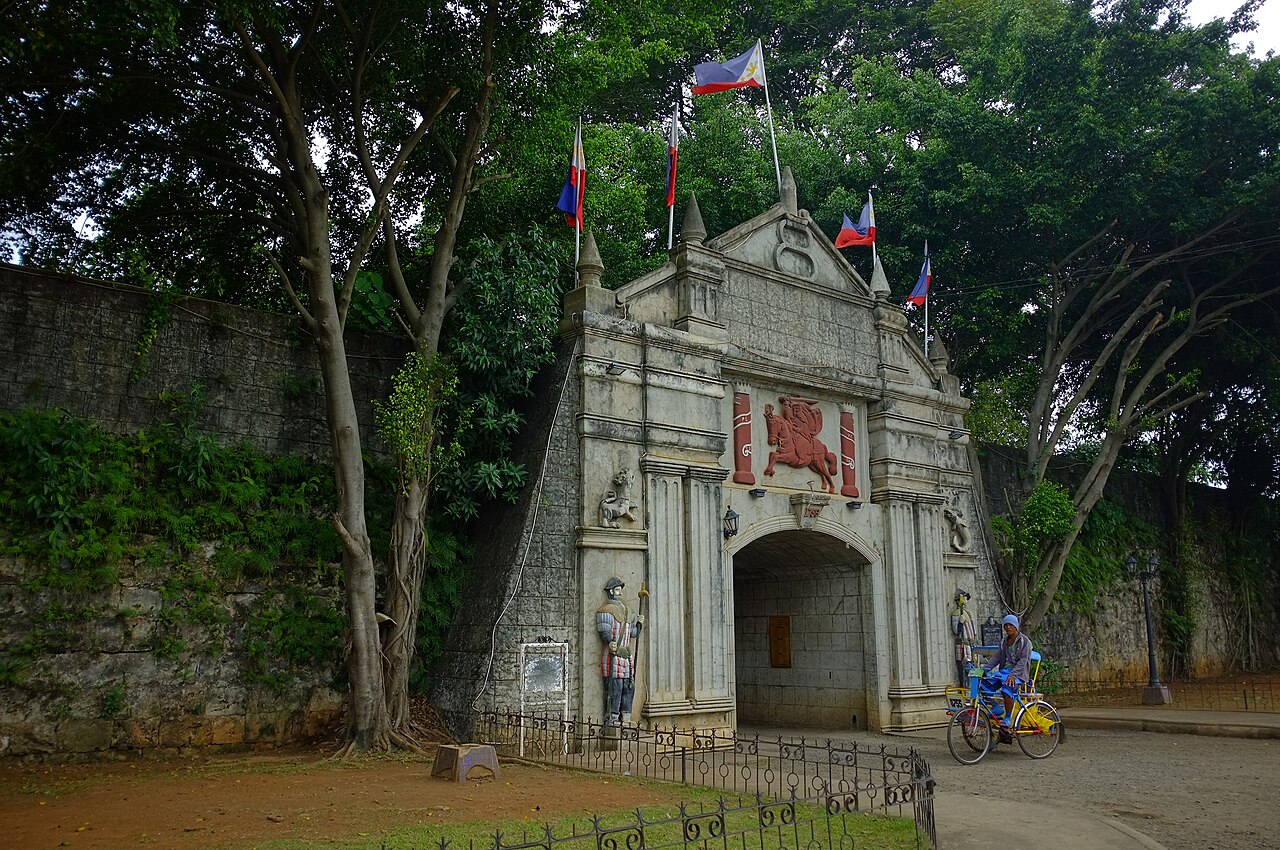
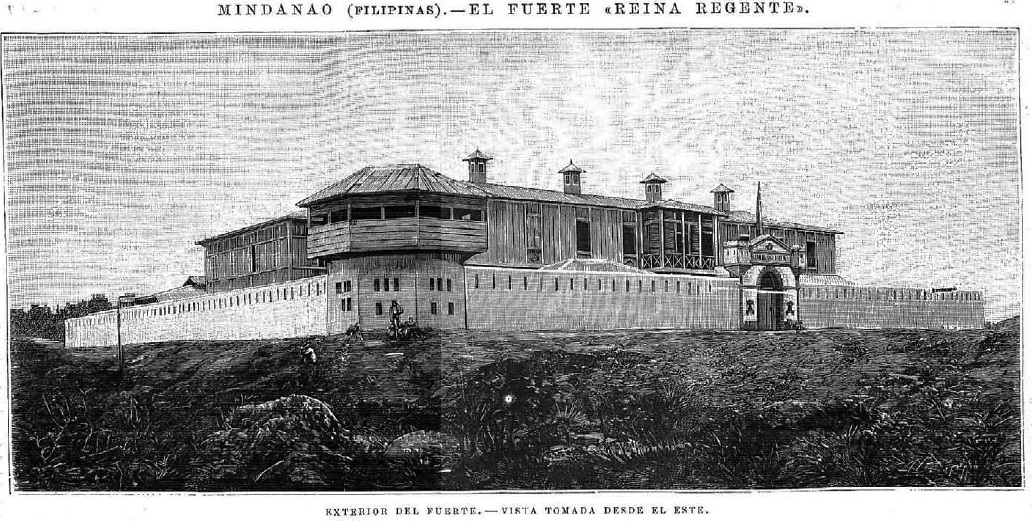
Fort Pilar, officially named the Real Fuerte de Nuestra Señora del Pilar de Zaragoza, stands as a significant 17th-century bastioned fortress located in Zamboanga City, Philippines. Constructed during the Spanish colonial period, this fortress was built to serve as a military defense structure against foreign invaders and local uprisings. It is an exemplary representation of Renaissance military architecture adapted to the tropical environment of the Philippines.
Historical context and construction
The construction of Fort Pilar began in the early 1600s under the direction of the Spanish colonial government. It was strategically positioned on the western coast of Mindanao to protect the vital trade routes and to serve as a bulwark against Moro pirate raids and Dutch incursions. The fort's design reflects the bastioned fortress style popular in Europe during the Renaissance, characterized by angular bastions projecting from the walls to allow defensive crossfire.
Built primarily from coral stones and bricks, the fortress was designed to withstand artillery attacks. The thick walls, bastions, and ramparts were constructed to provide overlapping fields of fire, maximizing defensive capabilities. The fort also included a moat and drawbridge, enhancing its defensive perimeter.
Architectural features and layout
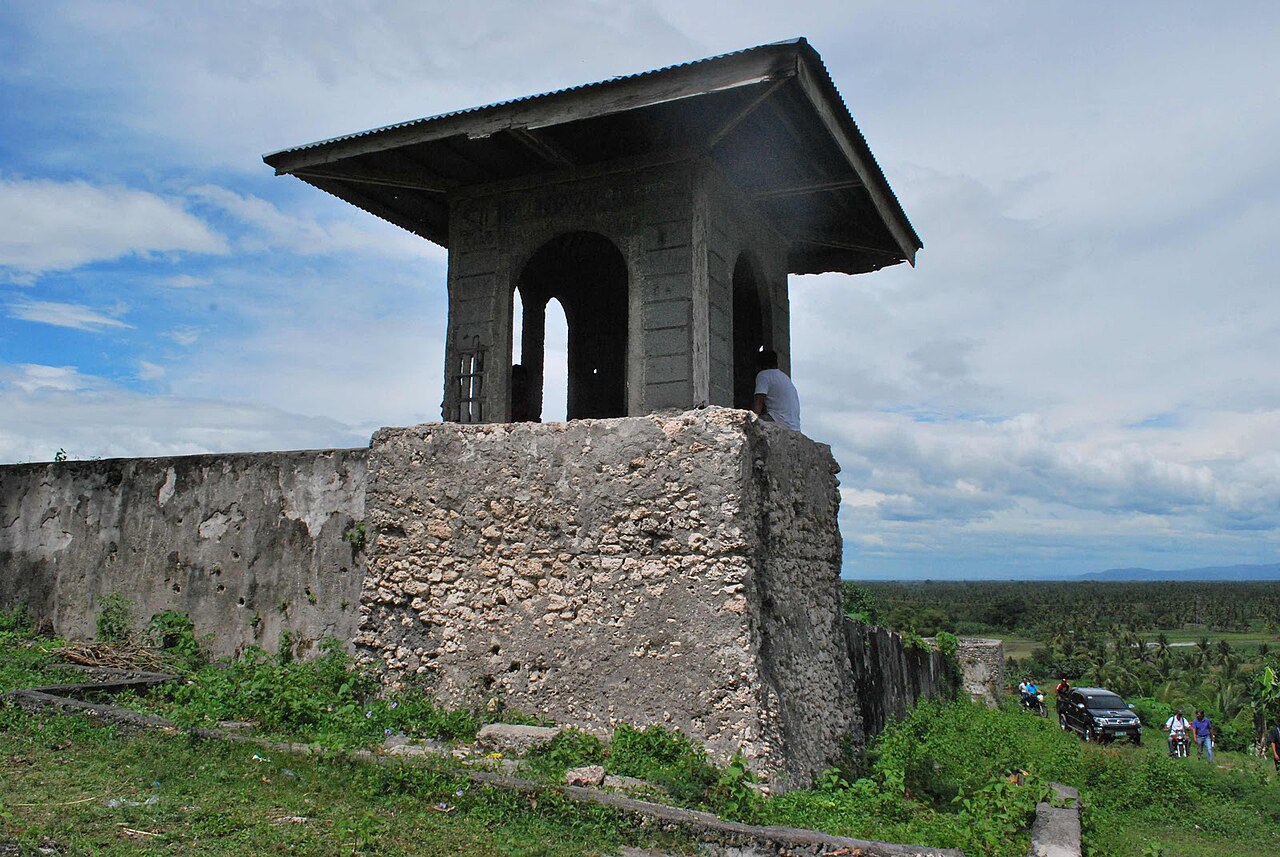
Fort Pilar features a roughly triangular layout with four main bastions named after saints, a common practice in Spanish fortifications. The bastions allowed defenders to cover all approaches with cannon and musket fire. The walls are punctuated by embrasures for cannons and musket loopholes.
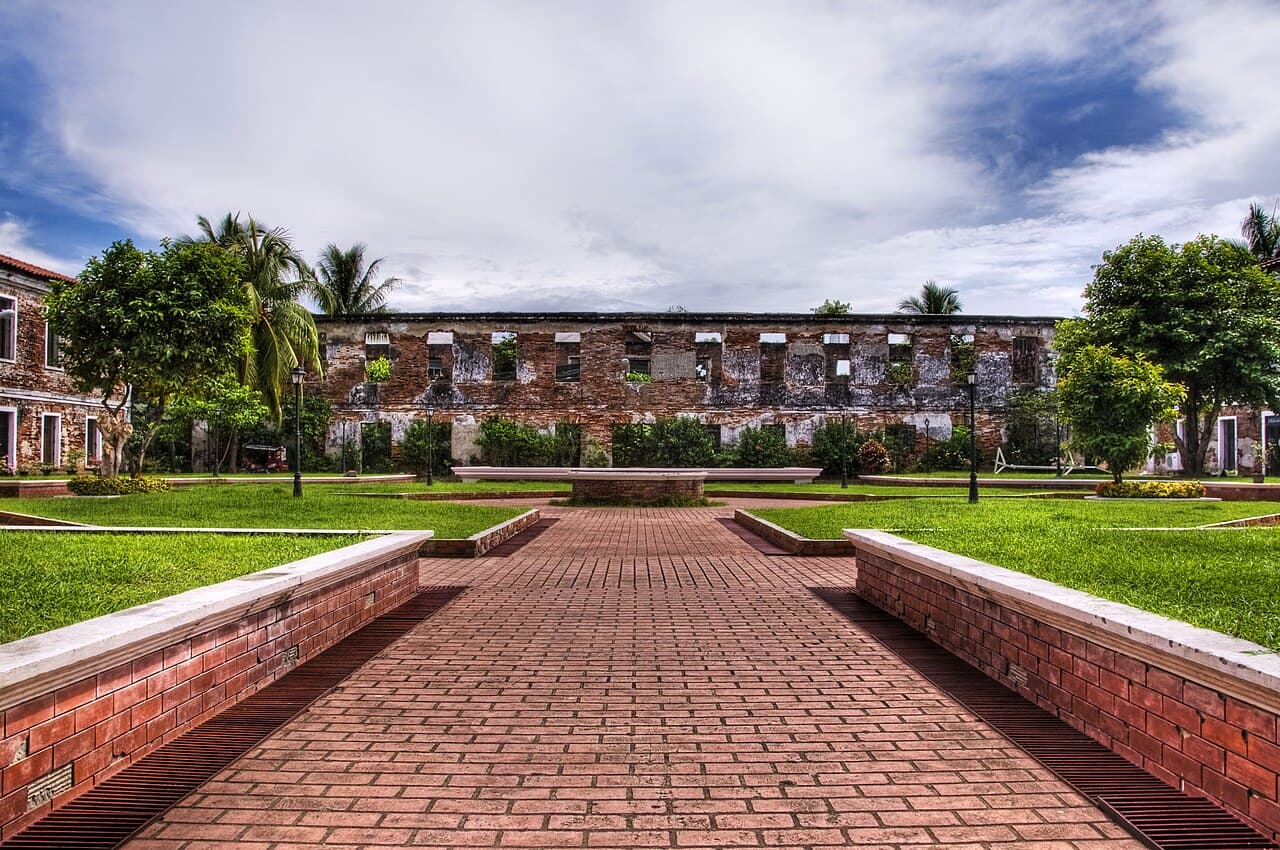
The interior of the fort includes several chambers such as barracks, storage rooms, and a chapel. The chapel is dedicated to Our Lady of the Pillar, the fortress's namesake and the city's patroness. The eastern wall of the fort is notable for the adjacent Marian shrine, which was pontifically crowned in 1960, emphasizing the religious significance intertwined with the military function of the fort.
Cultural and religious significance
Beyond its military role, Fort Pilar holds deep cultural and religious importance for Zamboanga City and the Philippines. The shrine to Our Lady of the Pillar attracts many pilgrims and visitors, reflecting the enduring devotion to the Marian figure in the region. The pontifical coronation in 1960 marked a significant event, officially recognizing the shrine's importance within the Catholic Church.
Today, the fort serves as the National Museum regional office for the Zamboanga Peninsula, preserving and showcasing the region's rich history and heritage. It houses exhibits on local culture, history, and the Spanish colonial era, making it a vital educational resource and tourist attraction.
Preservation and current status
Fort Pilar is well-preserved and maintained as a cultural heritage site. Restoration efforts have ensured the structural integrity of the fortress, allowing visitors to experience a tangible connection to the past. The fort's location overlooking the sea provides scenic views and a sense of its strategic military importance.
Visitors can explore the bastions, walls, and museum exhibits, gaining insight into the military, cultural, and religious history of the area. The site also hosts cultural events and festivals, further cementing its role as a living monument to Zamboanga City's heritage.
Visiting information
The fort is open to the public daily, offering guided tours that explain its historical and architectural features. Visitors are encouraged to explore the adjoining Marian shrine and the museum collections. The site is accessible and provides educational programs for schools and tourists alike.
Frequently asked questions (FAQ)
- What is the historical significance of Fort Pilar?
- Fort Pilar, built in the late 17th century, is a key historical site in Zamboanga City, originally constructed by the Spanish to defend against pirates and foreign invaders. It now serves as a symbol of the city's rich cultural heritage and military history, attracting visitors interested in the colonial past of the Philippines.
- When was Fort Pilar built?
- Construction of Fort Pilar began in 1635 and was completed in 1667. It was named after Our Lady of the Pillar, the patroness of Zamboanga City, and has since undergone various renovations, reflecting the architectural styles and military needs of different periods.
- Can I visit Fort Pilar?
- Yes, Fort Pilar is open to the public, allowing visitors to explore its historic walls and beautiful surroundings. It is a popular destination for both locals and tourists, offering a glimpse into the history of the region.
- What are the opening hours for Fort Pilar?
- Fort Pilar is open daily from 8:00 AM to 5:00 PM. Visitors are encouraged to arrive early to fully enjoy the site and take in the stunning views of the surrounding area.
- Is there an admission fee to enter Fort Pilar?
- There is no entrance fee to visit Fort Pilar, making it an accessible attraction for everyone. However, donations are appreciated to help maintain the site and its facilities.
- What is the best time to visit Fort Pilar?
- The ideal time to visit Fort Pilar is during the dry season, which runs from November to April. During these months, the weather is typically sunny and pleasant, perfect for exploring the fort and its surrounding gardens.
- Are there nearby attractions to visit while at Fort Pilar?
- Yes, Fort Pilar is located near several other attractions, including the Zamboanga City Hall, the Paseo del Mar, and the local market. Visitors can easily spend a day exploring the rich culture and vibrant atmosphere of Zamboanga City.
- Is Fort Pilar accessible for individuals with disabilities?
- Fort Pilar has made efforts to improve accessibility for all visitors, including ramps and designated paths. However, some areas may still present challenges due to the historical nature of the site, so it's advisable to check in advance if specific accommodations are needed.
- What architectural features can I expect to see at Fort Pilar?
- Fort Pilar showcases a unique blend of Spanish colonial architecture with its thick stone walls, bastions, and a chapel dedicated to Our Lady of the Pillar. Visitors will appreciate the fort's impressive design, which has withstood the test of time and reflects its military purpose.
Photo gallery

Information
Current owner
National Museum of the Philippines
Loading map...
Visitor reviews
No reviews yet. Been here? Write the first review and help other travelers!
Write the first reviewVisited this castle? Share your experience
Your review helps other travelers and adds first-hand knowledge to our encyclopedia.